Passenger Turbo Props
Embraer EMB 110 Bandeirante
ICAO: E110
The turboprop commuter built for regional airline growth.
The latest aviation news and stories sent to your inbox.
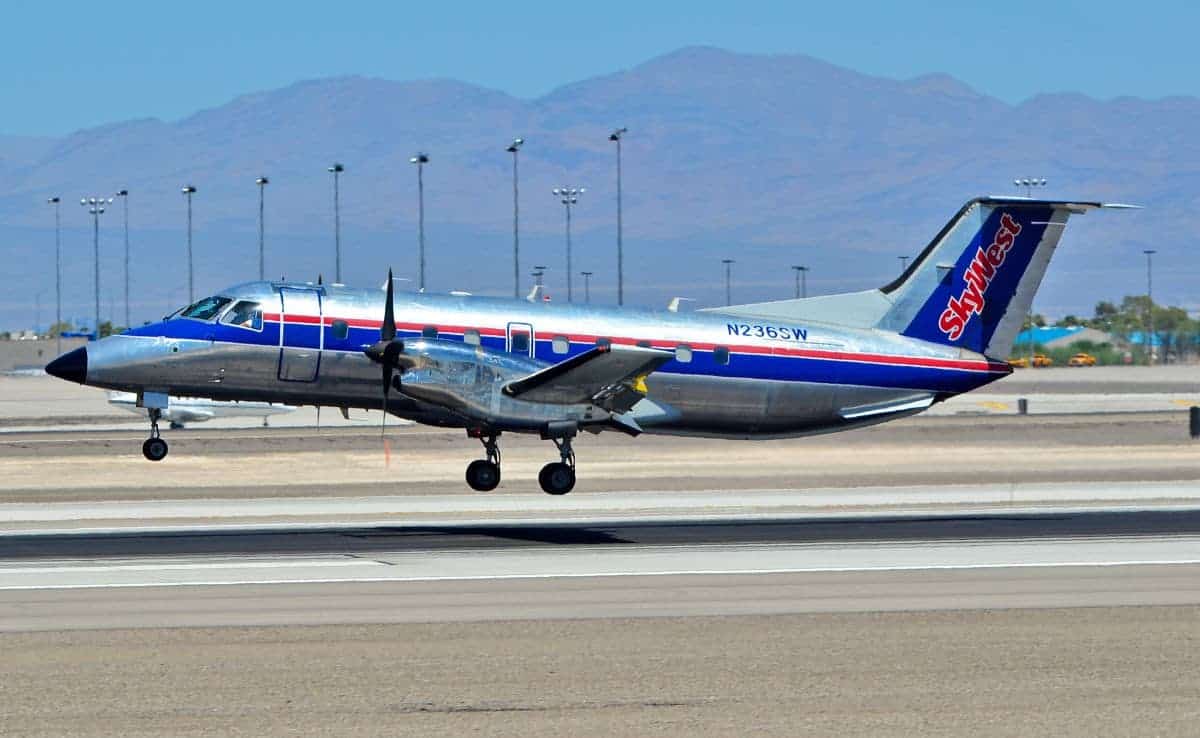
The Embraer EMB 120 Brasilia entered service in the mid-1980s as a pressurized regional turboprop. Designed to carry around 30 passengers, it helped expand regional networks. The aircraft saw widespread international use.
Live Fleet Activity (E120)
Fetching live data…
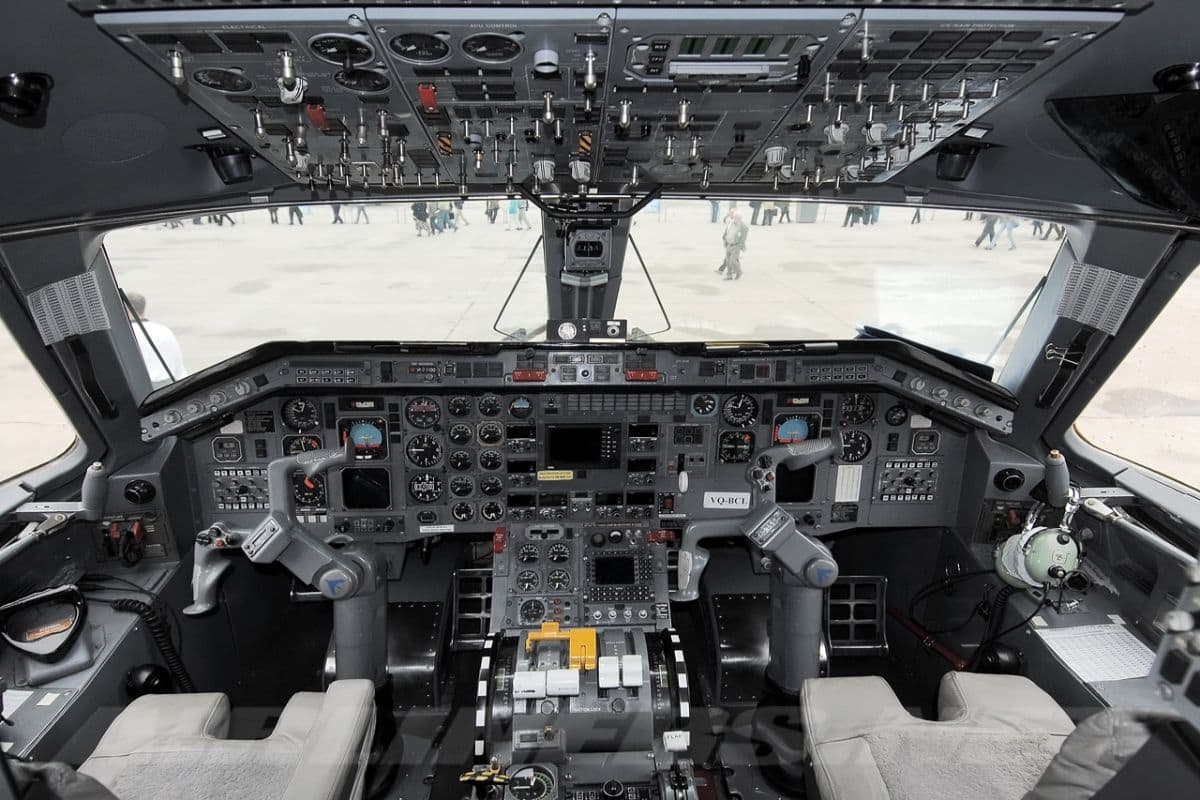

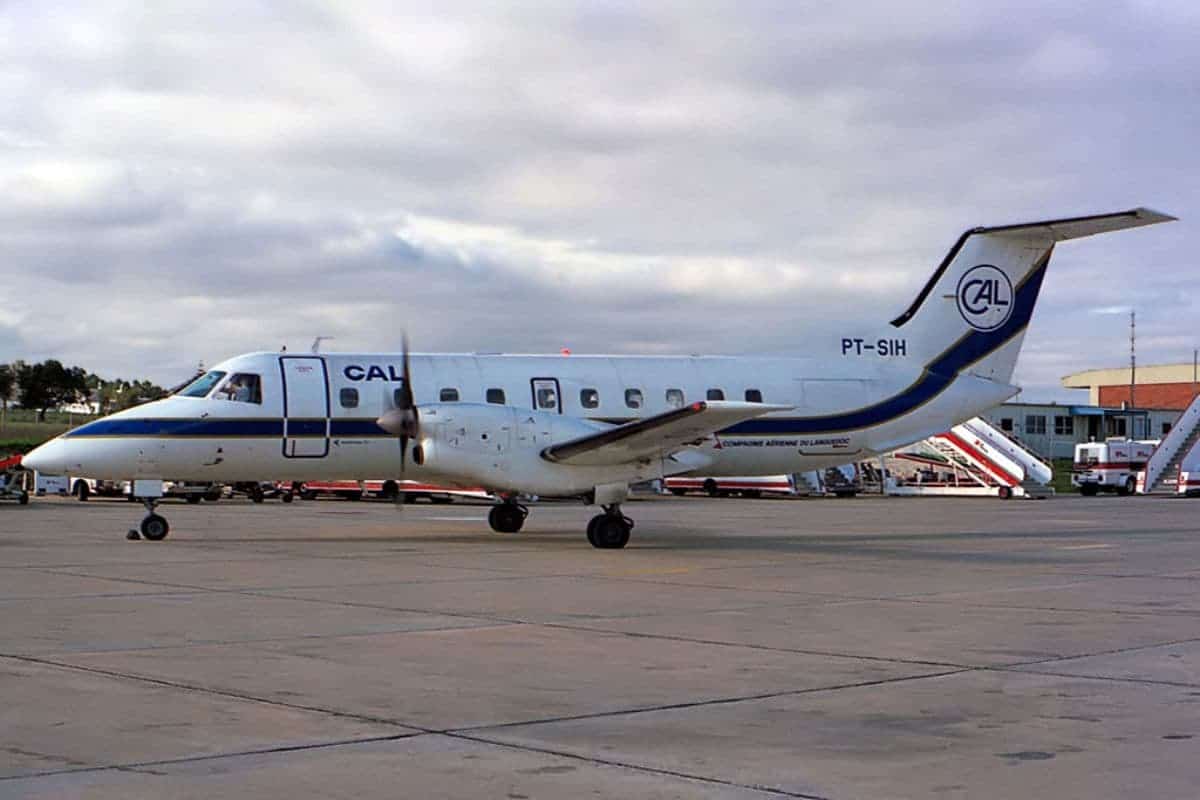
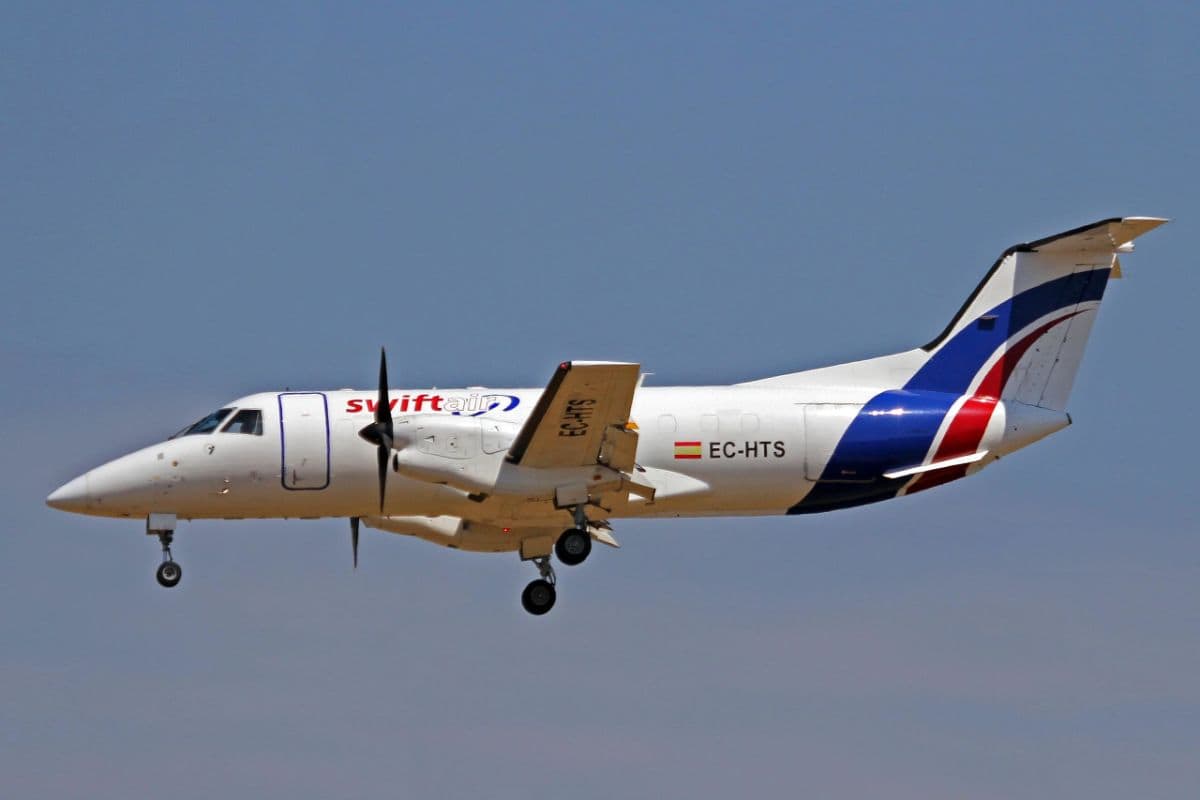
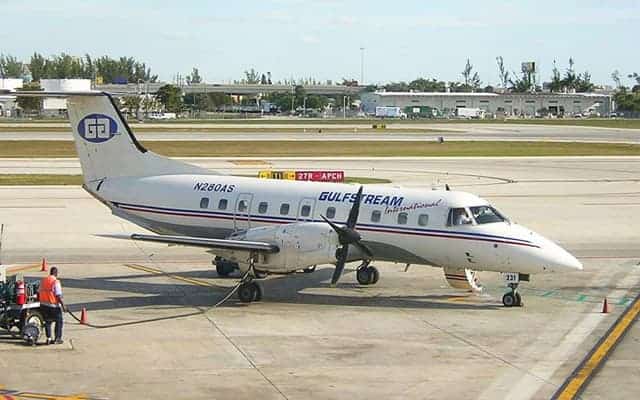

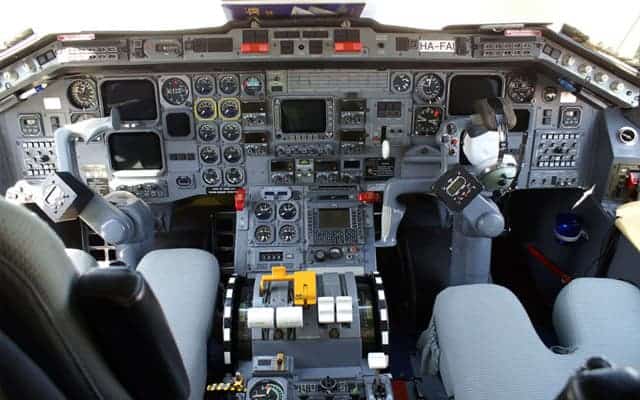
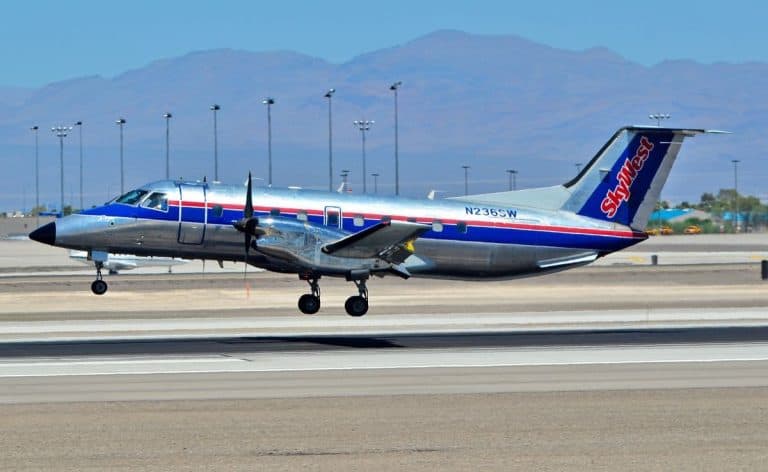
The EMB 120 first flew in 1983 and entered service in 1985. It was developed to meet growing demand for reliable regional transport. The aircraft features a low wing and retractable landing gear.
Two Pratt & Whitney Canada PW118 turboprop engines producing approximately 1,800 shaft horsepower each power the aircraft. Cruise speed approaches 300 knots (556 km/h). Maximum takeoff weight exceeds 26,000 pounds (11,794 kg).
The EMB 120 became a mainstay of commuter airlines in North and South America. Production ended in the early 2000s. Many aircraft remain in cargo and regional service.