Passenger Turbo Props
The Streamlined Speedliner That Bridged the Golden Age and the War.
The latest aviation news and stories sent to your inbox.
Before the skies filled with warplanes, the Vultee V-1 sliced through the 1930s airways as one of the fastest and most elegant airliners of its time. Its sleek, all-metal design and performance rivaled military aircraft — proving that aviation’s future lay in speed, strength, and monoplane efficiency.
Live Fleet Activity (V1)
Fetching live data…
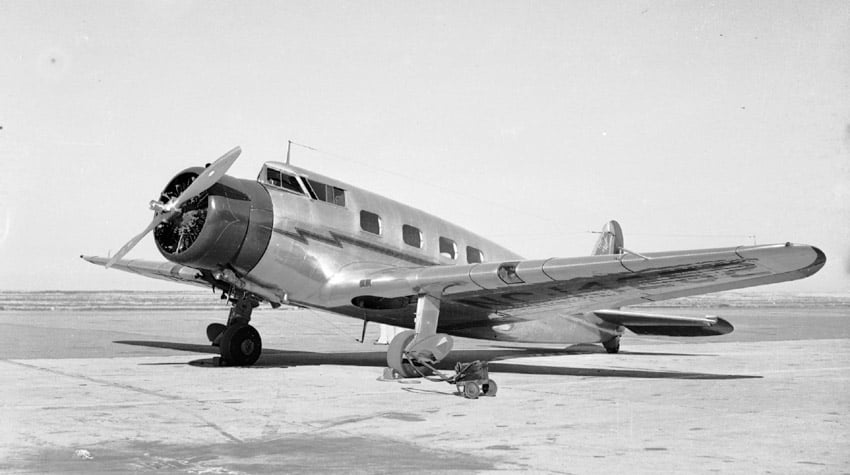
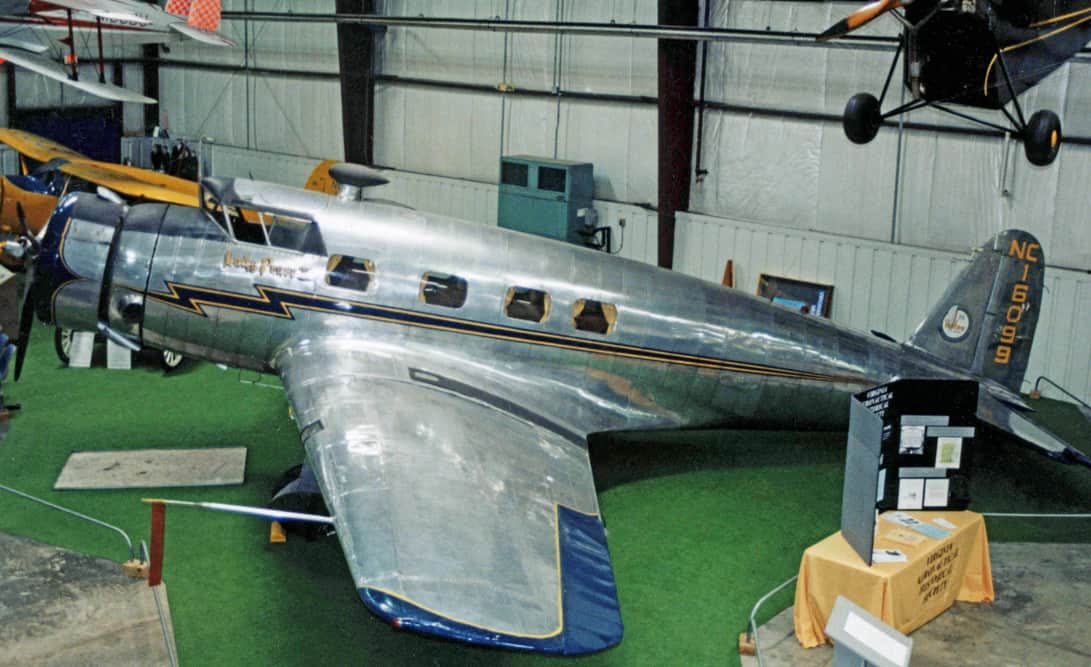
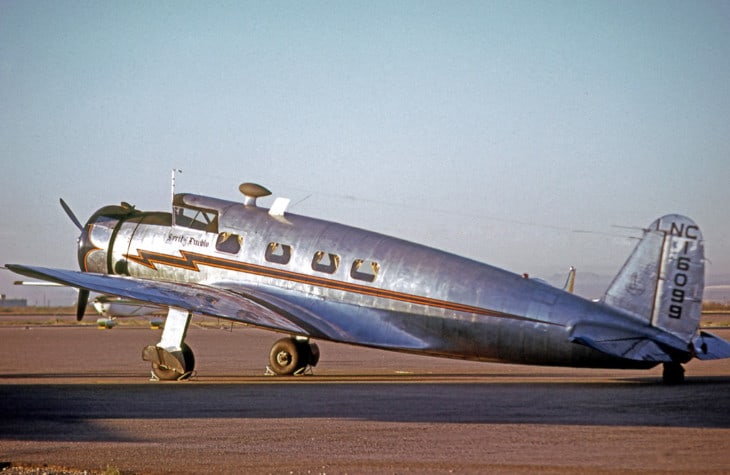
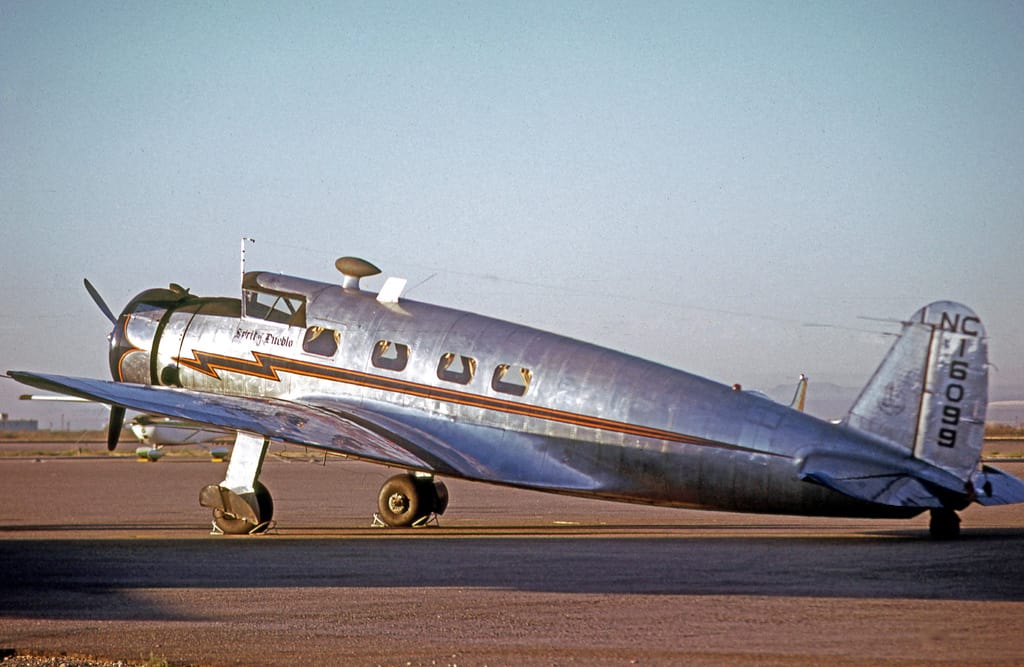
The Vultee V-1 was a revolutionary all-metal, low-wing monoplane airliner developed in the early 1930s by Gerard “Jerry” Vultee and Vance Breese for the Airplane Development Corporation, which would later become Vultee Aircraft. First flown in 1933, it was intended for high-speed passenger service during an era when most airliners were still biplanes of wood and fabric.
Powered by a Pratt & Whitney R-1690 Hornet radial engine producing 750 horsepower, the V-1A could cruise at 190 mph (305 km/h) and reach a top speed of 210 mph (338 km/h) — faster than most fighters of the day. It could carry six to eight passengers plus a crew of two, with a range of roughly 1,000 miles (1,600 km). Its aerodynamic monoplane design, retractable landing gear, and smooth metal skin marked a dramatic leap forward in commercial aviation technology.
The V-1 entered service with American Airlines in 1934, becoming the first all-metal monoplane in regular U.S. airline operation. However, civil use was short-lived — new U.S. government regulations in 1936 limited single-engine commercial passenger aircraft. Many V-1s were then sold abroad or converted for military use, with several serving in Spain and Mexico as light transports or bombers during the Spanish Civil War.
In total, only about 24 aircraft were built, but the Vultee V-1’s speed, style, and innovation made it a landmark design. It bridged the glamorous interwar years and the coming age of high-performance military aircraft — a glimpse of aviation’s streamlined future.
Sources and references used for research and fact-checking.