Fighter Jets
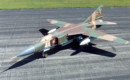
Mikoyan-Gurevich MiG-27
ICAO: MG27
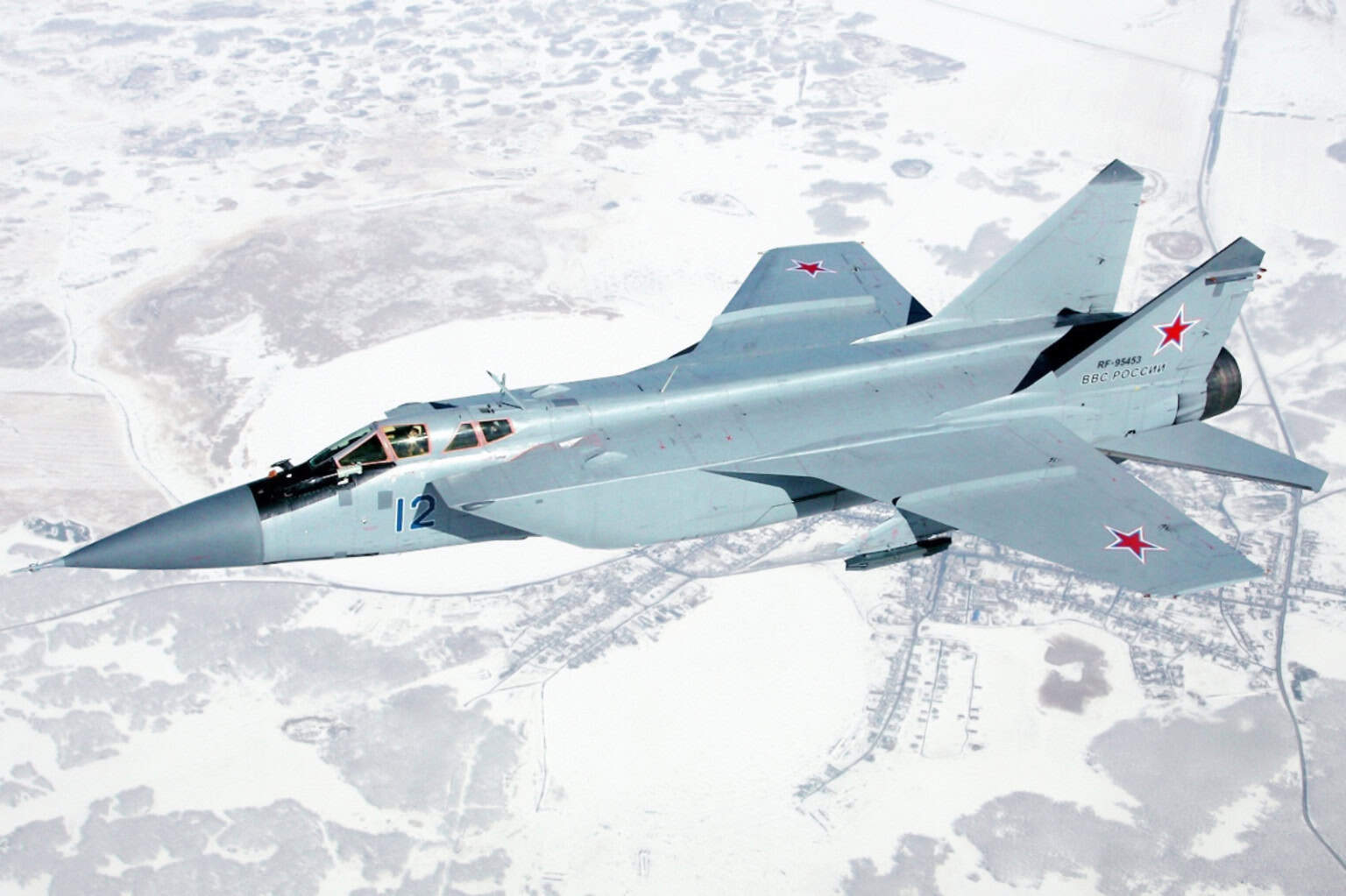
The MiG-31 Foxhound is the Soviet Union's Mach 2.8 long-range interceptor, built to kill low-flying cruise missiles and bombers, and the MiG-31E is its export version.
Updated: by Tim de Vries
The latest aviation news and stories sent to your inbox.
The MiG-31E is the export version of the MiG-31 Foxhound, a two-seat interceptor that grew out of the MiG-25 Foxbat. It flew first in 1975 and reached Soviet service in 1981, carrying one of the first phased-array radars on any fighter. Russia still flies the MiG-31 family, now as the missile carrier behind the Kinzhal.
Live Fleet Activity (MG31)
Fetching live data…
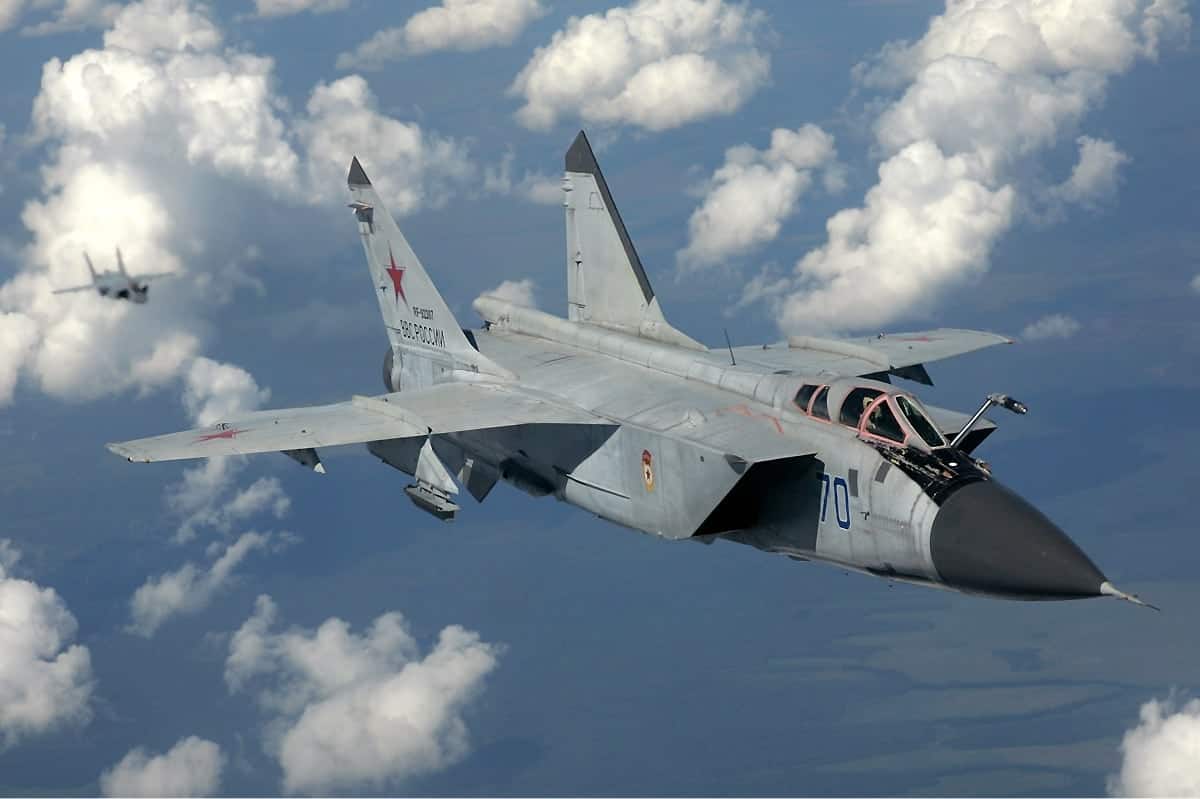
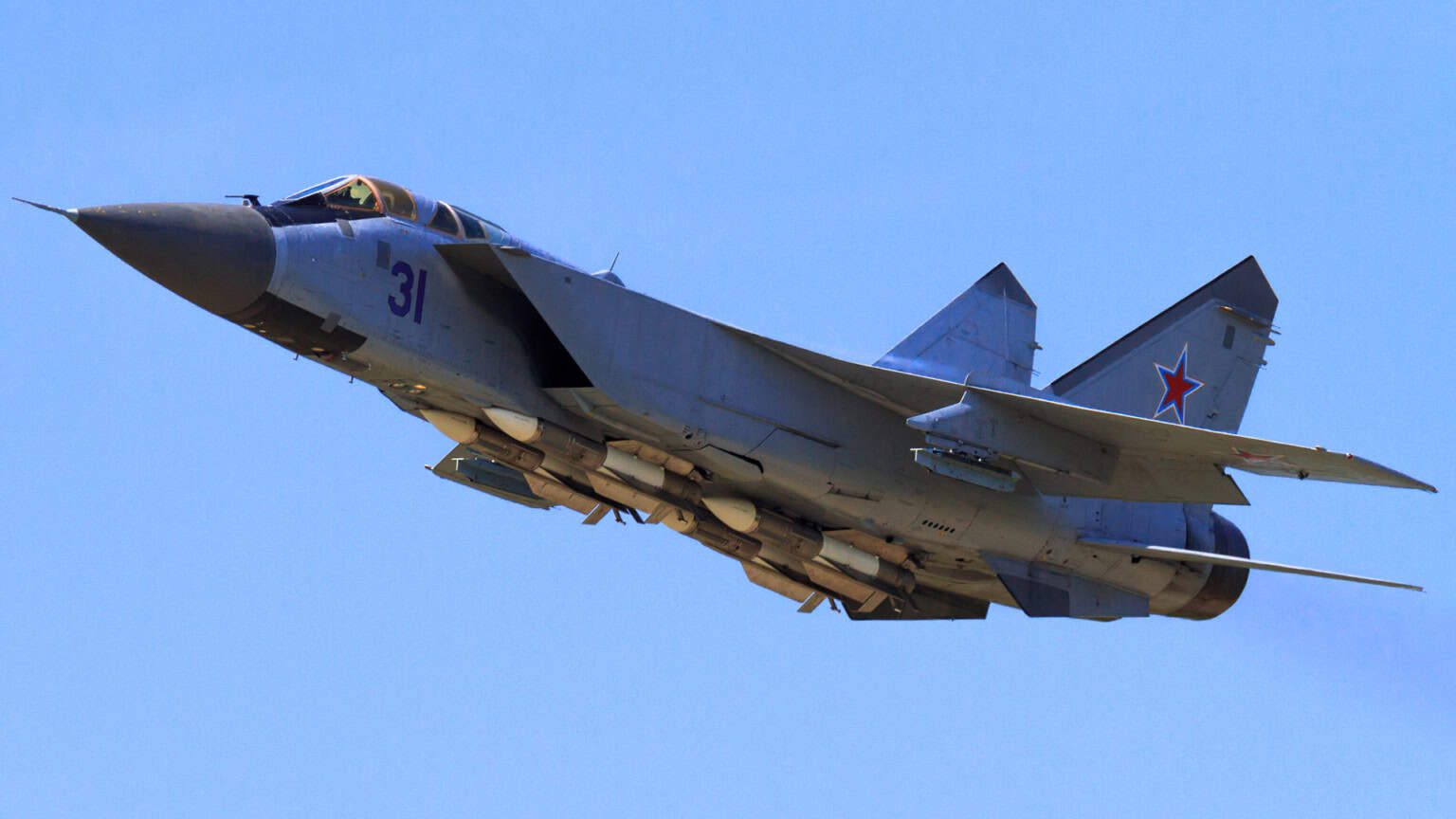


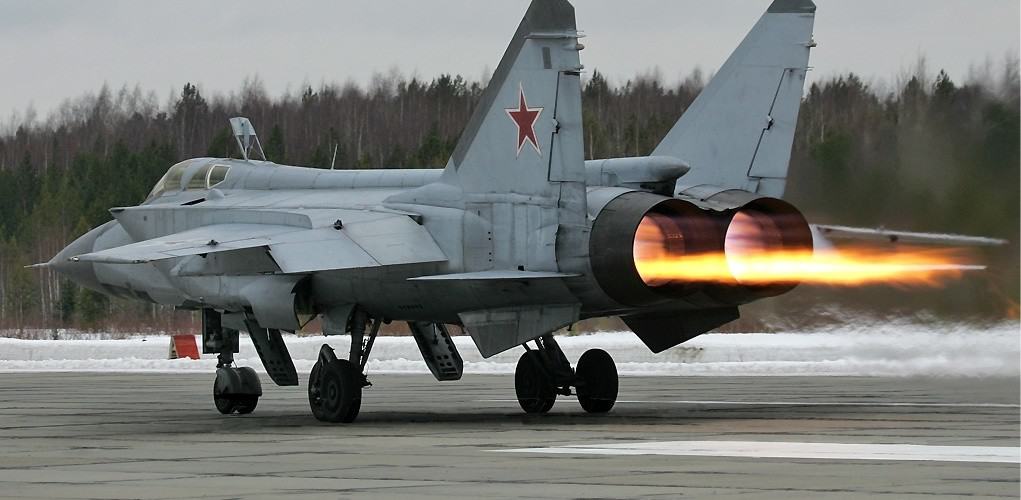


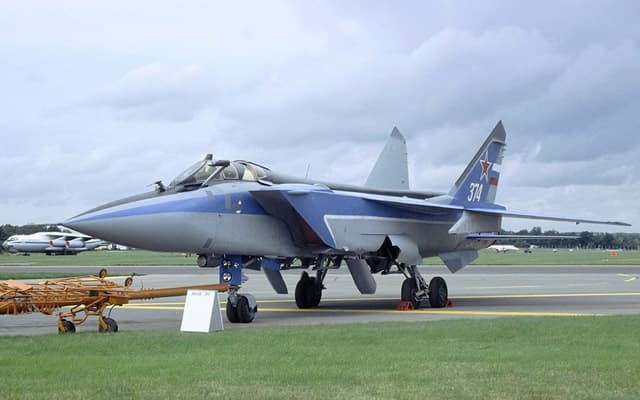
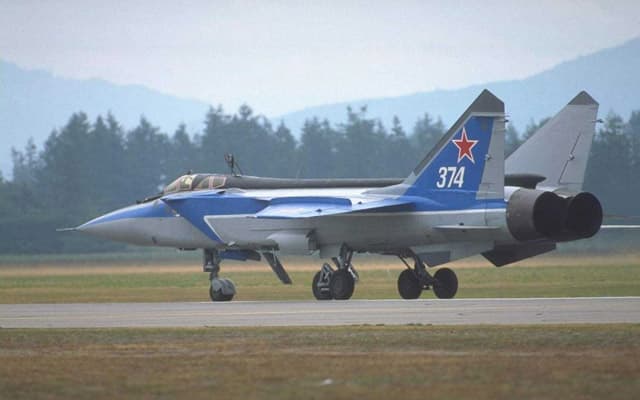
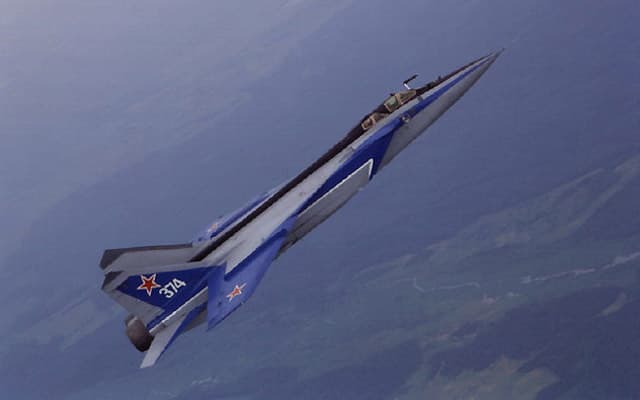
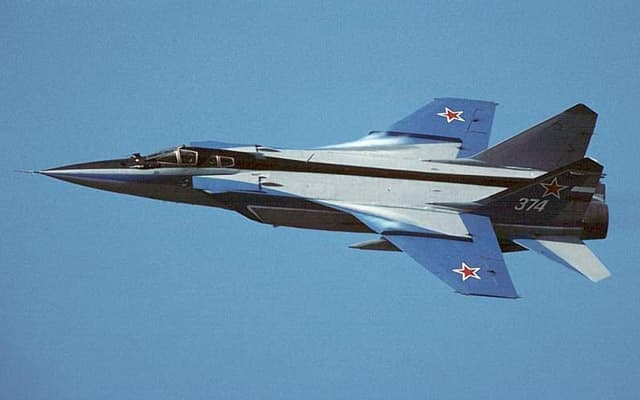
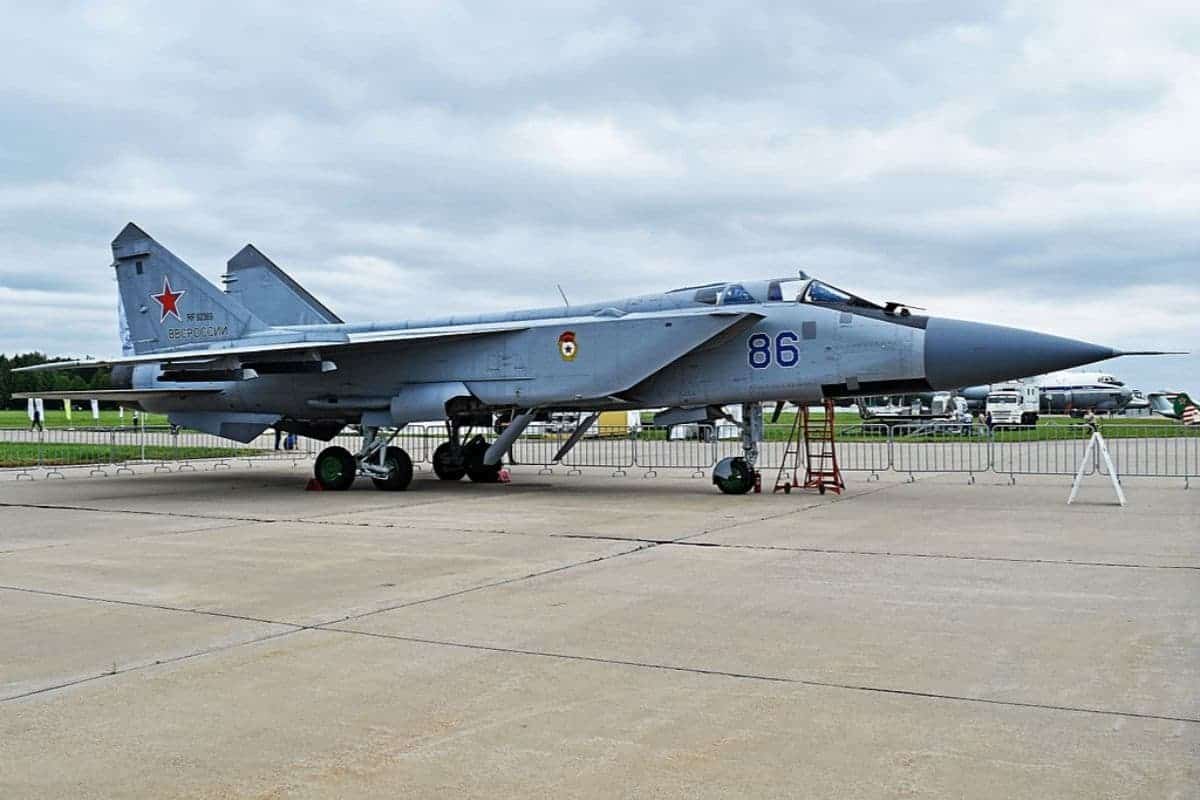
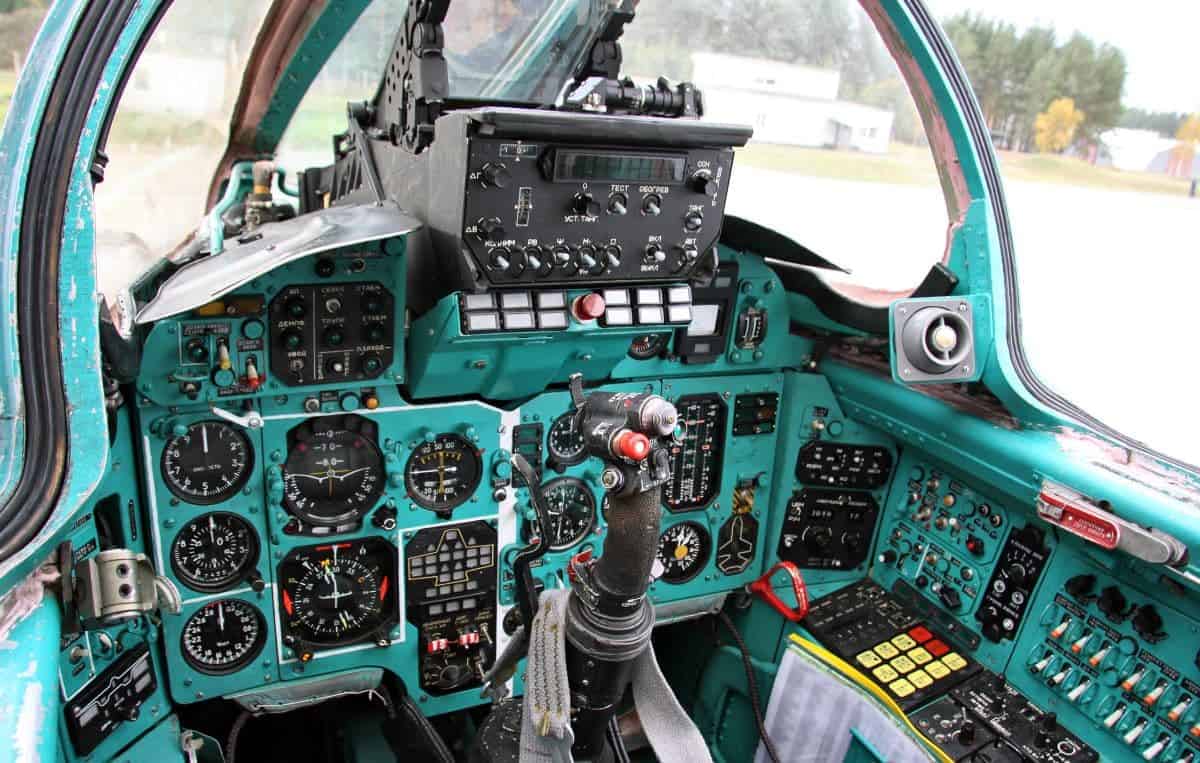
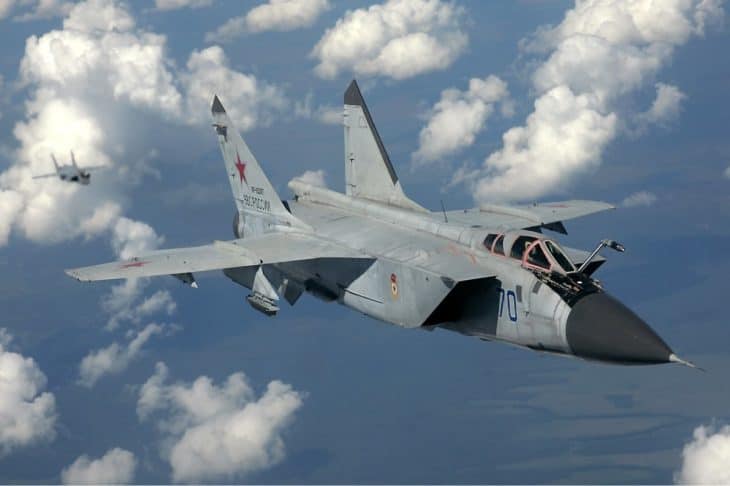
The MiG-31 Foxhound is a two-seat, twin-engine interceptor built to catch cruise missiles and bombers that the Soviet Union expected to come in low and fast. NATO gave it the reporting name Foxhound.
The MiG-31E is the export version, with simplified avionics. According to Wikipedia, it never entered serial production, and no export customer is confirmed to have taken delivery.
The Soviet design bureau first flew the prototype, the Ye-155MP, on September 16, 1975. The type entered service on May 6, 1981, and serial production began in 1979 at the Sokol plant.
The MiG-31 grew out of the single-seat MiG-25 Foxbat. The Foxbat was fast and high-flying, but it handled poorly at interception speeds and was hard to fly low.
The Foxhound has a longer fuselage, a second seat for a dedicated weapons operator, and a stronger airframe that allows supersonic flight at low altitude. Like the Foxbat, it is built largely of nickel steel, so it can take the heat of flying near Mach 3.
The West learned of it from Viktor Belenko, who defected to Japan in a MiG-25P in 1976. He described a coming “Super Foxbat” with two seats and an ability to intercept cruise missiles. Some of his details, such as MiG-23-style intakes, did not match the production jet.
Russian sources quote a top speed of Mach 2.83 at high altitude and Mach 1.23 near the ground. The cruise speed is quoted at Mach 2.35.
The limit is heat, not thrust. Wikipedia notes that the thrust-to-drag ratio would allow more than Mach 3, but the airframe and engines would suffer in routine use.
The full specification table for the aircraft is on this page. The speed rows there are stored in knots, so Mach figures here give the same performance in a different unit.
The MiG-31 was one of the first fighters with a phased-array radar. The Zaslon (RP-31) is a passive electronically scanned array that can detect a fighter-sized target at roughly 124 miles (200 km) and track up to 10 targets while attacking four.
It can look down and shoot down, which matters against cruise missiles hugging the ground. An infrared search-and-track sensor sits in a retractable fairing under the nose.
A flight of four MiG-31s can share radar data over a digital datalink. One jet can also direct other fighters with less capable avionics onto targets it has found.
Until 2000, it was the only fighter in service with a phased-array radar, according to Wikipedia. That ended when the Japanese Mitsubishi F-2 entered service with an active electronically scanned array.
The main armament is four R-33 long-range missiles, called AA-9 Amos by NATO, carried in recesses under the fuselage. Published range for the R-33 is about 75 miles (120 km), rising to about 99 miles (160 km) for the later R-33S.
Wing pylons can carry R-40, R-60, R-73 and R-77 air-to-air missiles. The MiG-31 also has a 23 mm GSh-6-23 rotary cannon with 260 rounds, which the Foxbat lacked.
Upgraded MiG-31BMs can fire the R-37M, a very long-range missile. Published range estimates run from about 174 miles (280 km) to about 249 miles (400 km), depending on the source and the target profile.
The MiG-31 is limited to 5 g at supersonic speed. It is built to hit targets from long range, not to dogfight.
The MiG-31K carries one Kh-47M2 Kinzhal air-launched ballistic missile. Wikipedia lists a range of about 1,240 miles (2,000 km), including the distance the launch aircraft flies, and a speed of Mach 10.
Carrying it meant removing equipment, including the auxiliary power unit used for air-to-air missiles. That left the MiG-31K as an attack aircraft rather than an interceptor.
Ukraine says it has intercepted Kinzhals fired from MiG-31Ks, including with Patriot batteries in May 2023. Russia’s claims about those shots differ, and the results are disputed.
Production came in batches. The first ran from the late 1970s to 1988, then 101 MiG-31DZ aircraft from 1989 to 1991, and a final 69 MiG-31B jets from 1990 to 1994.
Total production is given as roughly 500, with sources ranging from 500 to 519. Fifty of the final MiG-31B jets stayed with Kazakhstan after the Soviet Union broke up.
The main upgrade is the MiG-31BM, which began in 2010. It adds a new radar, digital cockpit displays and the ability to carry the R-77 and air-to-ground weapons. Wikipedia credits its radar with a detection range of up to 199 miles (320 km).
Russia is the main operator, through the Aerospace Forces and Naval Aviation. Wikipedia lists the Russian Defense Ministry as expecting the type to stay in service until at least 2030, after extending airframe life from 2,500 to 3,500 hours in 2020.
Kazakhstan inherited its jets and retired them in 2023, putting them up for auction. Reports that they were sold to the United States were refuted.
Export attempts failed. Syria was reported to have ordered five to eight MiG-31Es in 2007, but Russia denied it, and a later order was suspended in 2009. Iran was offered the jet in the early 1990s and again in 2001, and both deals were cancelled under U.S. pressure.
Russian MiG-31s have fired R-37M missiles at Ukrainian aircraft since 2022, mostly from high altitude and long range. Ukrainian fighters struggle to reach them, so Ukraine has gone after the jets on the ground.
Ukrainian strikes on Belbek airfield in Crimea on May 15, 2024, likely destroyed two MiG-31s. Another MiG-31 crashed on takeoff there on October 1, 2022.
On September 19, 2025, three MiG-31s entered Estonian airspace for about 12 minutes, with transponders off and no flight plan. Italian F-35s escorted them out, and Estonia requested NATO Article 4 consultations.
The type remains in Russian service, based on sources up to April 2026. The war is ongoing, so losses and deployments change.
Wikipedia calls the MiG-31 the fastest known operational combat aircraft. For more fast jets, see our ranking of the fastest fighter jets.


Yes. Russia’s Aerospace Forces and Naval Aviation still fly it, and the MiG-31K carries the Kinzhal missile. The Defense Ministry expects the type to serve until at least 2030.
Not routinely. Its published top speed is Mach 2.83, set by heat limits on the airframe and engines. Wikipedia says thrust would allow more than Mach 3, but at unacceptable risk to engine and airframe life.
Their routine top speeds are the same, Mach 2.83. The MiG-25 could reach at least Mach 3.2 with a risk of engine damage. The MiG-31 trades that for a longer range, a second crewman and a far better radar.
Not a modern long-range air-to-air missile. The R-37 is quoted at Mach 6, more than double the Foxhound’s top speed. The MiG-31’s defense is its own long-range missiles and radar.
The MiG-31E is the export version of the MiG-31B with simplified avionics. According to Wikipedia, it never entered serial production, so the Foxhounds flying today are Russian-service MiG-31 variants.
Sources and references used for research and fact-checking.