Fighter Jets
BAE Harrier II
ICAO: GR9
The Anglo-French strike aircraft built for precision attack and export success
The latest aviation news and stories sent to your inbox.
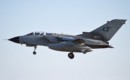
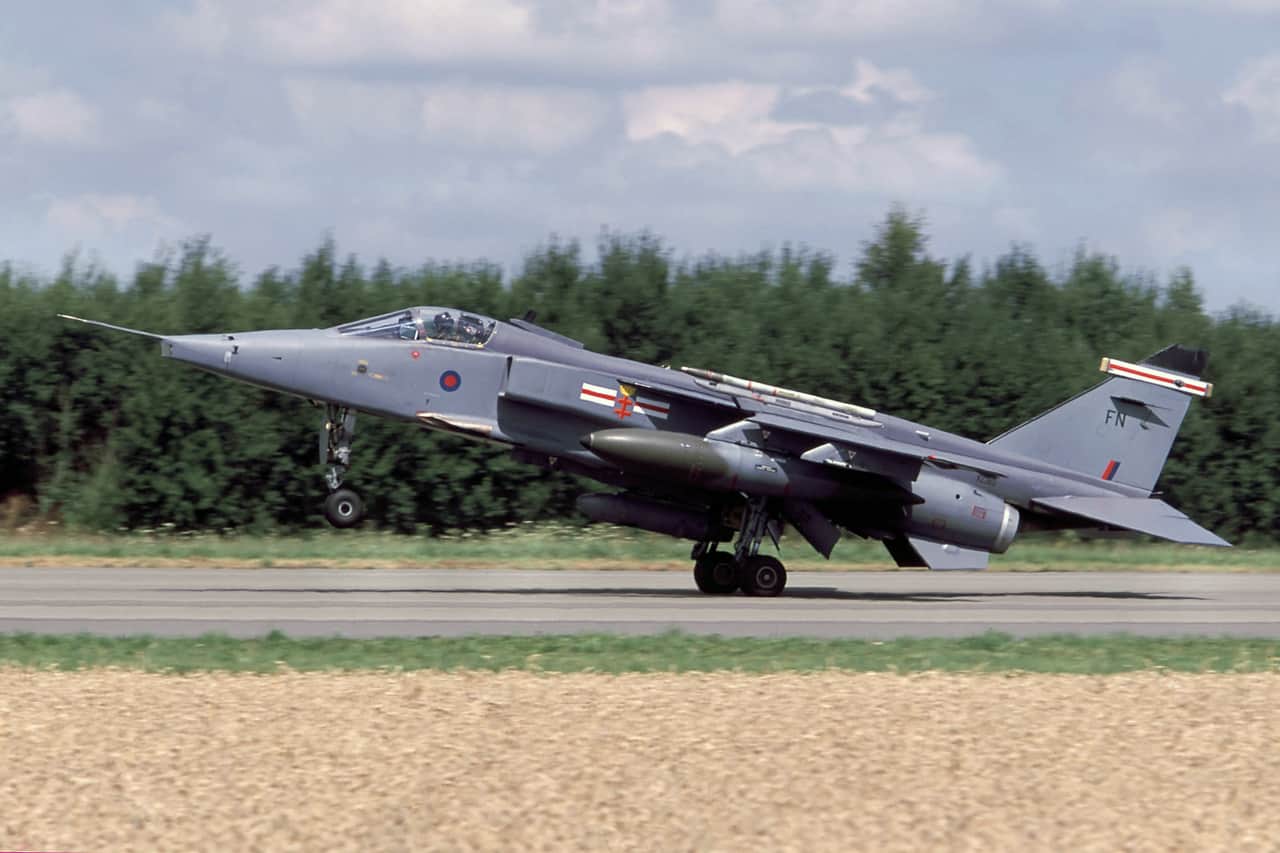
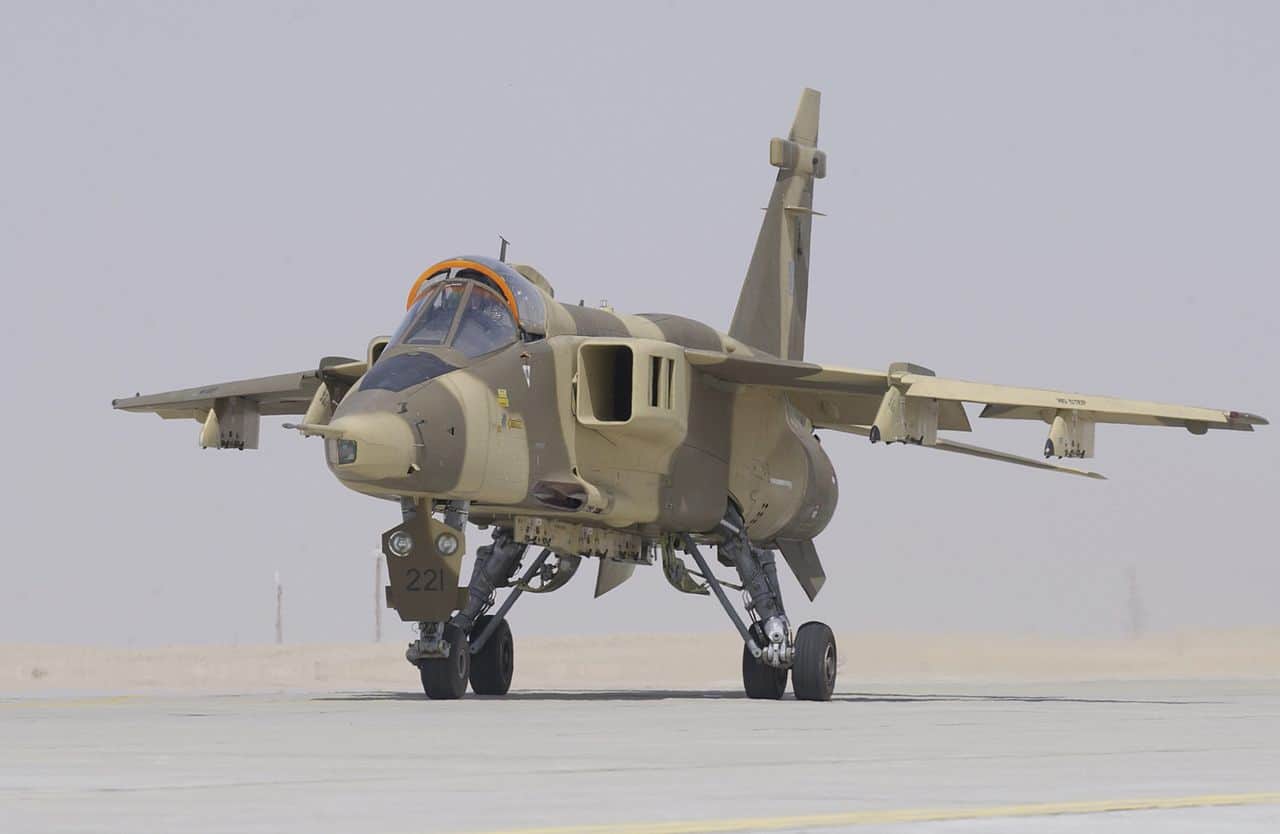
The SEPECAT Jaguar was developed as a joint British and French strike aircraft for tactical attack and reconnaissance missions. Designed for high-speed, low-level penetration, it became a key platform for several air forces. The aircraft combined simplicity, durability, and effective strike capability.
Live Fleet Activity (JAGR)
Fetching live data…


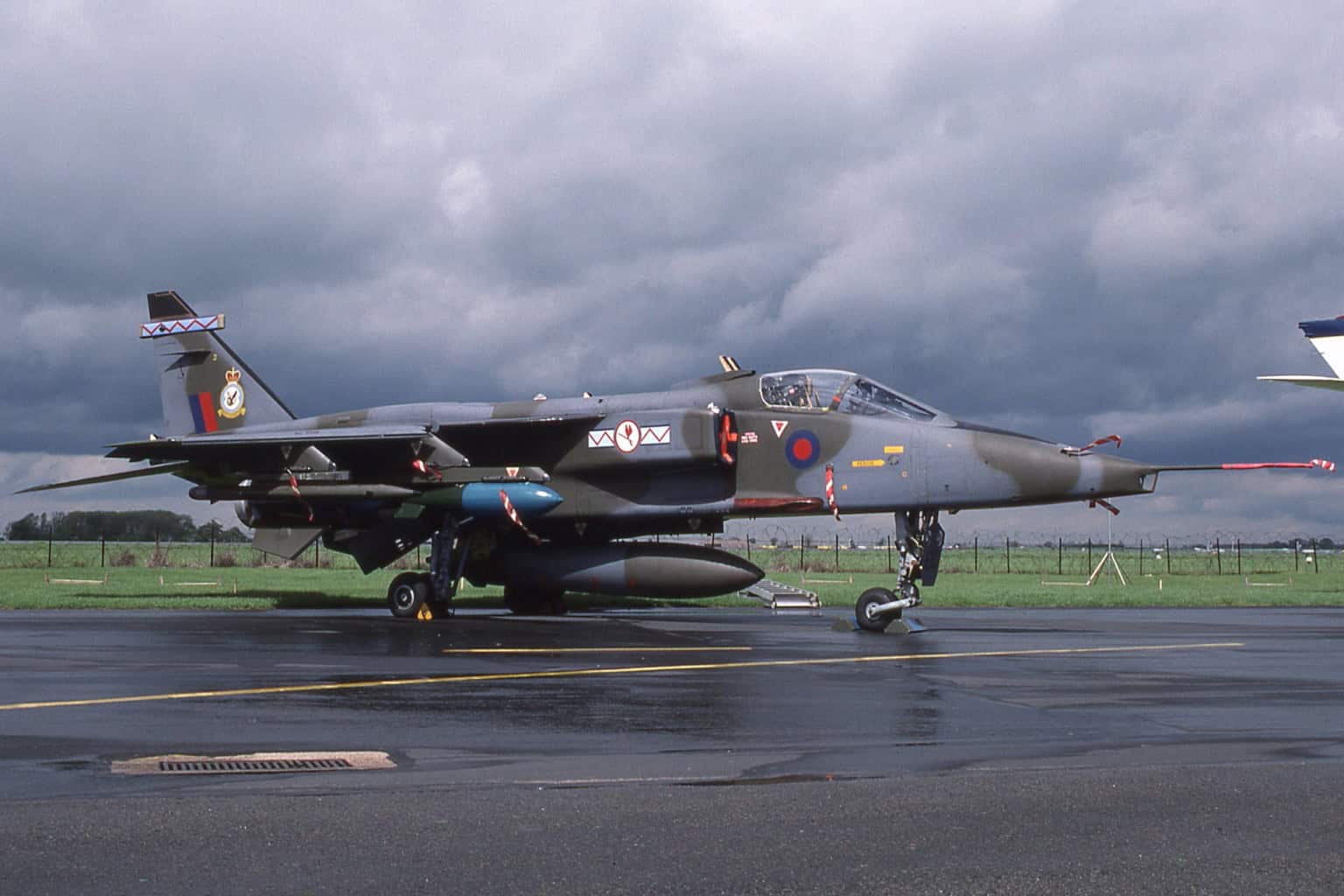

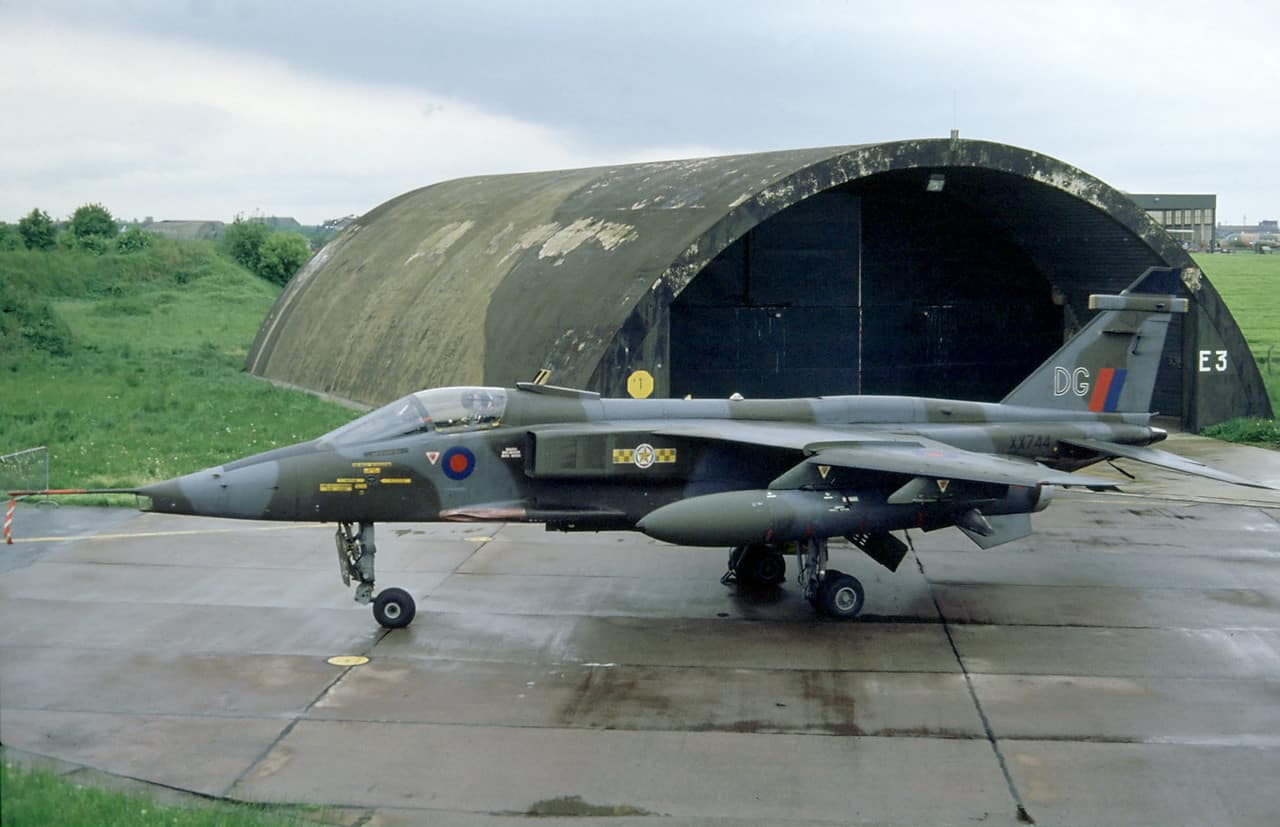


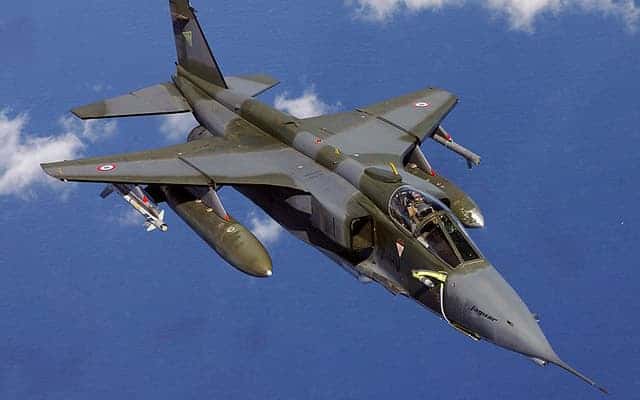
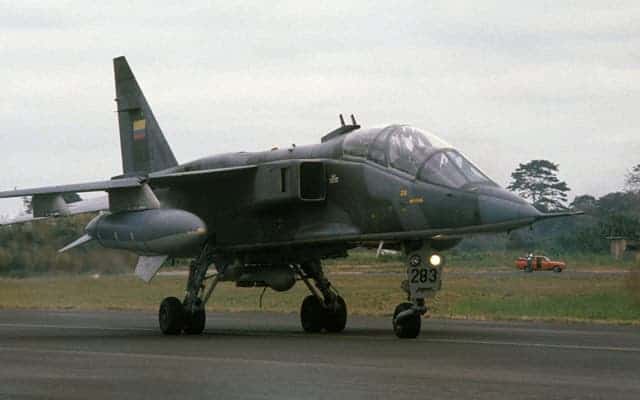
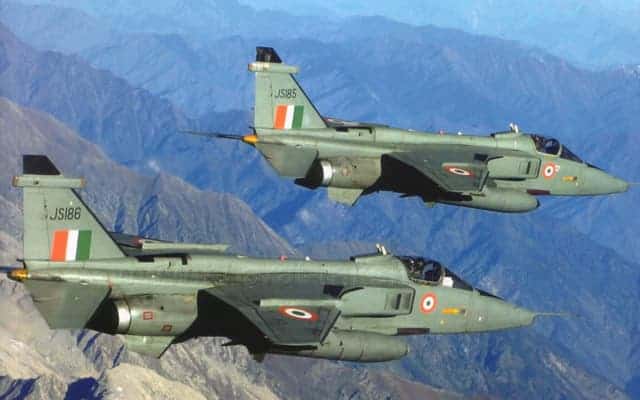
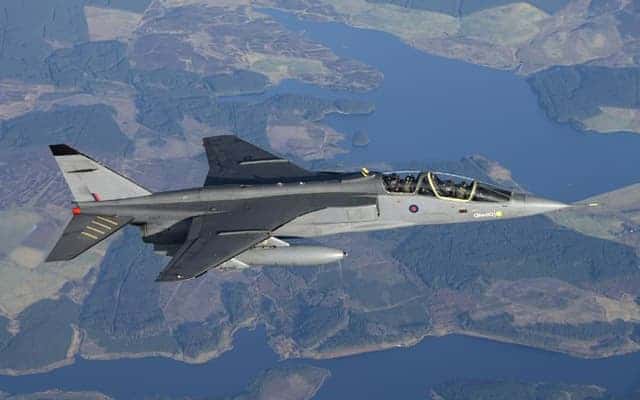
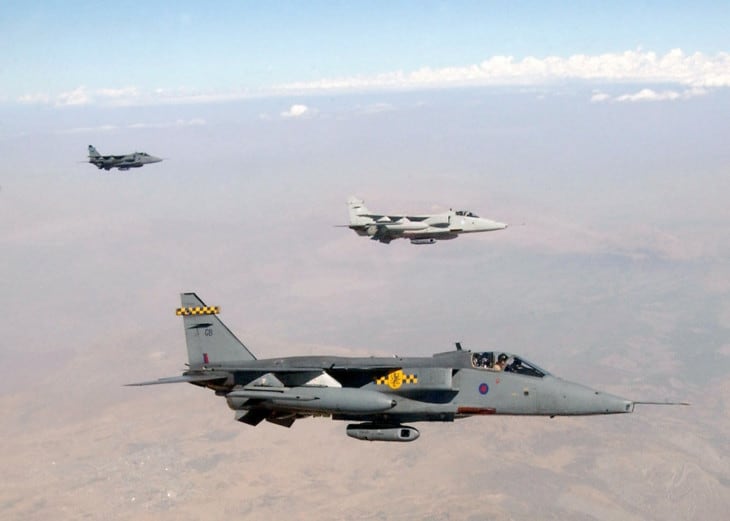
The SEPECAT Jaguar originated in the 1960s as a collaborative program between the United Kingdom and France to produce a common advanced trainer and light attack aircraft. As operational requirements evolved, the design shifted toward a dedicated strike role. The prototype first flew in 1968, and the aircraft entered service with the Royal Air Force and the French Air Force in the early 1970s.
Powered by two Rolls-Royce Turbomeca Adour turbofan engines producing roughly 8,000 pounds of thrust (36 kN) each, the Jaguar was capable of speeds up to Mach 1.6 at altitude. It had a combat radius of approximately 450 nautical miles (830 km) depending on mission profile and external stores. The aircraft featured high-mounted swept wings and robust landing gear suited for dispersed operations.
The Jaguar saw combat in the Gulf War and various regional conflicts, earning a reputation for accurate strike performance. It also achieved export success with India and other operators. Although retired by its European operators, upgraded variants continued in Indian service for decades, marking the Jaguar as a durable Cold War strike platform.
Sources and references used for research and fact-checking.