Fighter Jets
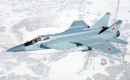
Mikoyan MIG-31E Foxhound
ICAO: MG31
The first turbojet fighter built after World War II
The latest aviation news and stories sent to your inbox.
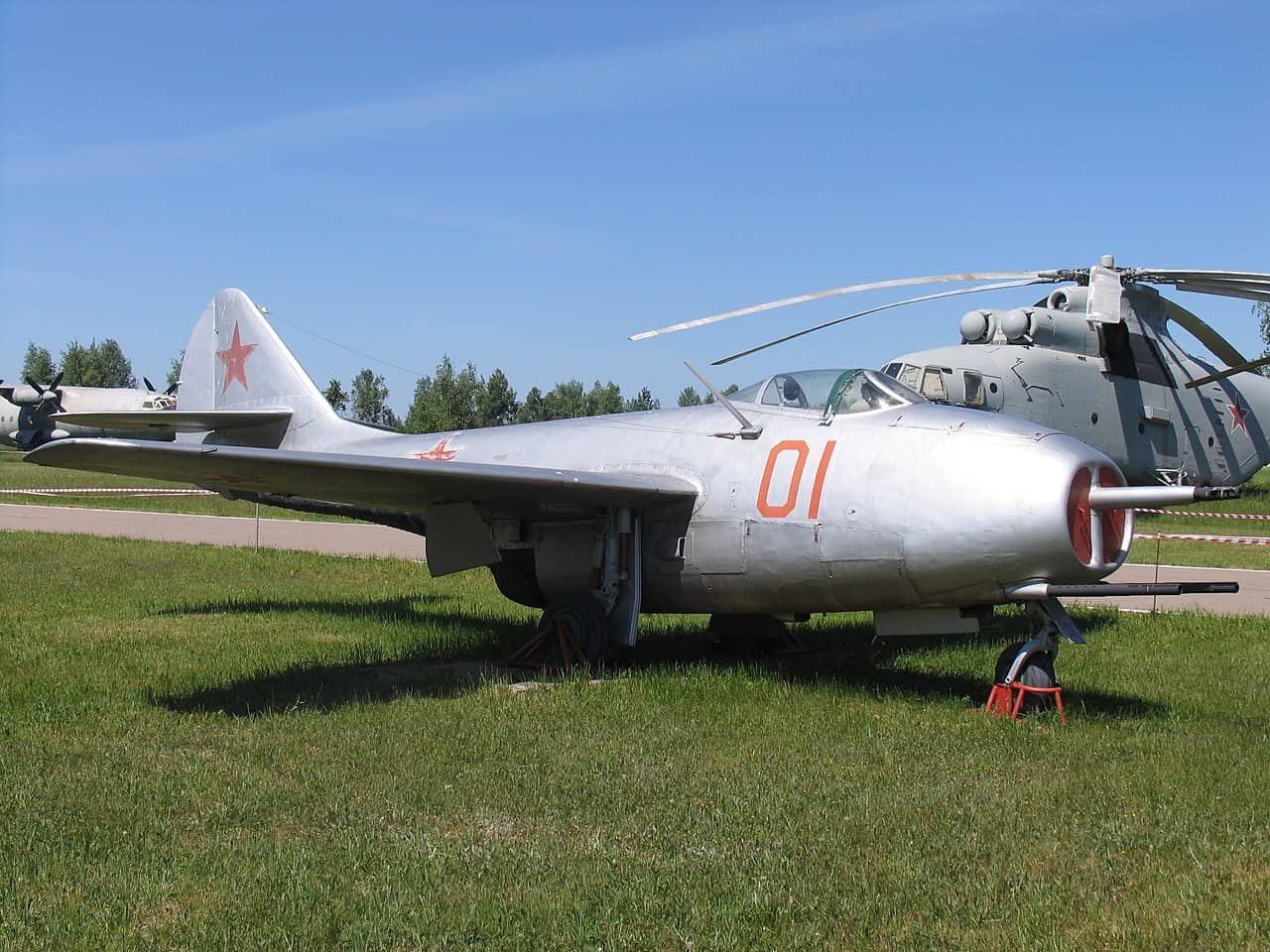
The Mikoyan MiG-9 was built and produced by Mikoyan-Gurevich from 1946 to 1948. It was a first-generation jet fighter and the first turbojet fighter developed after the Second World War.
Live Fleet Activity (MiG-9)
Fetching live data…
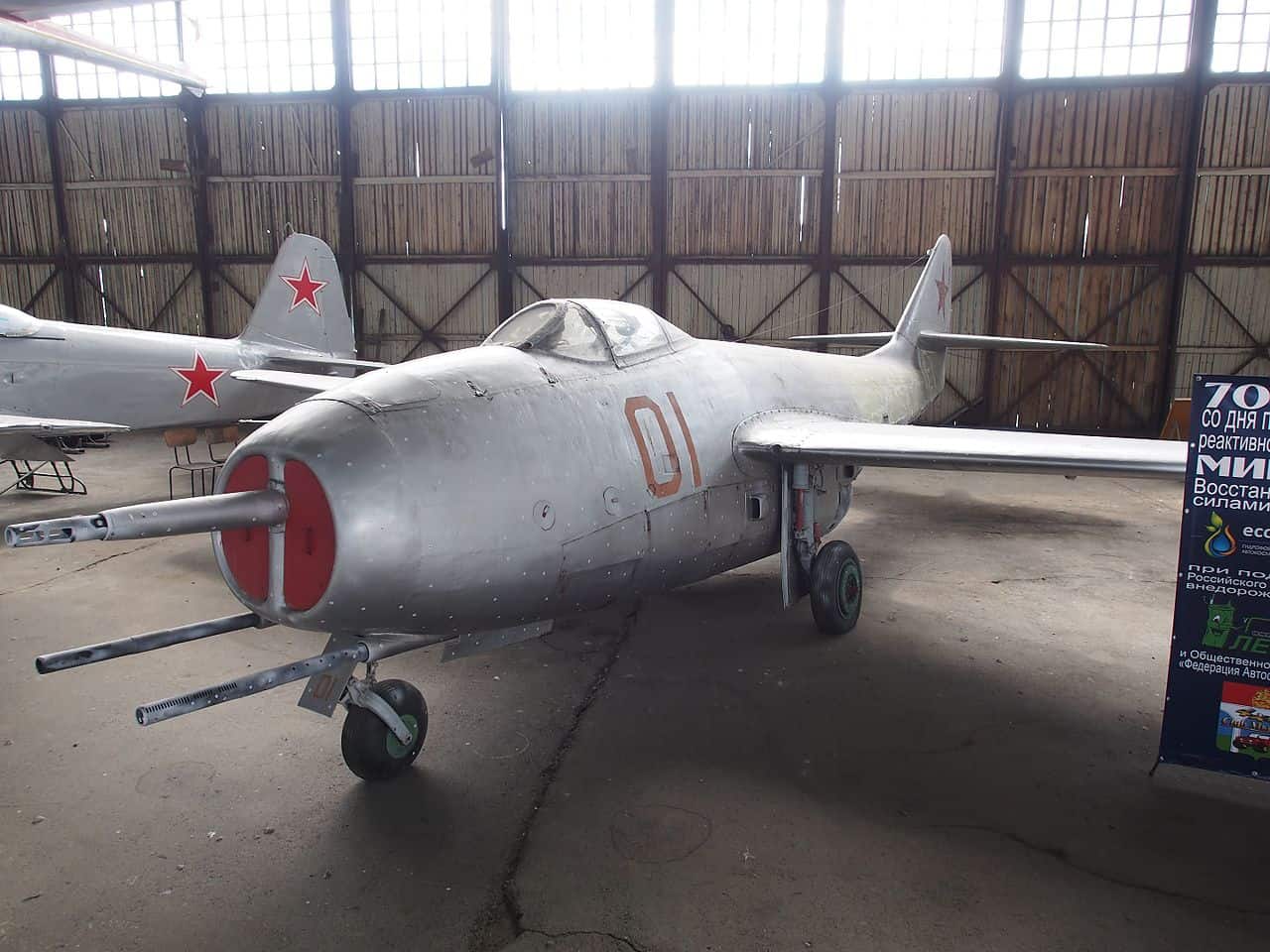

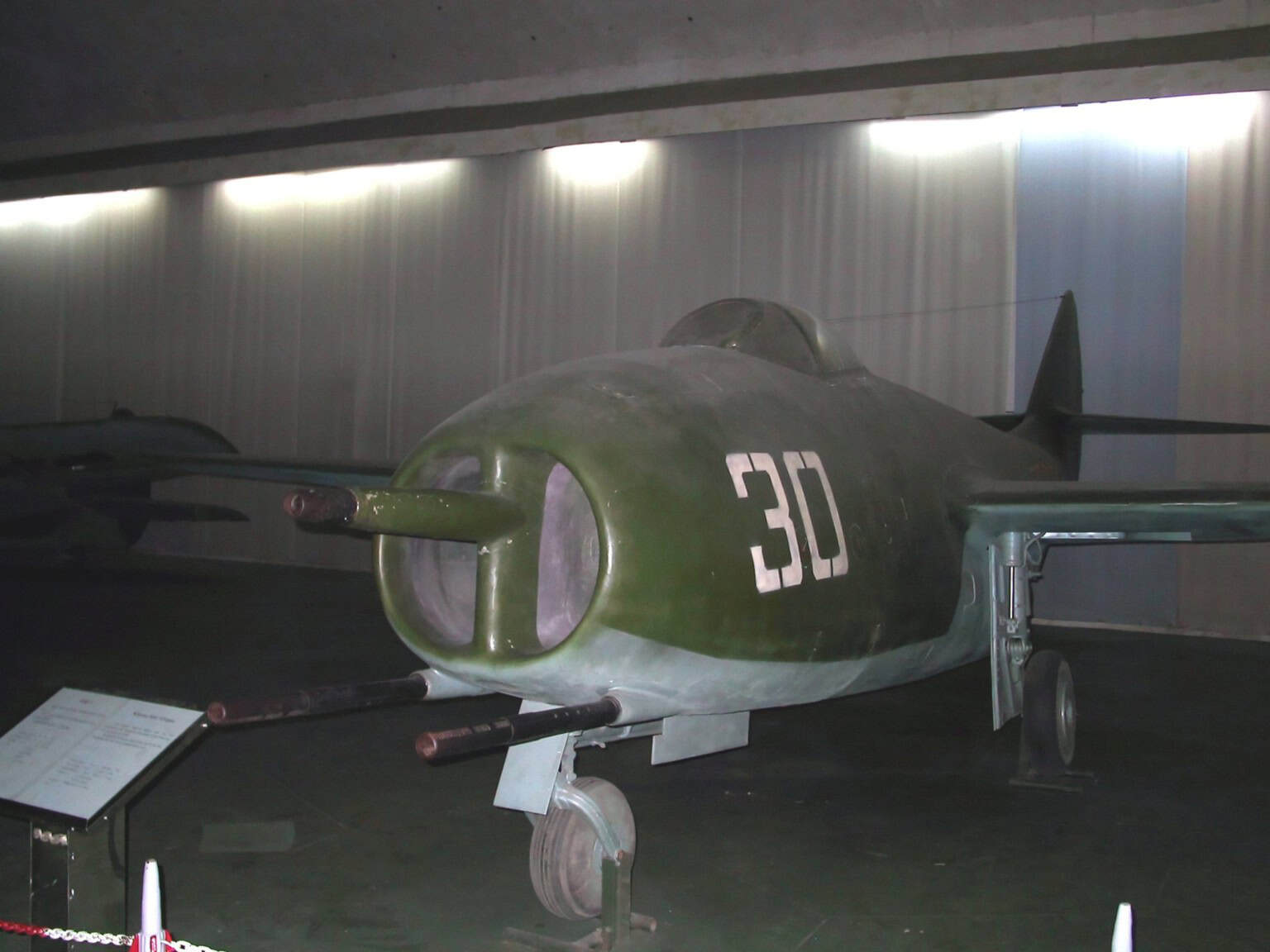

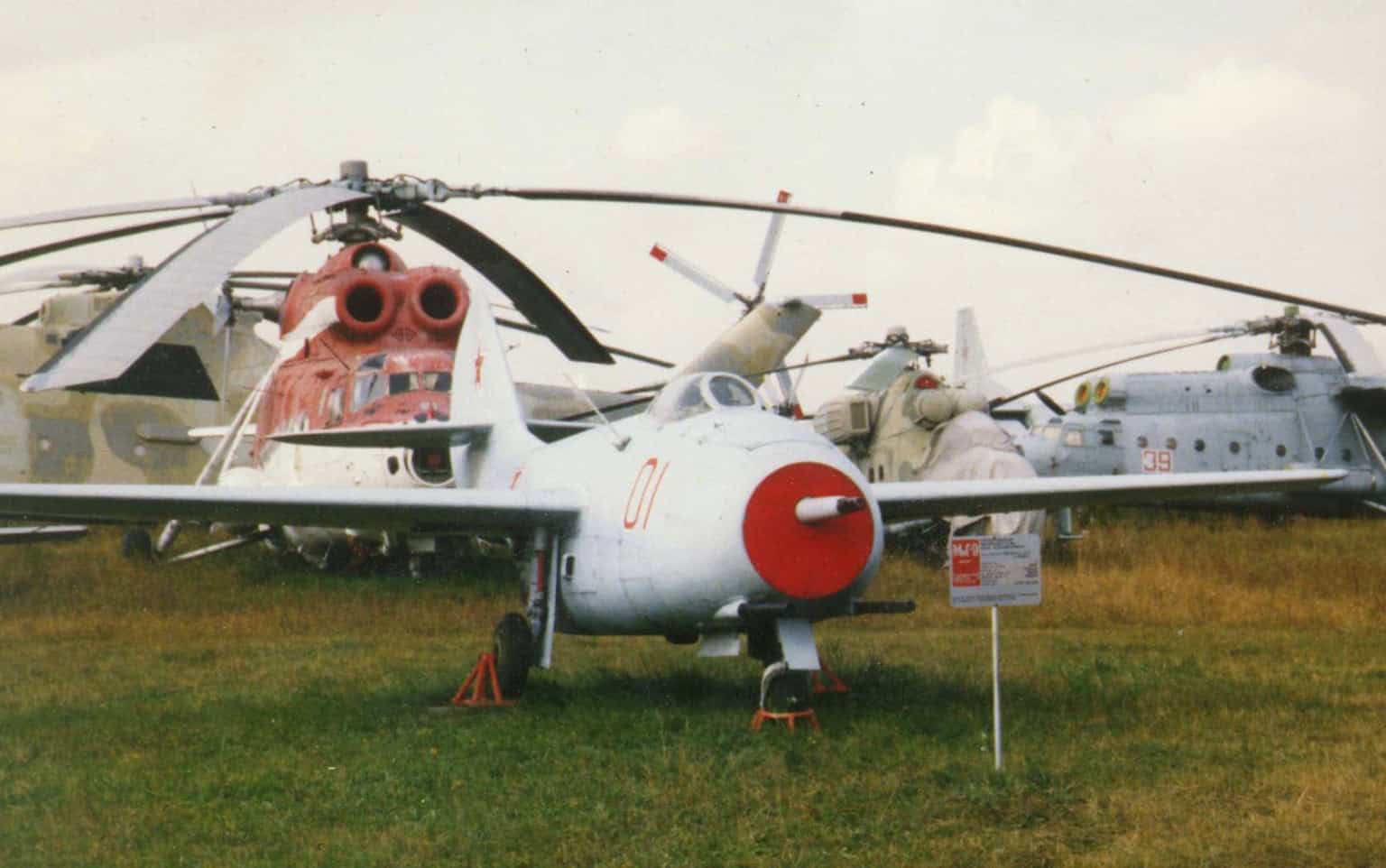


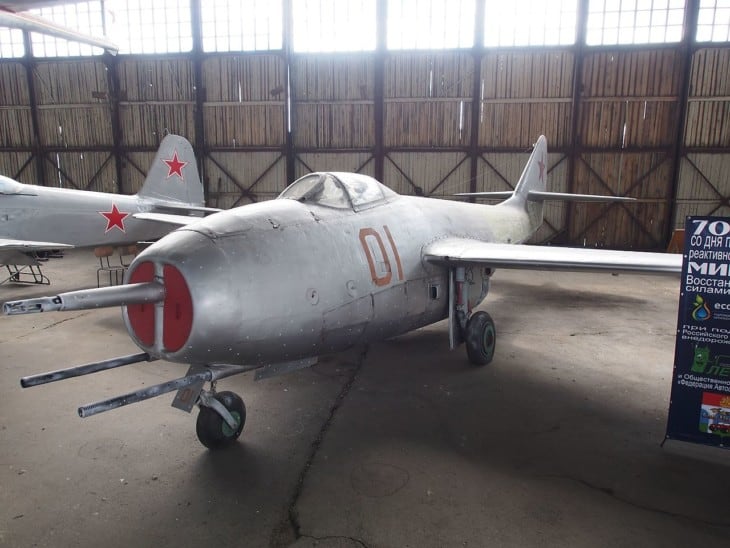
In February 1945, the Mikoyan-Gurevich Design Bureau was ordered by the Council of People’s Commissars to build a single-seater jet fighter powered by two BMW 003 engines. With intentions to knock down bombers, the desired aircraft was to be armed with 1×57 mm or 1×37 mm gun and 2×23 mm guns.
On April 24, 1946, the I-300 prototype conducted its maiden flight. In 1948, the Mikoyan MiG-9 entered service. It was operated by the Soviet Air Forces during the time, and a total of six hundred and ten MiG-9s were produced including twelve prototypes.
In 1950, not less than three hundred and seventy-two were brought to the People’s Liberation Army Air Force to be in service with PLAAF and protect cities in China in opposition to attacks from the Nationalist Chinese and also to upskill their pilots in operating jet fighters. Afterward, it was immediately succeeded by the MiG-15.
The MiG-9 has an exterior length of 9.75 meters and an exterior height of 2.1 meters. The tail height is 3.2 meters and the fuselage diameter is 1.4 meters. It has a wingspan of 10 meters, a wing area of 18.2 square meters, and a wheelbase of 2.8 meters. The empty weight is 3,283 kg, the gross weight is 4,860 kg, and the maximum payload is 1,500 kg. It has a fuel capacity of 429 US gal.
The aircraft is powered by two RD-20 axial-flow turbojet engines with a seven-stage axial compressor, an annular combustor, a single-stage axial turbine, and a pressure feed oil system. Each engine produces a maximum thrust of 1,754 lbf.
The MiG-9 has a maximum speed of 467 knots at sea level and 490 knots at 14,764 feet and a never exceed speed of 570 knots. It has a travel range of 430 nautical miles, a service ceiling of 43,000 feet, and a rate of climb of 4,300 feet per minute.
The aircraft is armed with a single 37mm Nudelman N-37 autocannon extending from nose intake divider and two 23mm Nudelman-Suranov NS-23 autocannon extending from undersides of nose intake.
Sources and references used for research and fact-checking.