Military Aircraft
The latest aviation news and stories sent to your inbox.
The Mikoyan MiG-AT was developed as a new-generation jet trainer for modern military pilot instruction. Designed in collaboration with foreign partners, it aimed to replace older training aircraft. The program faced competition and limited production.
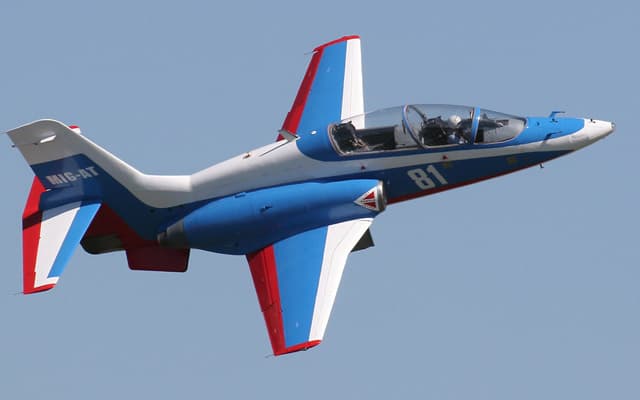
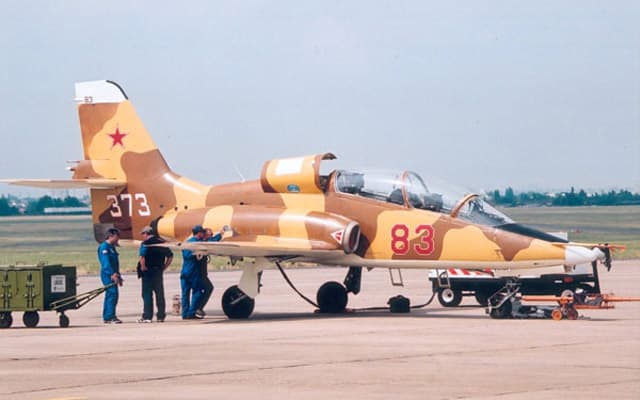
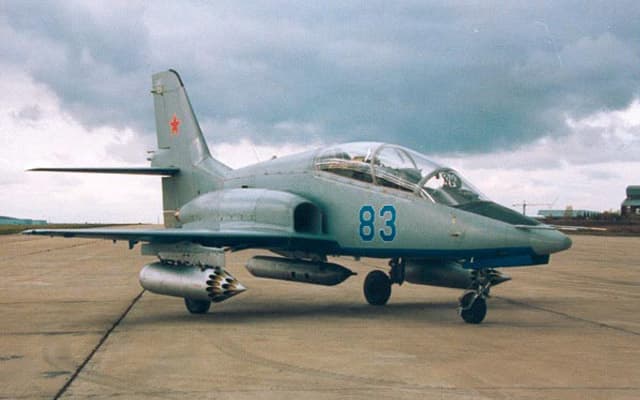

The MiG-AT program began in the early 1990s as Russia sought to modernize its pilot training fleet. Developed in cooperation with French industry, the aircraft incorporated Western avionics and engines. It first flew in 1996 during a period of economic difficulty for the Russian aerospace sector.
Powered by two turbofan engines in the 2,500 to 3,000 pound thrust (11 to 13 kN) class, the MiG-AT was projected to cruise at approximately 430 knots (800 km/h). Maximum takeoff weight was around 11,000 pounds (5,000 kg). The tandem cockpit was equipped with modern training instrumentation.
The aircraft competed against the Yak-130 in Russia’s advanced trainer program but was not selected for large-scale production. Although only limited prototypes were built, the MiG-AT represents an important attempt to modernize Russia’s training aircraft portfolio in the post-Soviet era.