Military Aircraft
The experimental fighter built to explore Russia’s fifth-generation ambitions.
The latest aviation news and stories sent to your inbox.
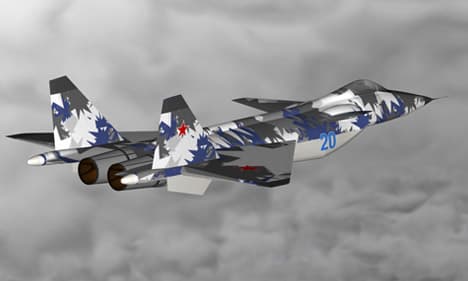
The Mikoyan 1.44, sometimes associated with the MiG-39 or MFI designation, was a prototype developed to demonstrate advanced fighter concepts. Conceived as a response to emerging fifth-generation aircraft, it incorporated stealth shaping and high-performance aerodynamics. The program produced a single flying prototype before cancellation.

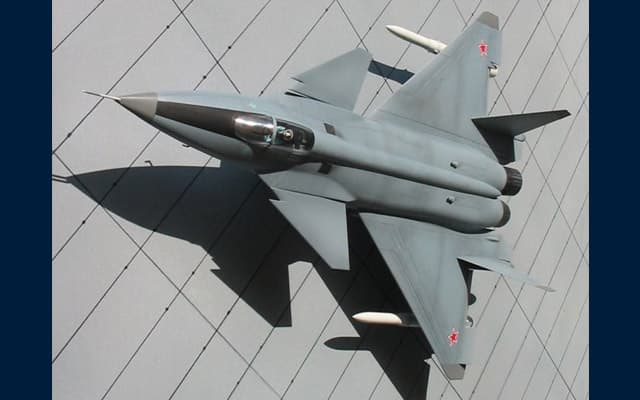

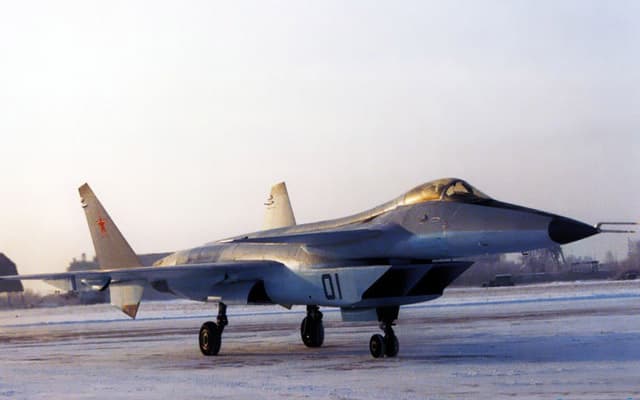
The MFI, or Multifunctional Frontline Fighter, program began in the 1980s to develop a next-generation Soviet air superiority aircraft. Following delays caused by economic constraints, the 1.44 prototype first flew in 2000. The aircraft featured a canard-delta configuration and blended fuselage surfaces intended to enhance maneuverability and reduce radar signature.
Projected powerplants included advanced turbofan engines in the 30,000 pound thrust (130 kN) class with afterburner. Maximum takeoff weight was estimated at over 60,000 pounds (27,200 kg). The design aimed for speeds exceeding Mach 2 and advanced avionics integration.
The program was ultimately canceled in the early 2000s due to funding limitations and shifting defense priorities. Although it did not enter production, the 1.44 contributed to research influencing later Russian fighter development. It remains an important experimental milestone in post-Soviet aerospace history.