Fighter Jets
Largest and heaviest Soviet interceptor aircraft introduced in the mid-1960s
The latest aviation news and stories sent to your inbox.
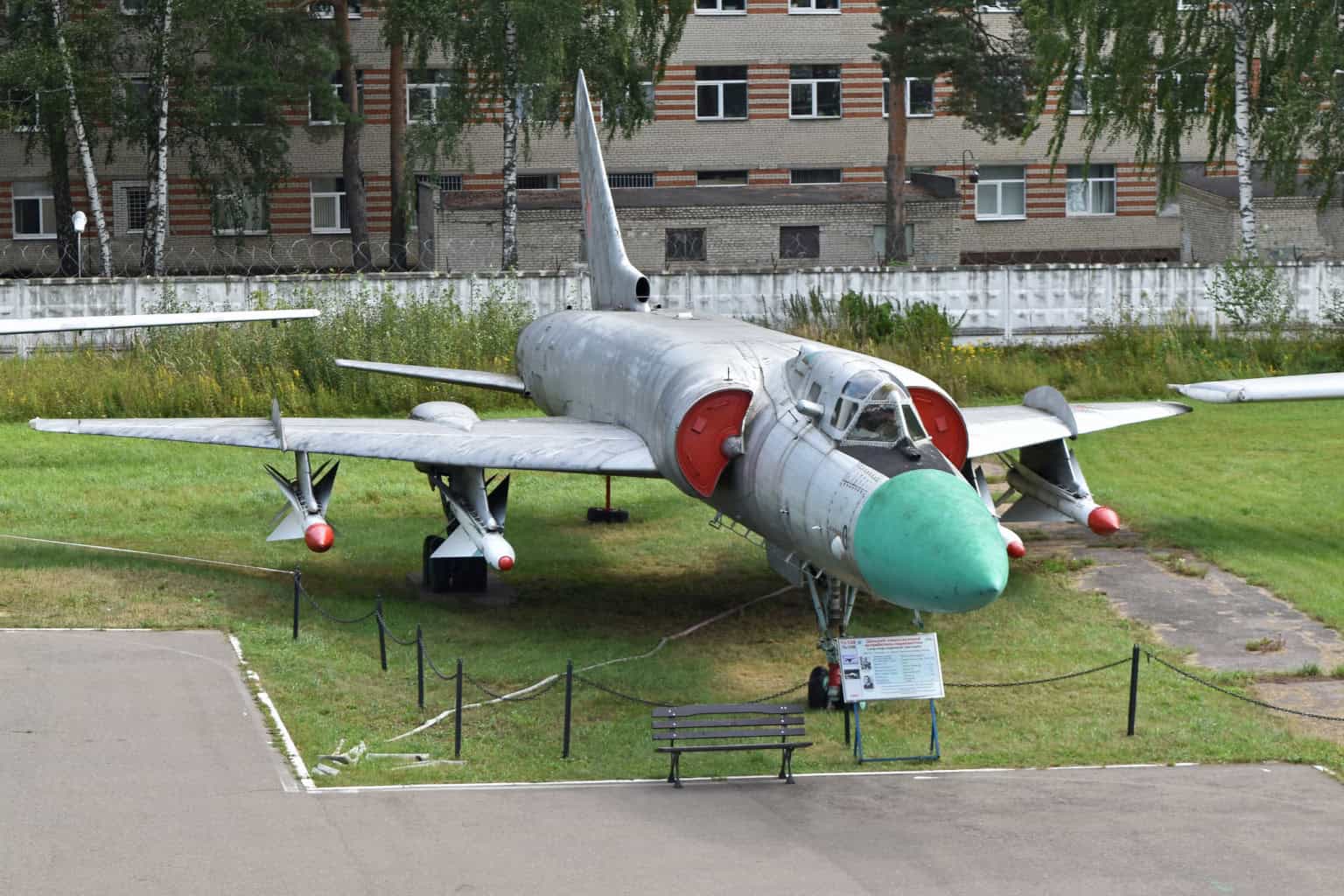
The Tupolev Tu-28 was a Soviet long-range interceptor aircraft designed by Tupolev and introduced in the mid-1960s. It was officially designated as Tu-128 and performed its maiden flight in March 1961. The Tu-128 was the largest, as well as the heaviest fighter in service, assuming that the definition of fighter includes an interceptor aircraft. The aircraft was retired in 1990.
Live Fleet Activity (TU28)
Fetching live data…
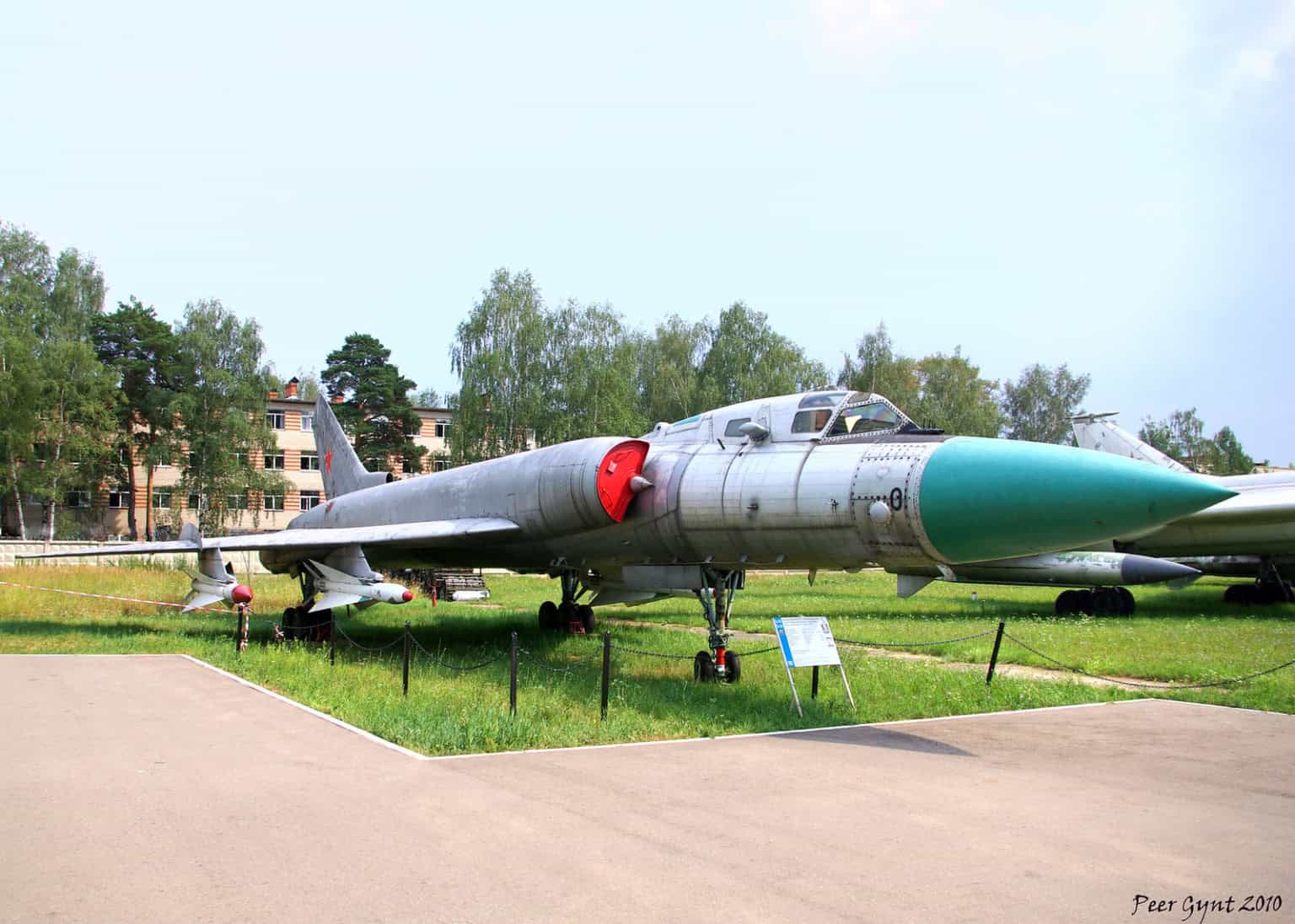


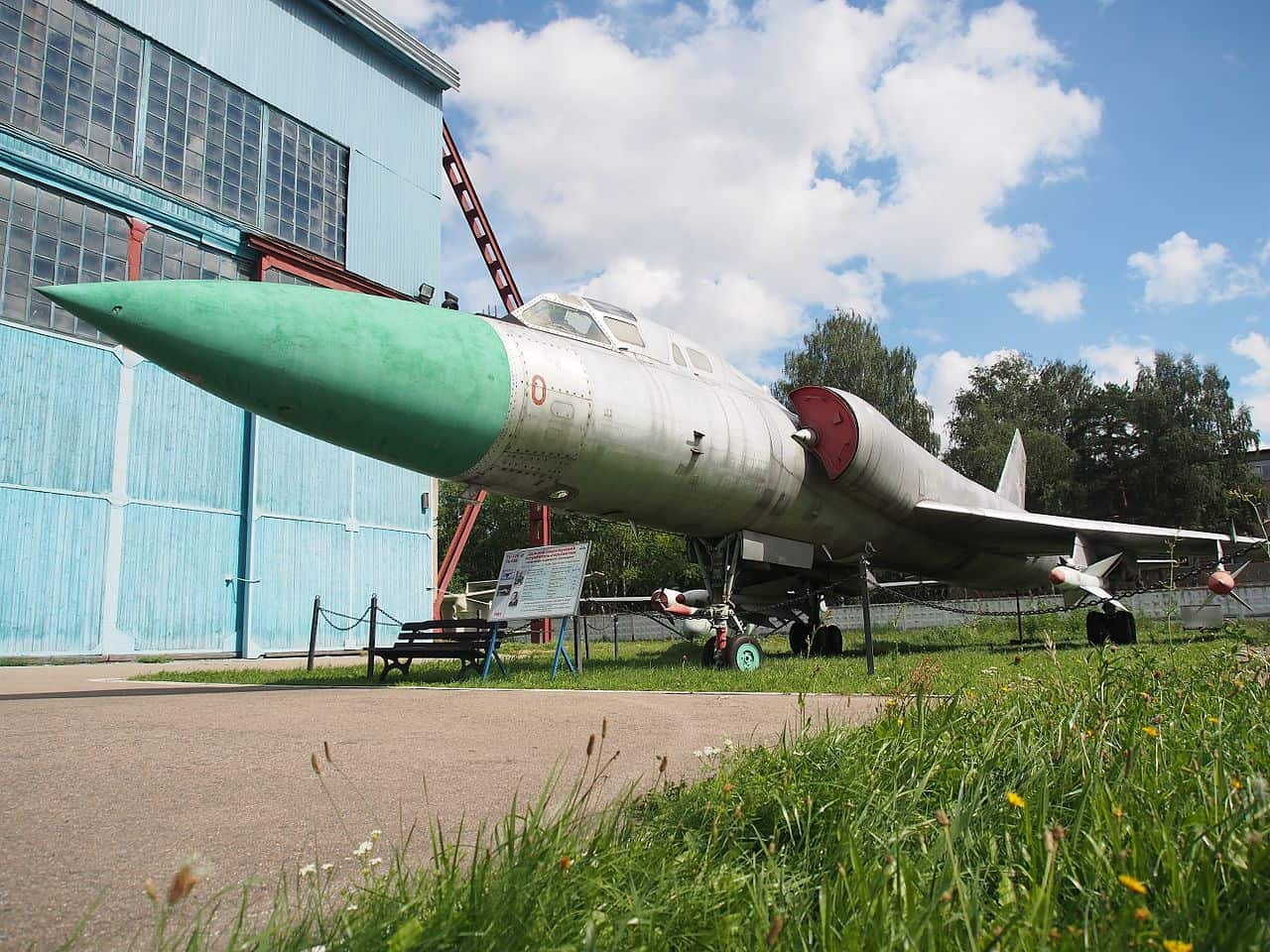

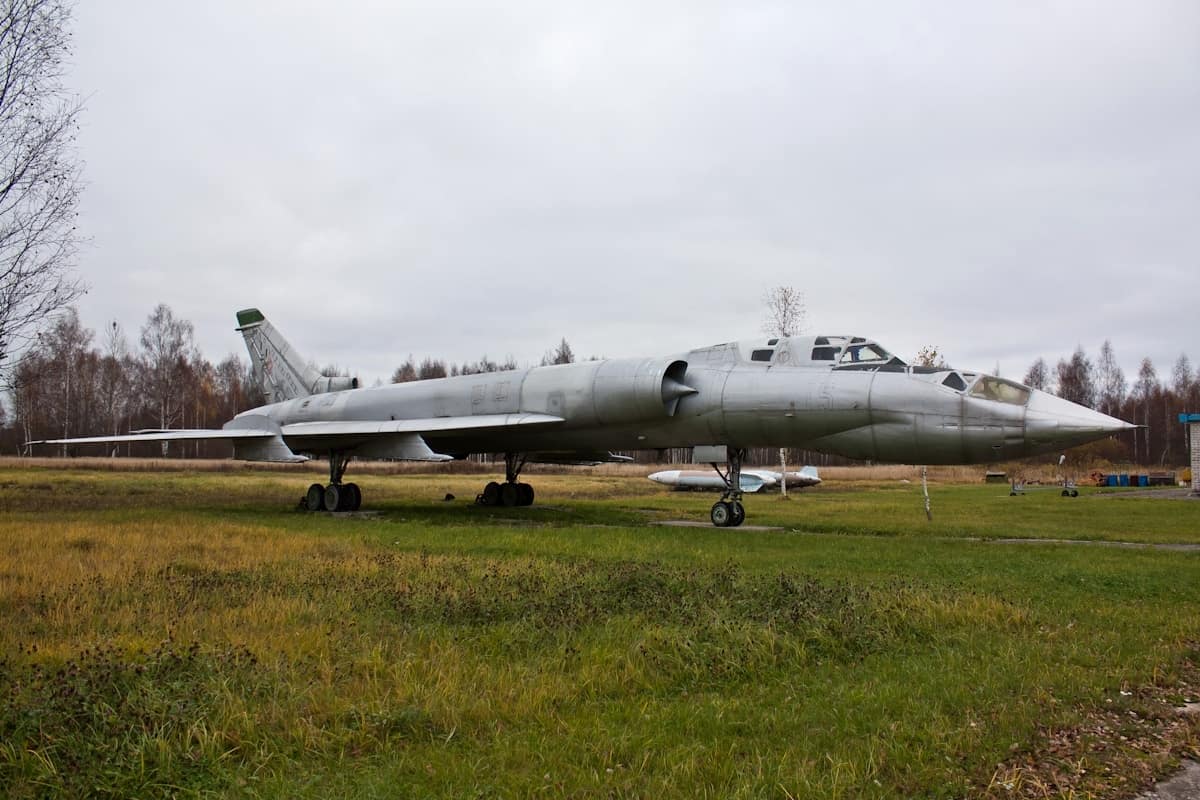
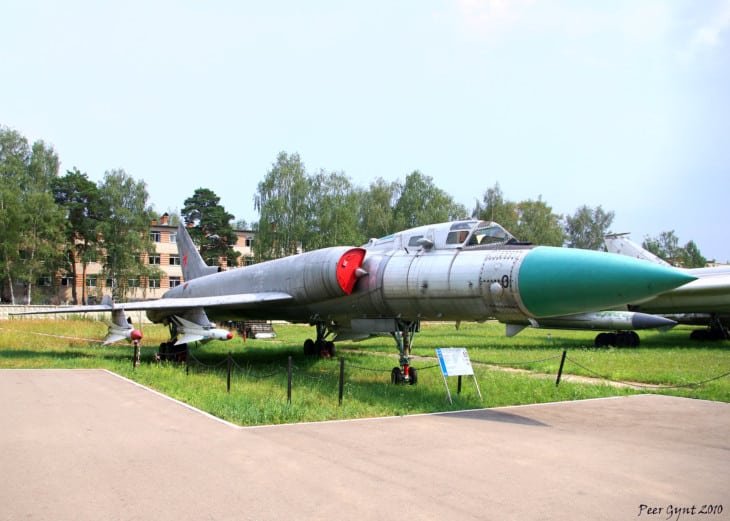
The Tupolev Design Bureau led by Iosif Nezval began to develop a new interceptor aircraft in 1958. It was derived from an existing single prototype of the Tu-98 swept-wing jet bomber. On March 18, 1961, it took to the air for the first time. The aircraft has an initial military destination of Tu-28 before it was redesignated as the Tu-128 in 1963. It was primarily used by the Soviet Air Defence Forces and was retired in 1990.
The Tu-28 can accommodate two crew members; a pilot and a navigator in a tandem configuration. It has an exterior length of 30.06 meters, an exterior height of 3.8 meters, and a fuselage width of 1.7 meters. The wide, low, and mid-mounted swept wing has a wingspan of 17.53 meters and a wing area of 96.94 square meters.
The wing carries the main undercarriage and has a wheelbase of 10.9 meters. It has a tail height of 7.15 meters. The aircraft has an empty weight of 24,500 kg, a gross weight of 40,000 kg, and a maximum payload of 1,900 kg. The maximum takeoff weight ranges from 43,000 to 43,700 kg. The estimated maximum fuel capacity is 13,600 kg.
The Tu-28 interceptor is powered by two Lyulka AL-7F-2 afterburning turbojet engines mounted in the fuselage. It has a supersonic airflow through a single-spool nine-stage axial compressor, annular combustors, and two-stage axial turbine.
Each engine produces a 16,400 lbf of dry thrust and 22,300 lbf with afterburner. The aircraft has a maximum speed of 899 knots when armed and 1,042 knots when unarmed. It has a travel range of 840 nautical miles. It has a service ceiling of 51,200 feet and an absolute ceiling of 65,617 feet. The rate of climb is 25,000 feet per minute.
The aircraft is fitted with four hardpoints and four Bisnovat R-4 long-range air-to-air missiles; usually two radar-guided R-4R and two infrared-homing R-4T.
Sources and references used for research and fact-checking.