Fighter Jets
NAA F-86 Sabre
ICAO: F86
Carrier fighter retired in the late 1960s
The latest aviation news and stories sent to your inbox.
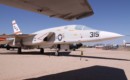
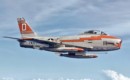
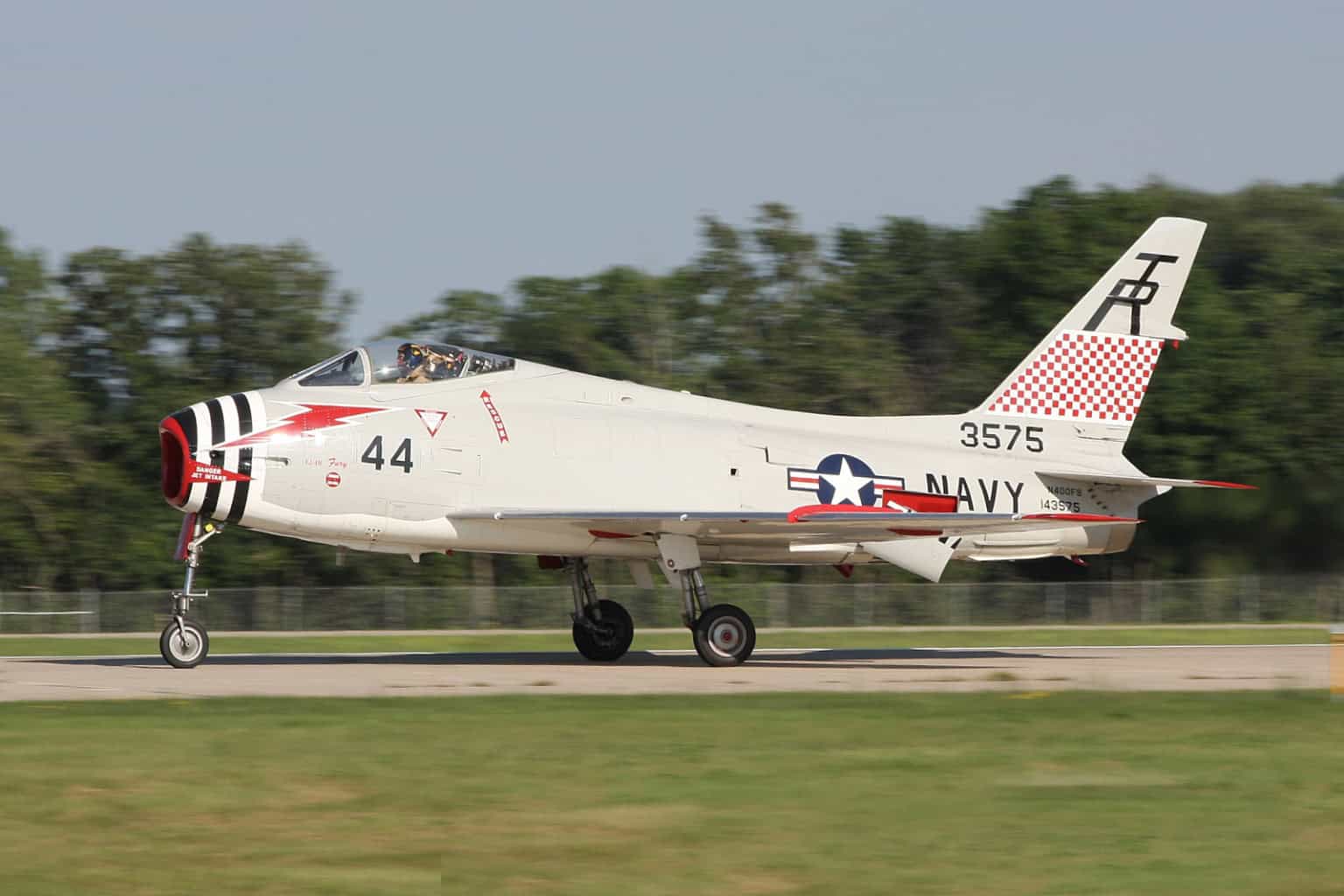
The North American FJ-4 Fury was manufactured by the North American Aviation as a carrier-capable fighter aircraft intended for the United States Navy and United States Marine Corps. It was developed from the FJ-2/-3 Fury and first flew in October 1954. The aircraft was retired in the late 1960s with a total number of 374 FJ-4s built.
Live Fleet Activity (FJ4)
Fetching live data…
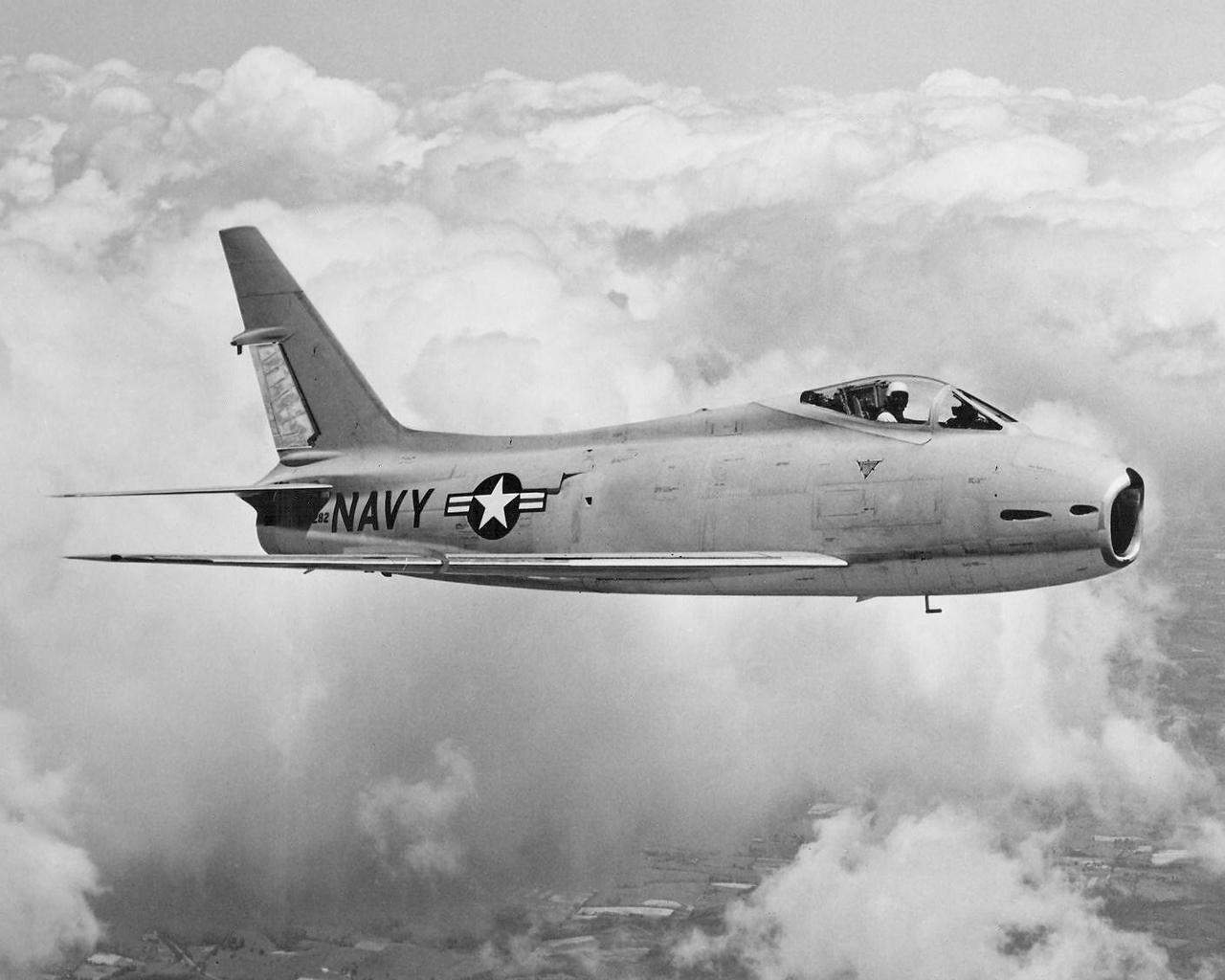


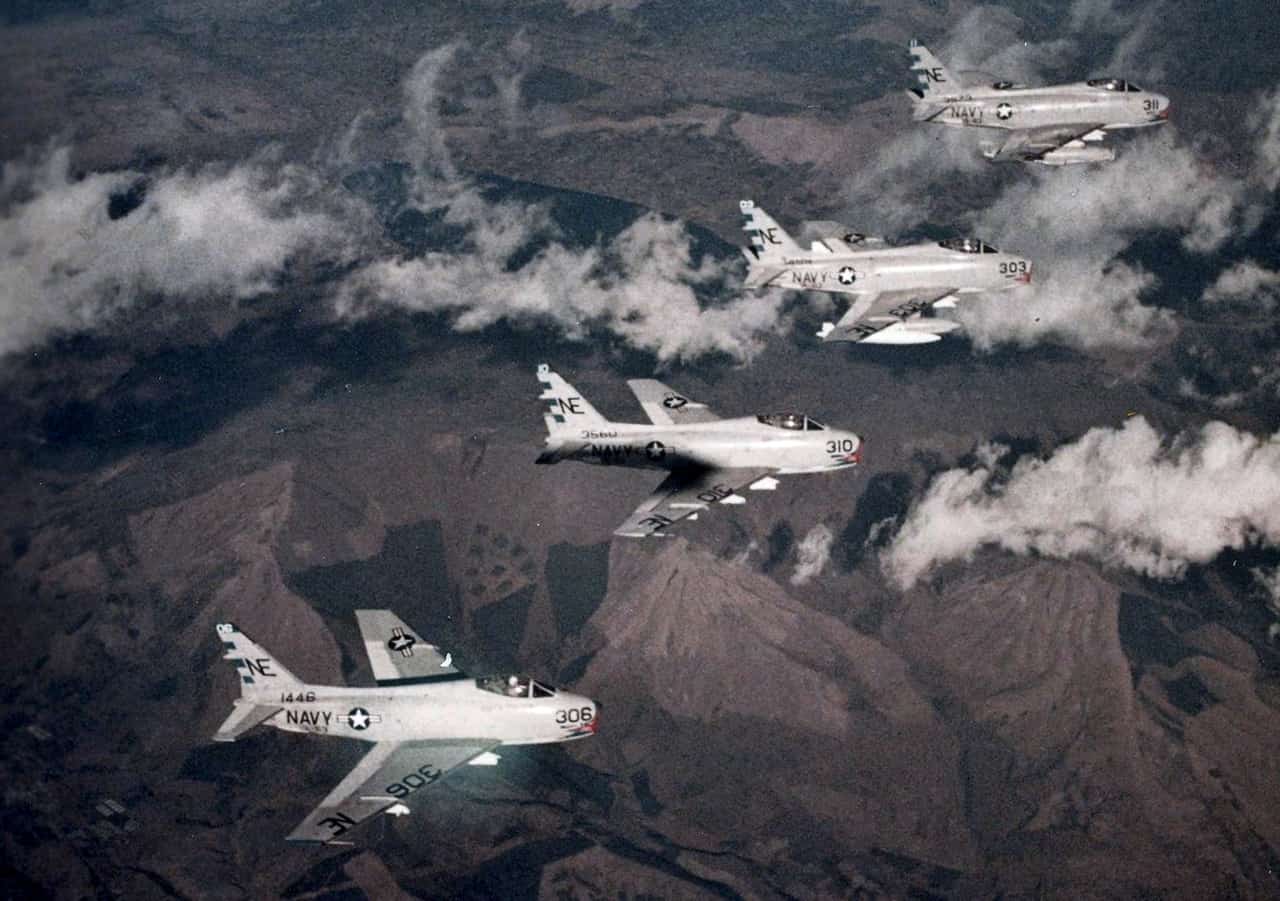


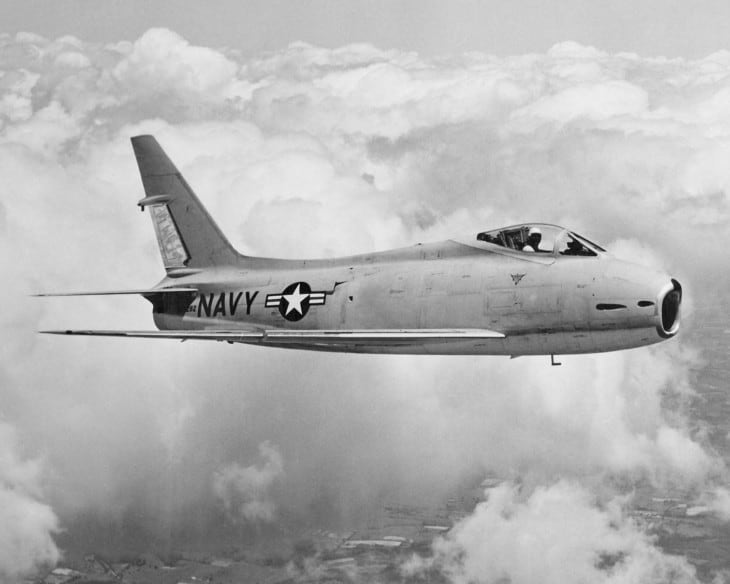
On October 28, 1954, the FJ-4 took its first flight. In comparison with the earlier FJ-3, the FJ-4 Fury was fitted with thinner swept wings with a 6 percent thickness to chord ratio. It has a wingspan of 11.9 meters and an increased wing area of 31.46 square meters.
It was also fitted with skin panels from solid alloy plates. Slight camber at the back if the leading edge enhanced low-speed capabilities of the aircraft. The main landing gear was significantly changed to collapse wheel and strut in the outline of the wing. It has a wheelbase of 5.12 meters.
The main wheel track was increased and since they were nearer the center of gravity, a lesser weight on the nosewheel was produced.
The single-seat FJ-4 has an exterior length of 11.1 meters, an exterior height of 3.2 meters, a tail height of 4.2 meters, and a fuselage diameter of 1.4 meters. It has an empty weight of 6,000 kg, a loaded weight of 6,000 kg, and a maximum takeoff weight of 10,750 kg. The maximum payload is 2,200 kg and the fuel tank capacity is 840 US gal. It has fifty percent more fuel compared to the FJ-3.
The FJ-4 is powered by a single Wright J65-W-16A engine. It is an axial-flow turbojet with a thirteen-stage axial compressor, annular combustors, and two-stage axial turbine. The engine is rated at 7,700 lbf thrust. The aircraft has a maximum speed of 590 knots at sea level. The travel range is 1,755 nautical miles with 2 x 200 gal drop tanks and two AIM-9 missiles. It can fly up to 46,800 feet and can climb at a rate of 7,660 feet per minute.
The aircraft can be loaded with four 20 mm Colt Mk 12 cannons, six LAU-3/A 70 mm rocket pods, four AIM-9 Sidewinder short-range air-to-air missiles, or few more configurations of rocket pods, and 1,400 kg of underwing ordnance including missiles.
Sources and references used for research and fact-checking.