Fighter Jets
Designers of legendary American fighters and Cold War jet classics
AeroCorner features profiles for 21 North American Aviation (NAA) aircraft. This includes 7 Fighter Jets, 6 Military Trainers, 6 Military Propellor Planes, and 2 Military Aircraft. Each profile includes performance data, photo galleries, dimensions, and operational history.
North American Aviation was one of the most important American aircraft manufacturers of the 20th century, producing legendary military aircraft that shaped World War II, the Korean War, and early jet aviation. The company’s designs—especially the P-51 Mustang, B-25 Mitchell, T-6 Texan, and F-86 Sabre—became benchmarks in performance, reliability, and engineering innovation.
NAA also played a major role in the early U.S. space program, contributing to missile research and designing the Apollo command and service module. Its legacy continues through successor companies within the modern Boeing structure.

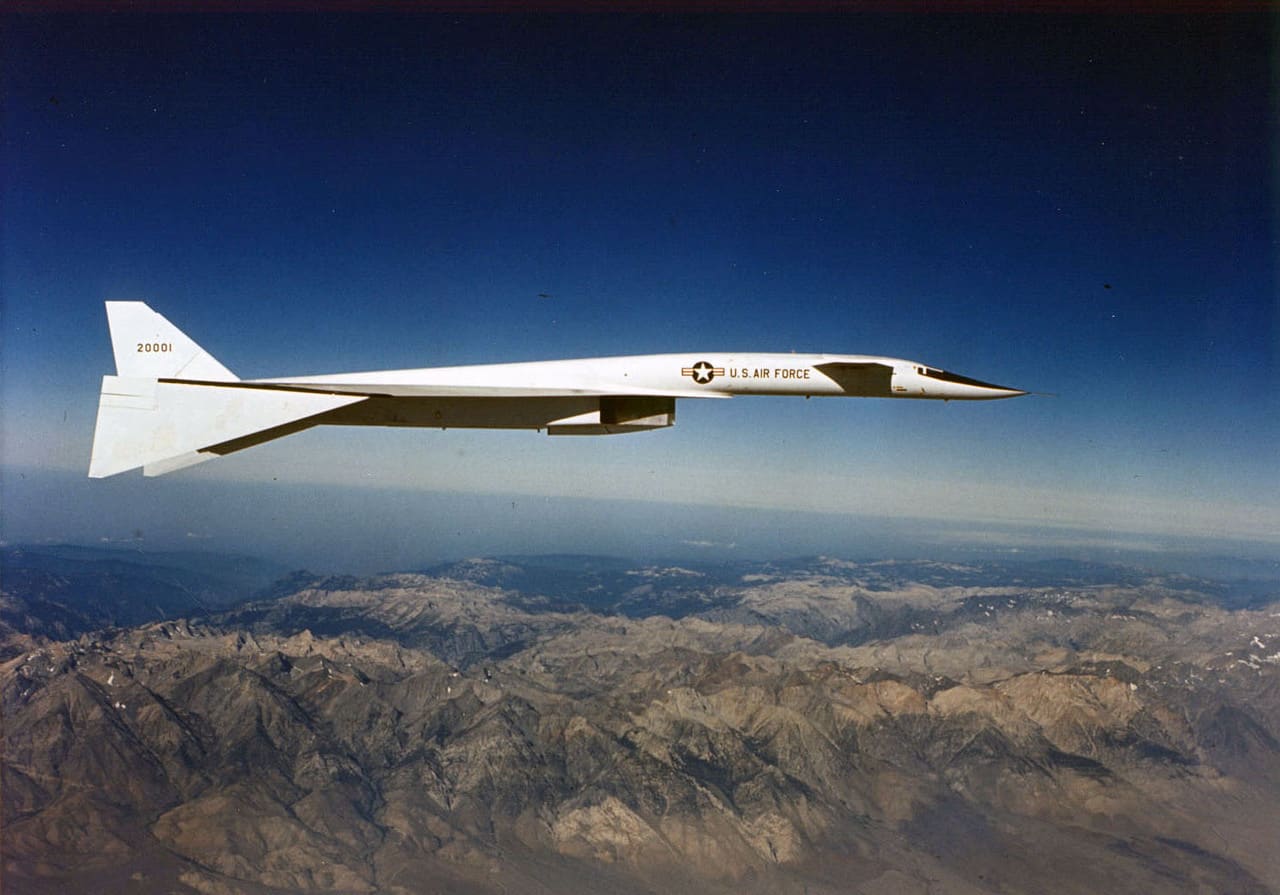
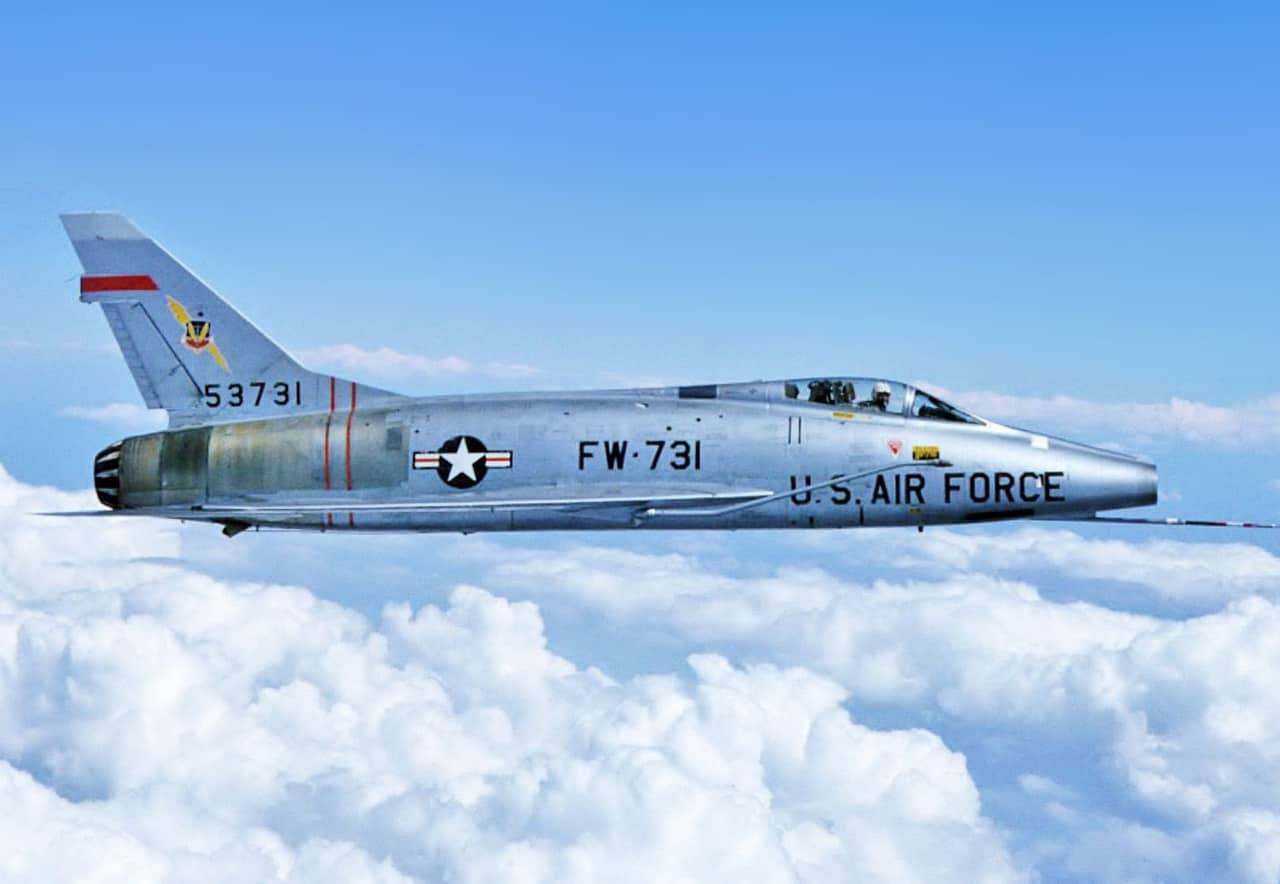
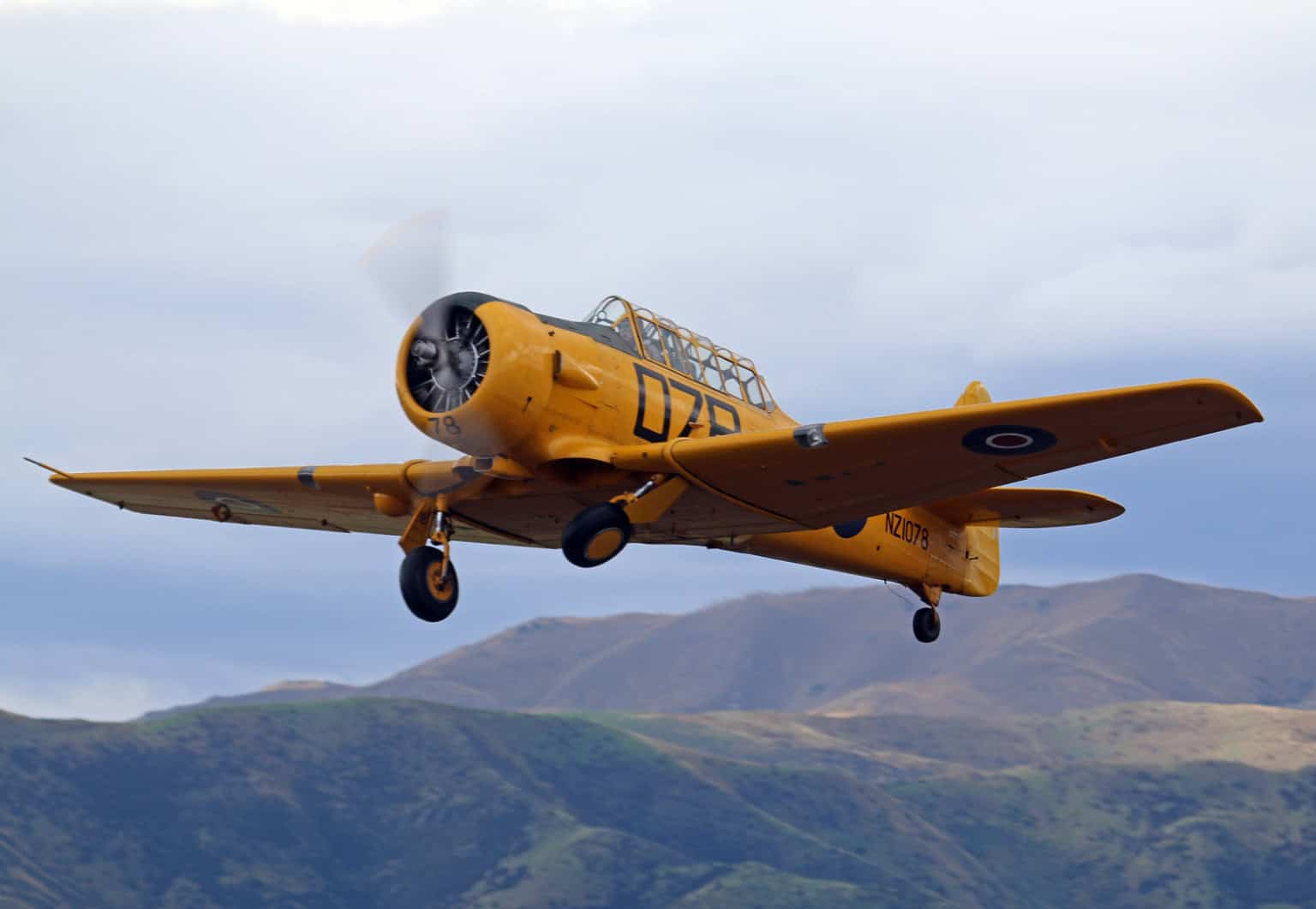

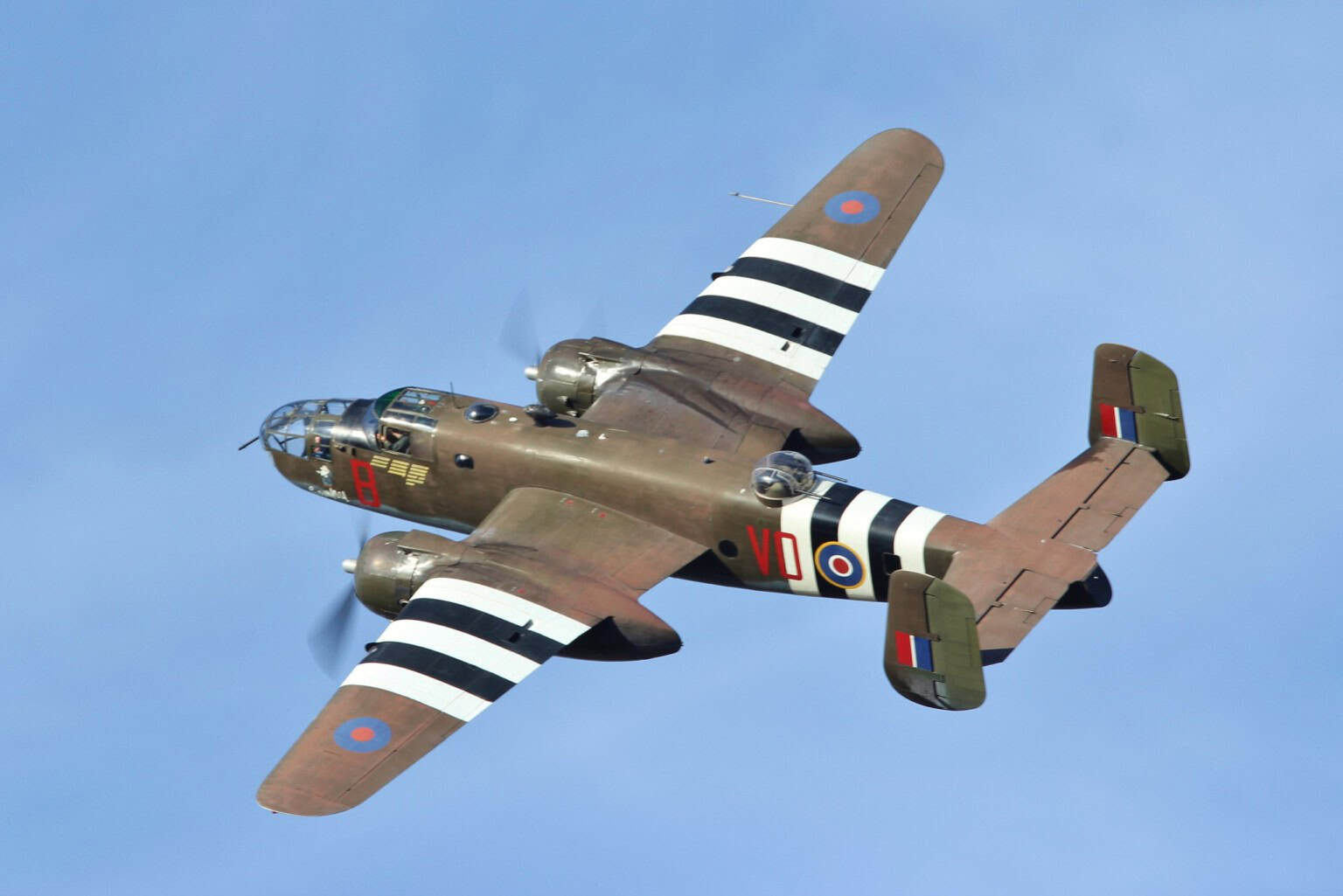
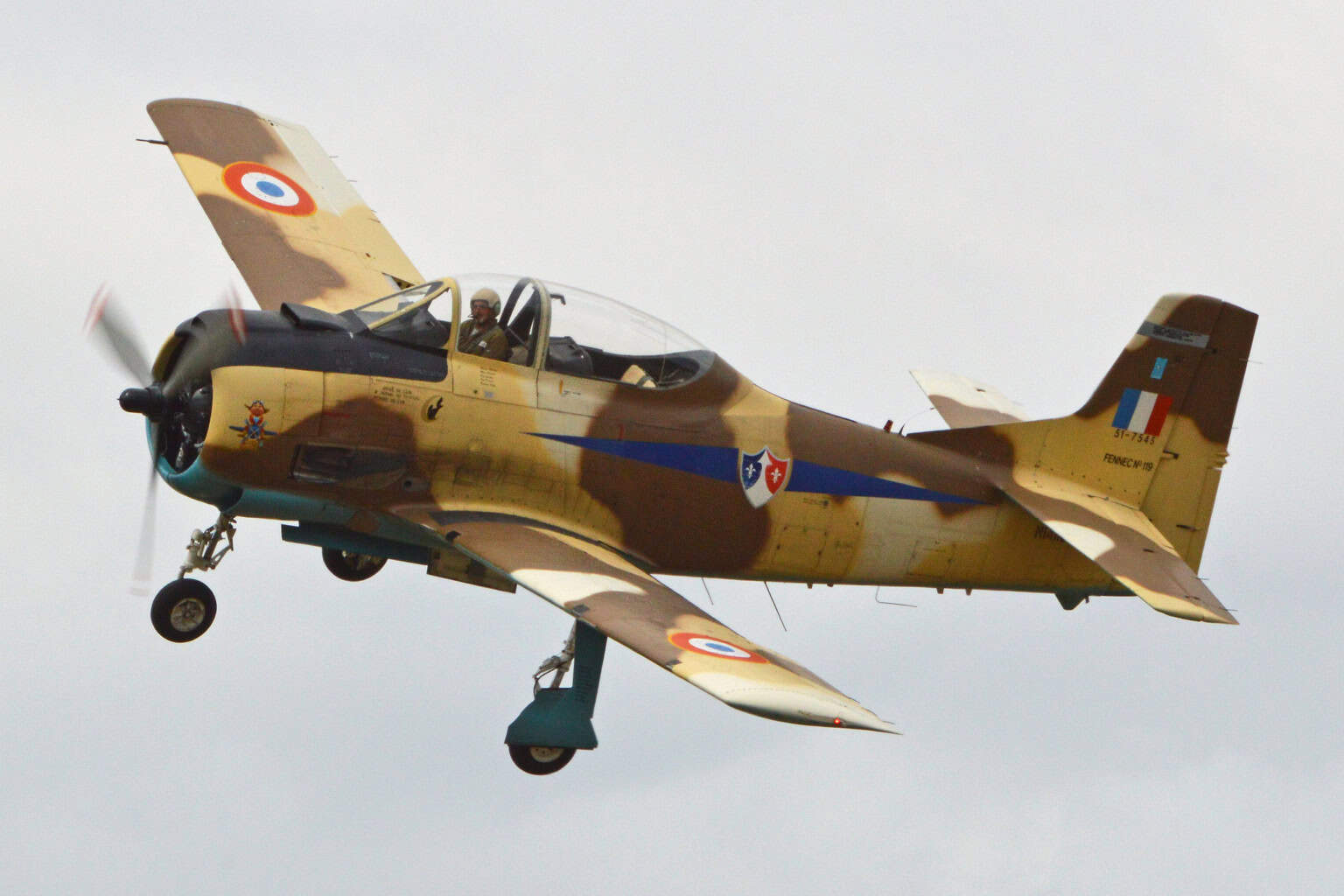
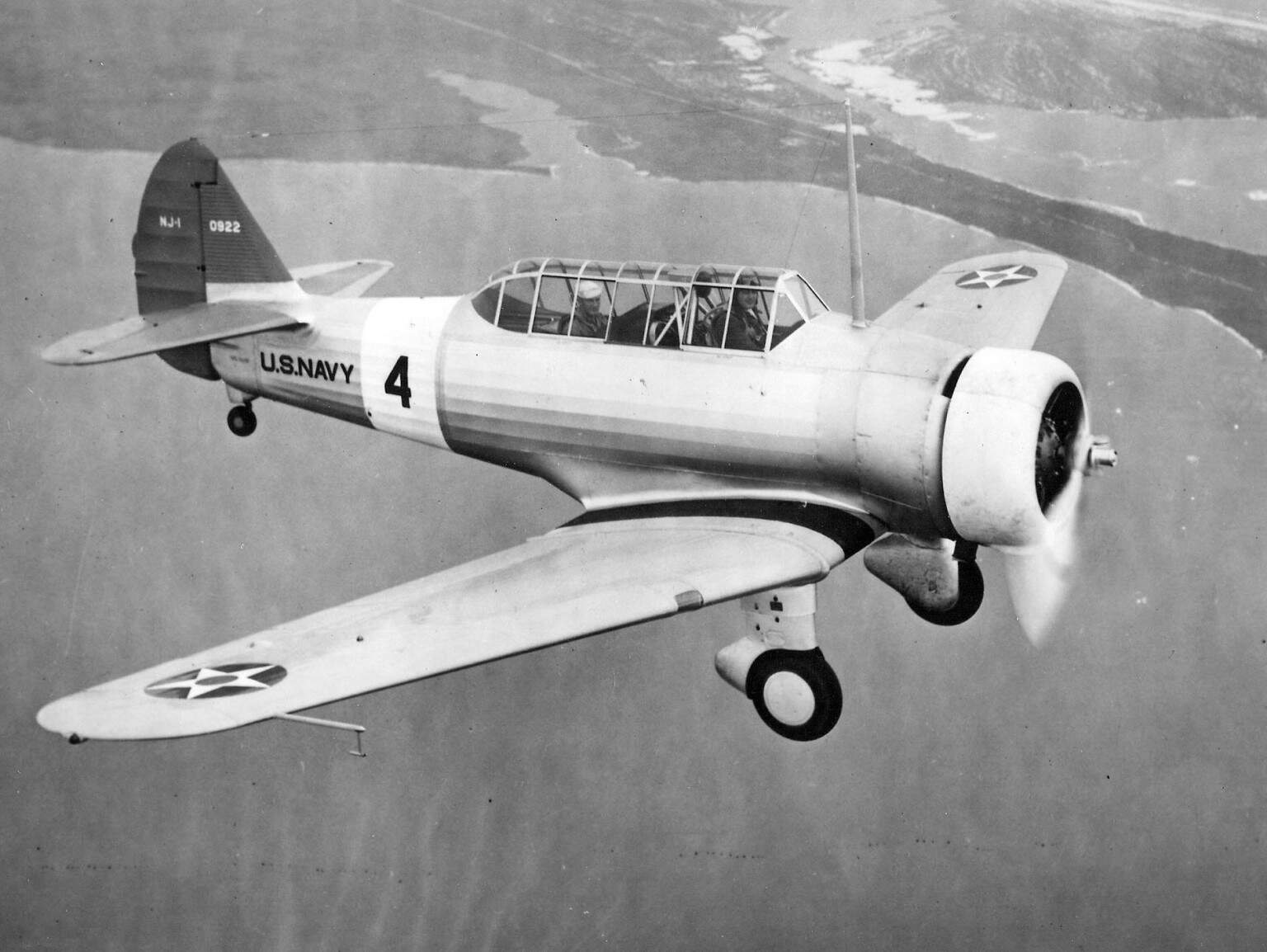
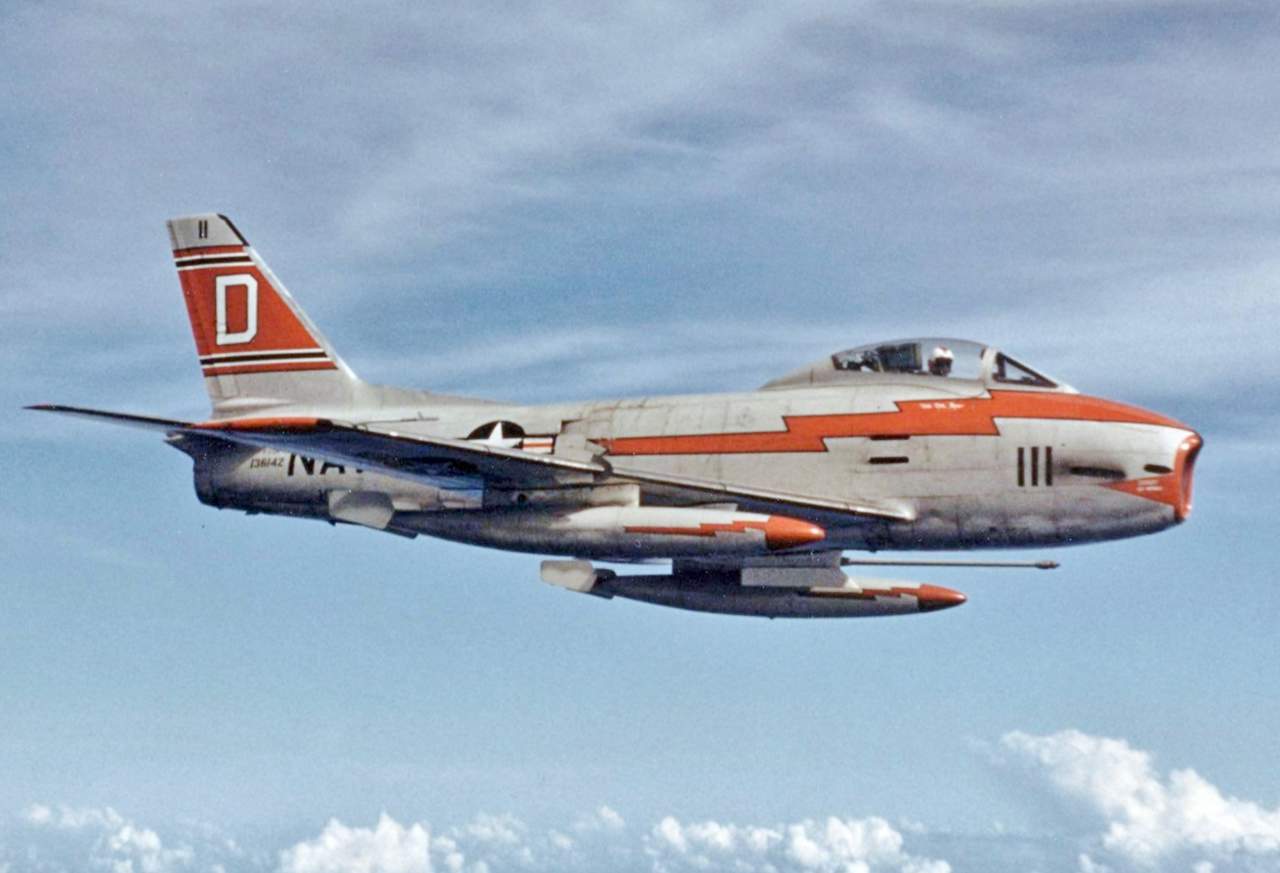
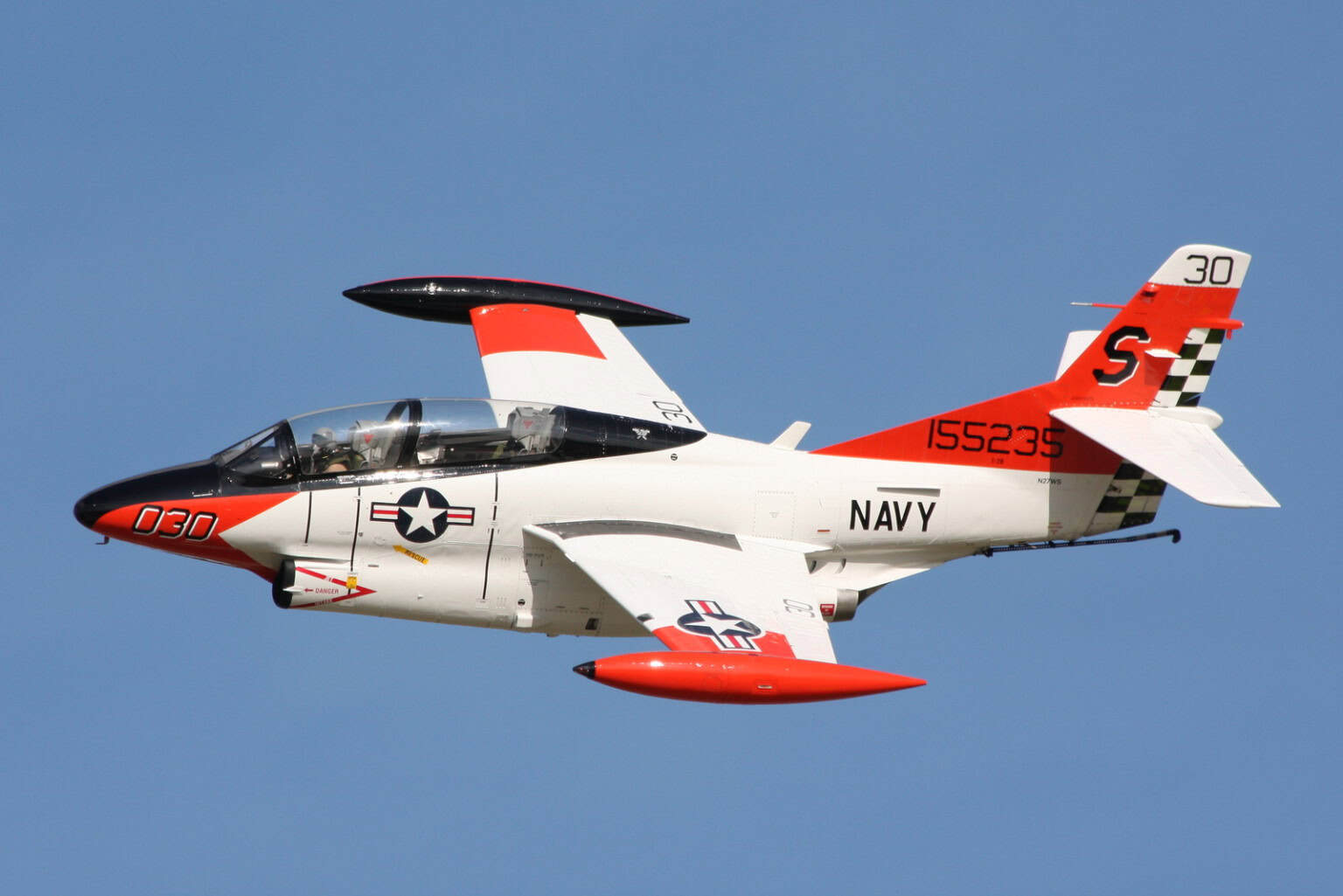
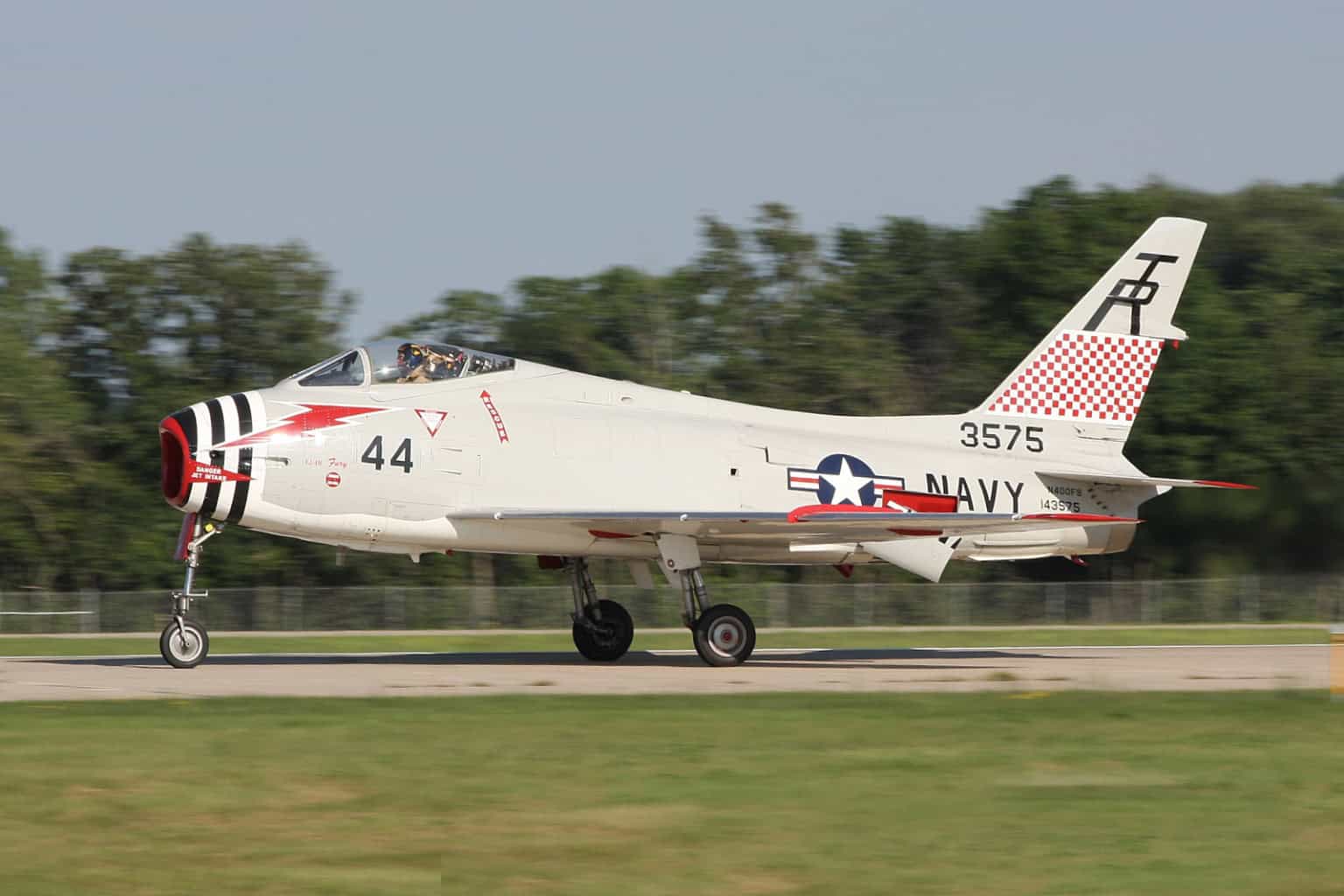
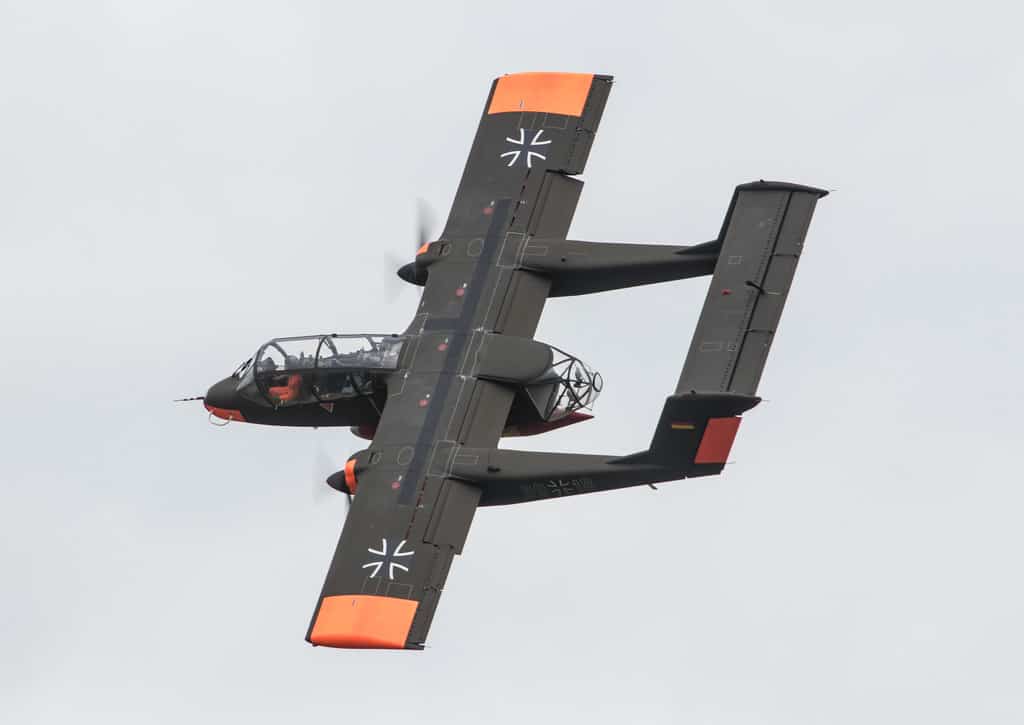
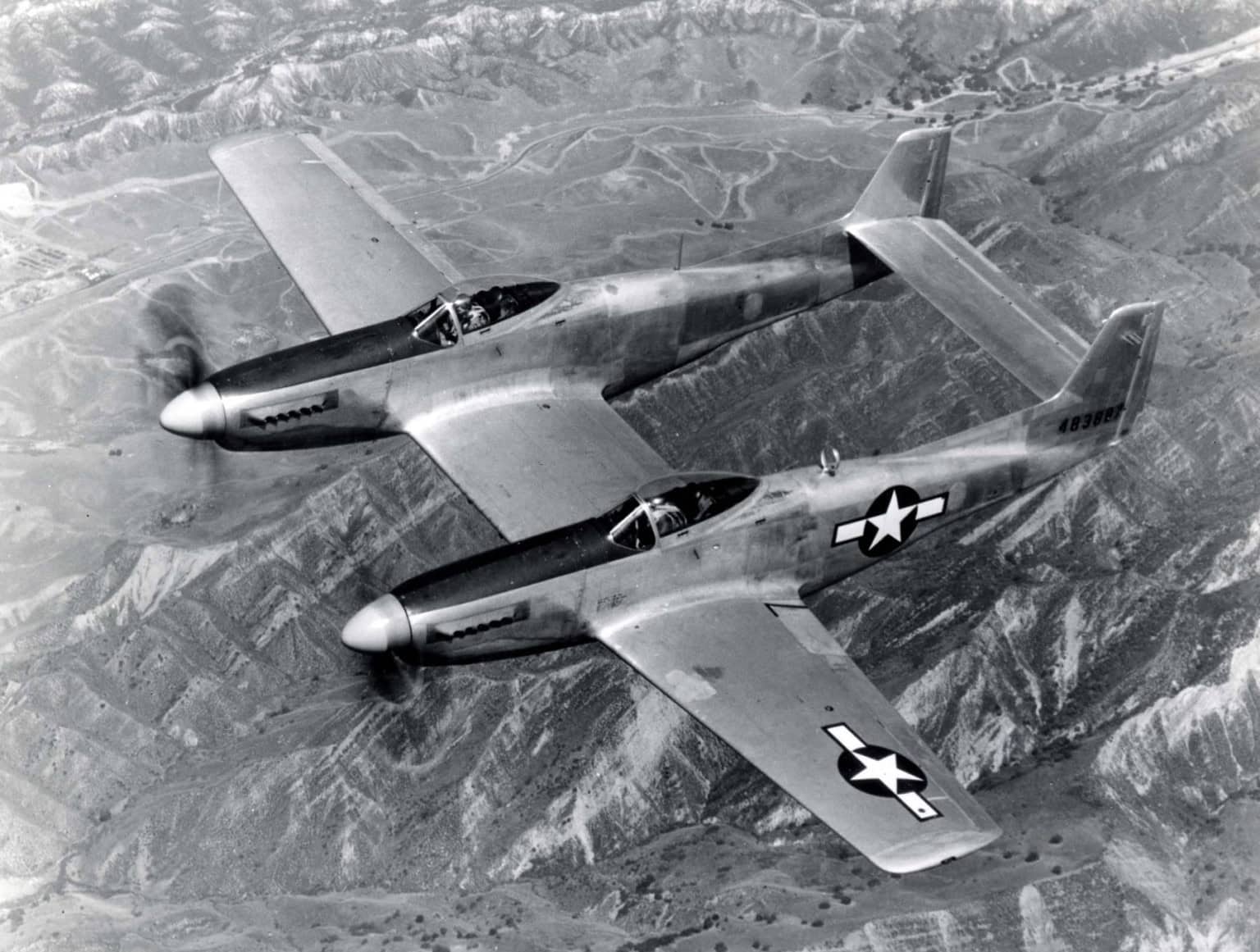
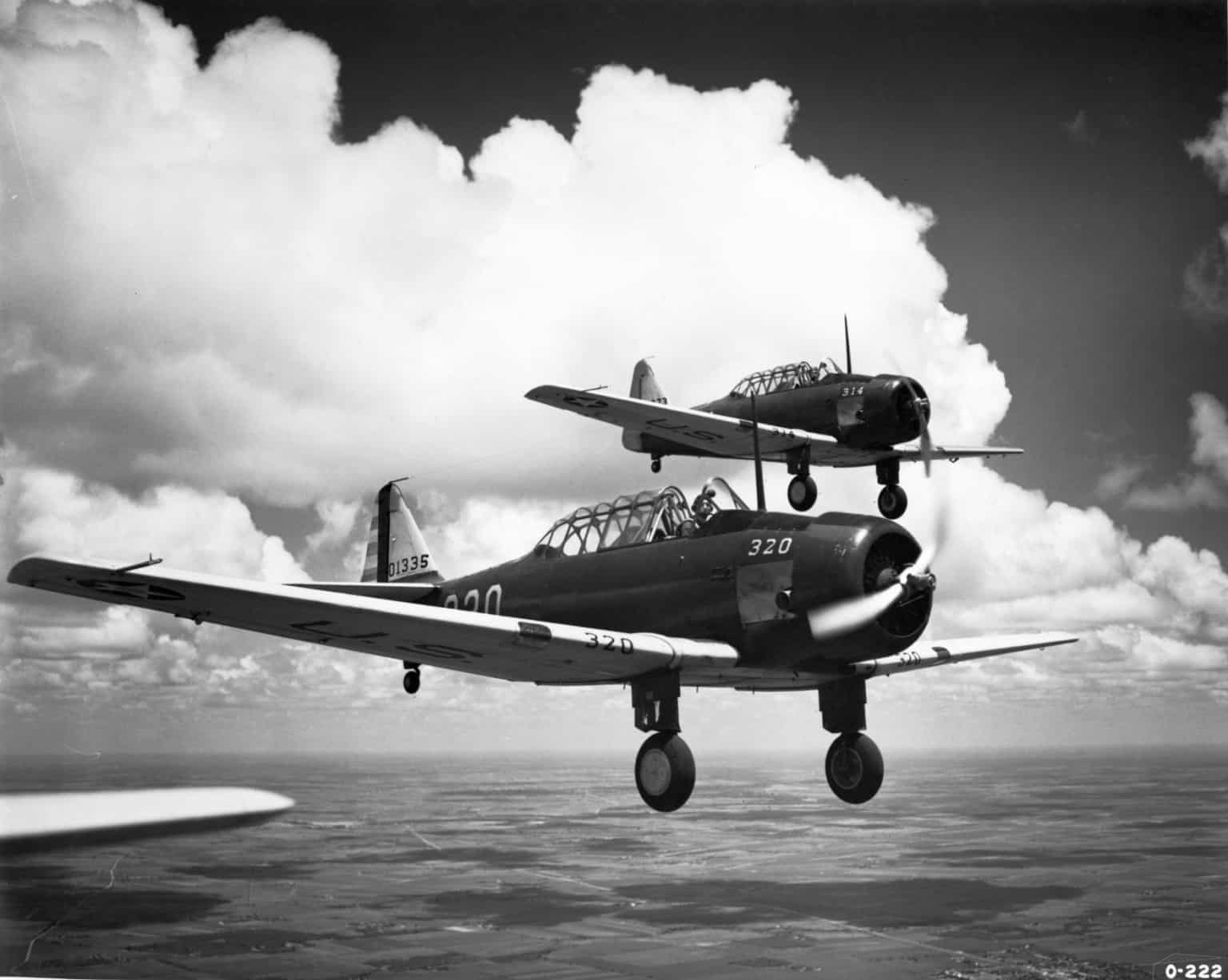
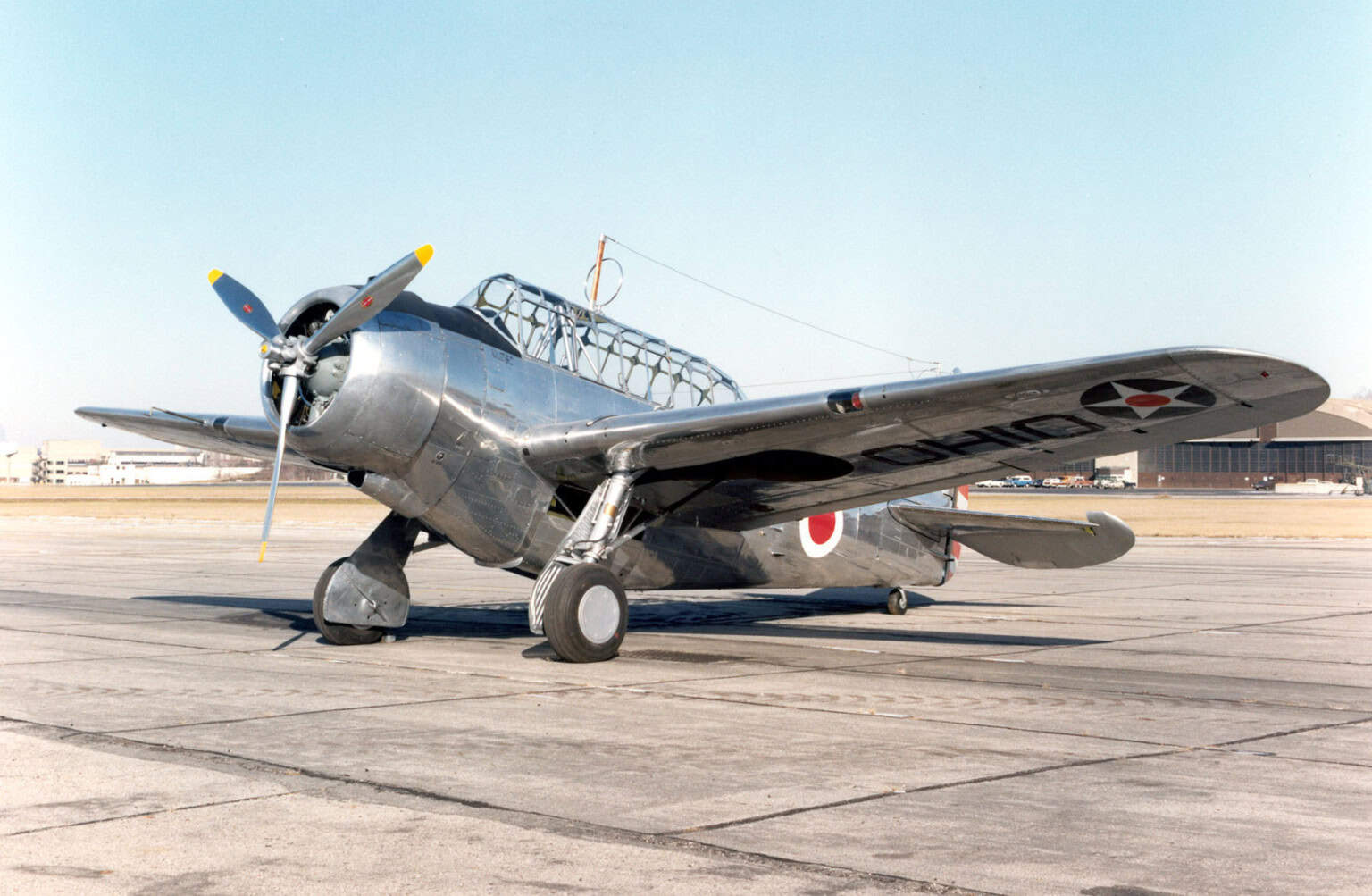
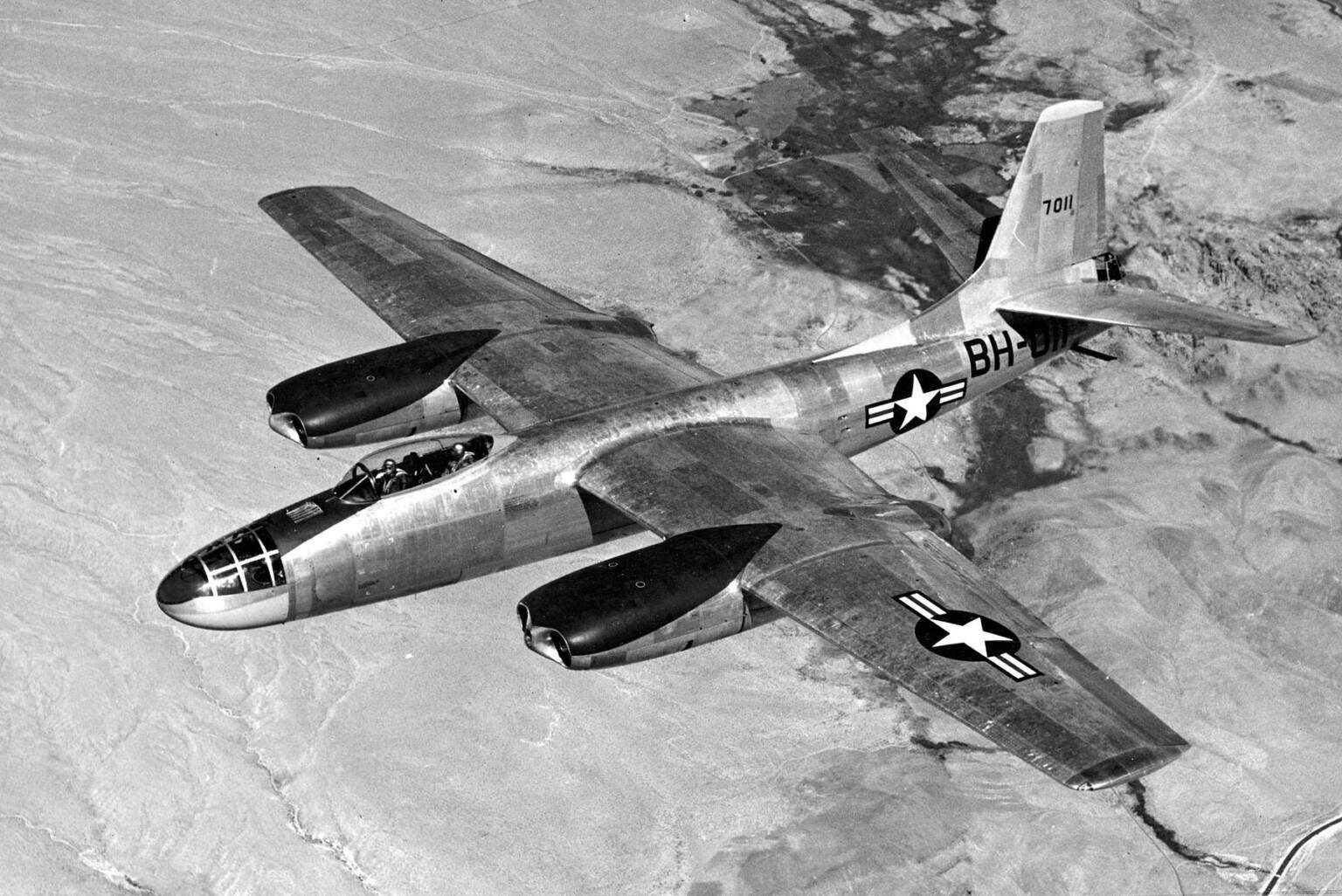
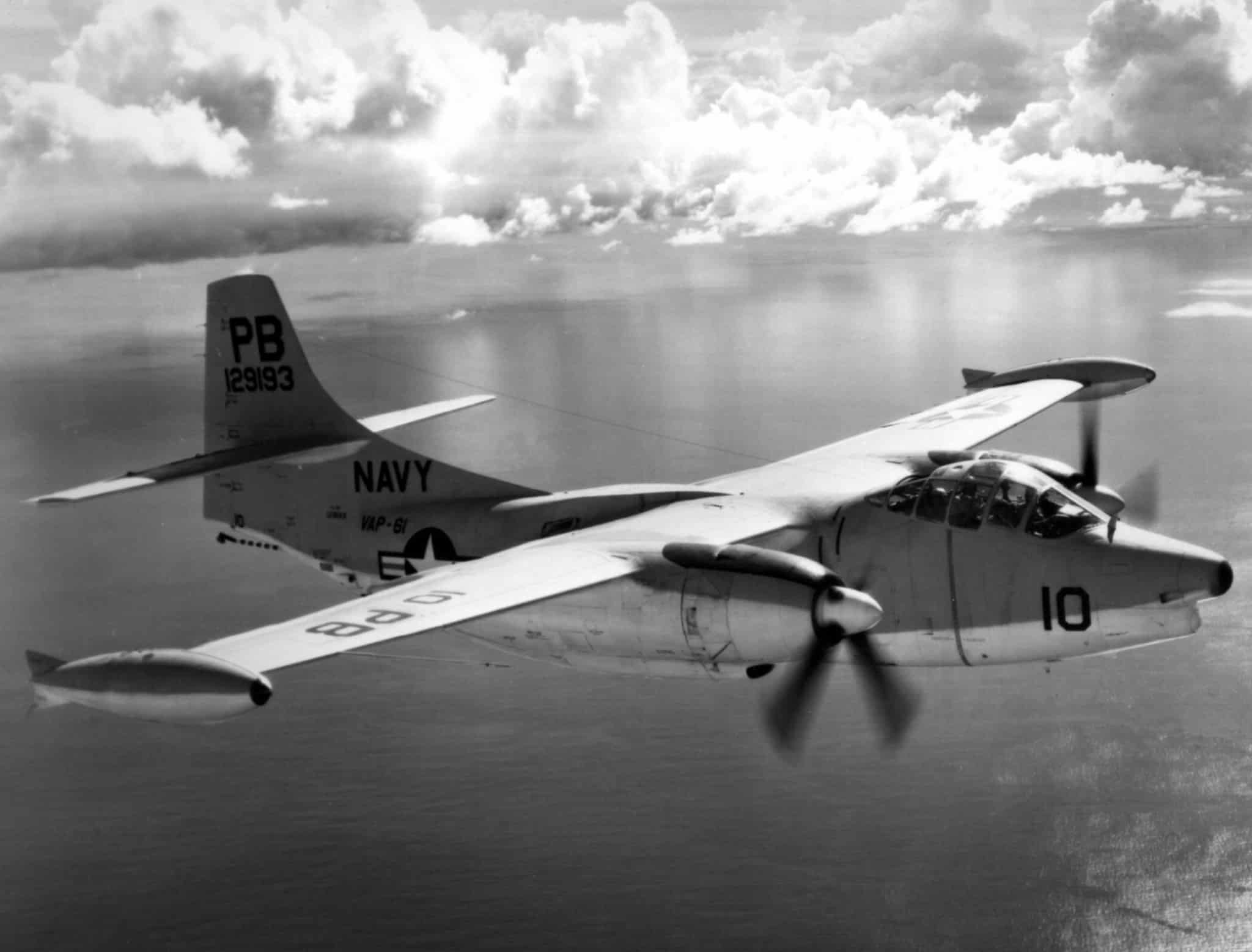
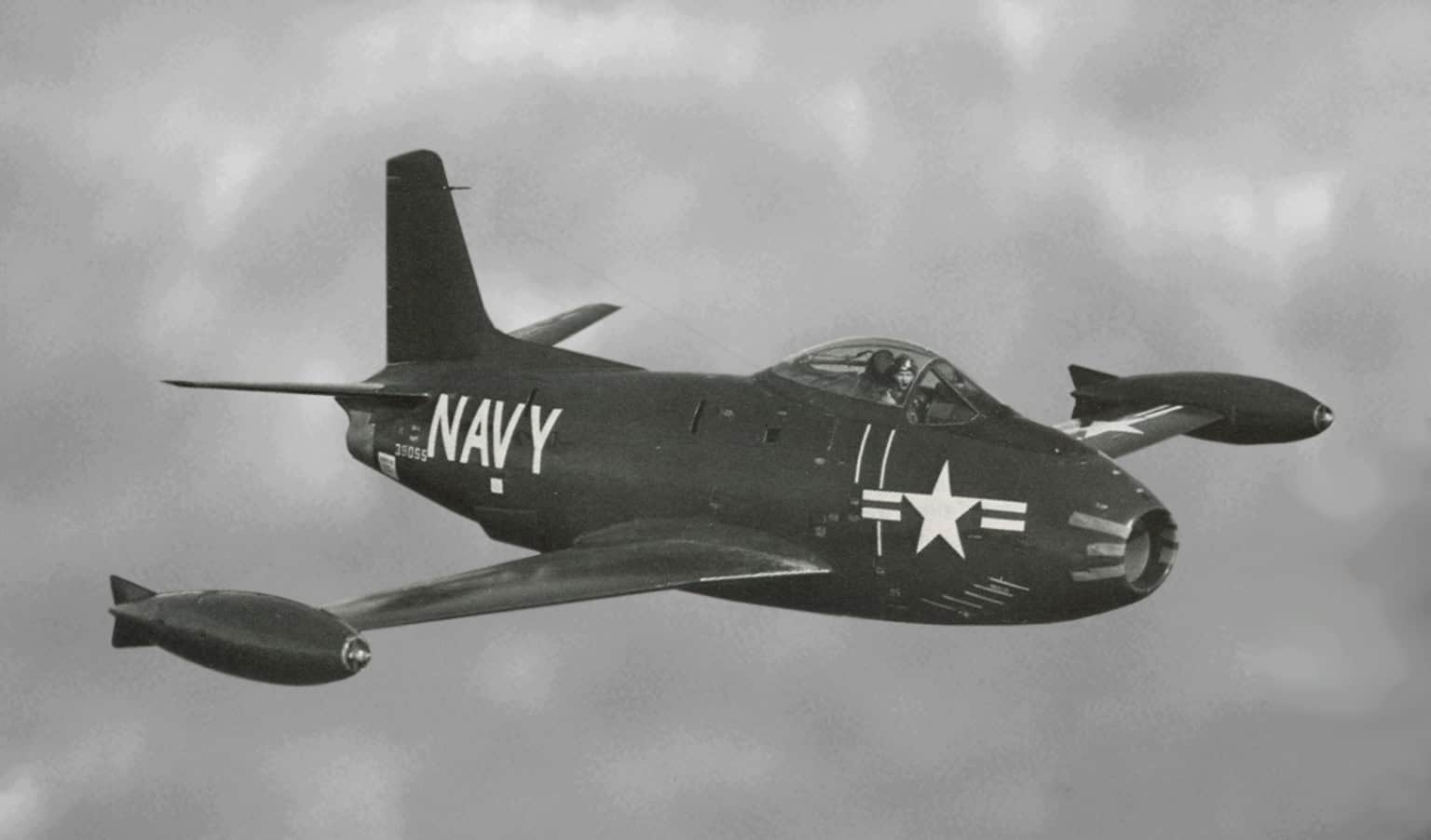
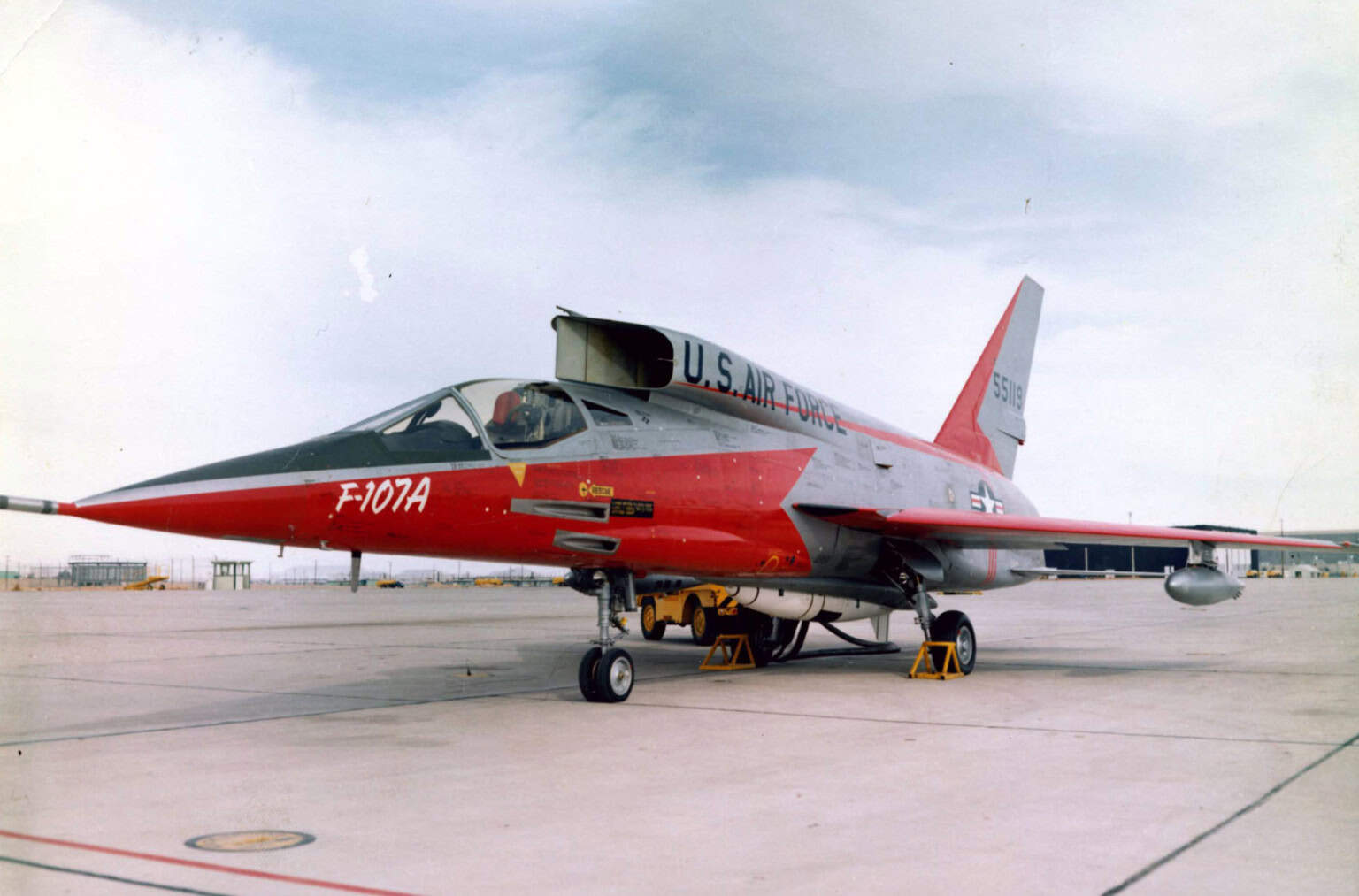

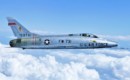
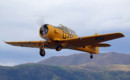
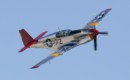
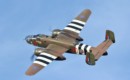
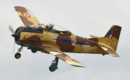
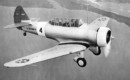
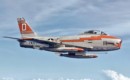
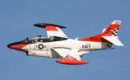
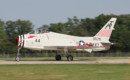
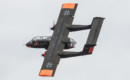
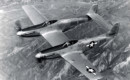
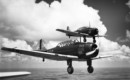
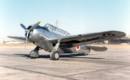
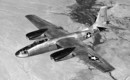
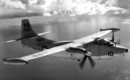
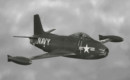
North American Aviation was founded in 1928 and initially operated as a holding company before transitioning to aircraft design and manufacturing in the 1930s. Under the leadership of James H. “Dutch” Kindelberger, the company rapidly evolved into a major producer of military aircraft.
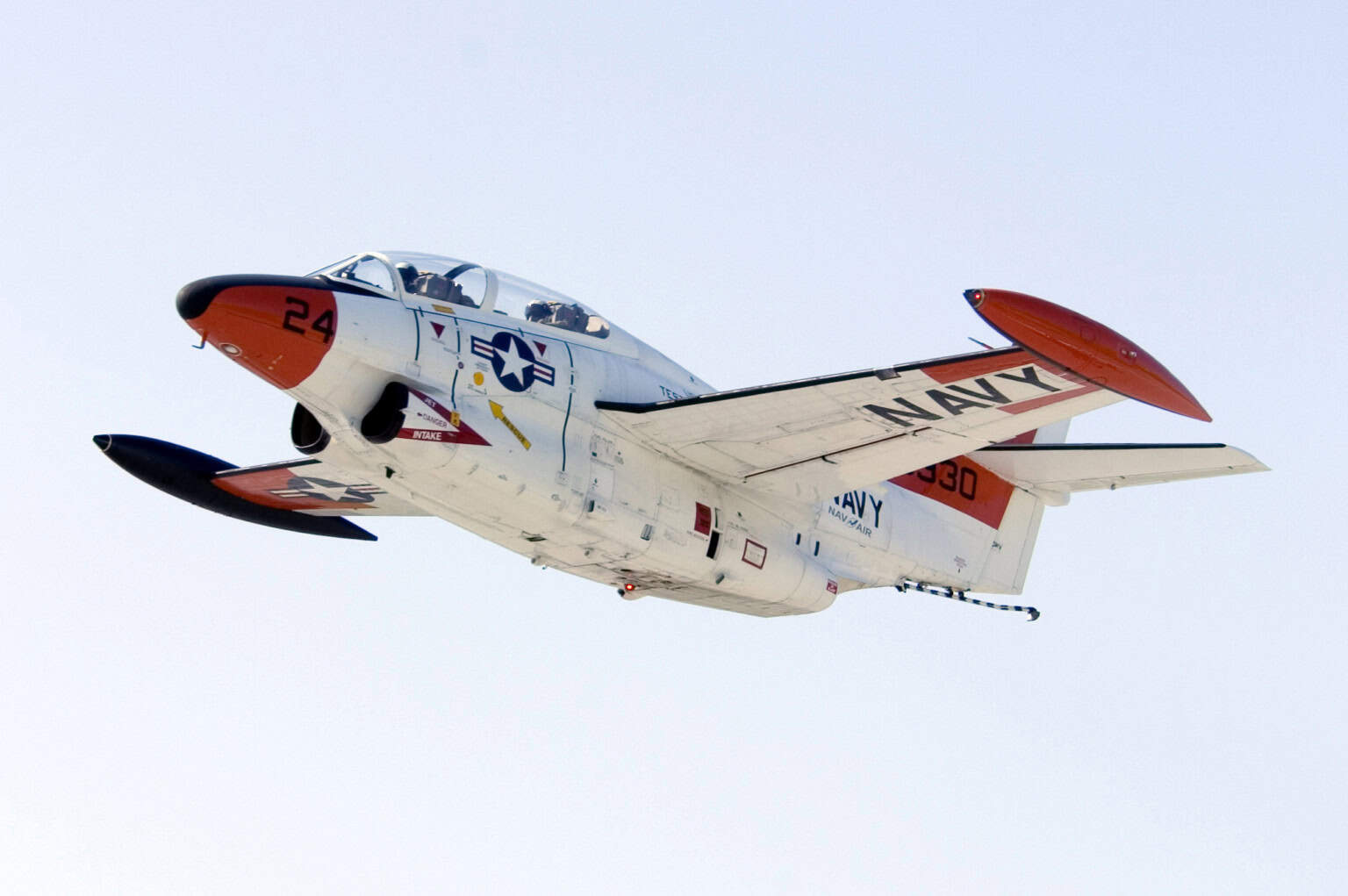
During the 1930s, NAA developed successful trainers such as the BT-9 and later the T-6 Texan, which became one of the most widely used trainers in aviation history. These early aircraft established the company’s strong engineering identity and positioned it for large-scale wartime expansion.
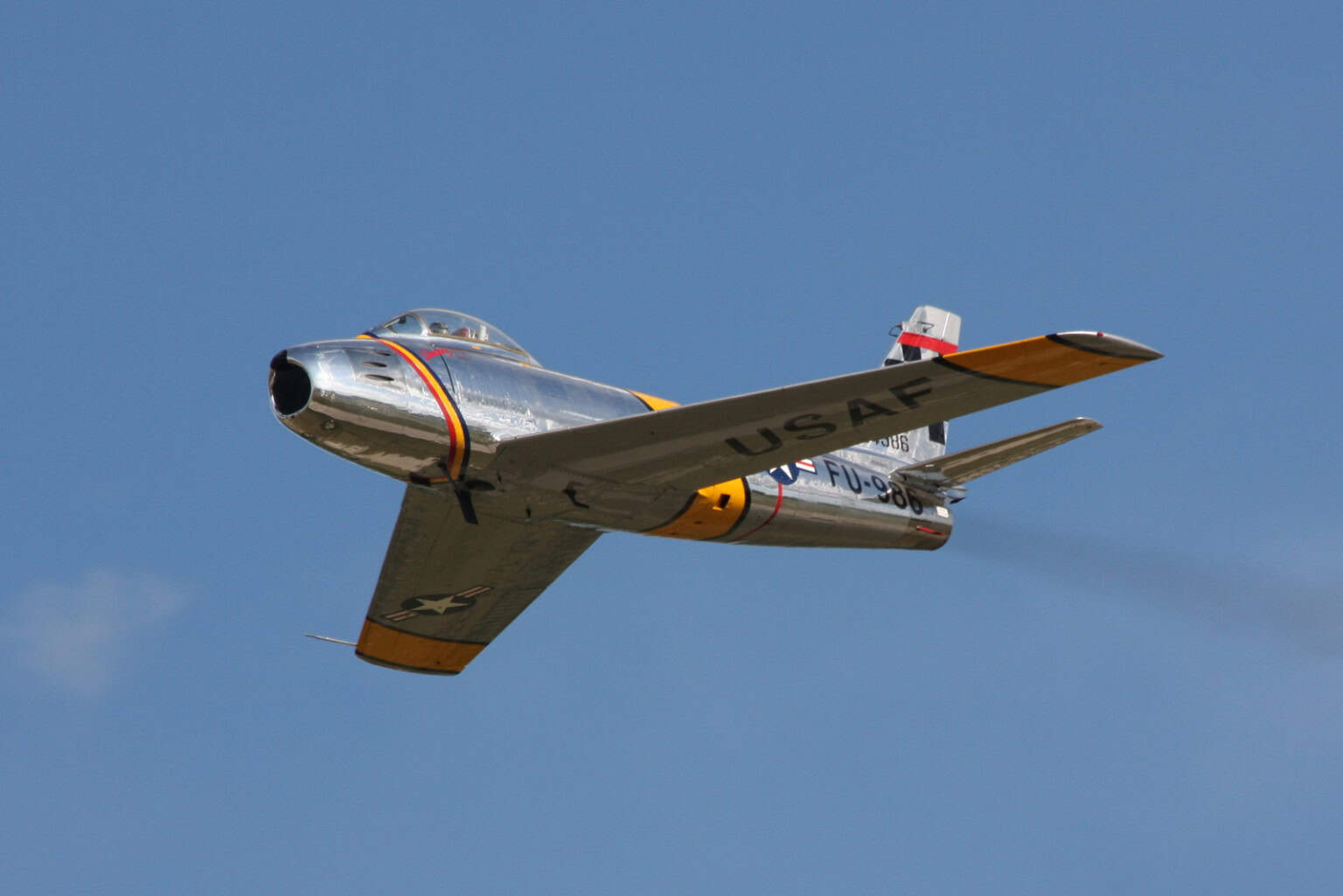
World War II marked NAA’s most influential period. The company produced the P-51 Mustang, widely considered one of the greatest piston fighters ever built, and the B-25 Mitchell, a versatile medium bomber used across multiple theaters. NAA continued its momentum into the jet age with aircraft like the F-86 Sabre, which dominated early Korean War air combat.
North American’s major manufacturing centers were located in Inglewood and Downey, California, with additional large-scale operations in Kansas City. These facilities supported mass wartime production and later hosted advanced jet and space research programs.
NAA emphasized aerodynamic refinement, robust airframe structures, and high-performance propulsion integration. The company excelled at marrying speed, handling, and mission flexibility, producing aircraft that were both technically advanced and operationally reliable.
After decades of growth, NAA merged with Rockwell-Standard in 1967 to form North American Rockwell, later renamed Rockwell International. In the 1990s, Boeing acquired Rockwell’s aerospace divisions, making Boeing the modern successor to North American Aviation’s aircraft and space programs.
Designed in record time, the P-51 became a decisive asset in long-range bomber escort missions and remains one of the most celebrated fighters ever built.
The Sabre brought NAA into the jet age, achieving widespread success and becoming a dominant fighter during the Korean War’s early jet combat era.
The B-25 played a vital role in Allied operations and gained fame for the Doolittle Raid, demonstrating NAA’s versatility and production capacity.
The X-15 program broke multiple speed and altitude records, contributing directly to spaceflight research and influencing NASA’s early crewed missions.
The 1967 merger reshaped the company, leading to its eventual integration into Rockwell International and later the Boeing aerospace structure.
NAA aircraft were flown extensively in wartime and high-performance testing environments, leading to typical operational losses. Experimental programs such as the X-15 faced extreme risks inherent to hypersonic research, though these contributed vital aerospace data.
North American Aviation’s designs defined entire eras of military aviation. The Mustang, Sabre, and X-15 remain icons of aeronautical engineering, and the company’s space contributions helped advance early U.S. crewed missions. Through its successors, NAA’s influence continues within Boeing’s modern aerospace programs.