Military Propellor Planes
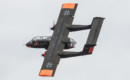
North American Rockwell OV-10 Bronco
ICAO: V10
Observation fixed-wing aircraft introduced in 1937
The latest aviation news and stories sent to your inbox.
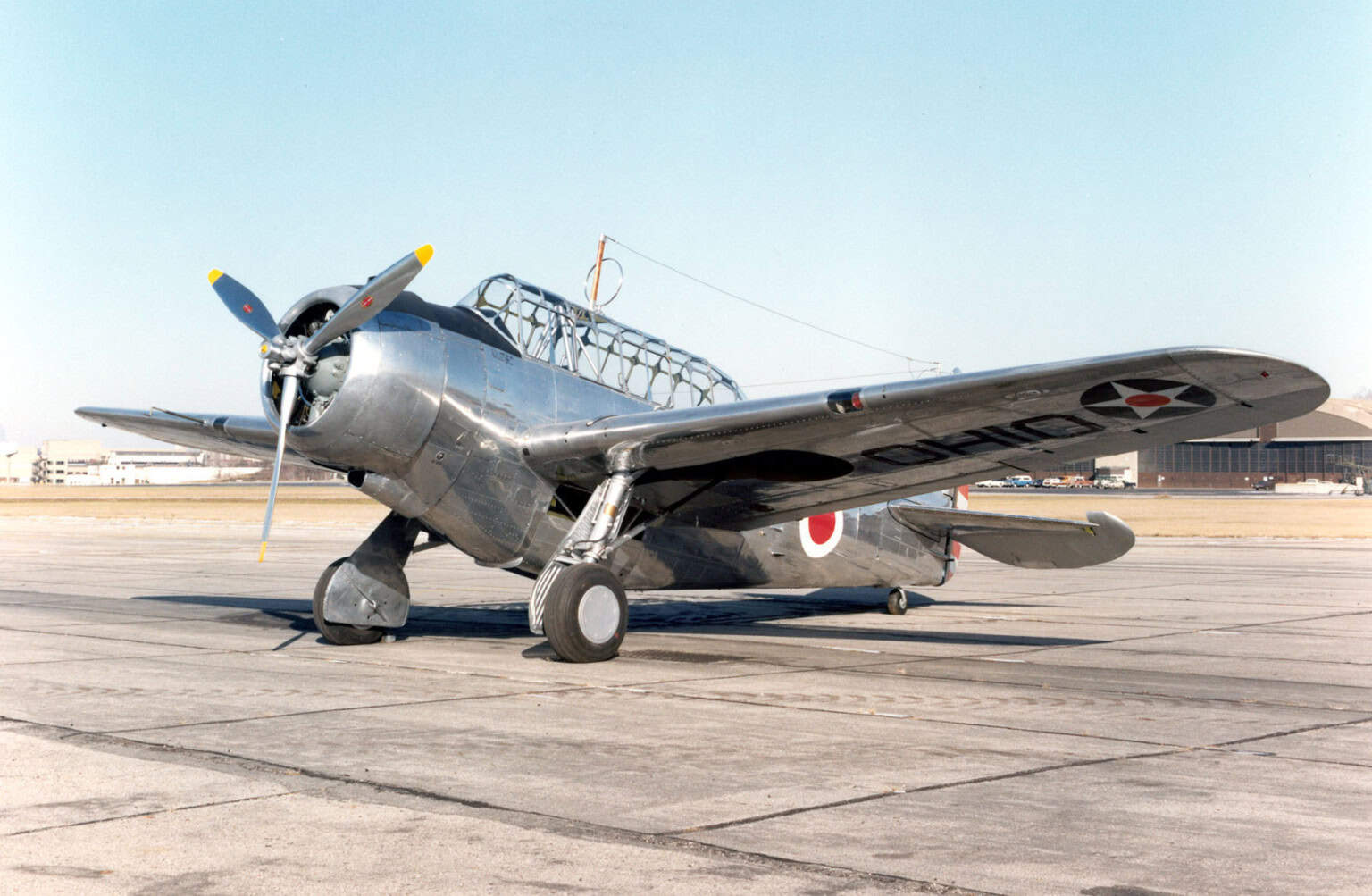
The North American O-47 was designed and manufactured by North American Aviation as an observation fixed-wing aircraft monoplane with a low-wing configuration, retractable undercarriage, and a three-blade propeller. Introduced in 1937, the aircraft was primarily used by the United States Army Air Corps. It first flew in November 1935 and has a total number of 239 aircraft built.
Live Fleet Activity (O47)
Fetching live data…


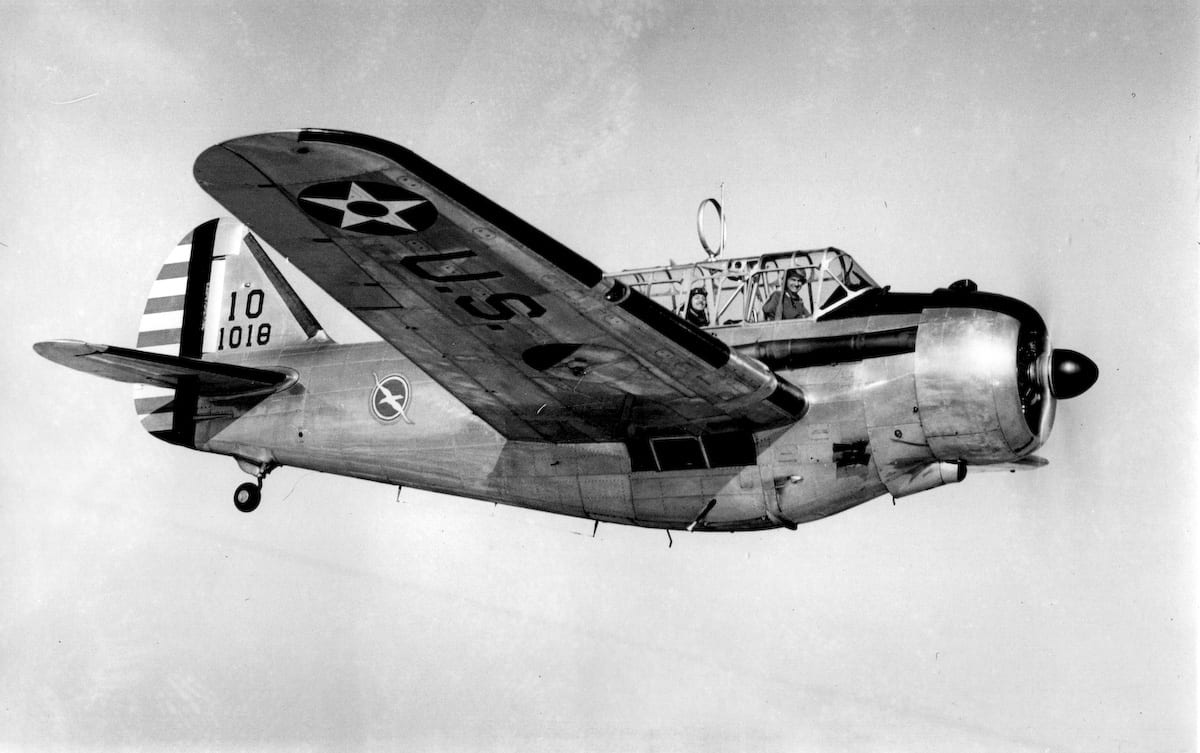


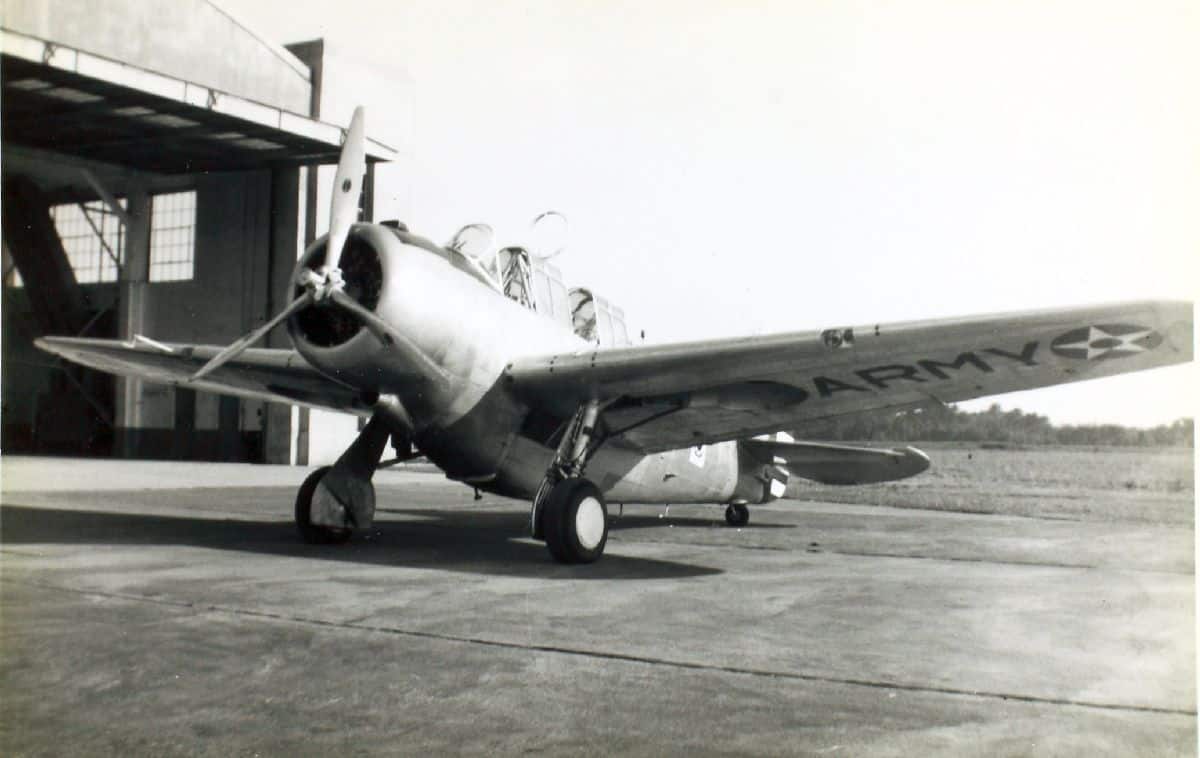

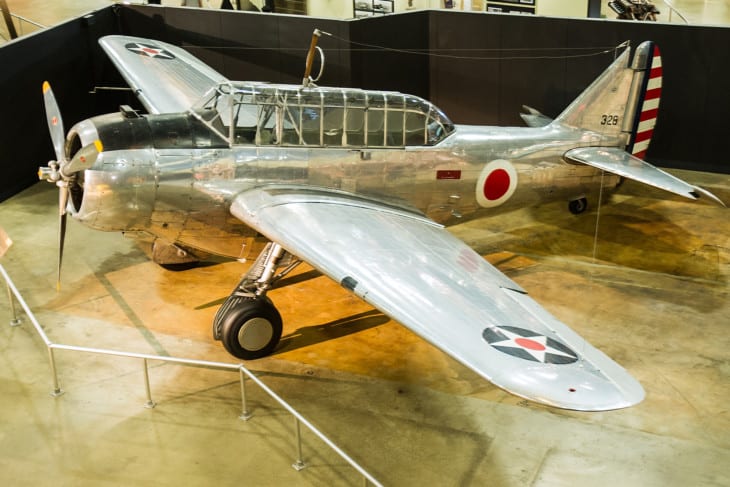
The North American O-47 was designed to replace the observation biplanes of the United States Army Air Corps such as the Thomas-Morse O-19 and the Douglas O-38. The new aircraft was bigger and weightier compared to its antecedent and could accommodate three crew members including a pilot, a copilot-observer, and a gunner in a tandem configuration below its long canopy.
In 1934, the prototype designated as XO-47 was built; it was powered by an 850 horsepower Wright R-1820-41 engine. In November 1935, the aircraft took to the air for the first time. The O-47A version was constructed in Inglewood California with a total number of 164 aircraft built.
From 1937 to 1938, the USAAC ordered a total of 174 aircraft, and ninety-three were deployed to National Guard units. In 1938, a total of seventy-four O-47Bs were ordered by the Army equipped with a redesigned engine cowling to improve cooling, a more powerful engine, and updated radio equipment.
The O-47A has an external length of 10.24 meters, an external height of 3.2 meters, and a fuselage width of 1.2 meters. The wingspan is 14.1 meters and the wing area is 32.5 square meters. It has a tail height of 3.7 meters and a wheelbase of 6.3 meters.
The empty weight is 2,712.5 kg, the gross weight is 3,463.6 kg, and the maximum takeoff weight is 3,649 kg. The aircraft is powered by a single Wright R-1820-49 radial engine with a thrust rating of 975 horsepower. The O-47A has a maximum speed of 192 knots and a cruise speed of 170 knots.
The travel range is 730 nautical miles. It has a service ceiling of 23,200 feet and a climb rate of 1,470.8 feet per minute. The aircraft could be loaded with a single fixed forward-firing .30 cal machine gun with 200 rounds in the starboard wing and a single flexible .30 cal machine gun with 600 rounds in the rear cockpit.
Sources and references used for research and fact-checking.