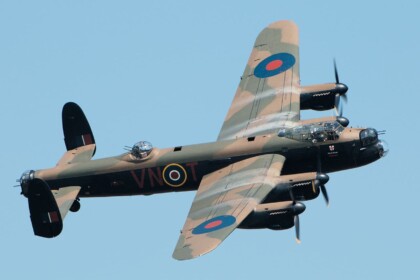
The Avro Lancaster entered service during World War II as a four-engine heavy bomber. Designed for long-range strategic missions, it became the backbone of the Royal Air Force’s bombing operations. The aircraft was capable of carrying exceptionally large payloads.
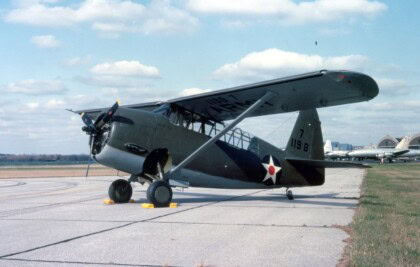
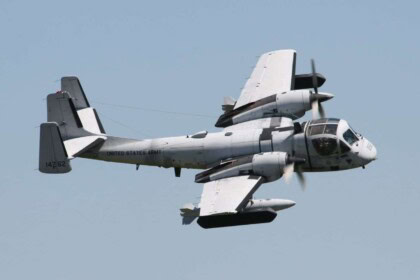
The Curtiss O-52 Owl was introduced in the early 1940s as an observation aircraft. Designed for artillery spotting and reconnaissance, it featured a high-wing configuration. The aircraft saw limited combat use.
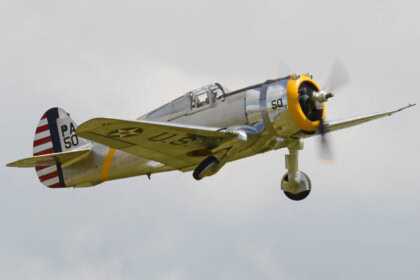
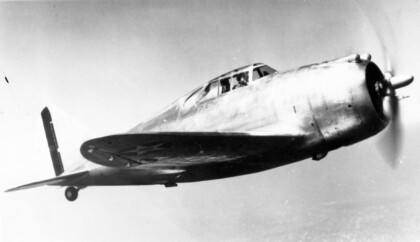
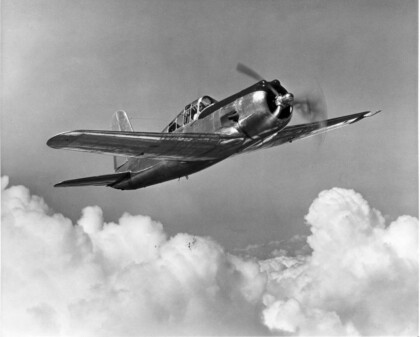
The Curtiss P-36 Hawk was introduced in the late 1930s as one of the first all-metal monoplane fighters in U.S. service. It marked a departure from earlier biplane designs. Although quickly surpassed, it saw early combat use.
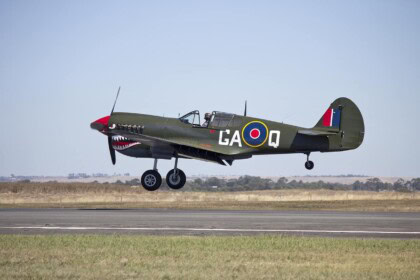
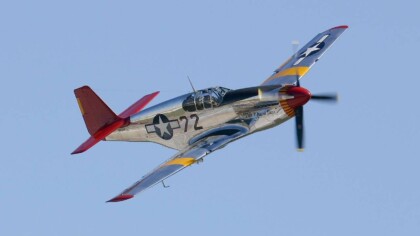
The Curtiss P-40 Warhawk was introduced in the late 1930s as a single-engine fighter. Though not as advanced as some contemporaries, it proved rugged and adaptable. The aircraft served in multiple theaters of World War II.
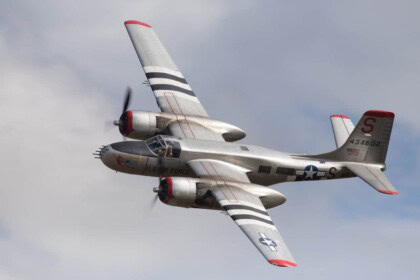
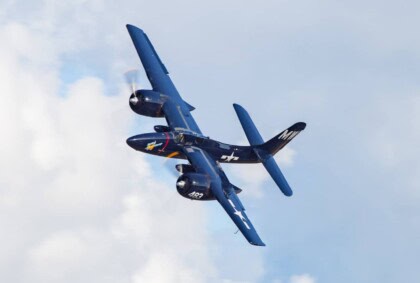
The Douglas A-26 Invader was introduced late in World War II as a twin-engine attack aircraft. Designed for both bomber and ground-attack missions, it combined speed with substantial armament. The aircraft continued in service long after the war.
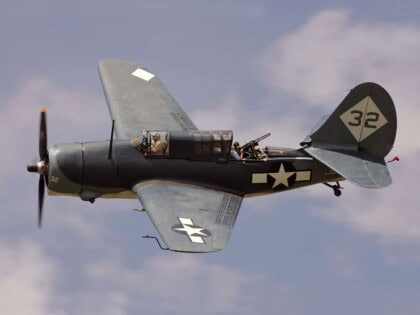
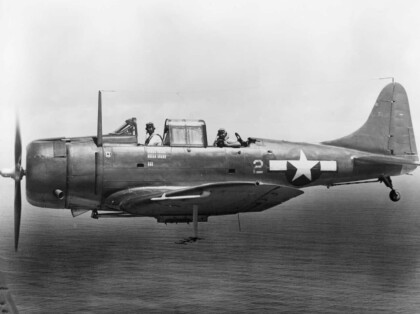
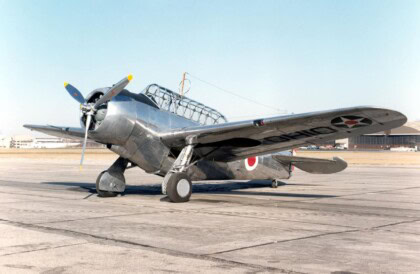
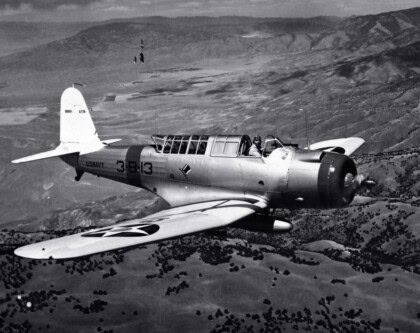
The Douglas SBD Dauntless dive bomber sank four Japanese carriers at Midway. Its history, variants, 5,936-aircraft production run, and six still flying.
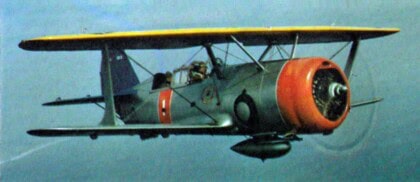
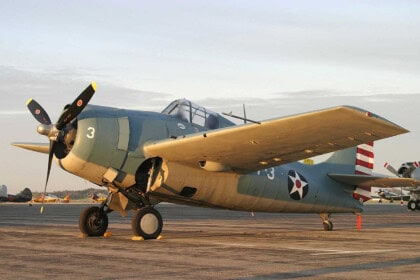
The Grumman F4F Wildcat entered service in the late 1930s as a carrier-based fighter. Although later replaced by more advanced types, it proved durable and reliable in early Pacific combat. The aircraft became a symbol of U.S. naval resilience.
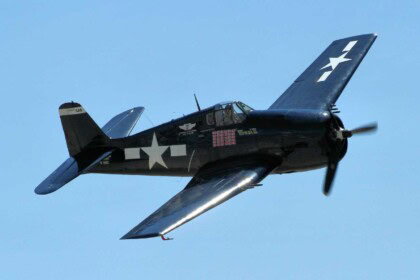
The Grumman F6F Hellcat was introduced during World War II as a carrier-based fighter for the U.S. Navy. Designed to counter advanced Japanese aircraft, it emphasized durability and firepower. The type became the Navy’s primary fighter in the latter half of the war.
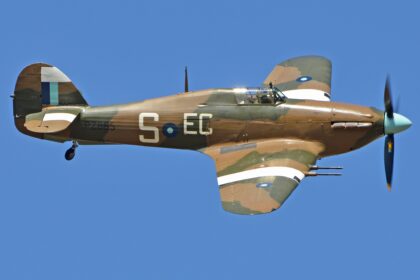
The Hawker Hurricane shot down more German aircraft in the Battle of Britain than the Spitfire. Full Mk IIC specs, the 14,487 built, and which still fly.
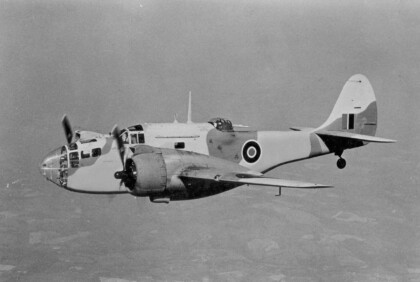
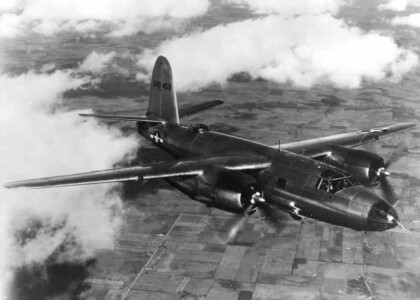
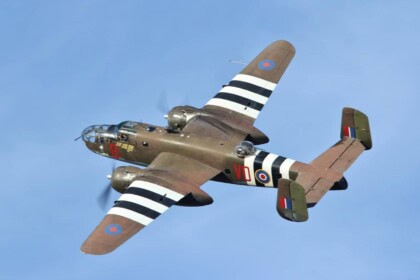
The Martin B-26 Marauder was a twin-engine medium bomber introduced during the early years of World War II. Designed for high-speed operations, it required careful handling but delivered strong performance. The aircraft became a key Allied bomber in Europe.
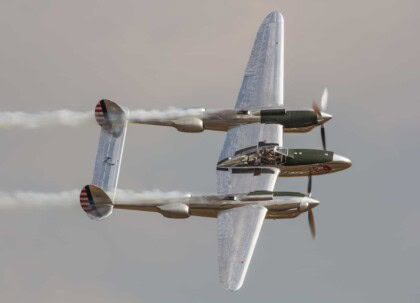
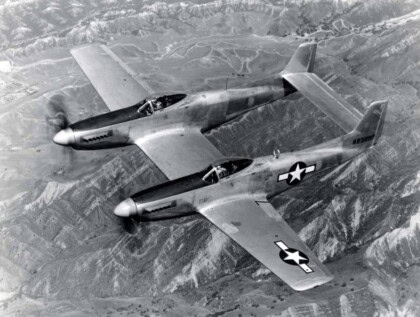
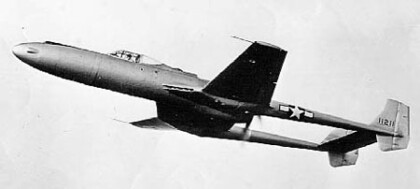
The F-82 Twin Mustang was developed at the end of World War II as a long-range escort fighter. Its distinctive twin-fuselage configuration provided extended endurance and a second crew position. The aircraft later served in early Korean War operations.
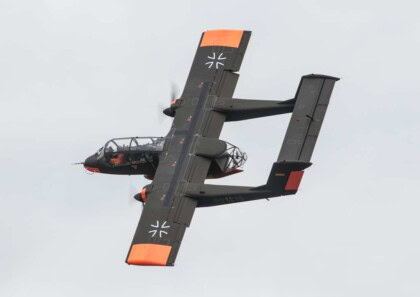
The OV-10 Bronco entered service in the late 1960s as a light attack and observation aircraft. Designed for short-field performance, it featured a twin-boom configuration. The aircraft served in Vietnam and later conflicts.
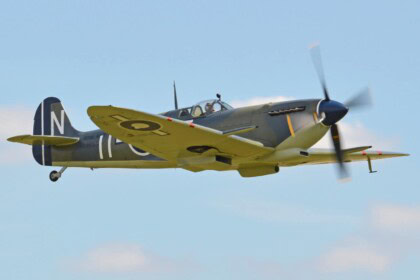
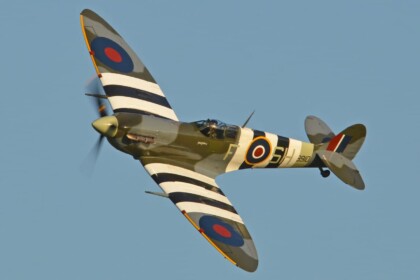
The Supermarine Spitfire was a British fighter aircraft introduced in the late 1930s. Known for its elliptical wing design, it played a crucial role during the Battle of Britain. The aircraft became one of the most recognizable fighters of the war.
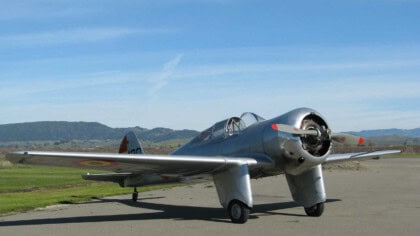
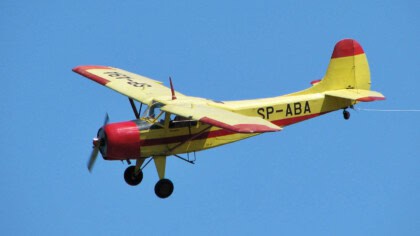
The Yakovlev Yak-12 was introduced in the late 1940s as a light utility aircraft. Designed for liaison and agricultural roles, it served widely in the Soviet Union. The aircraft emphasized short-field performance.