

Military Propellor Planes
Hawker Hurricane
ICAO: HURI
The primary trainer built to introduce generations of military pilots to flight.
The latest aviation news and stories sent to your inbox.
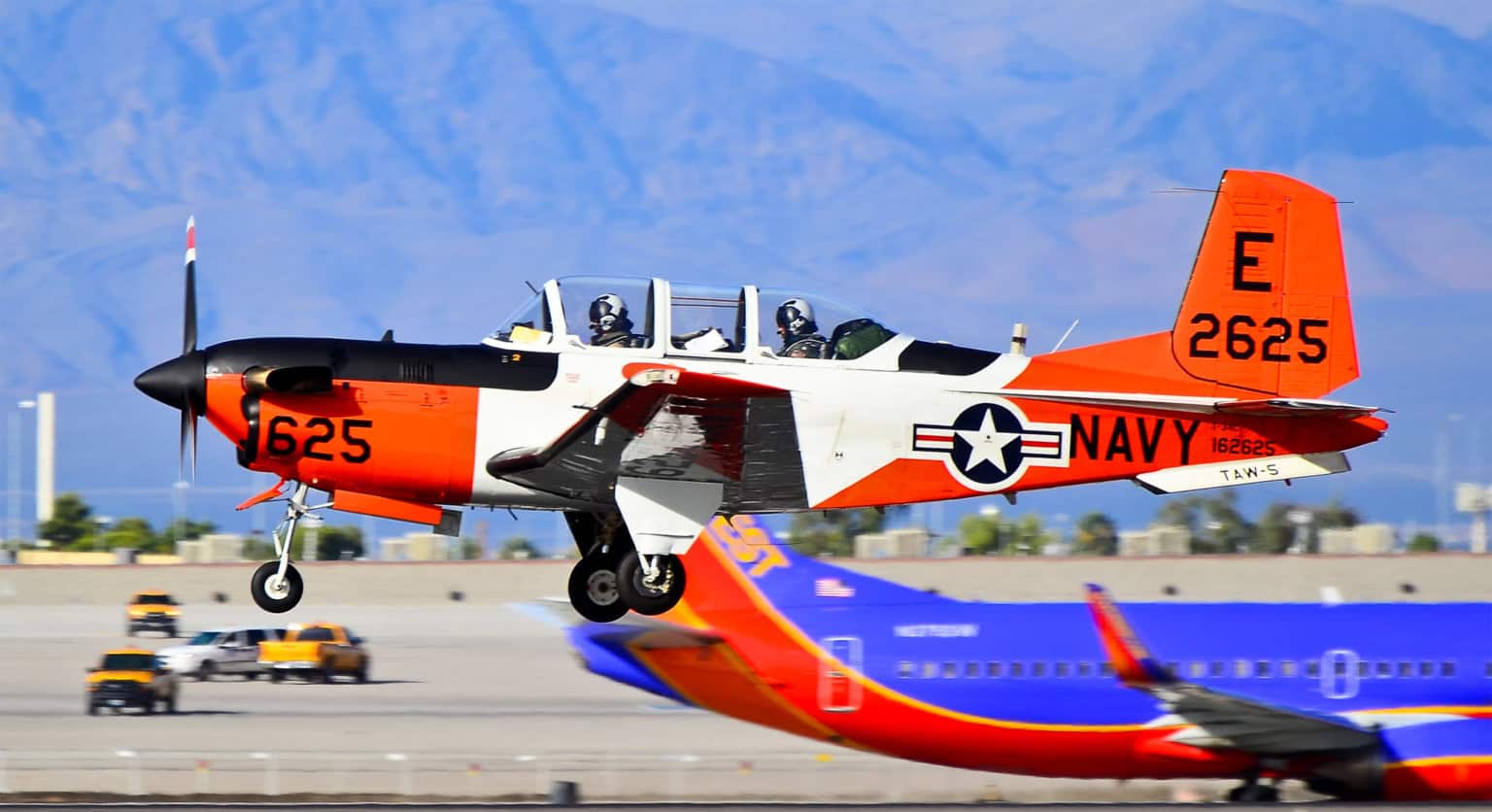
The Beechcraft T-34 Mentor is a single-engine military training aircraft developed from the Bonanza. Designed for primary flight instruction, it served with multiple armed forces for decades. The aircraft became a foundational trainer in postwar military aviation.
Live Fleet Activity (T34T)
Fetching live data…


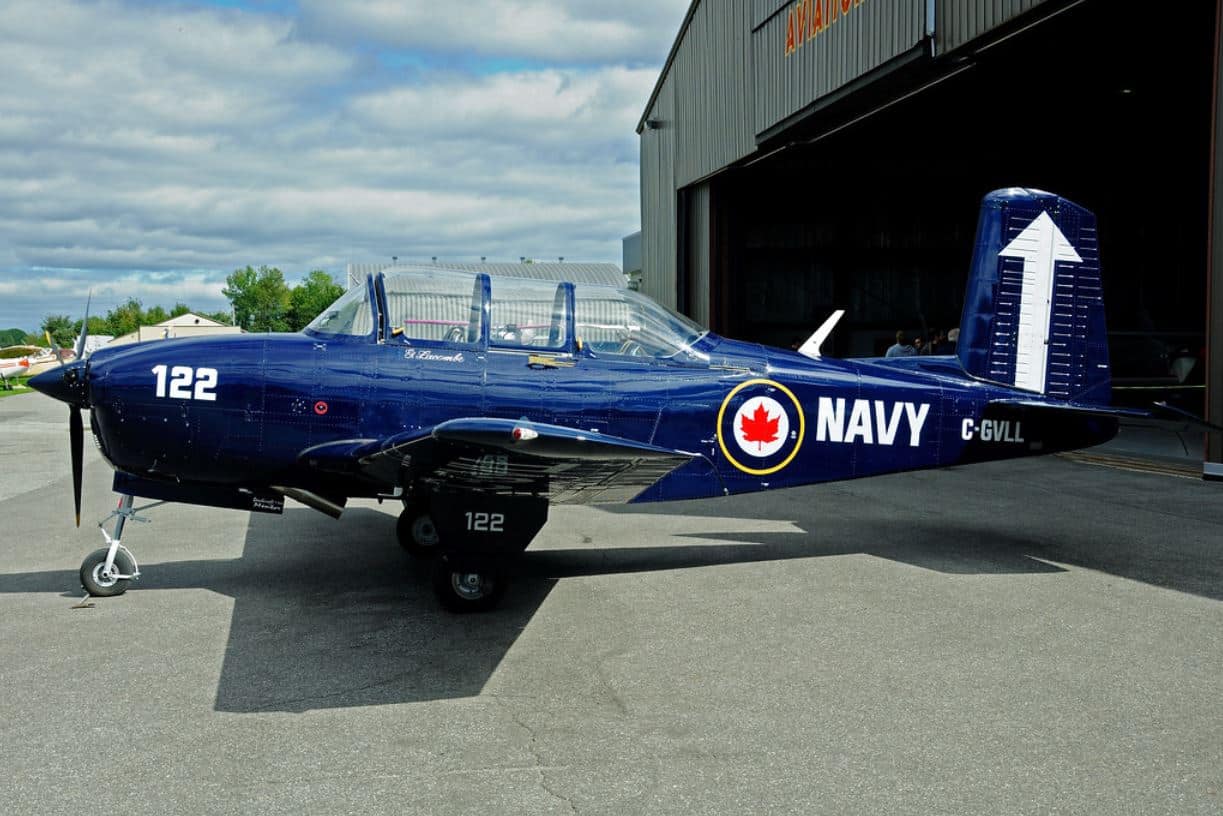


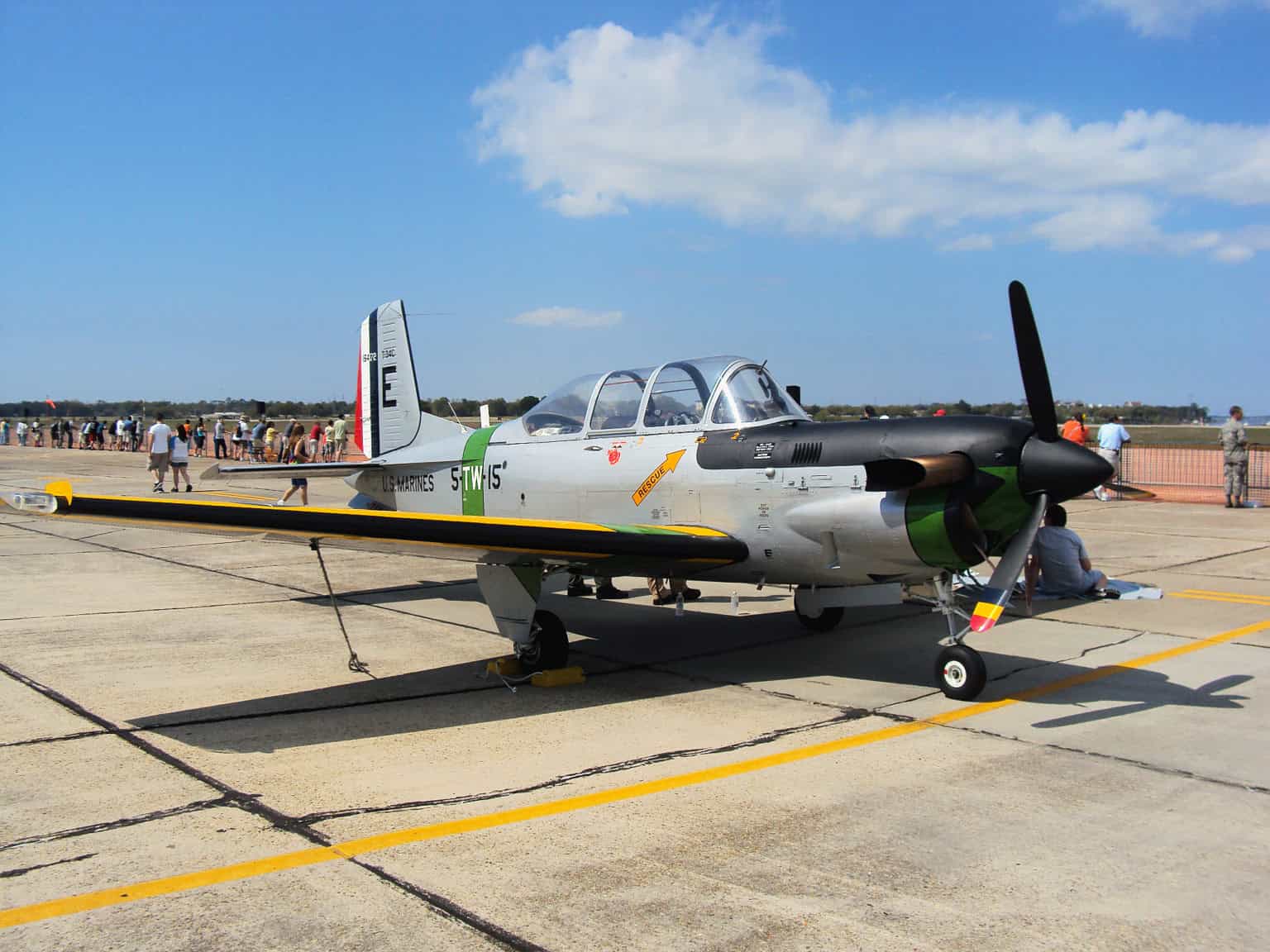
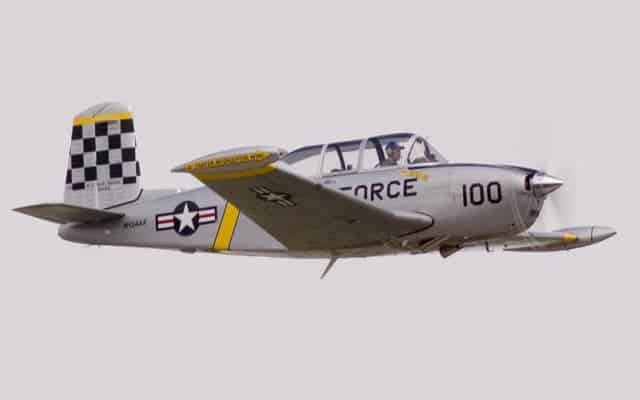


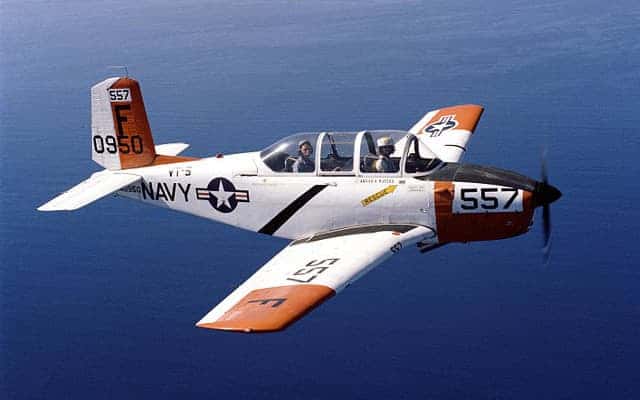
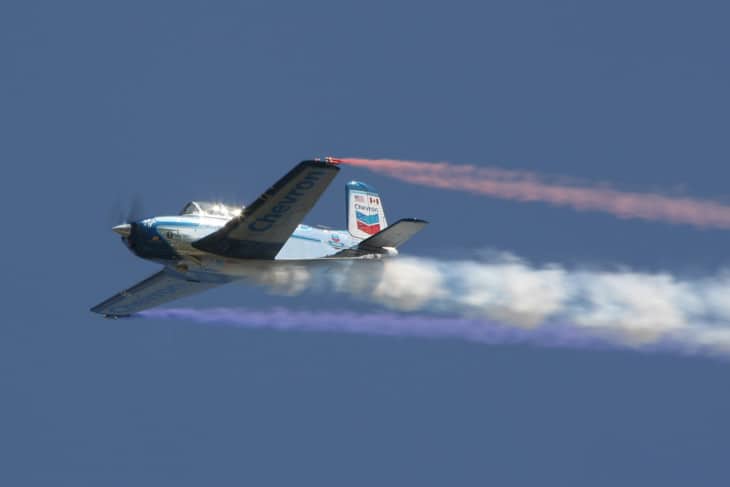
The T-34 first flew in 1948 as a military adaptation of the Beechcraft Bonanza. It entered service in the early 1950s with the United States Air Force and Navy. The aircraft featured tandem seating and enhanced structural strength for training duties.
Powered by a Continental piston engine producing approximately 225 horsepower in early variants, the T-34 cruises at around 160 knots (300 km/h). Maximum takeoff weight is roughly 2,900 pounds (1,315 kg). Later turboprop versions introduced increased performance.
The Mentor was widely exported and served as a primary trainer for many nations. Its straightforward handling characteristics made it well suited to early flight instruction. The aircraft remains a familiar presence in both military and civilian training environments.
Sources and references used for research and fact-checking.


