


Military Propellor Planes
The Fighter Too Advanced for Its Time.
The latest aviation news and stories sent to your inbox.
In an age when aircraft design was evolving faster than ever, the Vultee XP-54 stood out as a bold experiment — a futuristic interceptor with a pusher propeller, tricycle landing gear, and a pressurized cockpit. It promised innovation and power, but reality grounded it before it could ever take flight in combat.
Live Fleet Activity (XP54)
Fetching live data…
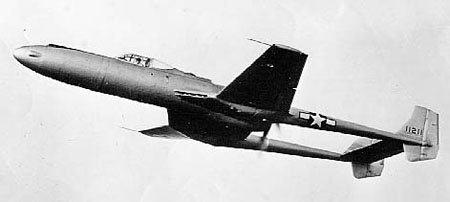
The Vultee XP-54 was an experimental high-altitude fighter prototype built under the U.S. Army Air Corps’ 1939 “R40-C” competition, which sought radical new interceptor designs. Vultee’s proposal, codenamed the “Swoose Goose,” was one of the most unconventional aircraft ever produced by an American manufacturer.
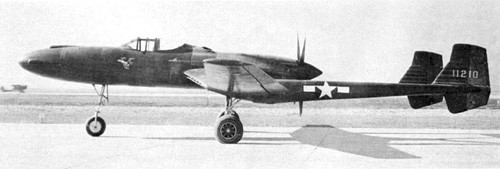
First flown on January 15, 1943, the XP-54 featured a pusher-propeller configuration, meaning its 2,000 hp Lycoming XH-2470-1 engine was mounted behind the cockpit, driving a six-blade propeller at the tail. The layout allowed a streamlined nose and concentrated firepower: two 37 mm cannons and two .50-caliber machine guns in a power-operated nose mount that could pivot up or down to improve firing angles.
The aircraft’s futuristic design included tricycle landing gear, a pressurized cockpit, and a lowering seat mechanism that dropped the pilot below the fuselage for entry and exit — a novel safety feature before ejection seats existed. Despite these innovations, the XP-54’s performance fell short of expectations: a top speed of about 380 mph (610 km/h) and persistent engine reliability issues limited its potential.
Only two prototypes were completed before the project was canceled in 1944. By then, jet propulsion was emerging, and piston-driven interceptors like the XP-54 were already outdated.
Though it never entered production, the Vultee XP-54 remains a fascinating relic of experimental wartime engineering — a reminder of how far designers were willing to go in pursuit of the next leap forward in aerial combat.
Sources and references used for research and fact-checking.


