


Military Propellor Planes
The Flying Eye of the Pacific — The Longest-Serving Flying Boat in History.
The latest aviation news and stories sent to your inbox.
Few aircraft can claim a legacy as enduring as the Consolidated PBY Catalina. From anti-submarine patrols to daring rescues, this graceful flying boat became a symbol of persistence and reach — the eyes and lifeline of Allied forces across the world’s oceans.
Live Fleet Activity (CAT)
Fetching live data…
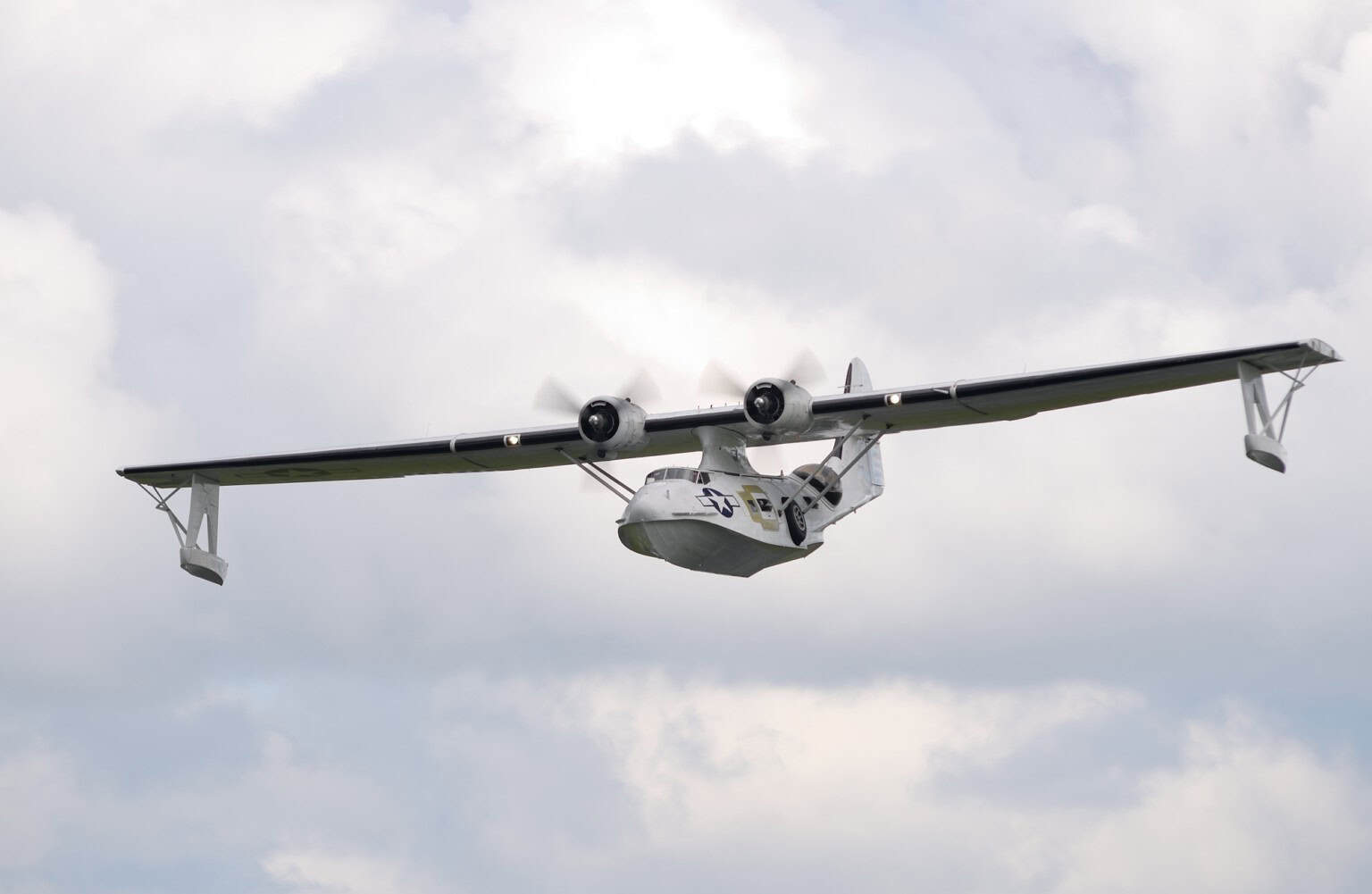
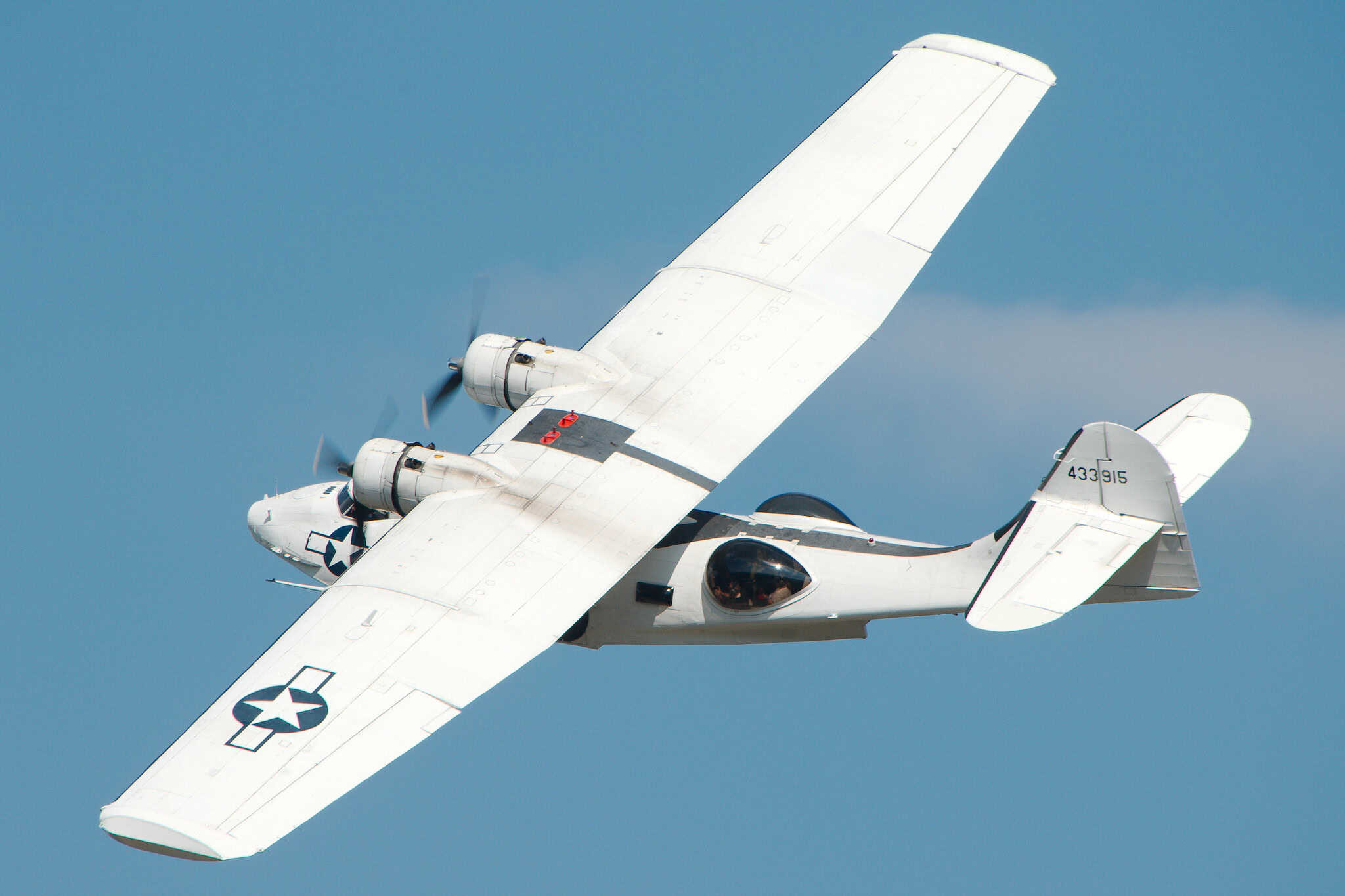
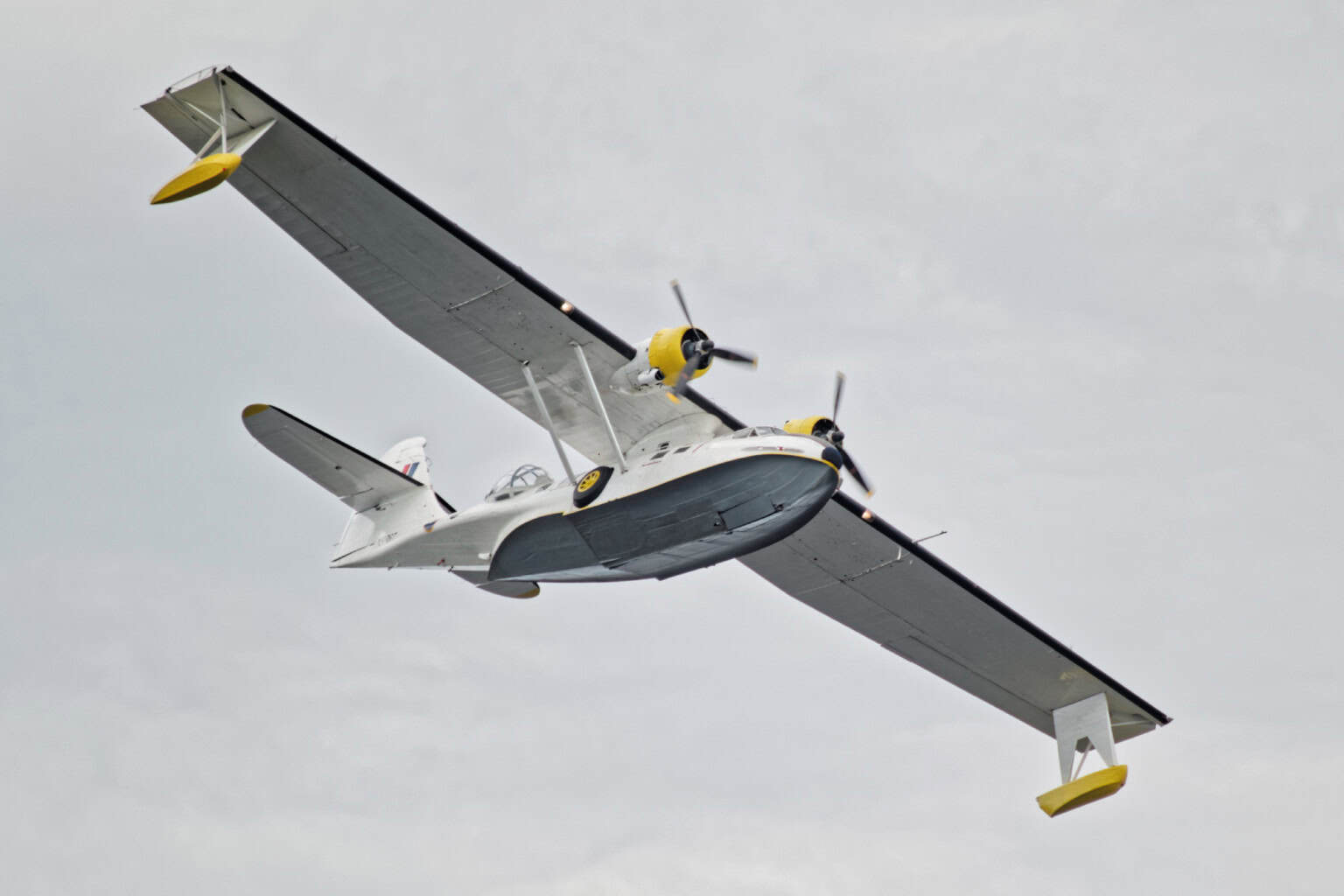
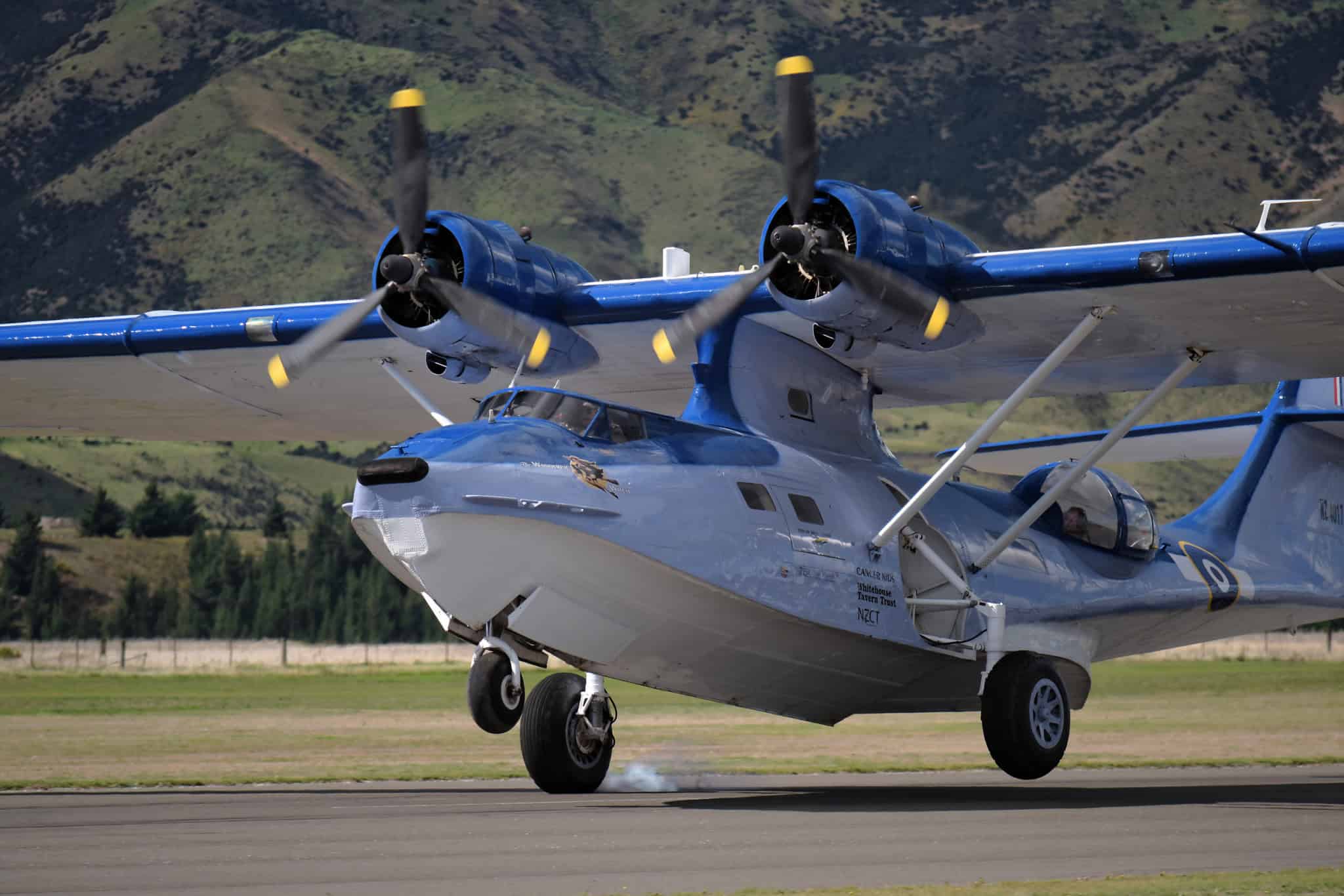
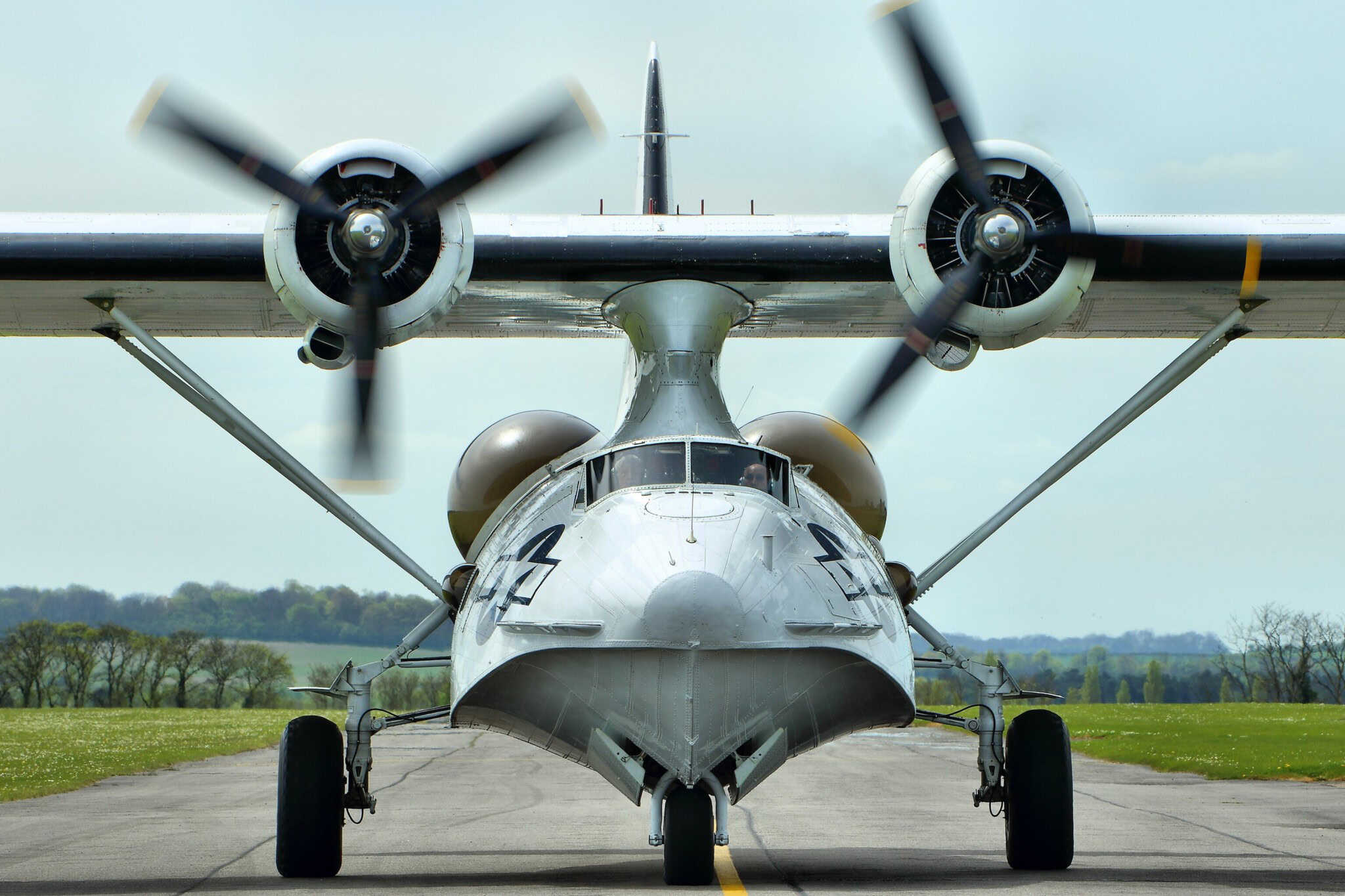
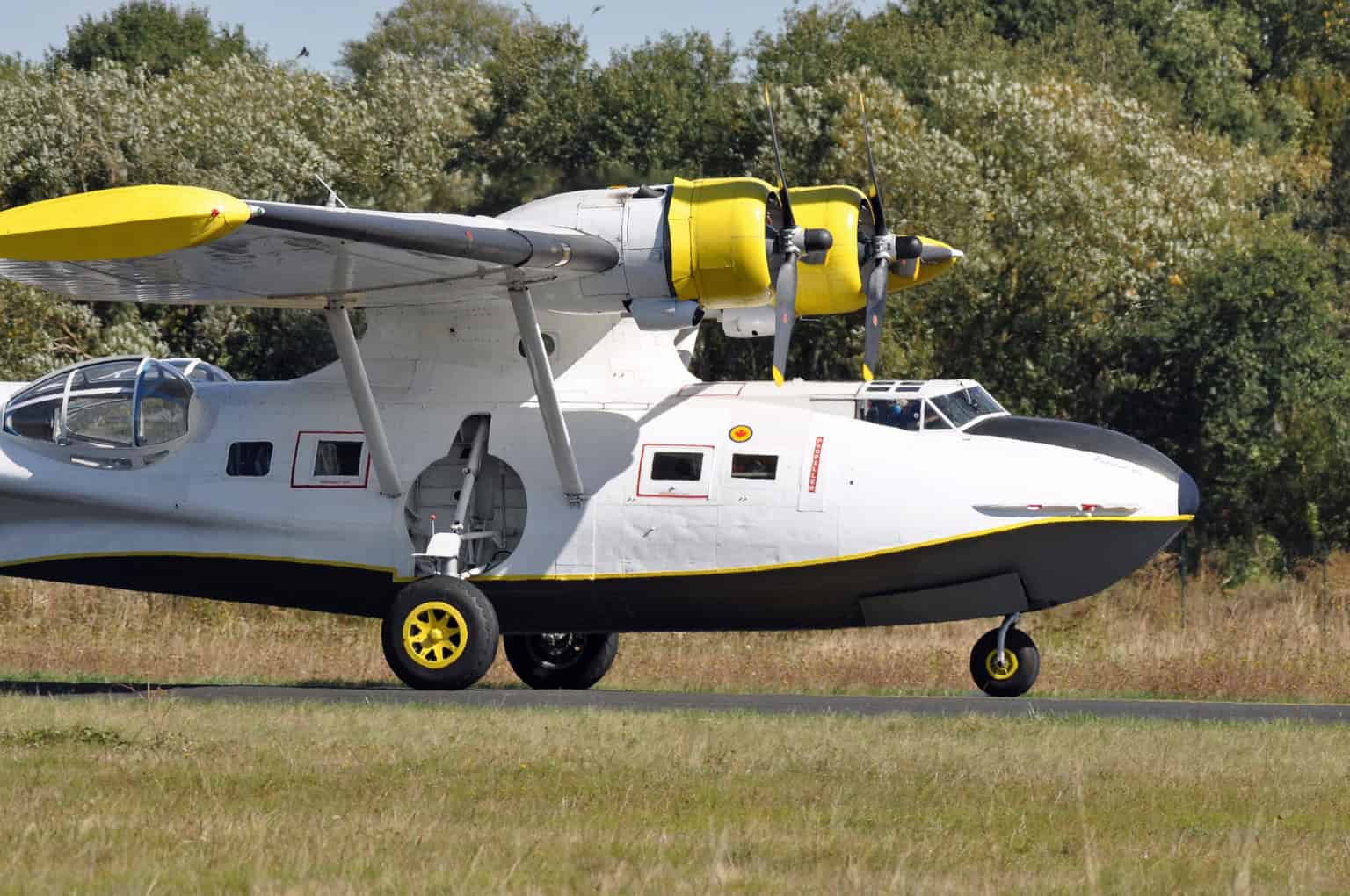
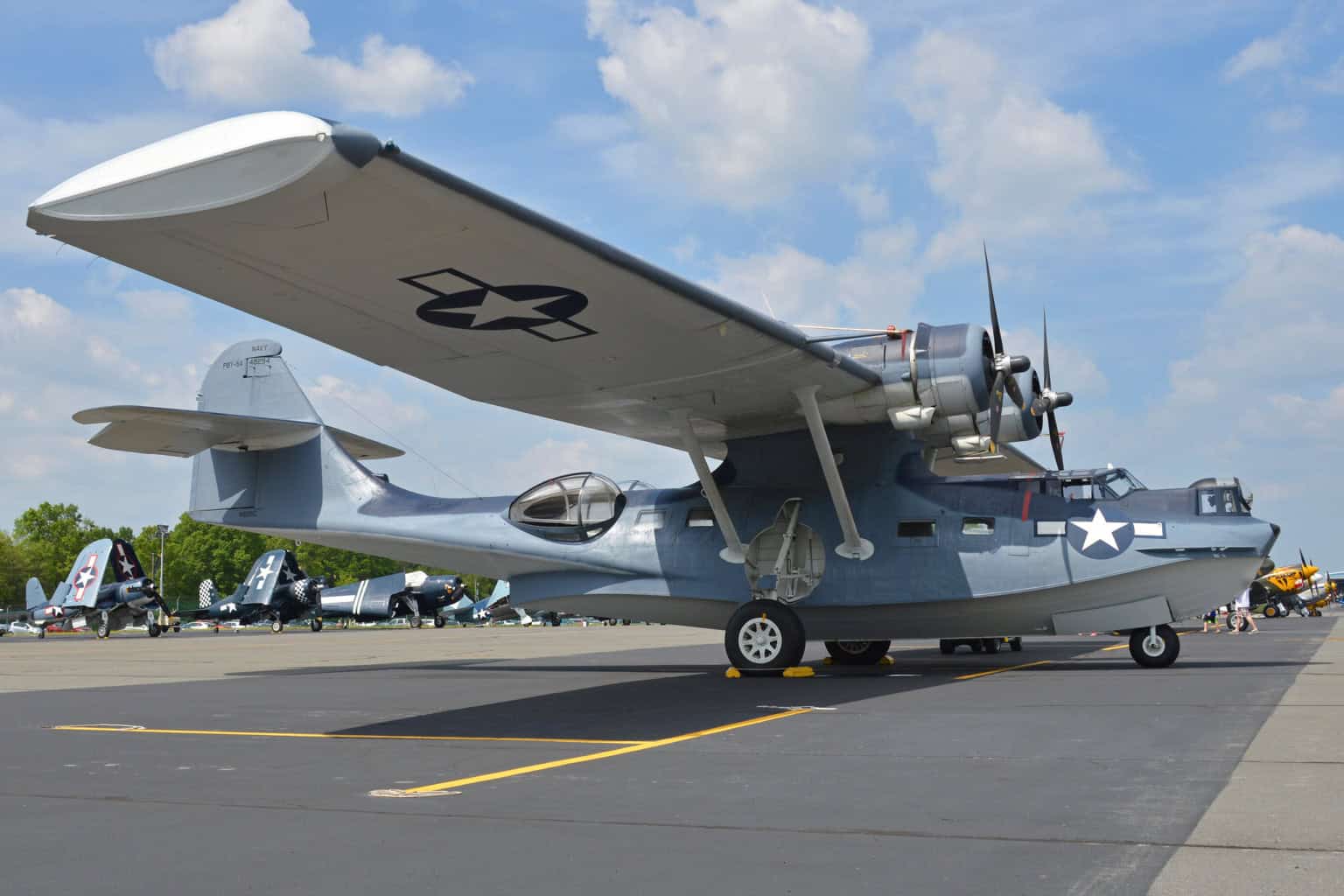
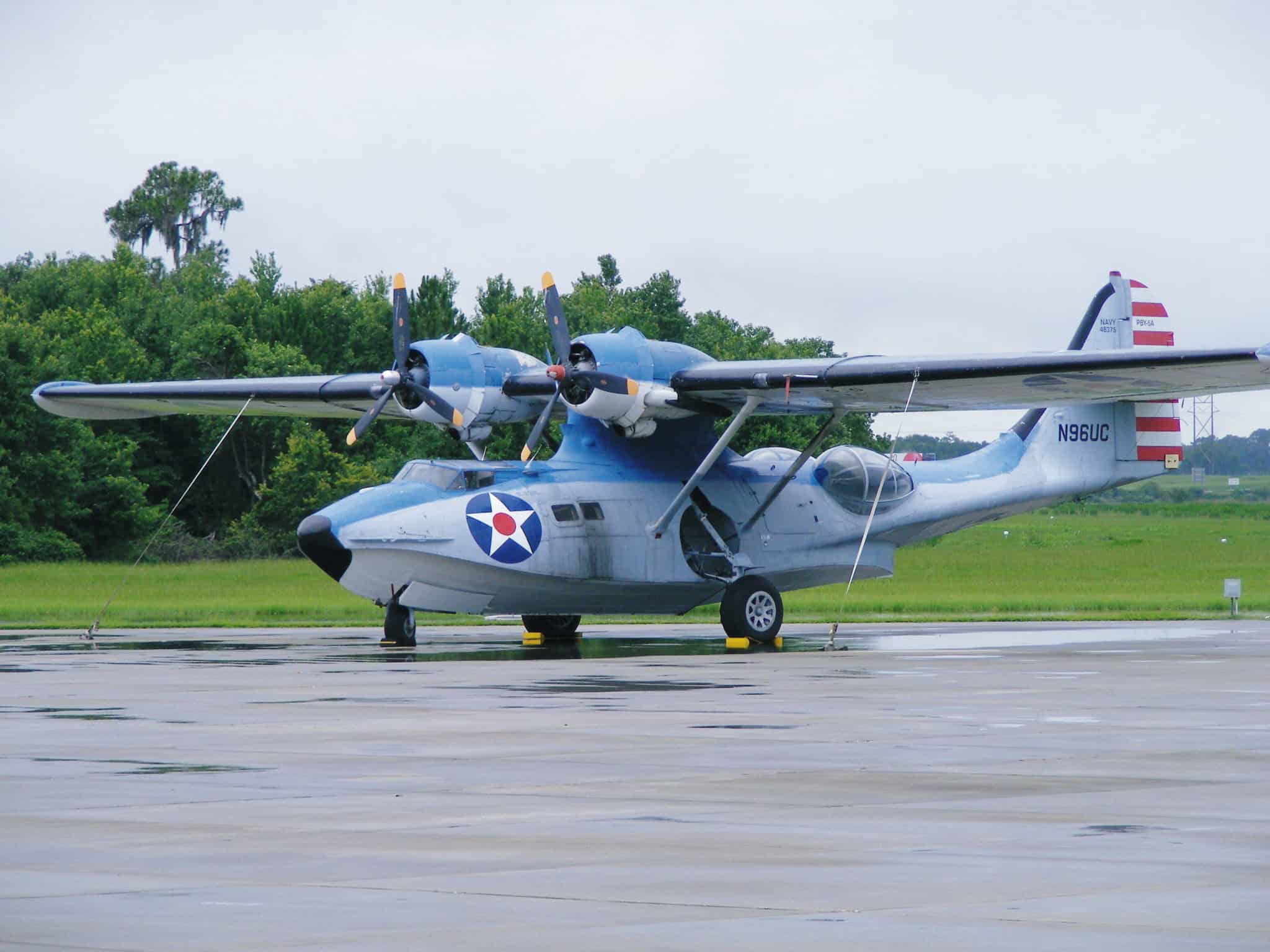
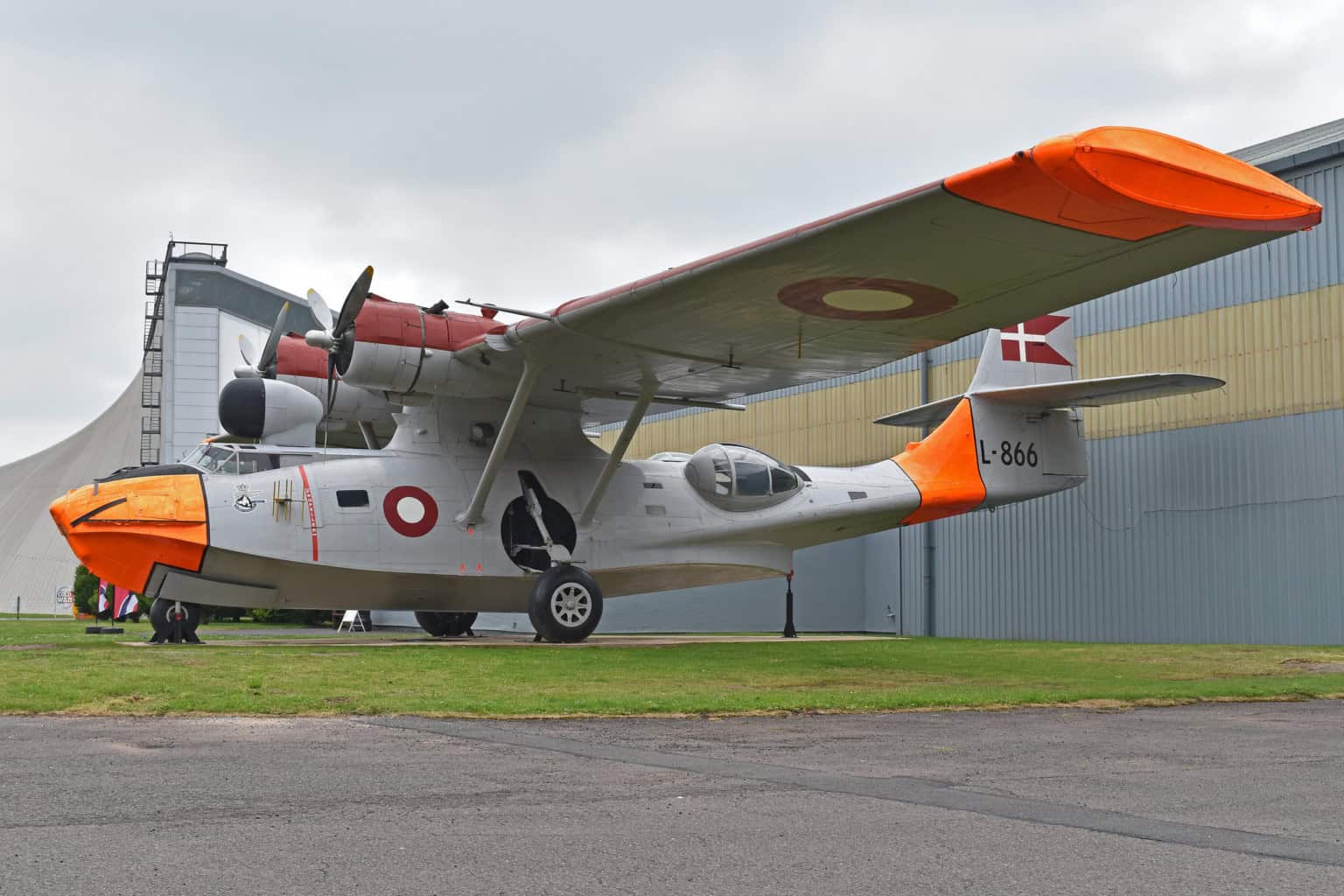
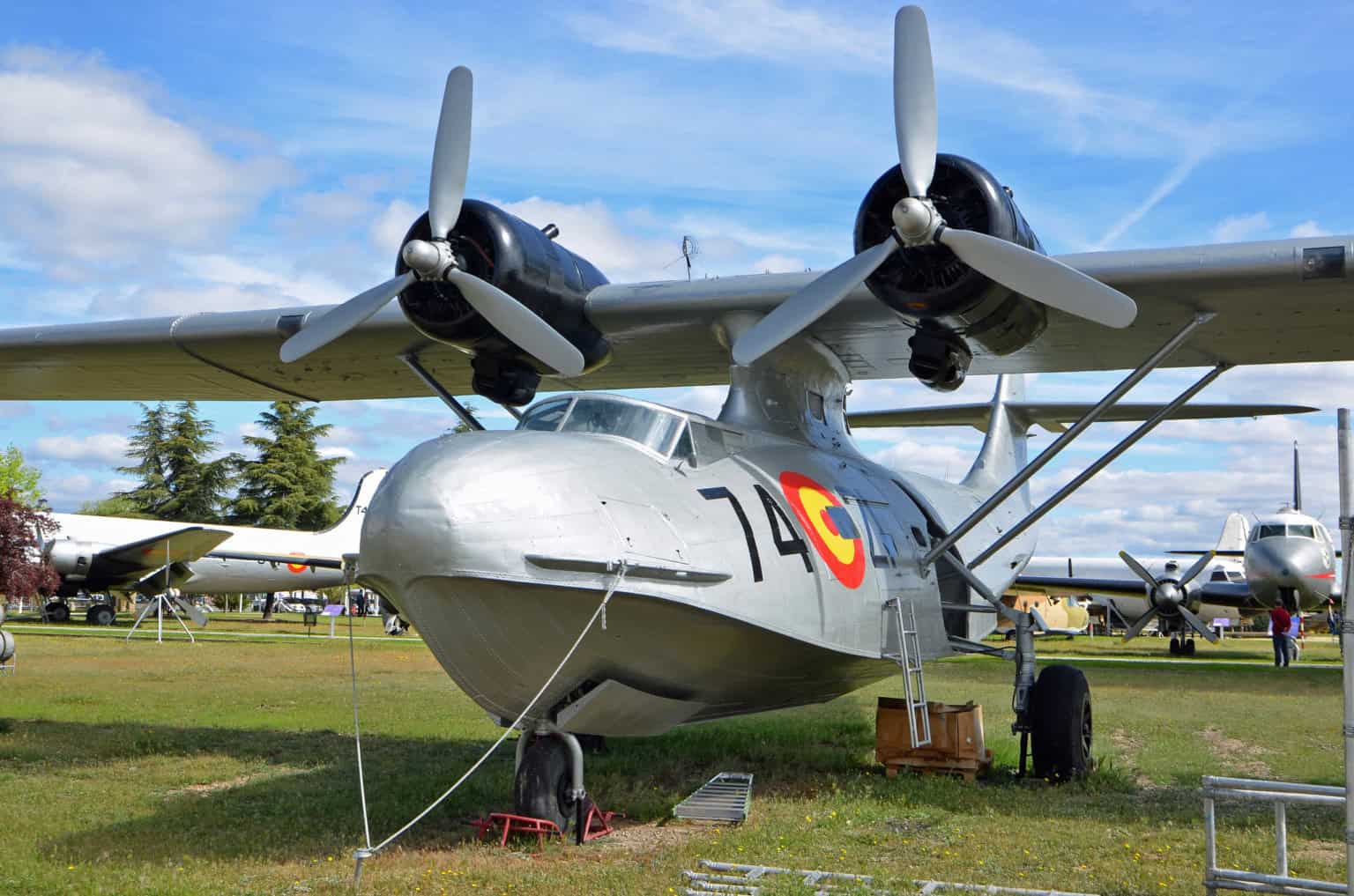
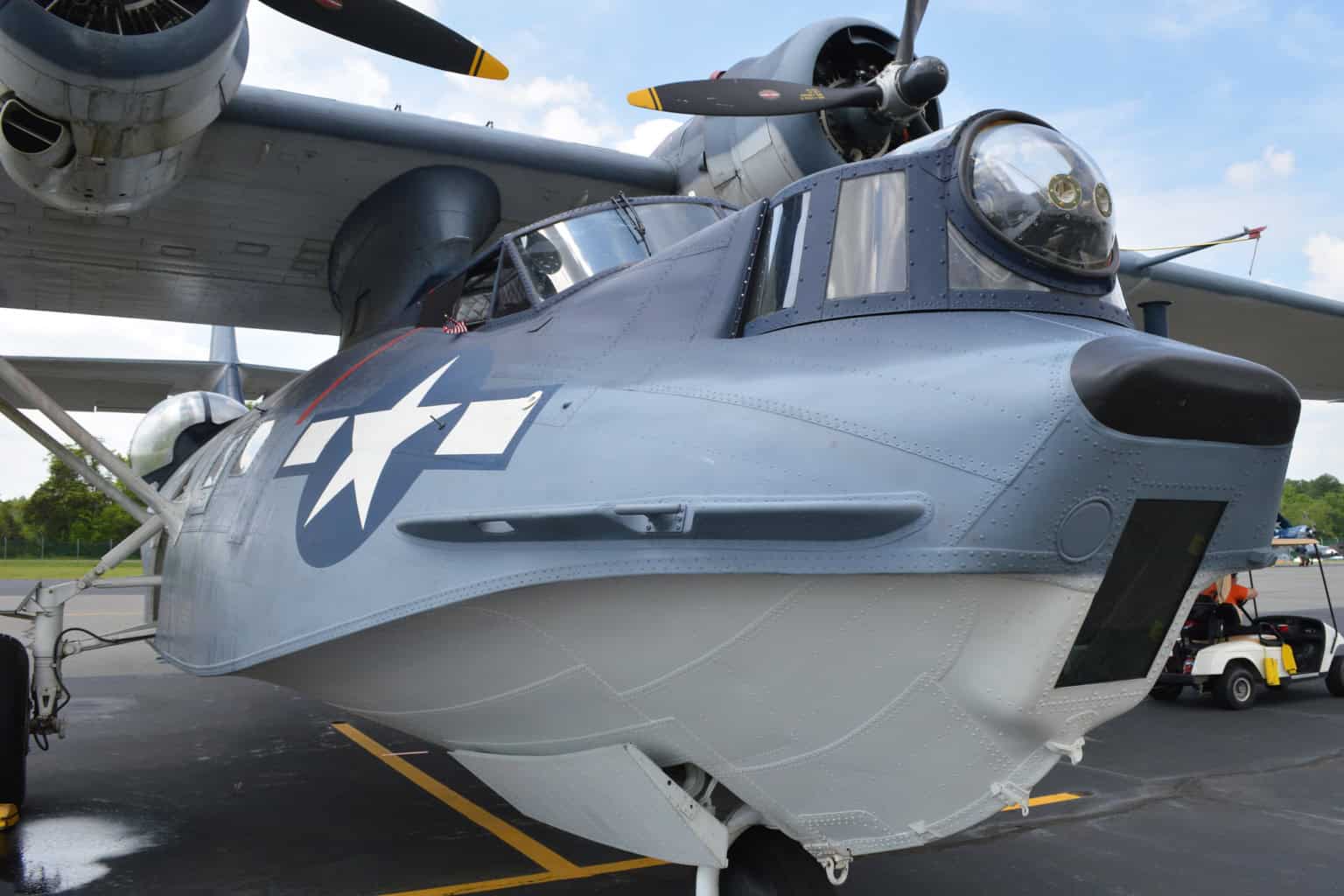
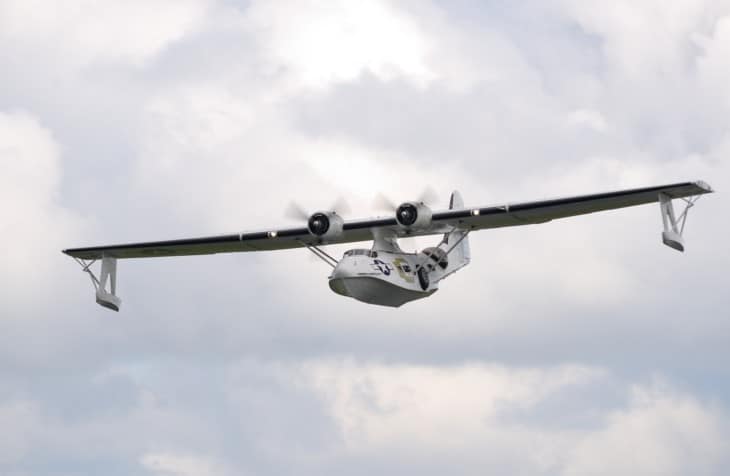
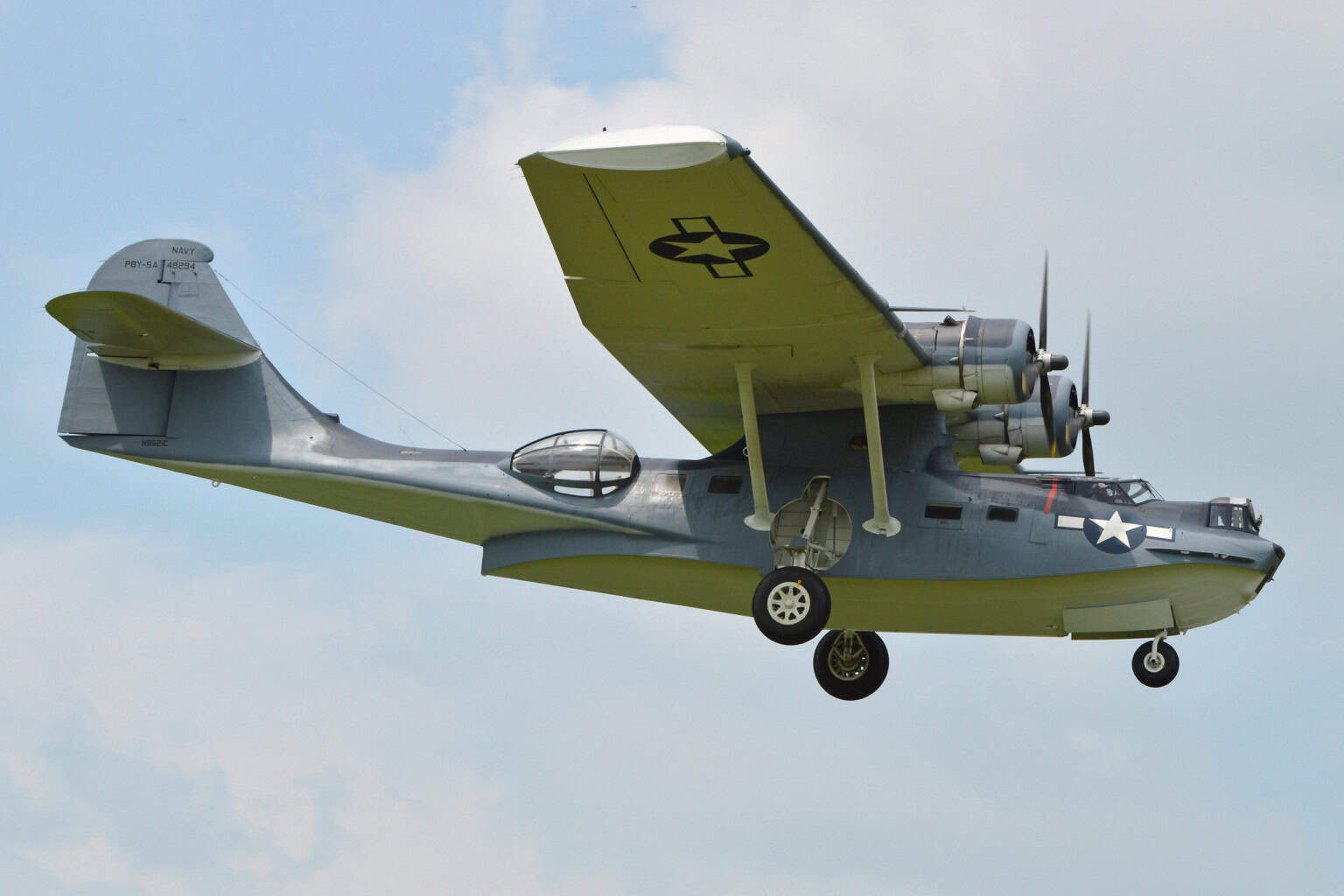
The Consolidated PBY Catalina was one of the most successful and widely used flying boats in history. First flown in March 1935, it was adopted by the U.S. Navy in 1936 and went on to serve with more than 30 allied nations during World War II.
Powered by two Pratt & Whitney R-1830 Twin Wasp radial engines producing 1,200 horsepower each, the Catalina could reach speeds of about 179 mph (288 km/h) and fly up to 2,520 miles (4,050 km) — an extraordinary range that allowed it to patrol vast ocean areas for up to 20 hours at a time. Its crew of eight operated a mix of .30- and .50-caliber machine guns, and it could carry 4,000 pounds (1,800 kg) of bombs, depth charges, or torpedoes.
The Catalina performed virtually every maritime role imaginable: submarine hunting, reconnaissance, convoy escort, air-sea rescue, and long-range transport. Its ability to land on open water made it invaluable for downed aircrew rescues — missions that earned it the affectionate nickname “Dumbo.”
More than 3,300 Catalinas were built in the United States, Canada, and under license in other Allied countries. They served not only throughout the war but well into the 1950s, with some continuing in civilian roles for decades afterward as water bombers and survey aircraft.
Elegant, reliable, and astonishingly durable, the PBY Catalina remains one of aviation’s most beloved icons — the flying boat that turned the world’s oceans into runways.
Sources and references used for research and fact-checking.


