Military Propellor Planes
The Dive-Bomber That Hit Hard — and Faded Fast.
The latest aviation news and stories sent to your inbox.
Conceived in the early years of World War II, the Vultee A-31 Vengeance was America’s answer to the demand for a precision dive-bomber. Rugged, reliable, and deadly in a dive, it earned a solid reputation among Allied pilots — even as the world of air combat was already moving beyond its design.
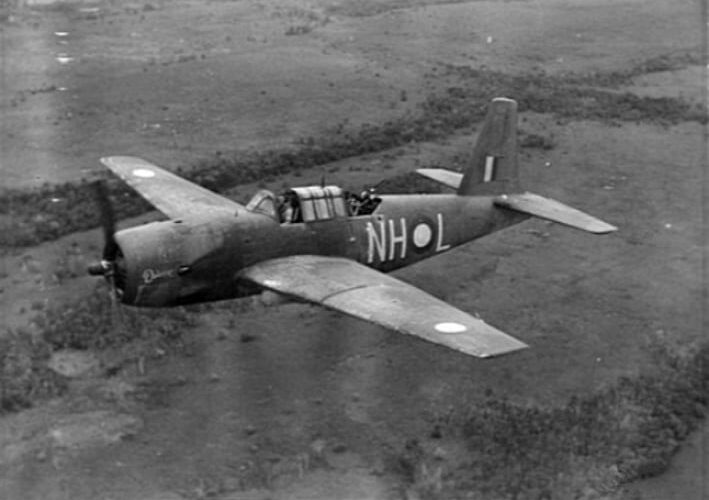
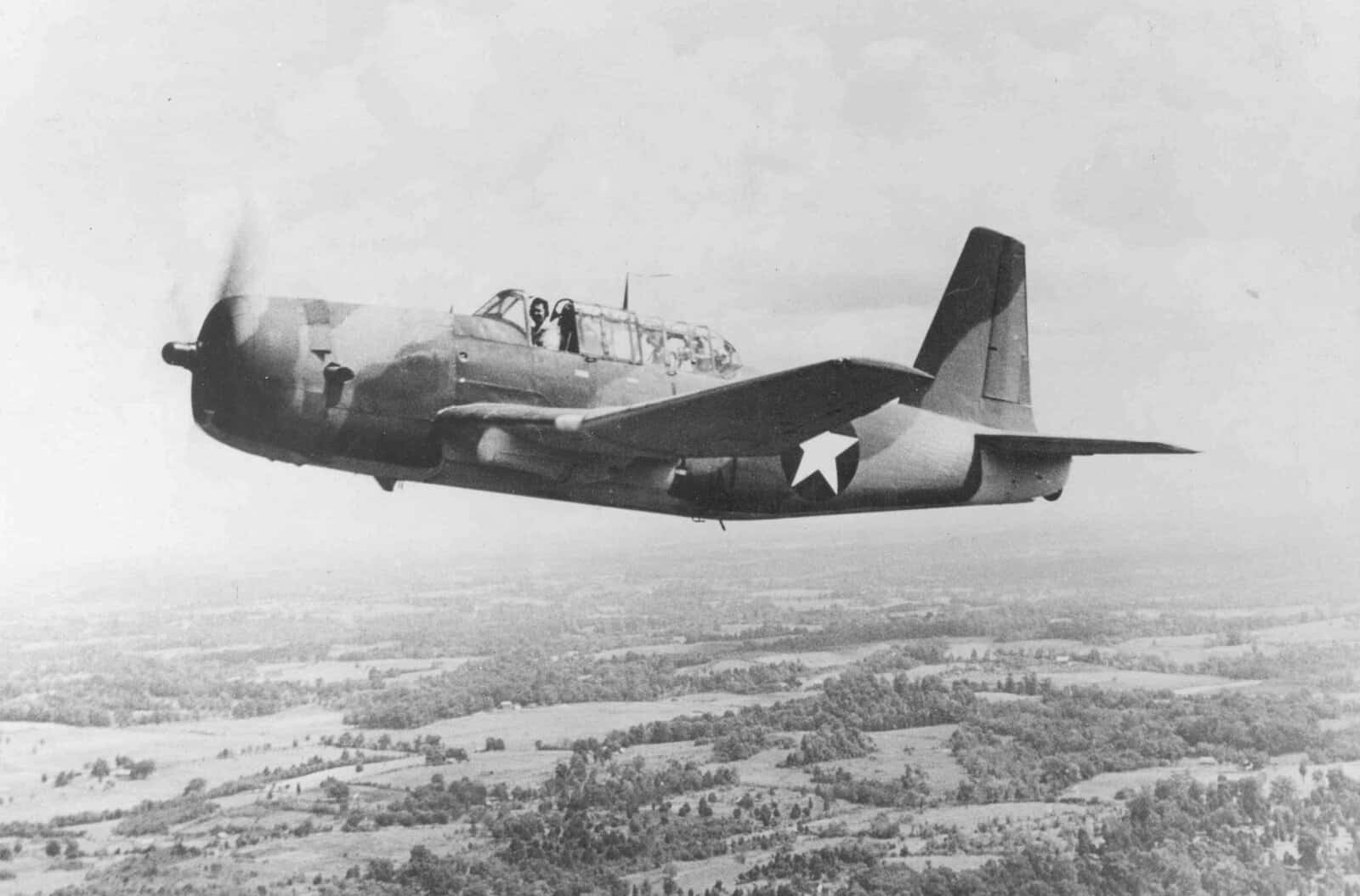
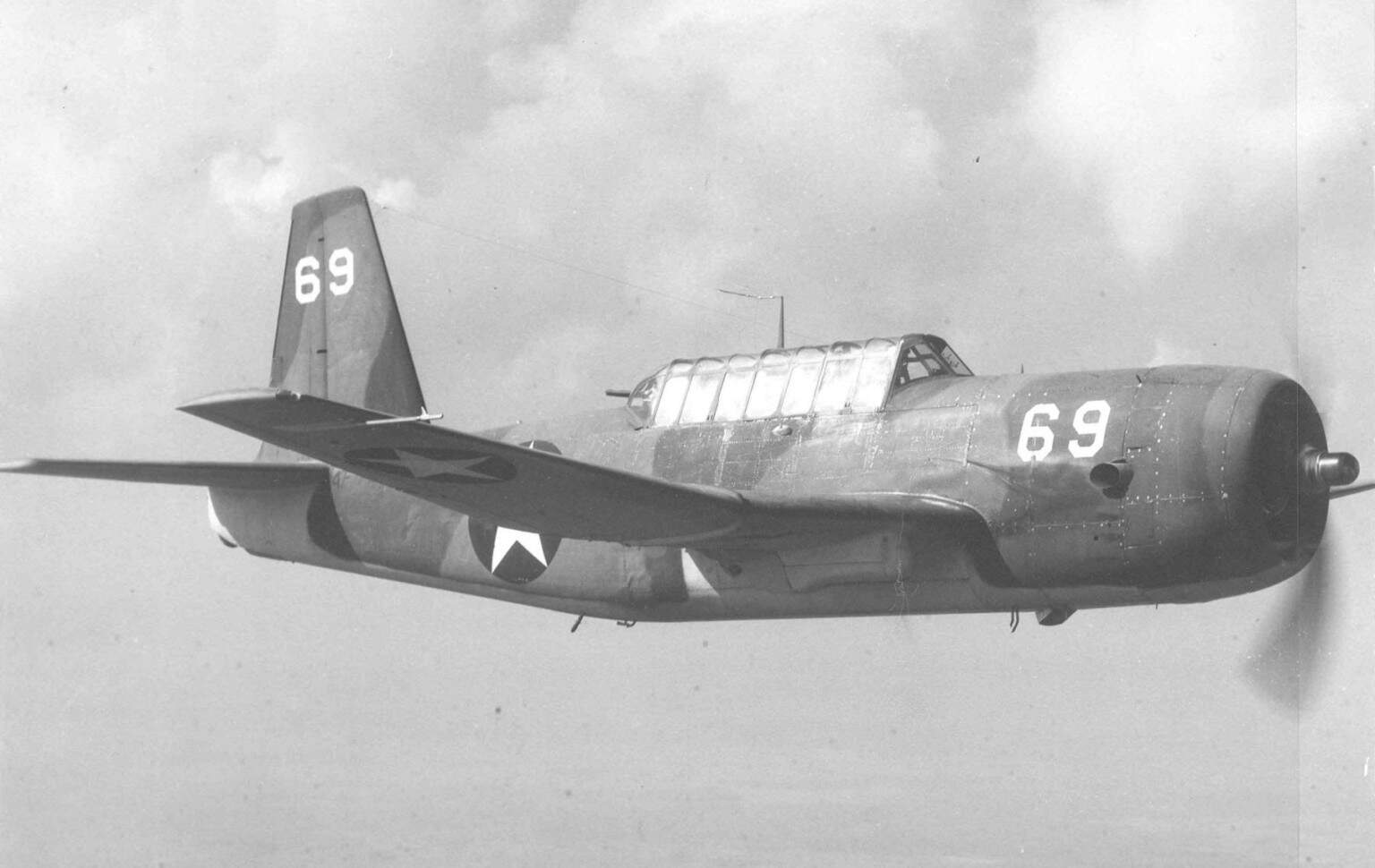
The Vultee A-31 Vengeance was a single-engine dive-bomber designed by Vultee Aircraft in 1940 to meet both U.S. and British requirements. The Royal Air Force, seeking a dedicated dive-bomber for ground attack missions, ordered the type even before its first flight in March 1941.
Powered by a 1,700 hp Wright R-2600-19 Twin Cyclone radial engine, the A-31 could reach 275 mph (443 km/h) and had a range of about 1,100 miles (1,770 km). Its narrow, inverted-gull wing design provided excellent downward visibility and stability during steep dives. The aircraft carried a crew of two — pilot and rear gunner — and could deliver up to 1,500 pounds (680 kg) of bombs with remarkable accuracy.
The Vengeance entered operational service with the Royal Air Force, Royal Australian Air Force, and Indian Air Force, seeing combat in Burma, India, and New Guinea from 1942 to 1944. Pilots praised its ruggedness and precision, but as the war progressed, faster and more versatile fighter-bombers like the P-47 Thunderbolt and Hawker Typhoon made the dedicated dive-bomber obsolete.
Production eventually totaled about 1,900 aircraft, including later A-35 variants used by the U.S. Army Air Forces primarily for training and target towing.
Though its combat career was short, the Vultee Vengeance proved that even in obsolescence, good design and determination could deliver accuracy and impact — a fierce yet fleeting chapter in the story of Allied air power.
Sources and references used for research and fact-checking.