Military Propellor Planes
The Classroom of the Sky — Training the Pilots Who Won the War.
The latest aviation news and stories sent to your inbox.
Before young American pilots ever touched the controls of a fighter or bomber in World War II, they learned their craft in the Vultee BT-13 Valiant. Known to its students as the “Vultee Vibrator,” this rugged blue trainer was the bridge between rookie cadets and combat-ready aviators.
Live Fleet Activity (VALI )
Fetching live data…
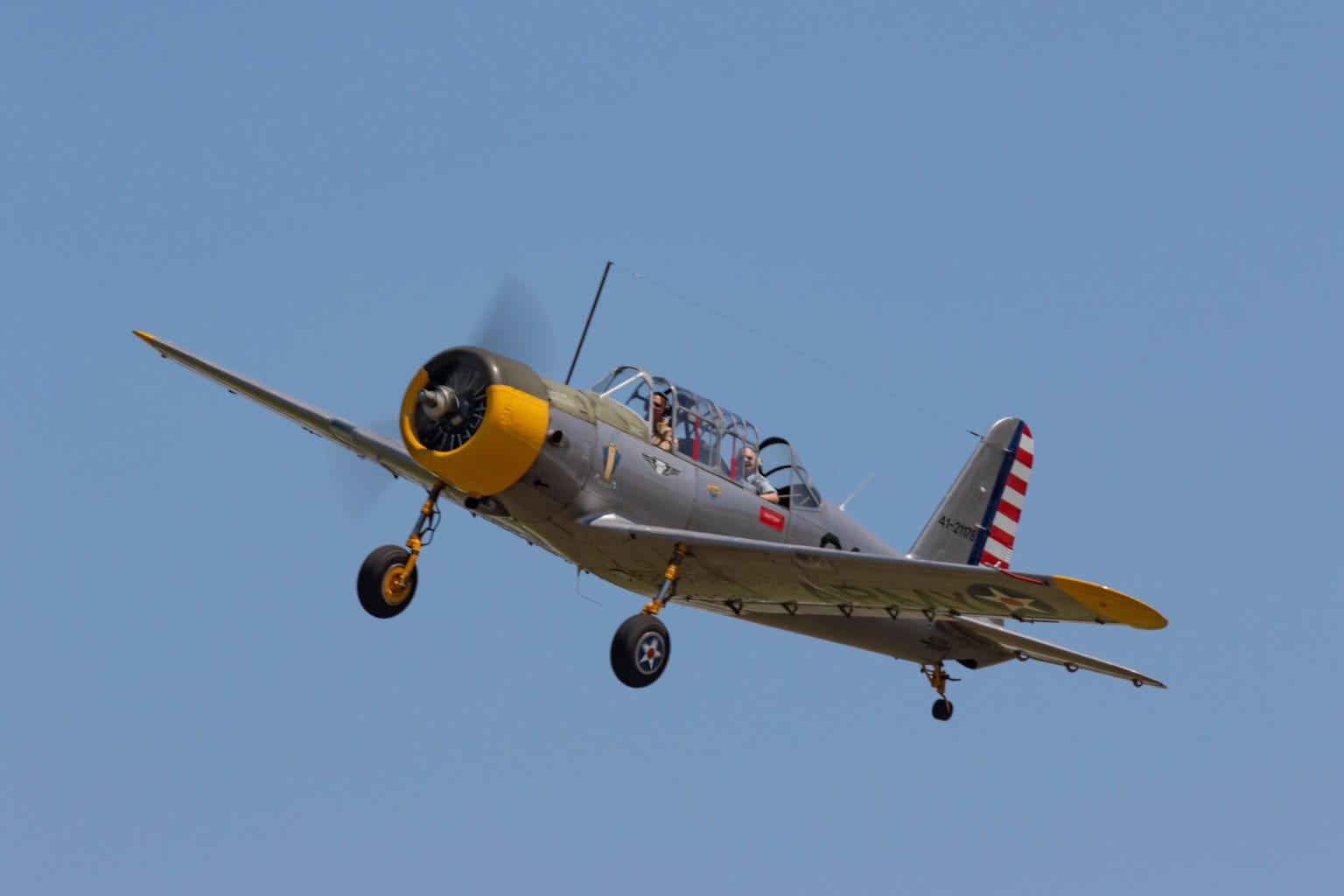

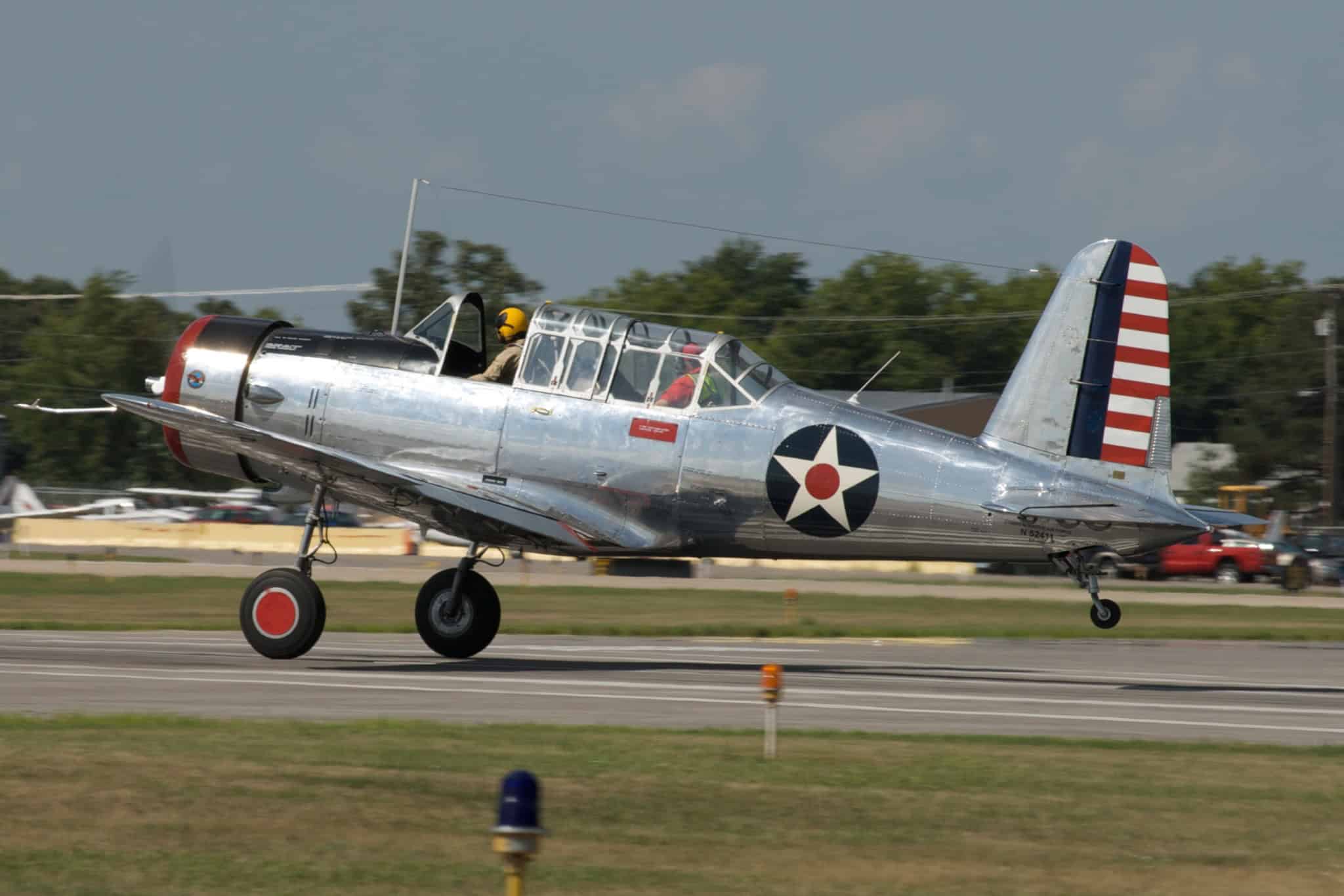

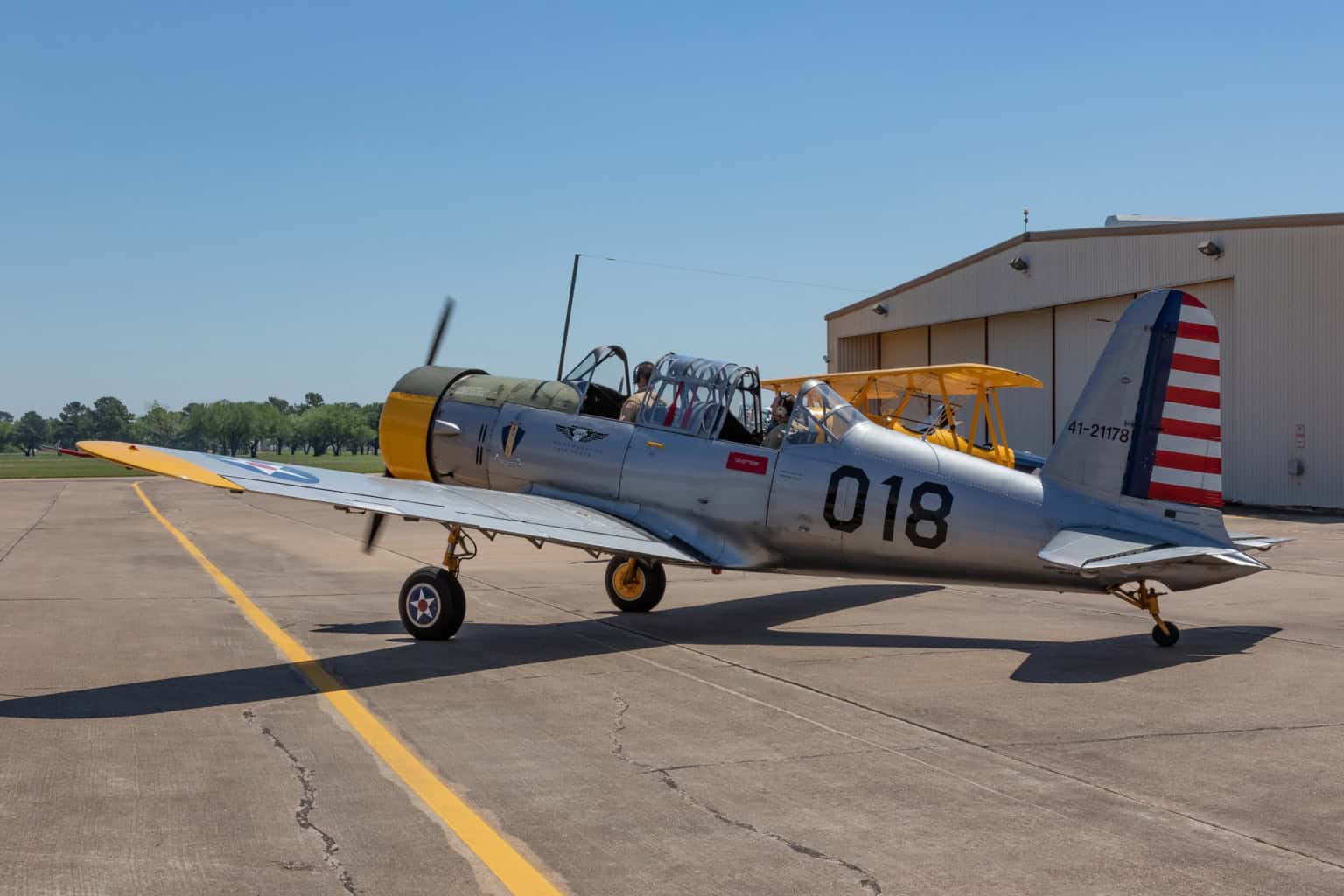
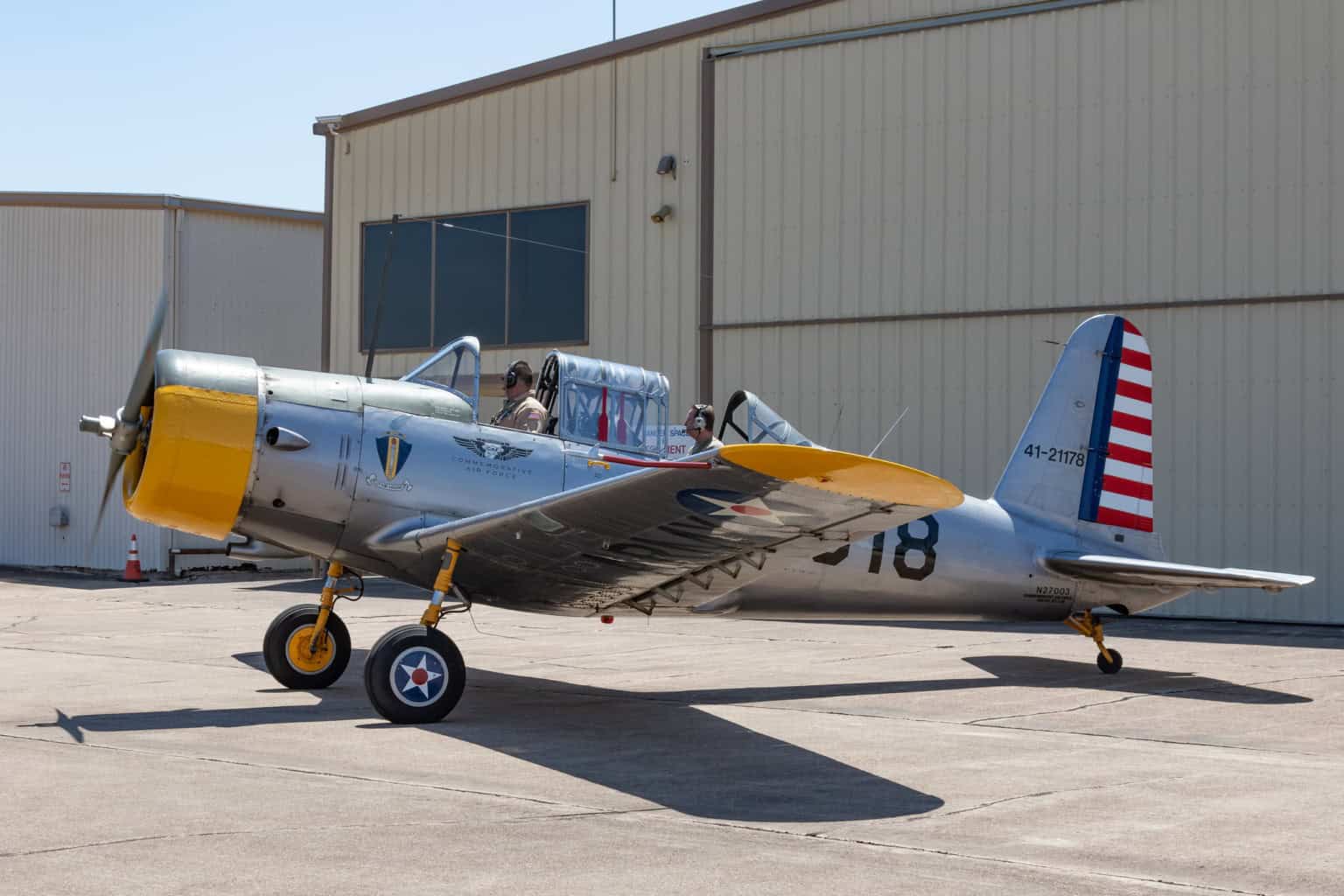

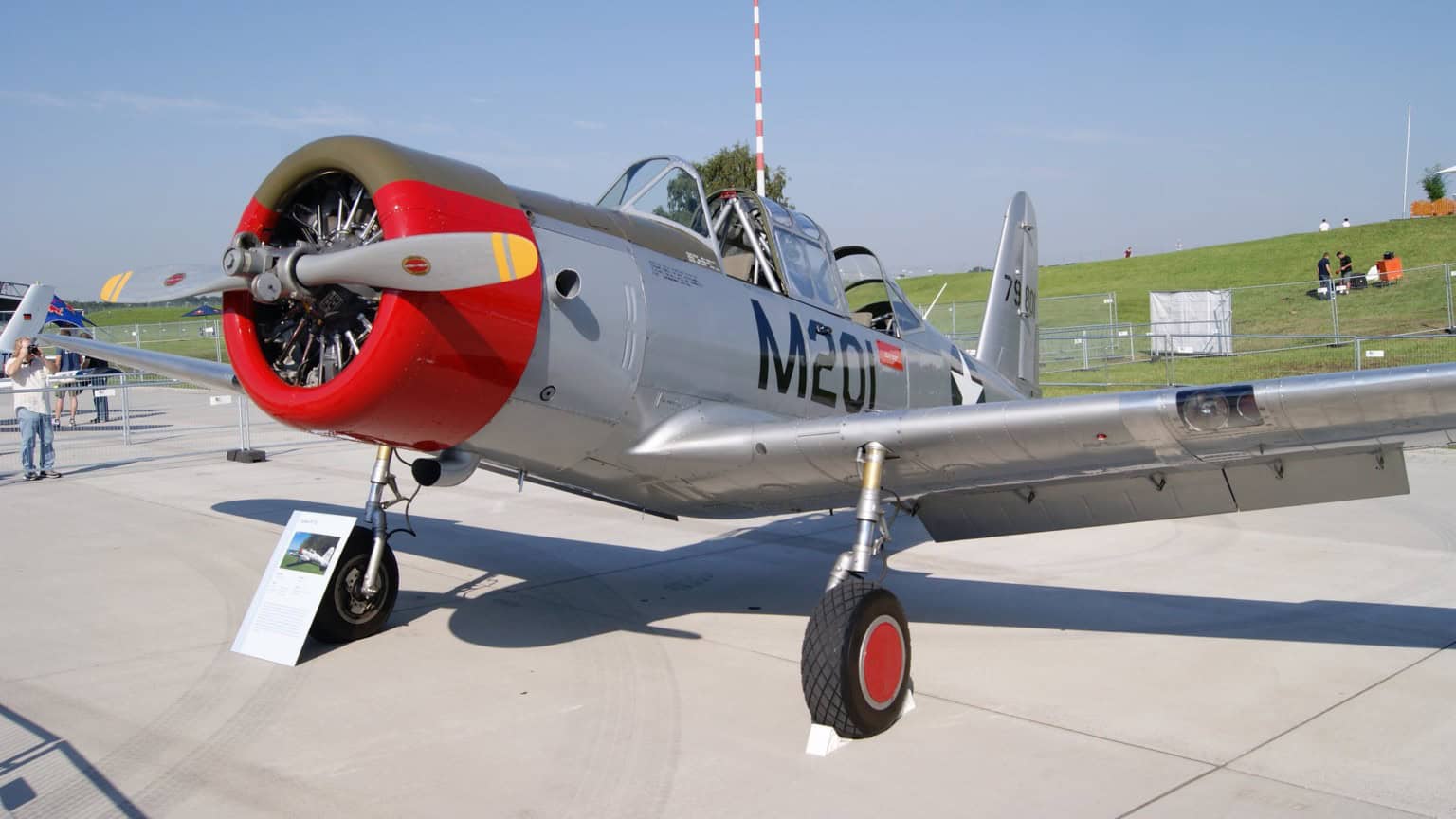
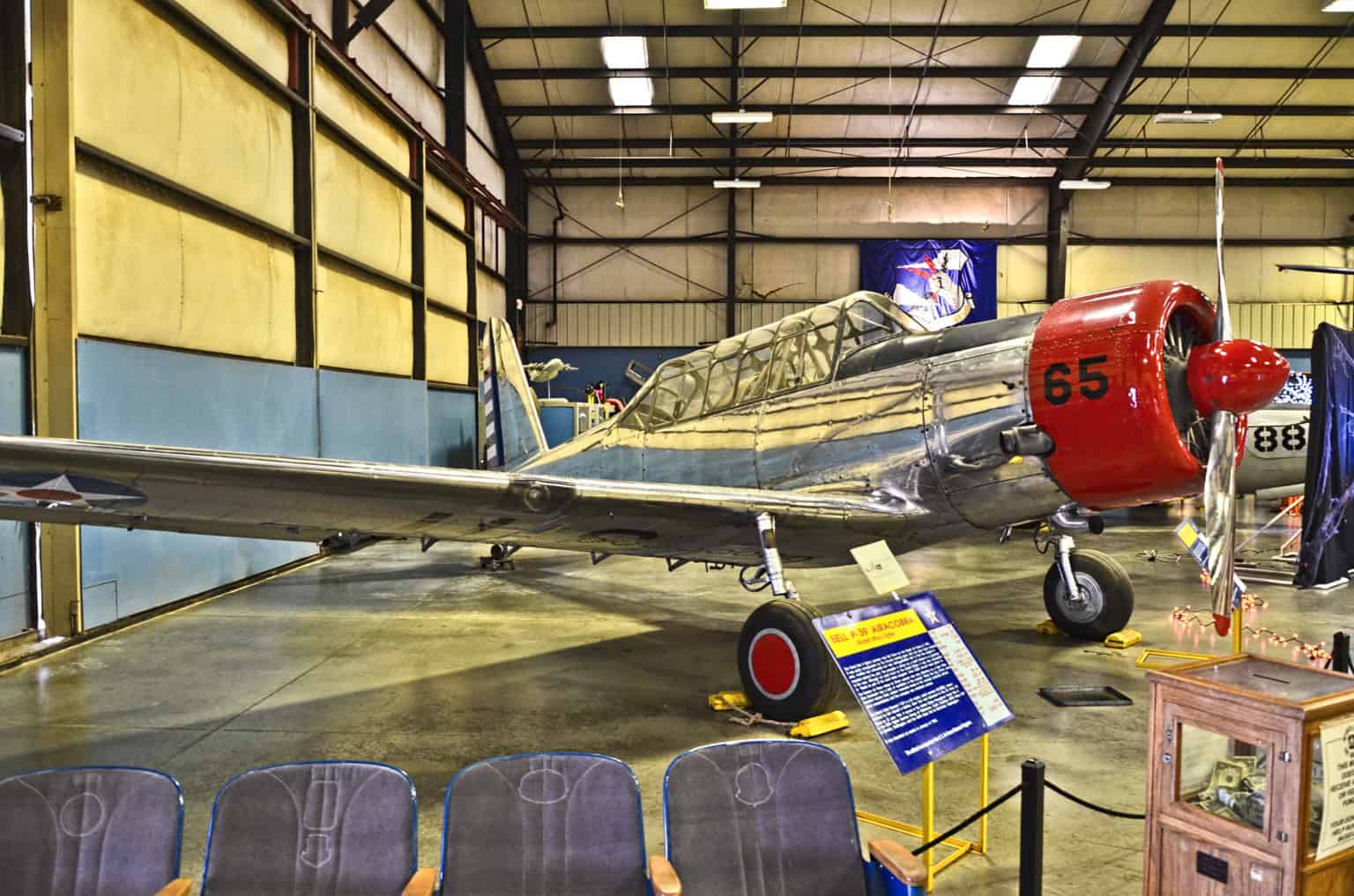

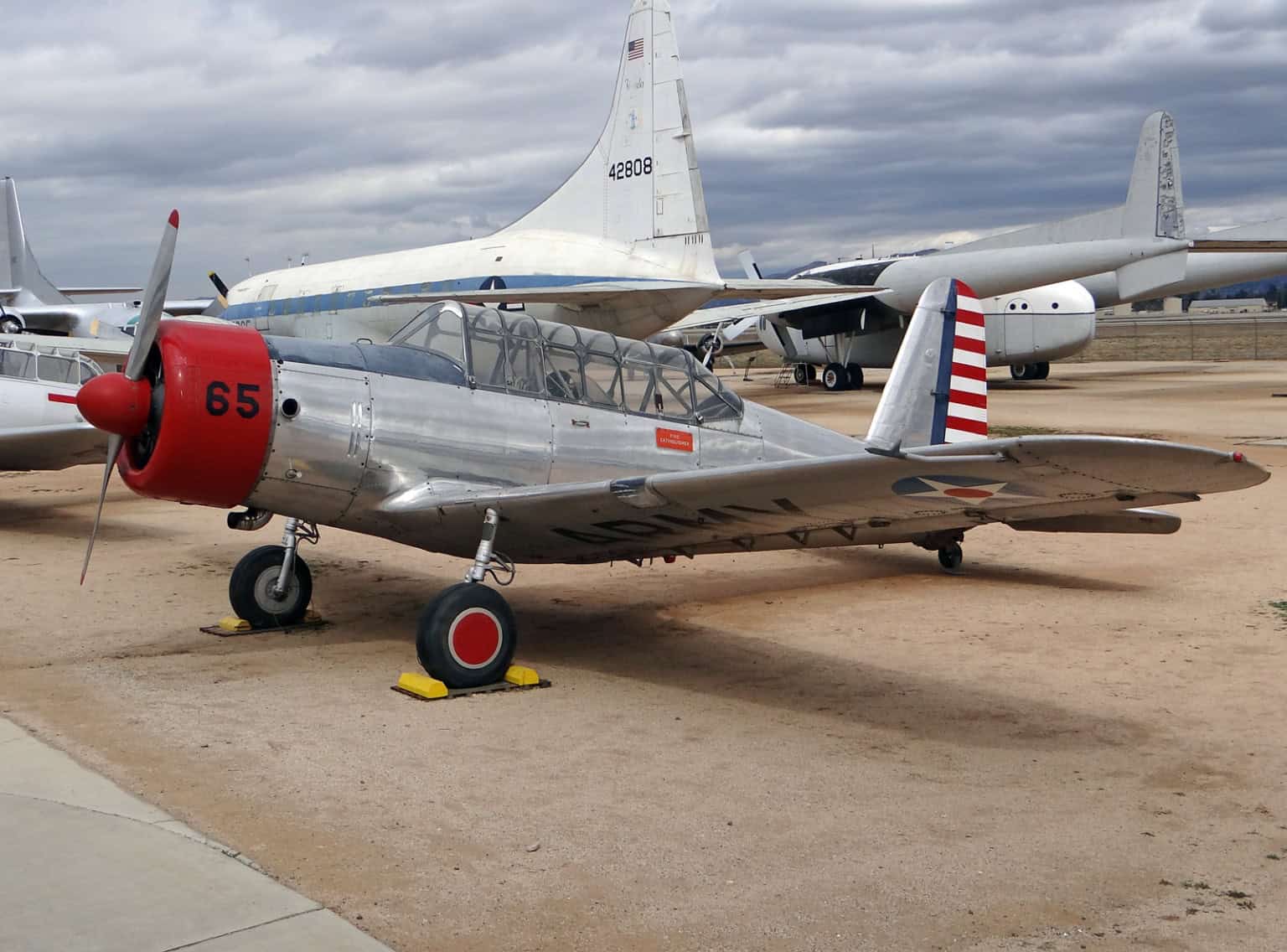
The Vultee BT-13 Valiant was a pivotal American military trainer aircraft of the Second World War, designed and built by Vultee Aircraft Corporation for the United States Army Air Forces (USAAF) and allied services. Its first flight was in March 1939, and it entered service in June 1940.
Positioned between the simpler primary trainers and high-performance advanced trainers, the BT-13 filled the “basic” phase of the three-stage pilot training program (primary → basic → advanced).
The aircraft featured a low-wing monoplane design with fixed landing gear (tail-wheel configuration), tandem seating for instructor and trainee, and was powered typically by a Pratt & Whitney R-985 radial engine of about 450 hp. Because of its increased complexity (radio communications, landing flaps, a two-position controllable-pitch propeller) compared to primary trainers, it served as a critical leap in pilot training.
Production quantities vary in sources: one listing gives 9,525 units of the BT-13 alone. Others list up to about 11,537 units built across all variants (BT-13, BT-15, SNV for the Navy) and thus call it one of the most-produced U.S. trainer types.
The BT-13 earned the informal nickname “Vultee Vibrator” from trainee pilots due to noticeable vibration in certain flight regimes. After the war, large numbers of BT-13s were declared surplus, sold off for civilian use (e.g., crop-dusting) or retired from military training.
In many training fields across the U.S. during WWII, the BT-13 was the primary “basic” trainer flown by thousands of young airmen—making it a cornerstone of the U.S. pilot-training pipeline.
Sources and references used for research and fact-checking.