Military Propellor Planes
Yakovlev Yak-3
ICAO: YAK3
The World War II fighter built in large numbers for Soviet service.

The latest aviation news and stories sent to your inbox.
The Yakovlev Yak-9 was one of the most widely produced Soviet fighters of World War II. Introduced in 1942, it evolved from earlier Yakovlev designs and incorporated structural refinements. The aircraft played a major role on the Eastern Front.
Live Fleet Activity (YAK9)
Fetching live data…
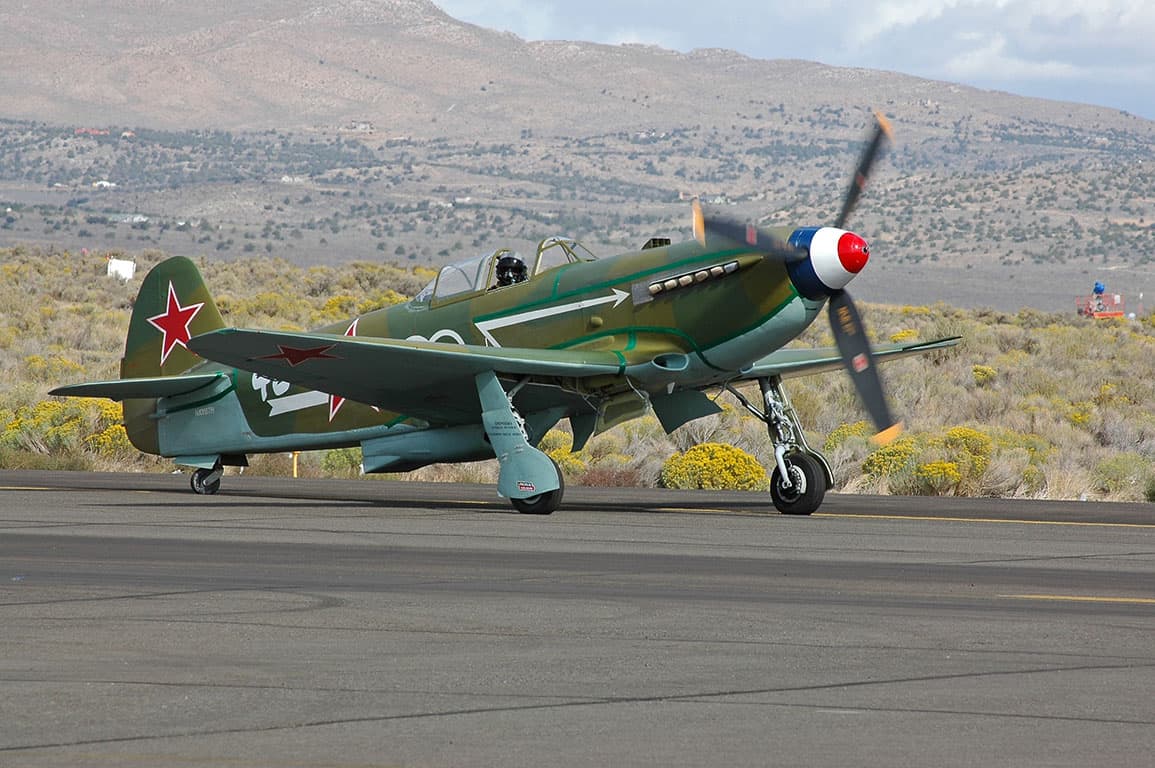


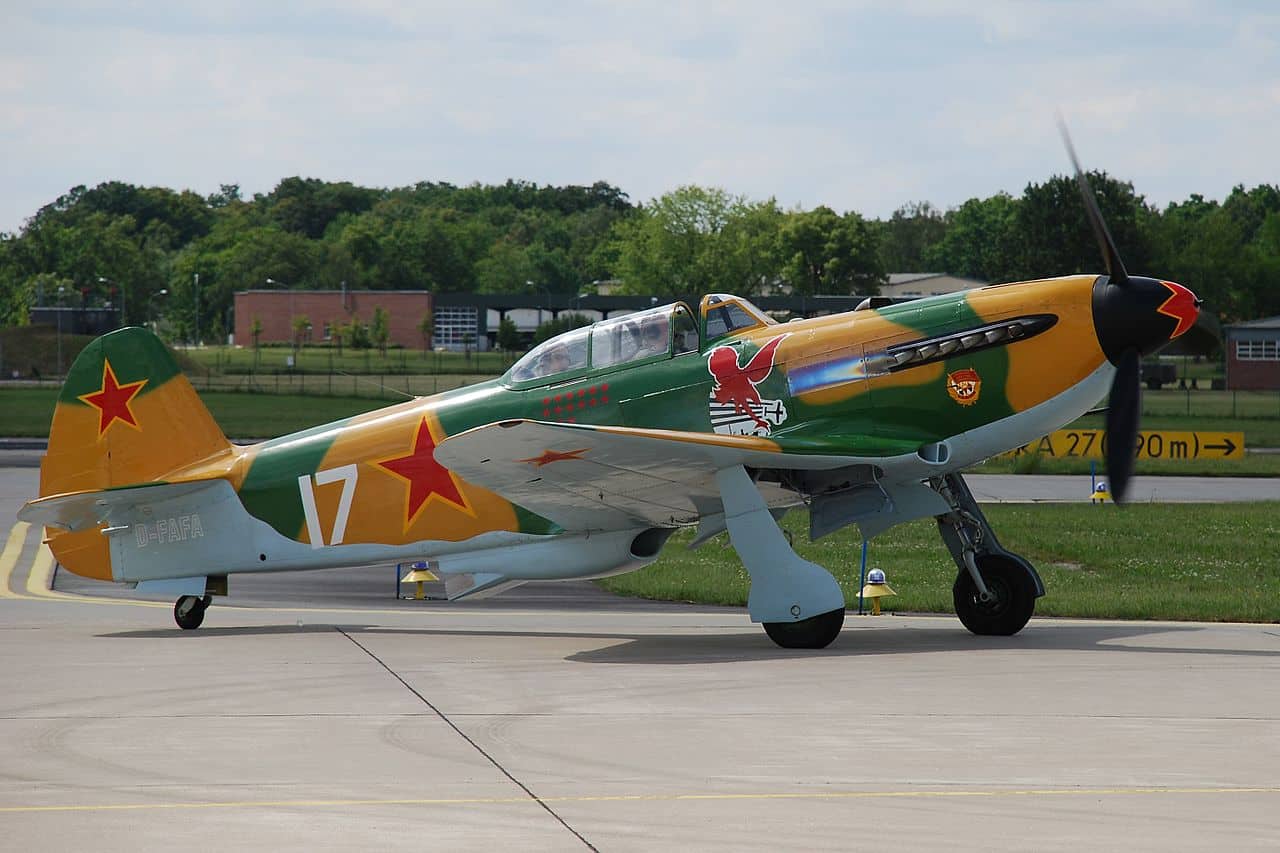
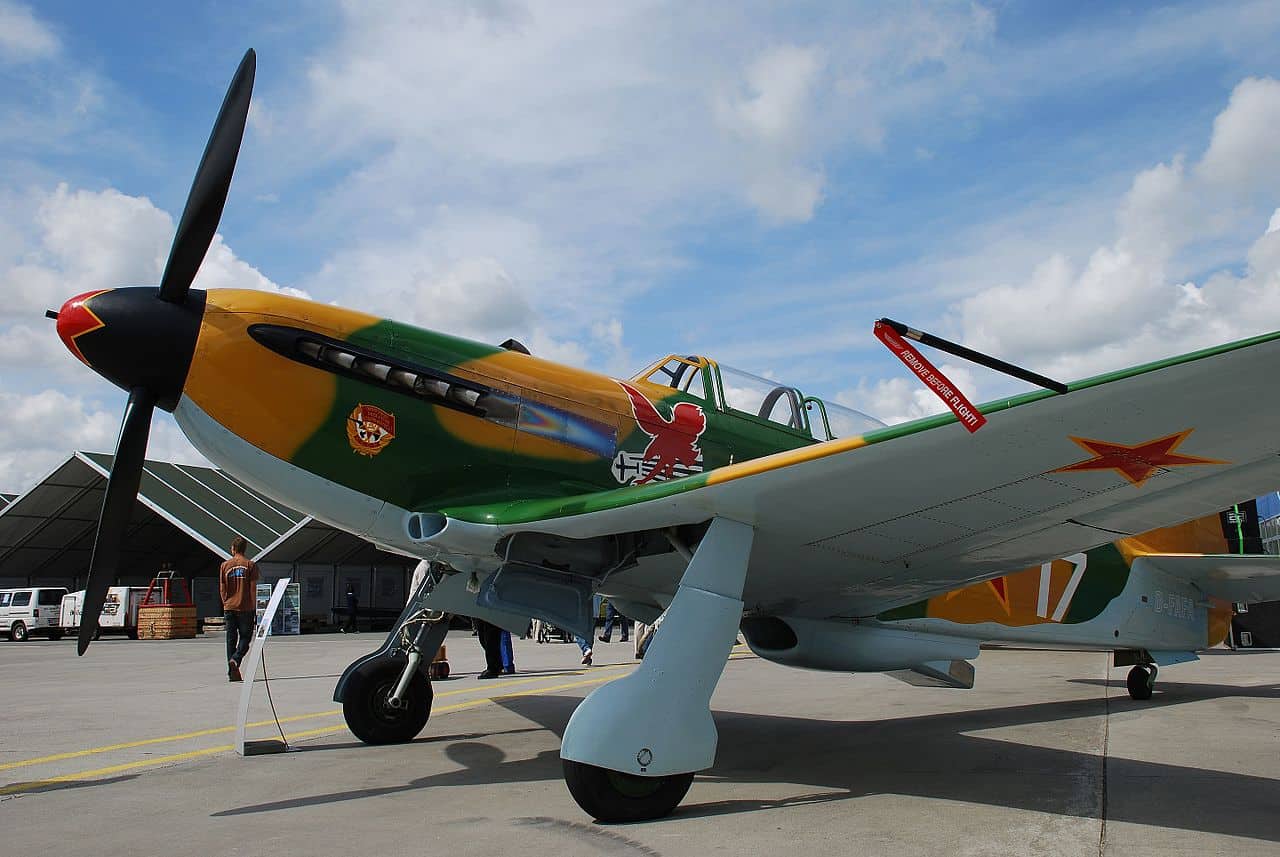

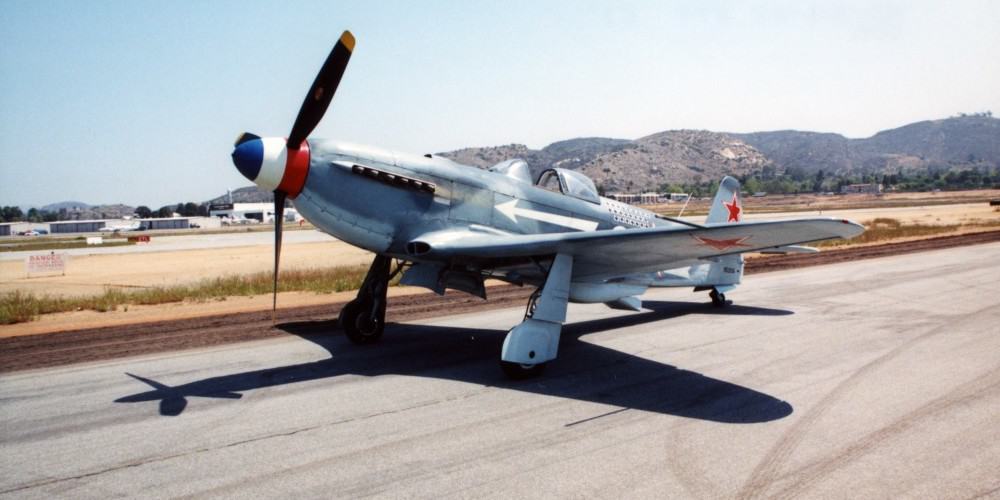

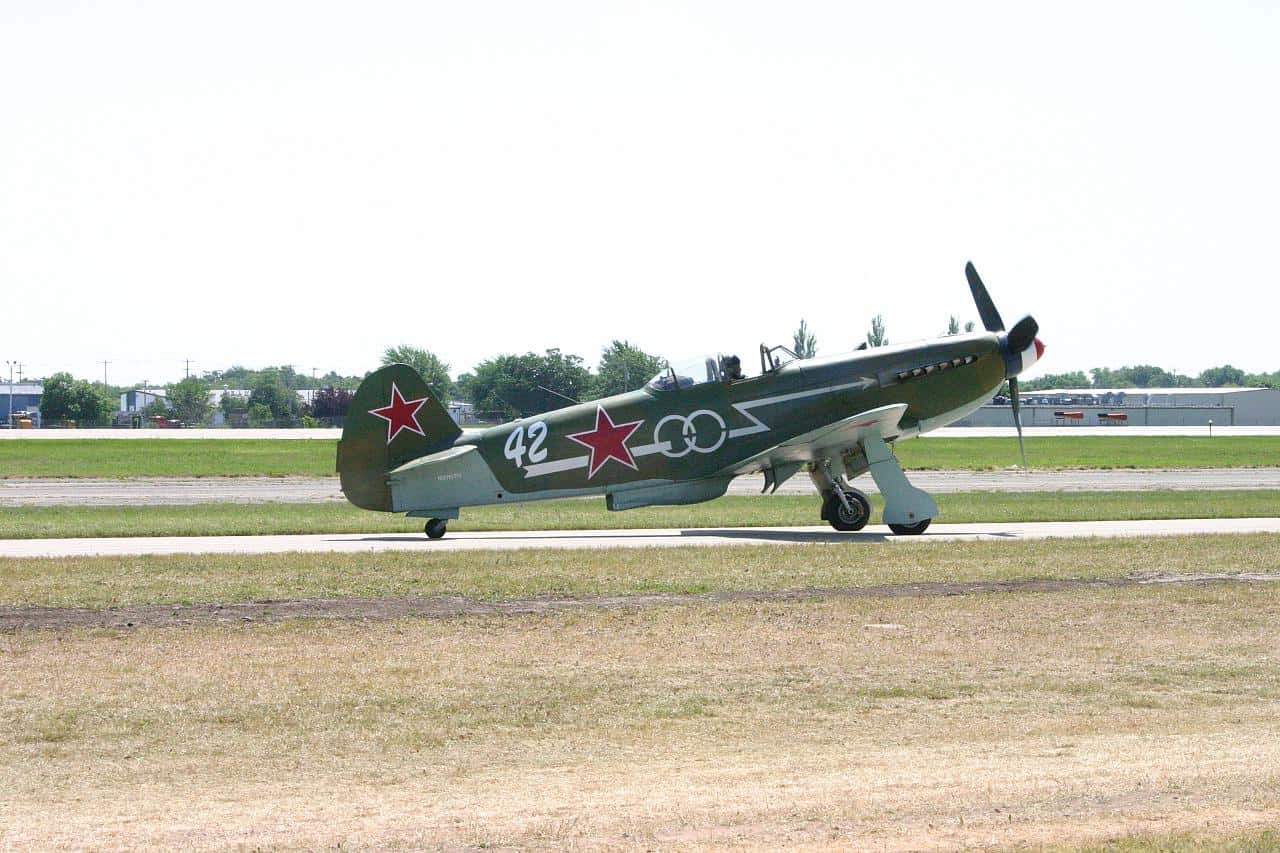
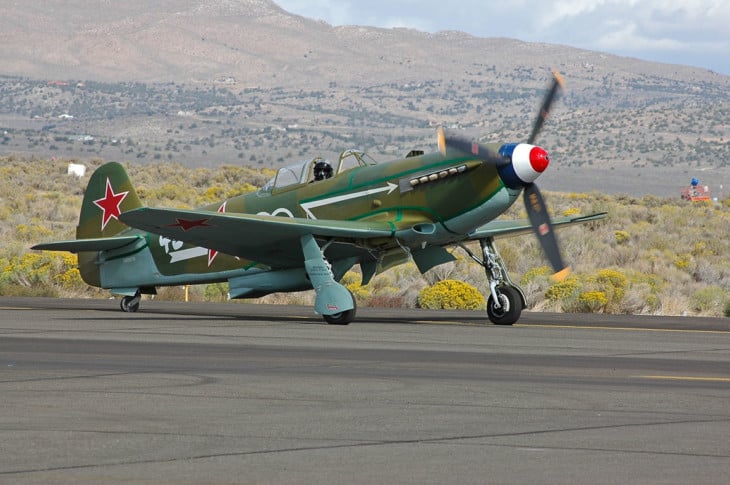
The Yak-9 entered service in 1942 as a lighter and more adaptable development of the Yak-7. It featured mixed construction with wood and metal components. Numerous variants were produced for different combat roles.
A Klimov V-12 piston engine producing approximately 1,200 horsepower powered the aircraft. Maximum speed approached 370 mph (595 km/h). Typical takeoff weight was around 6,500 pounds (2,950 kg).
The Yak-9 was used in air superiority, ground attack, and escort missions. Its versatility allowed rapid adaptation during wartime production. It became one of the defining Soviet fighters of the conflict.
Sources and references used for research and fact-checking.