Light Passenger Jets
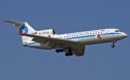
Yakovlev Yak-42
ICAO: YK42
Soviet designers of agile fighters, reliable trainers, and regional jets
AeroCorner features profiles for 17 Yakovlev aircraft. This includes 4 Military Trainers, 4 Fighter Jets, 3 Light Passenger Jets, 3 Military Propellor Planes, and 3 Aerobatic. Each profile includes performance data, photo galleries, dimensions, and operational history.
Yakovlev is one of Russia’s most historically important aircraft design bureaus, known for agile World War II fighters, reliable postwar trainers, and robust regional airliners. Its aircraft shaped Soviet aviation for decades and remain influential in military training, aerobatics, and commercial transport. Today the bureau continues operations within Russia’s United Aircraft Corporation (UAC).

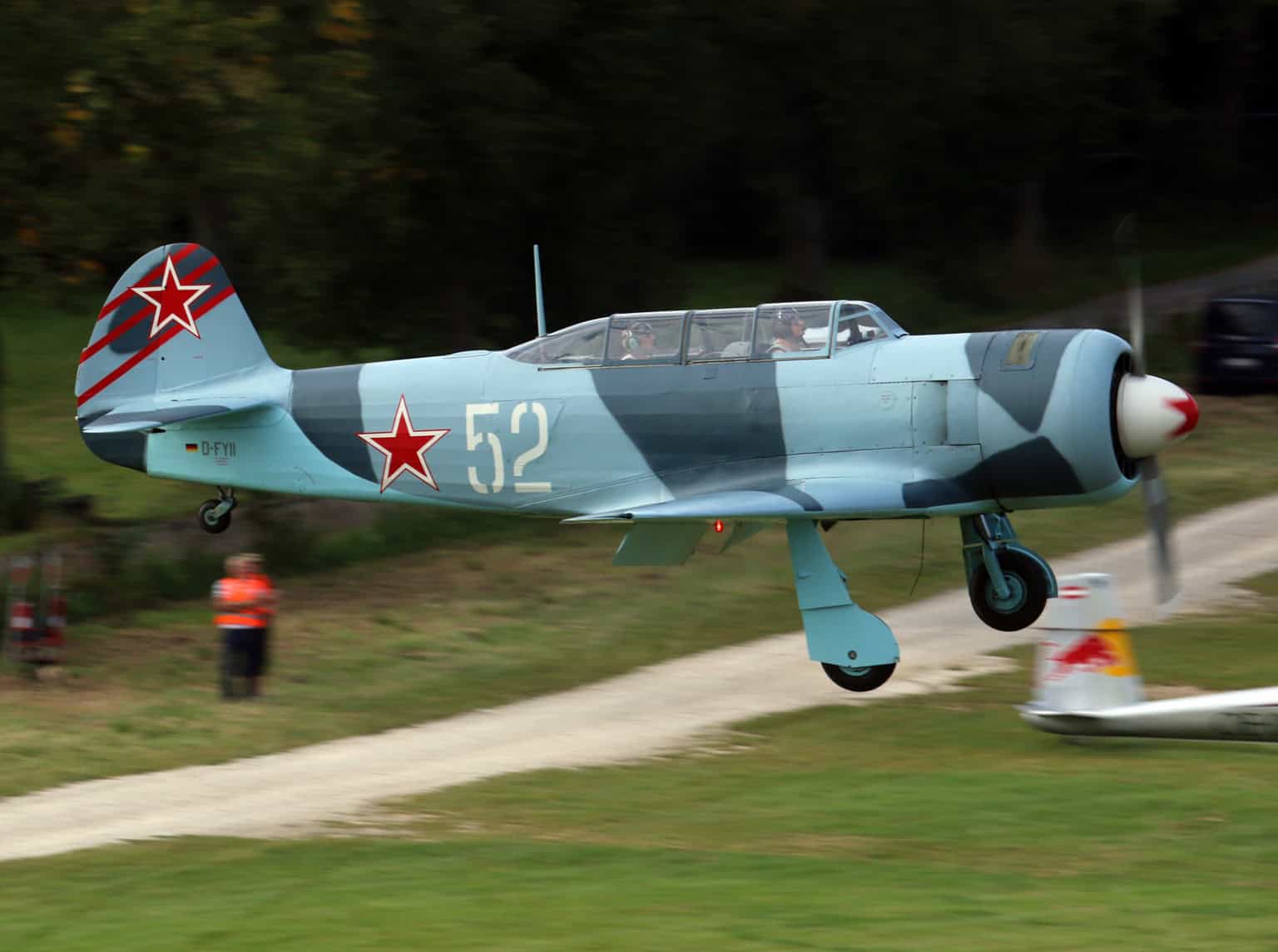
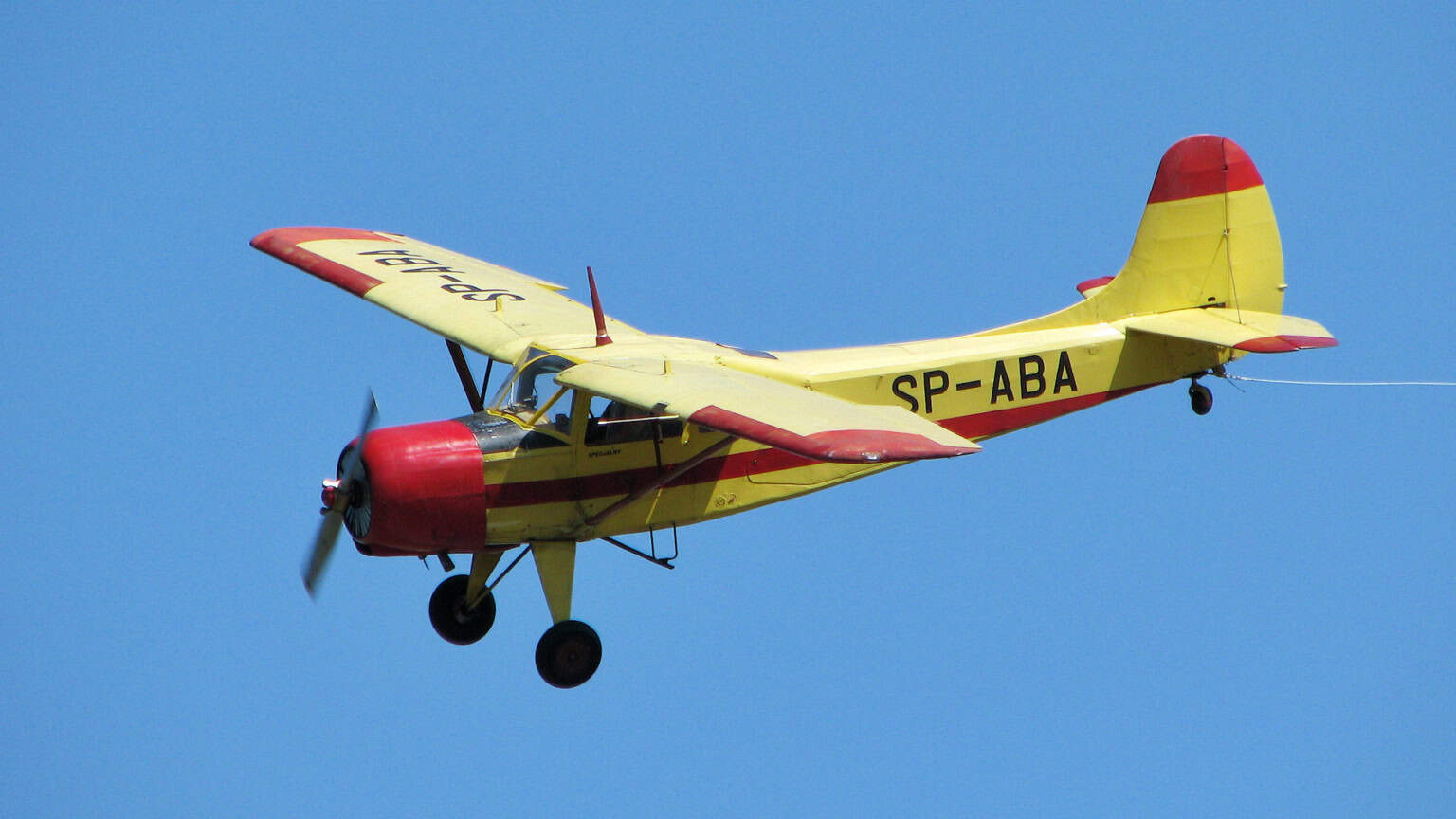

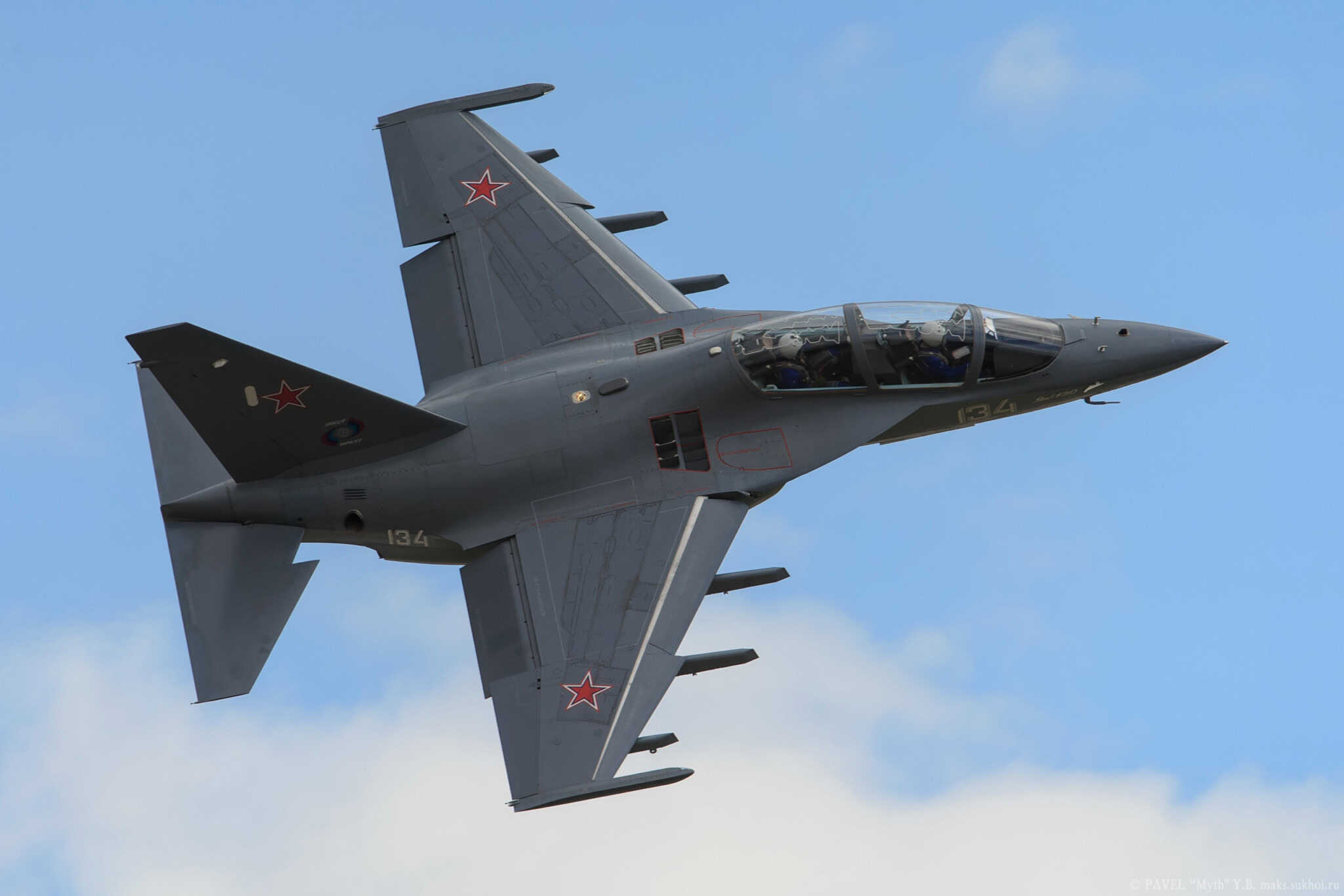
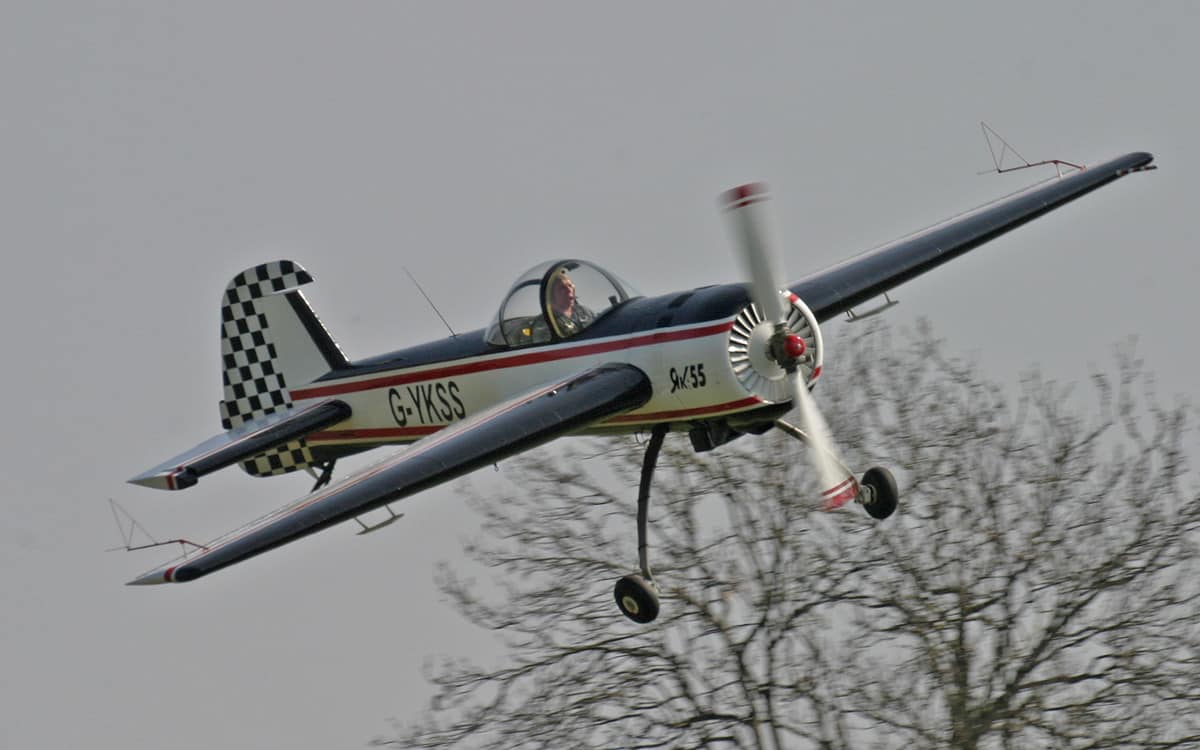
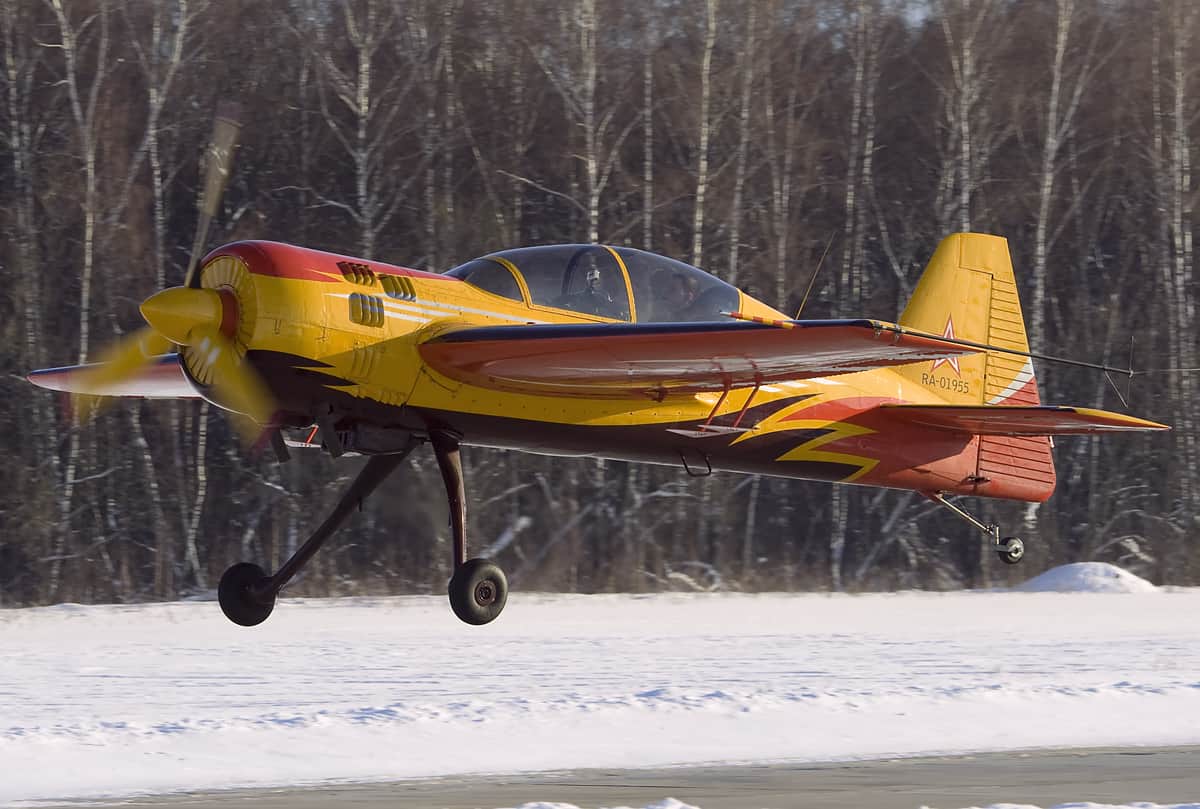
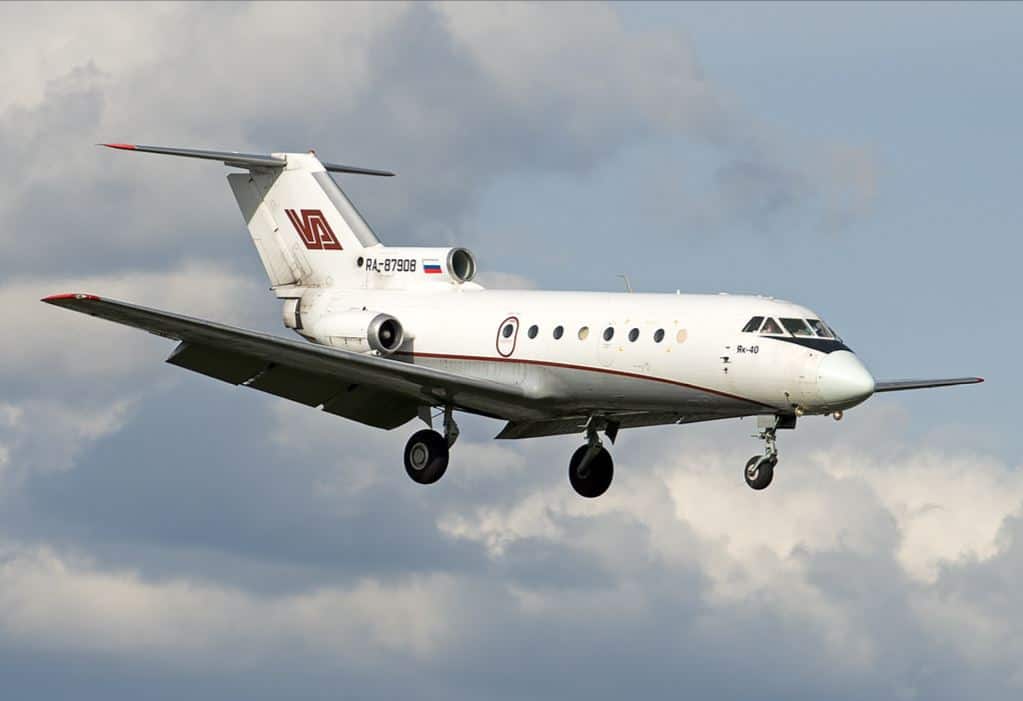
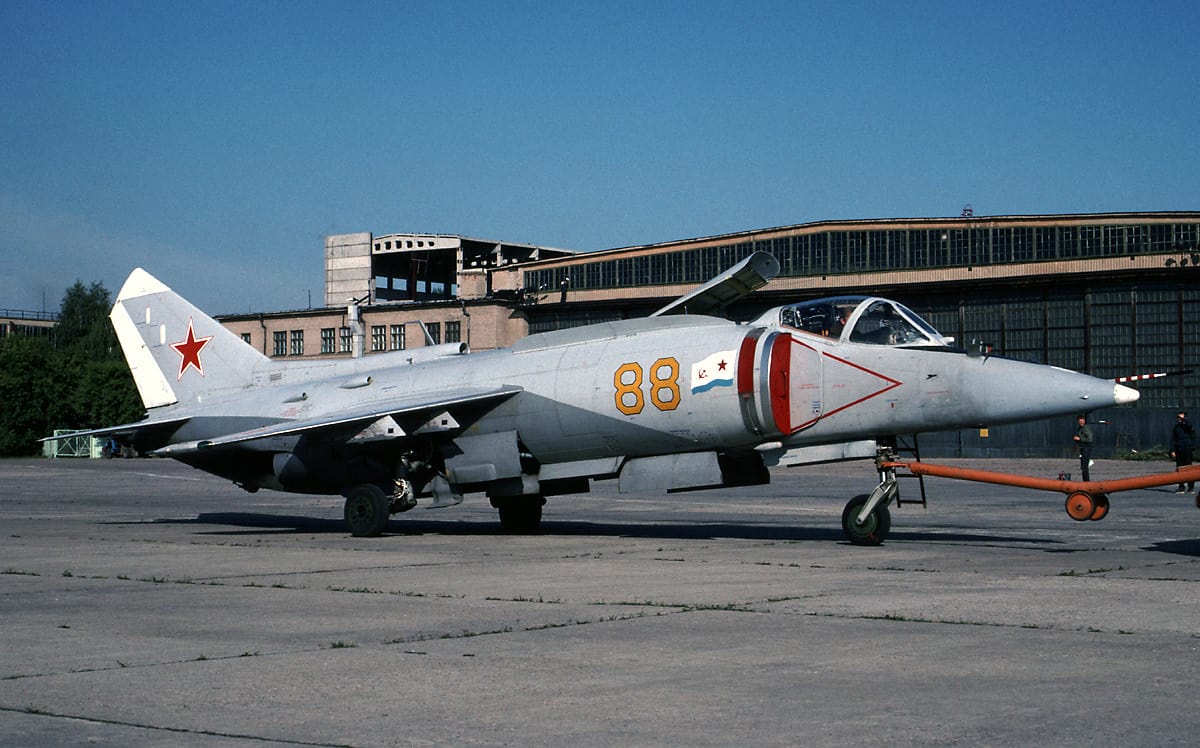
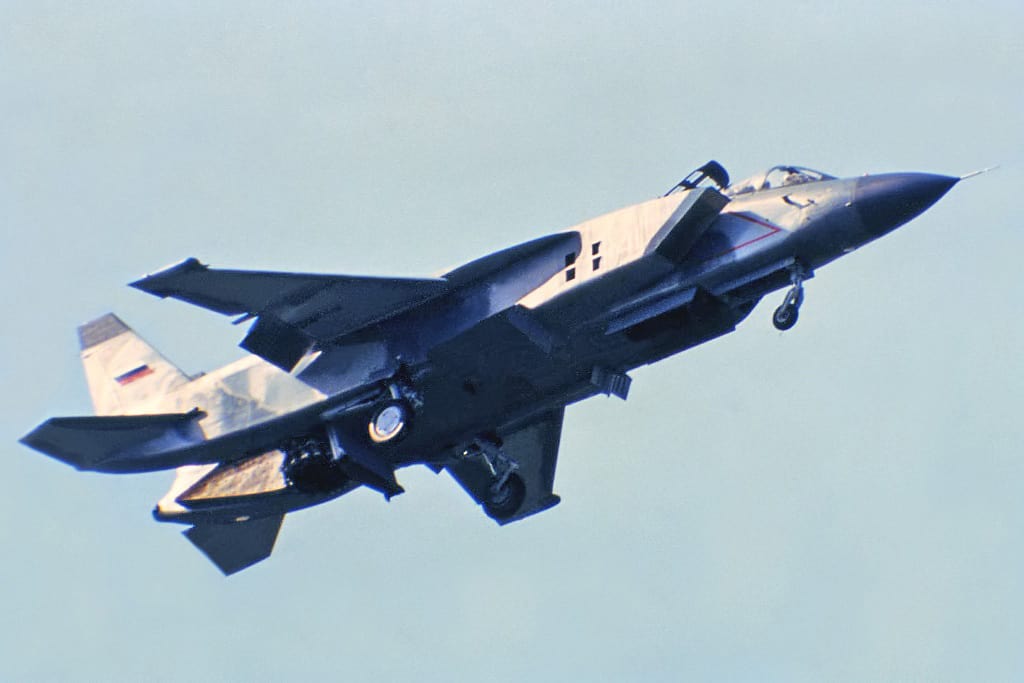
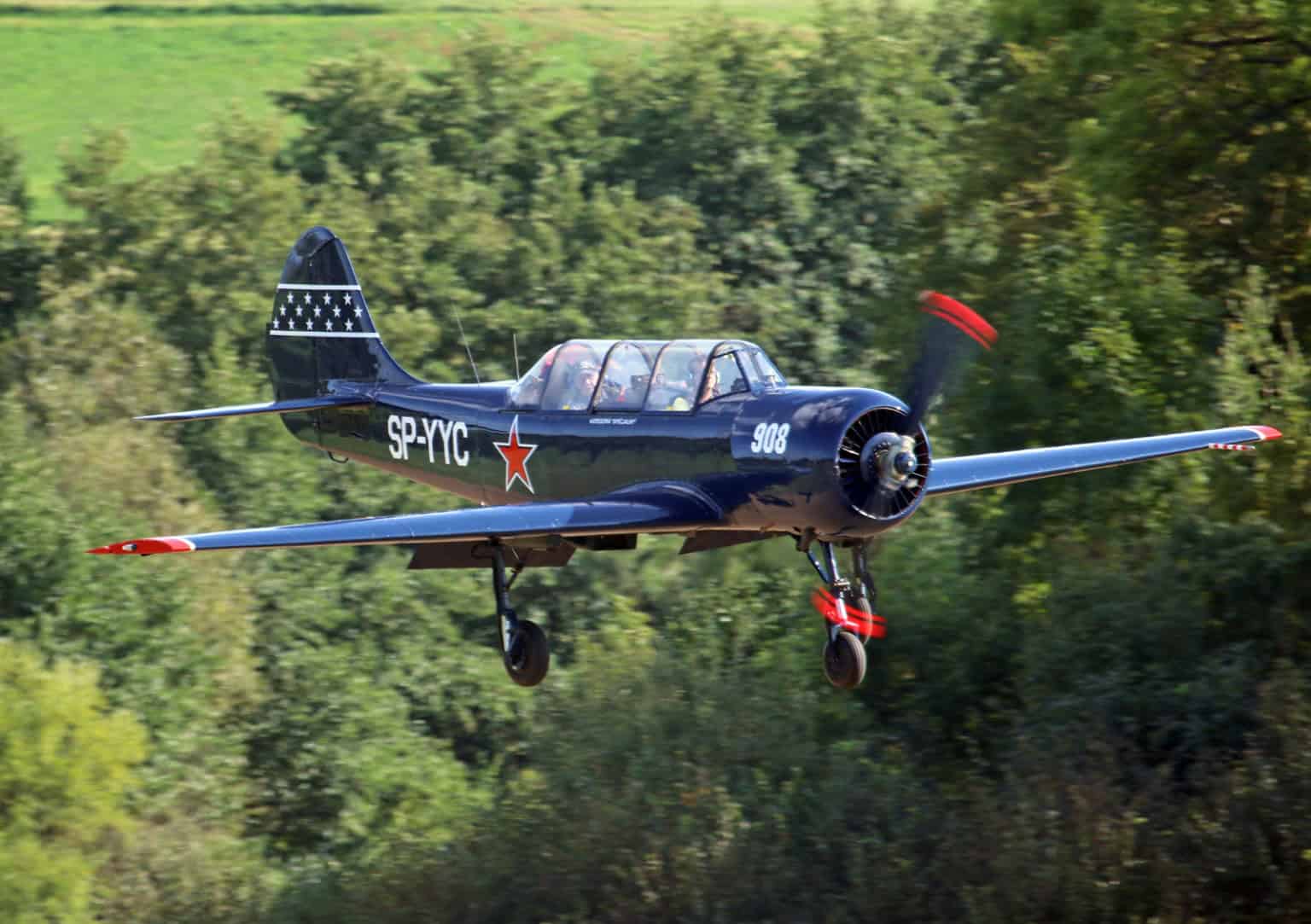
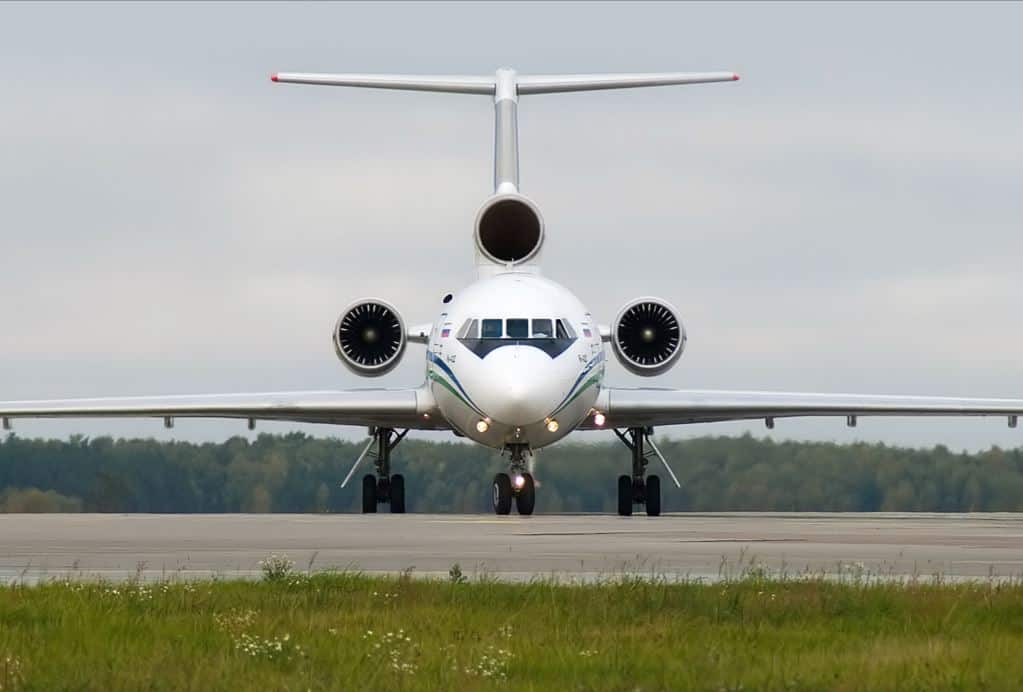
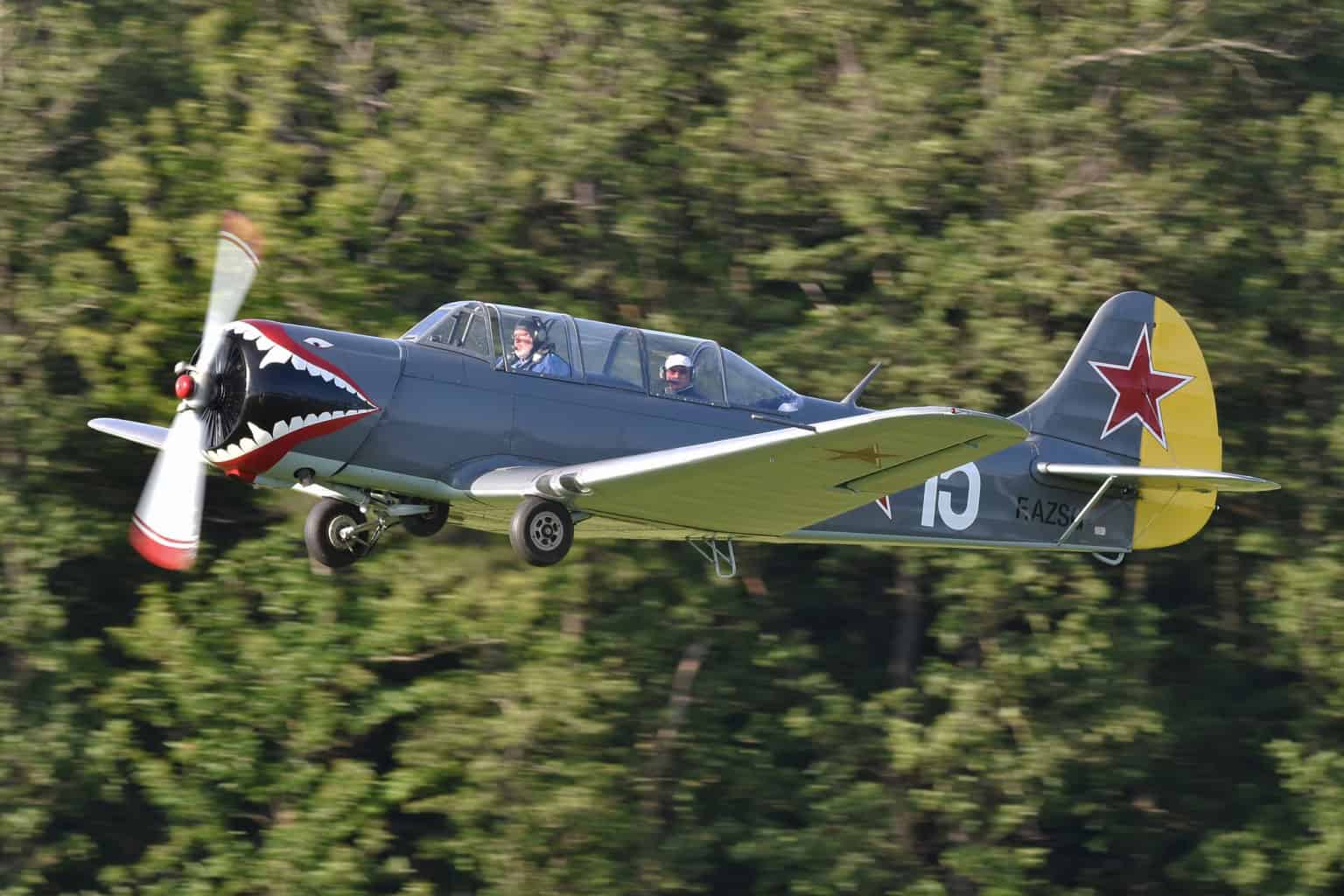
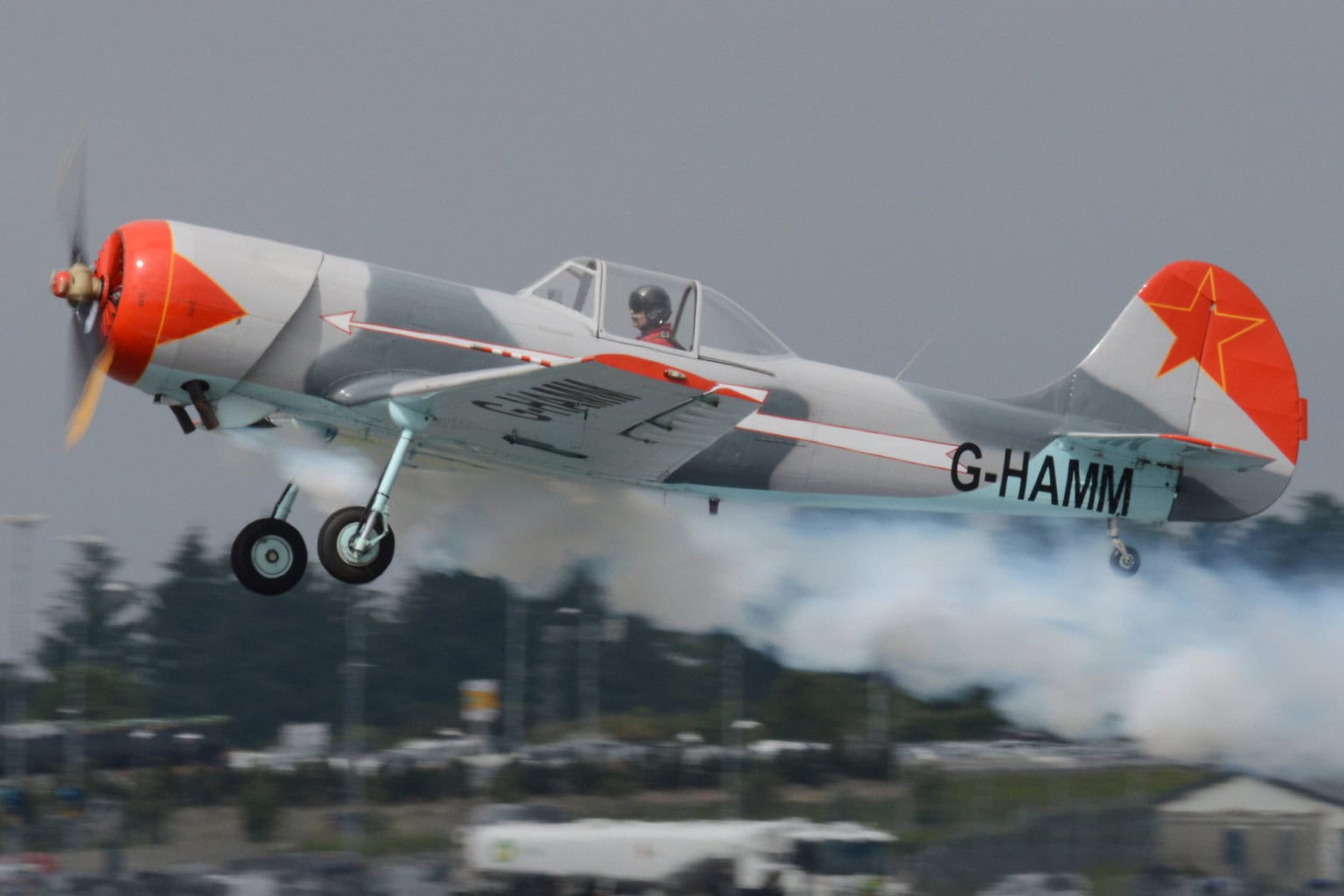
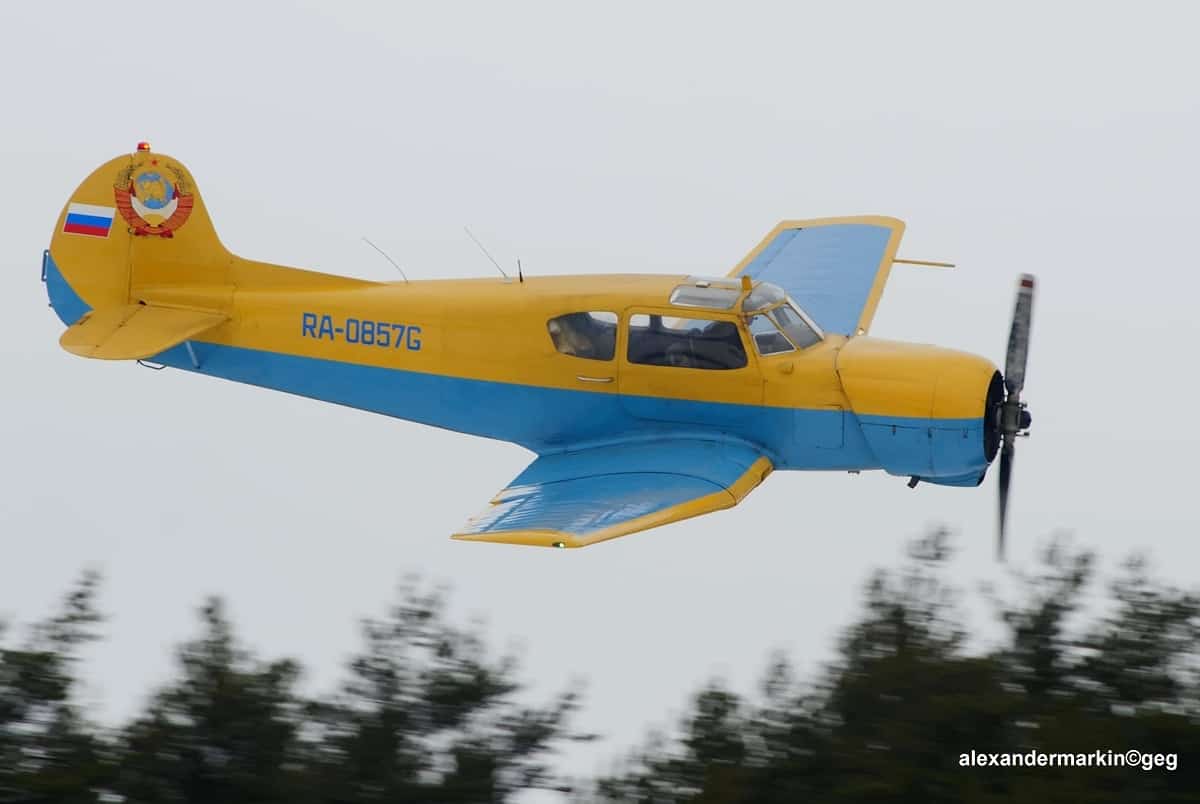
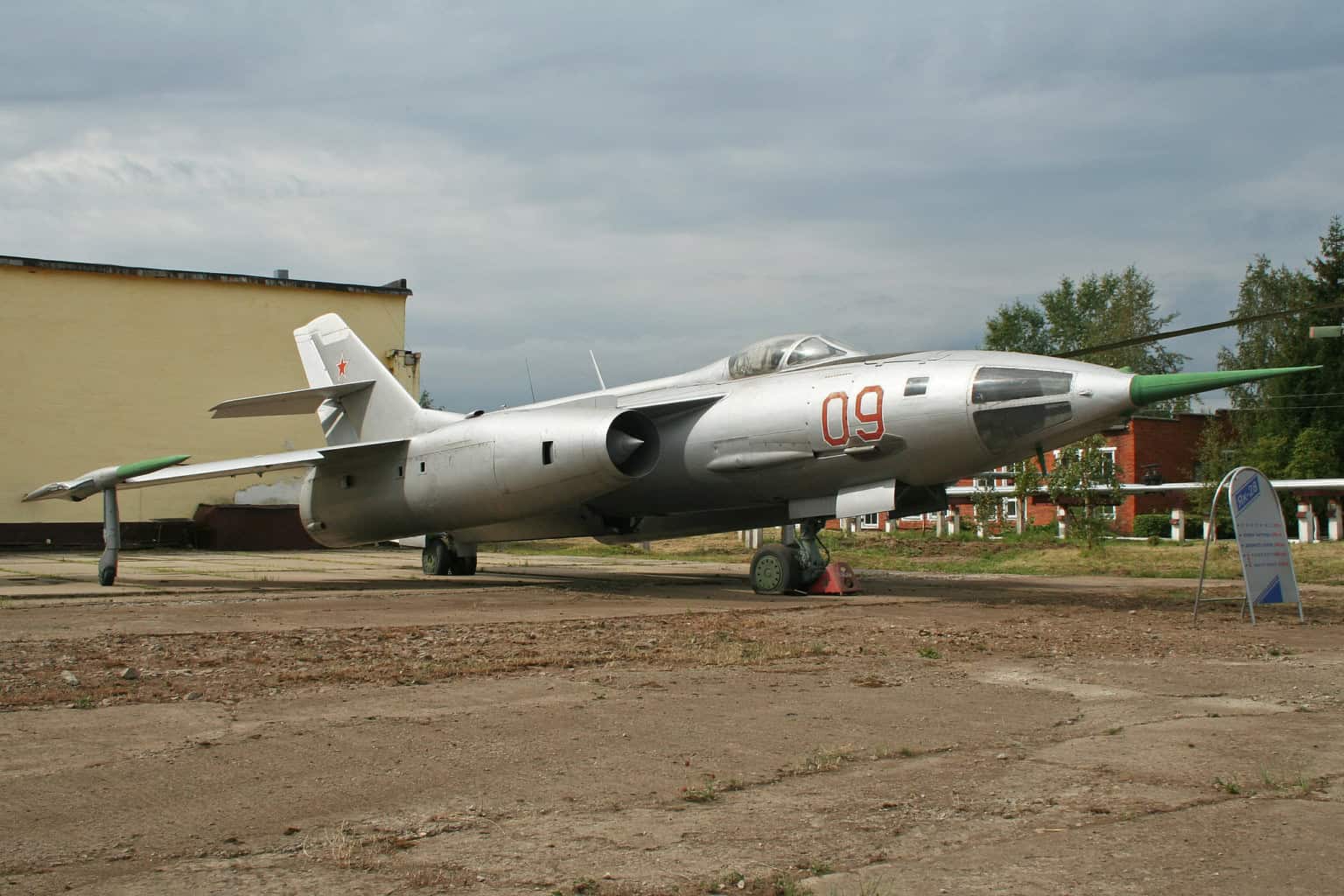
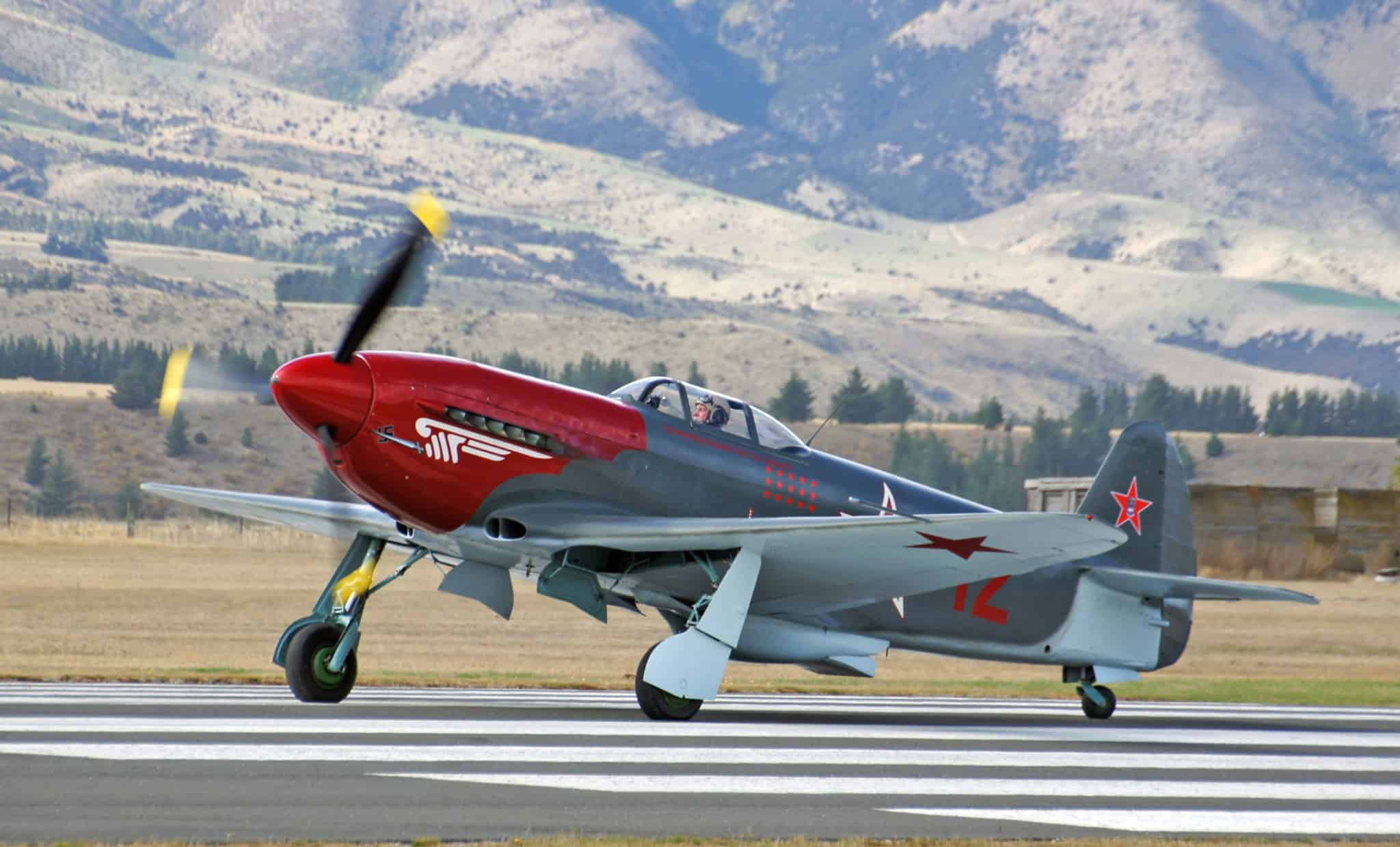

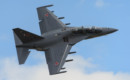
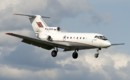
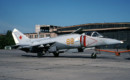

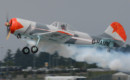
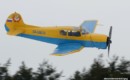
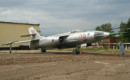
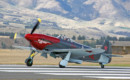
Yakovlev’s most influential aircraft include the Yak-1, Yak-3, and Yak-9 wartime fighters; the Yak-18 and Yak-52 trainers; the Yak-40 and Yak-42 regional airliners; and the advanced Yak-130 jet trainer. These designs introduced innovative aerodynamics, reliable structures, and highly effective training platforms.
Founded in 1934 by Alexander Yakovlev, the bureau emerged from an earlier series of sport and competition aircraft. Its early focus on lightweight, well-handling airframes shaped Yakovlev’s design philosophy and led directly to its rapid rise during wartime production.
During World War II, Yakovlev became one of the Soviet Union’s key fighter designers. In the postwar period the bureau expanded into civil aviation, producing regional jets and numerous training aircraft. In the 1990s and 2000s, Yakovlev shifted toward modern military trainers and joint development projects.
Yakovlev aircraft were produced at multiple Soviet and Russian factories, including major sites in Moscow, Saratov, and Smolensk. The bureau functioned primarily as a design organization, with production handled by large state factories throughout the USSR.
Yakovlev emphasized agility, simplicity, light weight, and pilot-friendly handling. These traits made Yak fighters highly competitive in WWII and their trainers ideal for flight schools. Later designs focused on efficient regional transport and advanced jet training, blending durability with performance.
The bureau developed aerobatic aircraft, liaison aircraft, light transports, and experimental jets. Modern efforts include upgrades to legacy trainers and participation in the Yak-130 program, which serves multiple international operators.
At its peak during the Soviet era, Yakovlev oversaw thousands of engineers, pilots, and technicians across several research and production centers. Today the core design organization remains active within the larger UAC structure.
These fighters formed the backbone of Soviet air combat and became renowned for agility, climb performance, and frontline effectiveness.
The Yak-18 and later Yak-52 became some of the most widely used Soviet training aircraft, central to multiple generations of pilot instruction.
The Yak-40 was the world’s first regional tri-jet, providing short-haul service across remote and undeveloped airfields.
The Yak-42 brought modern jet transport to Soviet regional airlines, offering improved comfort and performance for domestic routes.
A major modern achievement, the Yak-130 established Yakovlev’s role in next-generation military pilot training programs worldwide.
Yakovlev aircraft earned a reputation for ruggedness, predictable handling, and adaptability to harsh operating environments. While some Soviet-era models faced typical service challenges, the bureau’s trainers and fighters are widely respected for their durability and performance.
Yakovlev shaped Soviet and Russian aviation through fighters that became wartime legends and trainers that educated generations of pilots. Its regional jets expanded connectivity across vast territories, while its modern Yak-130 continues the bureau’s legacy in contemporary military aviation.