Military Trainers
Yakovlev Yak-18T
ICAO: Y18T
The Soviet Union's DOSAAF primary trainer, built in Romania, is now the world's most popular affordable aerobatic radial and an improvised drone hunter.
Updated: by Tim de Vries
The latest aviation news and stories sent to your inbox.
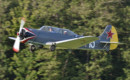
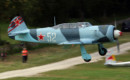
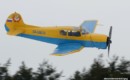
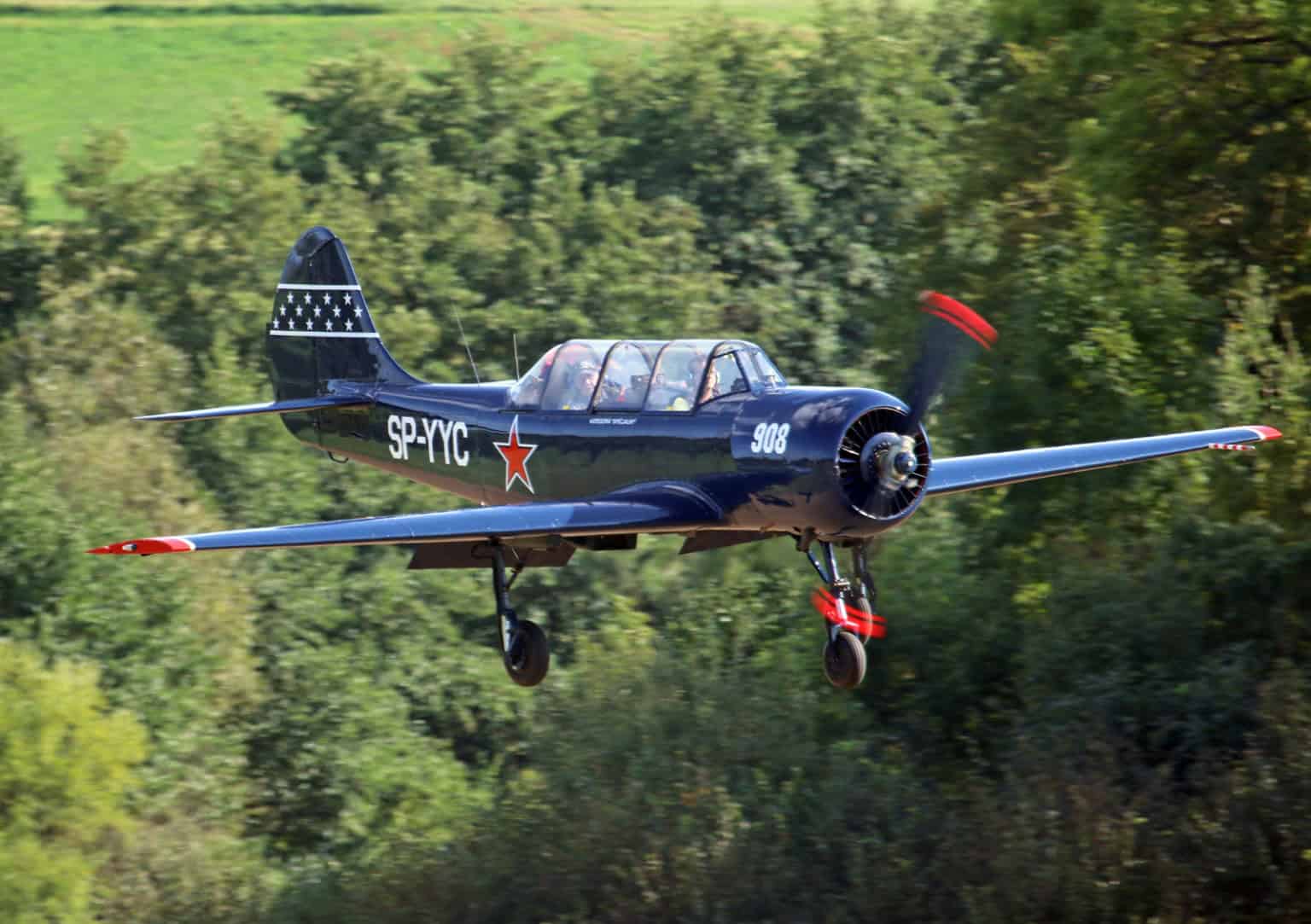
The Yakovlev Yak-52 is a Soviet two-seat, tandem aerobatic trainer, built in Romania by Aerostar at Bacau for the DOSAAF flying clubs. Its 360 hp radial engine and rugged airframe made it the standard way to teach young Soviet pilots, and today it is a cheap, loud, popular warbird-style aerobatic mount. Since 2024 it has also been flown against drones in Ukraine and Russia.
Live Fleet Activity (YK52)
Fetching live data…


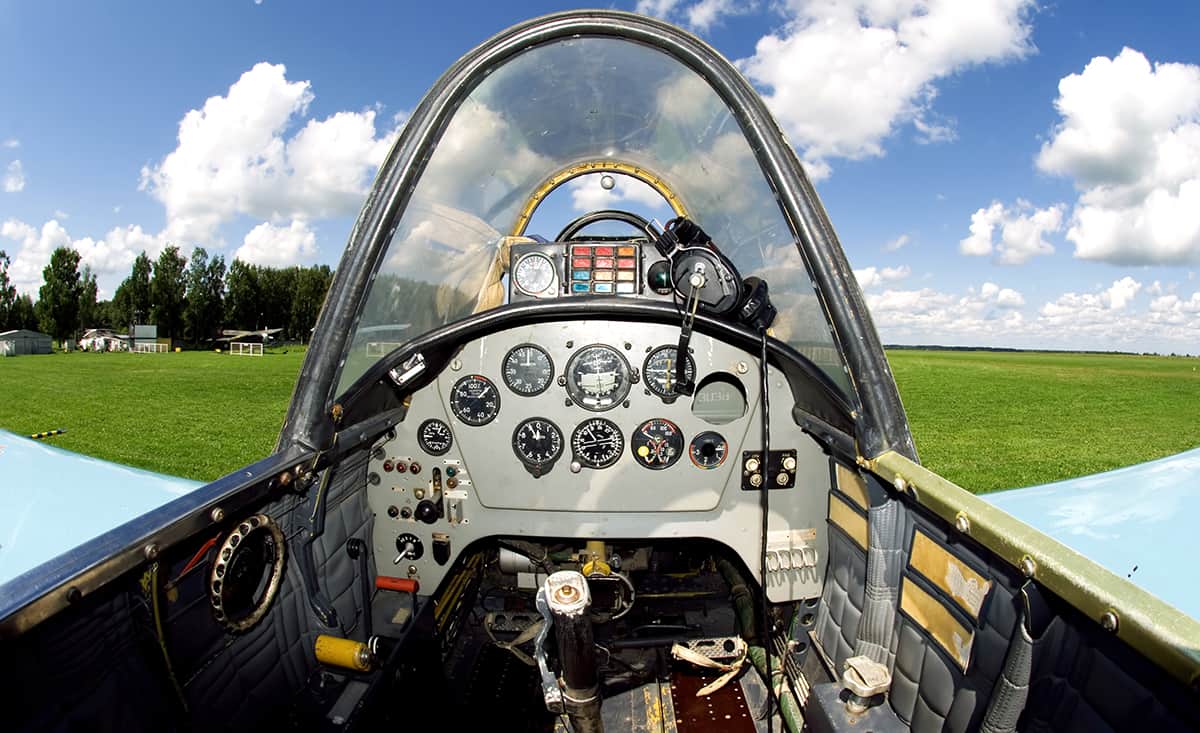


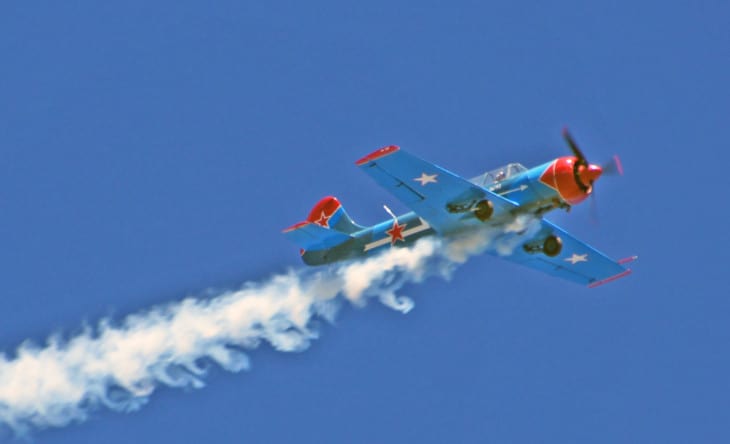
The Yakovlev Yak-52 is a two-seat, all-metal primary trainer with a 360 hp radial engine and retractable landing gear. It was built for DOSAAF, the Soviet volunteer organization that taught civilians to fly before they reached the air force.
It grew out of the single-seat Yak-50 aerobatic competition aircraft. Its first flight was in 1976, and AOPA Pilot reported in 1994 that Yakovlev’s team designed it in 1978.
Today it is one of the cheapest ways to fly a loud, aerobatic radial. It is also one of the most-seen Soviet-era types at airshows.
Yakovlev designed the aircraft, but Romania built it. Under a Soviet aid and manufacturing-rights arrangement, the Bacau factory (later Aerostar) produced it as the Iak-52 until 1998.
The start year differs by source: 1977, 1978 and 1979 all appear. Most sources put the total near 1,800 aircraft, and GlobalSecurity says more than 2,000.
Most went to Soviet DOSAAF clubs. AOPA noted in 1994 that the airframe shares systems with Russian military aircraft and was designed to be maintained by “untrained hands.”

The Vedeneyev M-14P is a nine-cylinder radial rated at 360 hp. It drives a two-bladed, variable-pitch propeller that turns counter-clockwise, so the aircraft pulls left on takeoff.
The engine starts on compressed air, and the same pneumatic system works the gear, flaps and wheel brakes. The fuel and oil systems allow inverted flight for up to two minutes.
That systems design is why owners treat the aircraft as a project in air-bottle management as much as in flying.
The full specification table for the aircraft is on this page. A few figures need context.
The structural limits are +7 g and -5 g, which is what makes it a real aerobatic aircraft. AOPA recorded a never-exceed speed of 227 KIAS, a clean stall of 60 KIAS and a landing-configuration stall of 55 KIAS.
Climb rate is the least settled figure. Jane’s gives a lower value than the panel’s, AOPA reported about 1,300 ft/min, and some operators claim far more at light weight.
The panel’s maximum speed is the sea-level top speed. The cruise speed of 130 kt · 150 mph · 241 km/h is AOPA’s figure at 70% power, and it is the number most pilots plan with.
AOPA Pilot called it a “get out of my way” aircraft of heavy-gauge aluminum. Roll rate is strong, and a tail buffet warns before a full stall.
Left-turning torque and P-factor make right crosswinds hard on takeoff. The single 45-degree flap position doubles as an air brake.

The base Yak-52 is the M-14P trainer. Several others changed the engine, gear or equipment:
DOSAAF clubs in Russia and Belarus are the biggest users. Air forces and volunteer forces in Armenia, Bulgaria, Georgia, Latvia, Lithuania, Romania, Ukraine, Turkmenistan and Vietnam have also operated it, according to Wikipedia’s operator list.
Civilian owners fly it for aerobatics and formation work across Europe, North America and New Zealand. Yakitalia, an Italian team founded in 1999, flies three Yak-52s and a Yak-50.

AOPA quoted $50,000 to $120,000 in 1994, with a late example of about 200 hours at roughly $55,000. Those are 1994 prices, so check current listings and a pre-purchase inspection before relying on them.
In the US the type flew under the FAA experimental exhibition category. AOPA noted owners added an encoding transponder, a feet-calibrated altimeter, a knots airspeed indicator, an ELT and US parachutes to make it legal.
The same article reported a beefed-up main-spar carry-through from the 1984 model onward, which older aircraft needed as a retrofit.
A trainer was never meant for combat, yet the Yak-52 has been used against drones. Ukraine has done it since April 2024, with a gunner firing a rifle or machine gun from the rear cockpit.
The Wall Street Journal reported that two Ukrainians flew about 300 missions in a year and shot down nearly 60 of their unit’s 120 kills. In September 2025 Defense Express reported Russia using the Yak-52 the same way, probably with volunteer pilots.
The role has since been largely taken over by interceptor drones. The reports come from open sources and war-time footage, so they are not independently verified.
See also the Yakovlev Yak-50, the single-seat aerobatic aircraft it descended from.
Yes, in the sense that the Yak-130 jet trainer is still built under the Yakovlev name by Irkut. The Yak-52 itself was built in Romania, and production there ended in 1998.
It is a capable, strong aerobatic aircraft that is cheap to buy, but it is demanding. AOPA described heavy controls, left-turning torque and a pneumatic start and gear system that owners need to learn.
Yes, and many fly there under the experimental exhibition category. Buyers should confirm the airframe’s paperwork, the spar retrofit and the engine hours before buying.
Not as a designed combat aircraft. Ukraine and, according to Defense Express, Russia have flown it against drones with hand-held weapons, but those reports rest on open-source footage.
Sources and references used for research and fact-checking.