Fighter Jets
Yakovlev Yak-28
ICAO: YK28
The VTOL fighter built for Soviet naval aviation.
The latest aviation news and stories sent to your inbox.
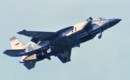
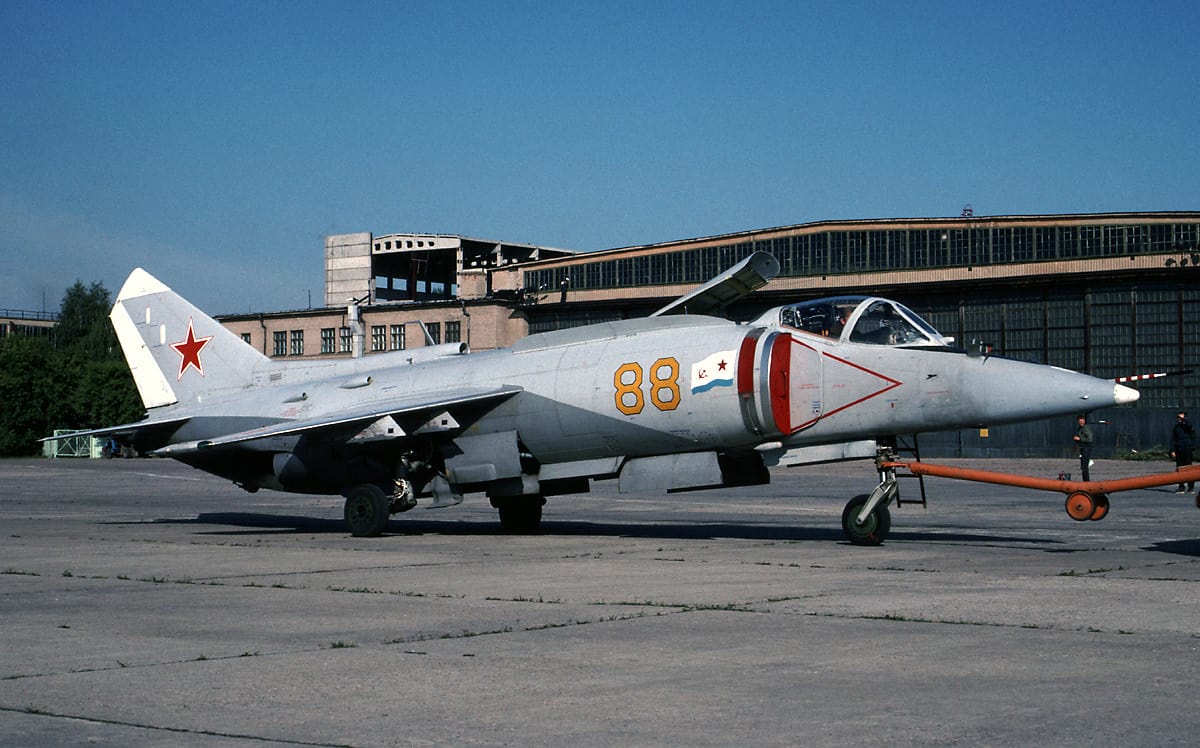
The Yakovlev Yak-38 was developed in the 1970s as a vertical takeoff and landing fighter for Soviet aircraft carriers. Designed to operate from smaller decks, it marked the Soviet Union’s first operational VTOL combat aircraft. The aircraft served primarily in naval aviation units.
Live Fleet Activity (YK38)
Fetching live data…

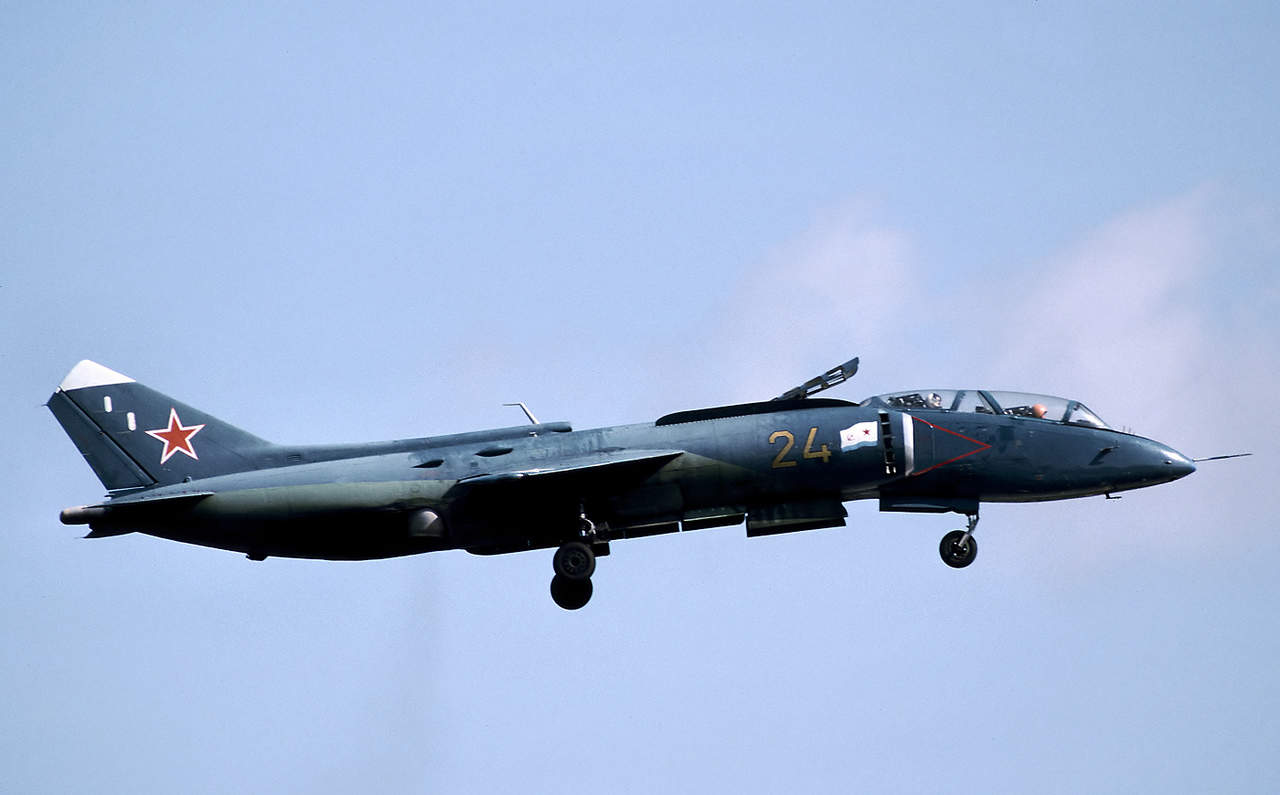

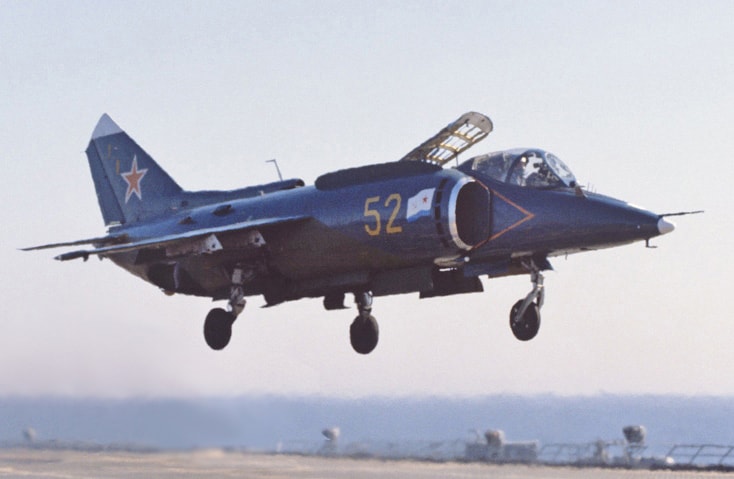


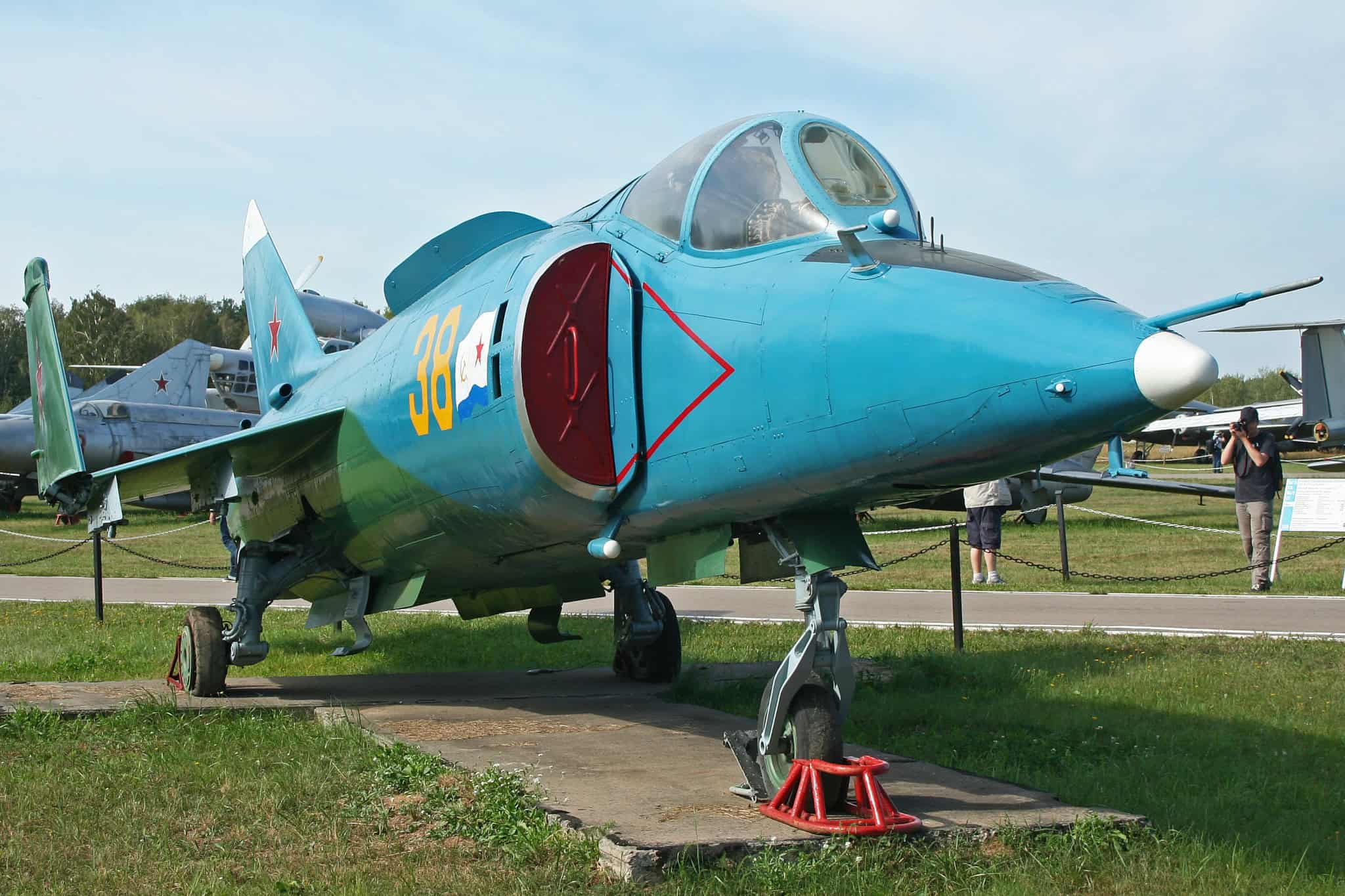


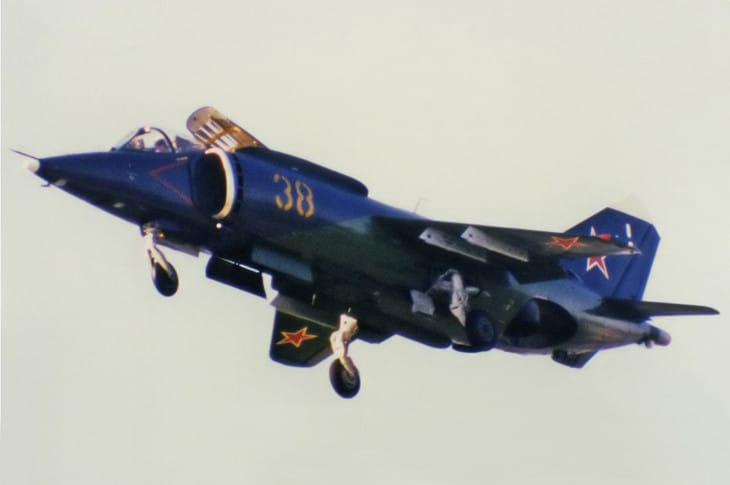
The Yak-38 first flew in 1971 and entered service in 1976. It employed a single main engine for forward thrust and two lift jets for vertical operations. The design emphasized short-deck compatibility over high-speed performance.
A Tumansky turbojet engine providing forward thrust of approximately 15,000 pounds (67 kN), supplemented by two vertical lift engines, powered the aircraft. Maximum speed approached Mach 0.95. Typical takeoff weight exceeded 25,000 pounds (11,340 kg).
The Yak-38 operated from Kiev-class carriers but faced limitations in range and payload. It was eventually withdrawn in the early 1990s. The aircraft represents an early Soviet attempt at carrier-based VTOL capability.
Sources and references used for research and fact-checking.