Light Passenger Jets
Yakovlev Yak-40
ICAO: YK40
The proposed short takeoff airliner built for regional jet operations.

The latest aviation news and stories sent to your inbox.
The Yakovlev Yak-142 was a proposed short takeoff and landing airliner derived from the Yak-42. Developed during the late Soviet period, it aimed to improve efficiency and performance. The project did not enter production.
Live Fleet Activity (YK42)
Fetching live data…


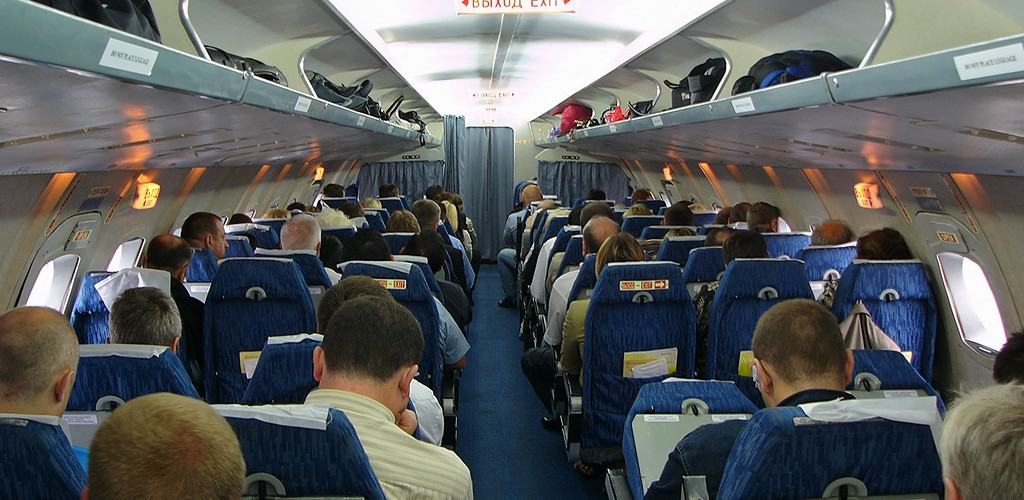




The Yak-142 program emerged in the late 1980s as a modernization of the Yak-42 trijet. It was designed with improved engines and aerodynamic refinements to enhance short-field capability. The aircraft retained the general configuration of its predecessor, including a T-tail and rear-mounted engines.
Projected performance included cruise speeds near 470 knots (870 km/h) and a maximum takeoff weight exceeding 120,000 pounds (54,430 kg). Seating was expected to range from 100 to 120 passengers depending on layout. Engine upgrades were intended to improve fuel efficiency compared with earlier models.
Economic challenges following the dissolution of the Soviet Union halted further development. No production aircraft were completed. The Yak-142 remains an example of a modernization effort that did not progress beyond the proposal stage.
Sources and references used for research and fact-checking.