Military Propellor Planes
Grumman F7F Tigercat
ICAO: F7F
Anti-submarine aircraft introduced in 1950
The latest aviation news and stories sent to your inbox.
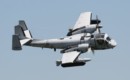
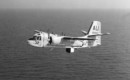
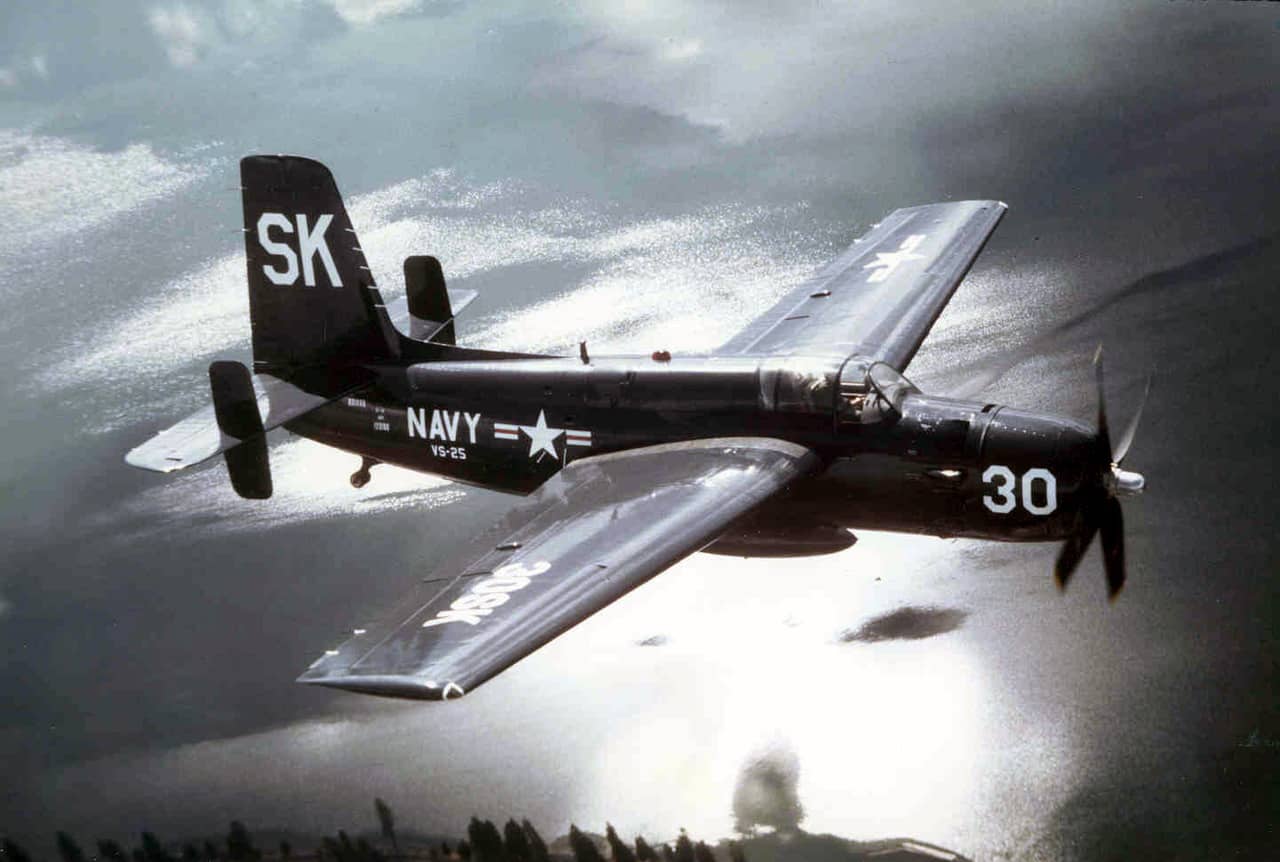
The Grumman AF Guardian was designed and manufactured by Grumman as the first custom-built anti-submarine warfare (ASW) carrier-capable aircraft for the United States Navy. The aircraft featured two airframe versions, the first is for detection gear and the second for weapons. It entered service in October 1950 and was retired in August 1955. A total number of 389 Guardians were built.
Live Fleet Activity (AF2)
Fetching live data…
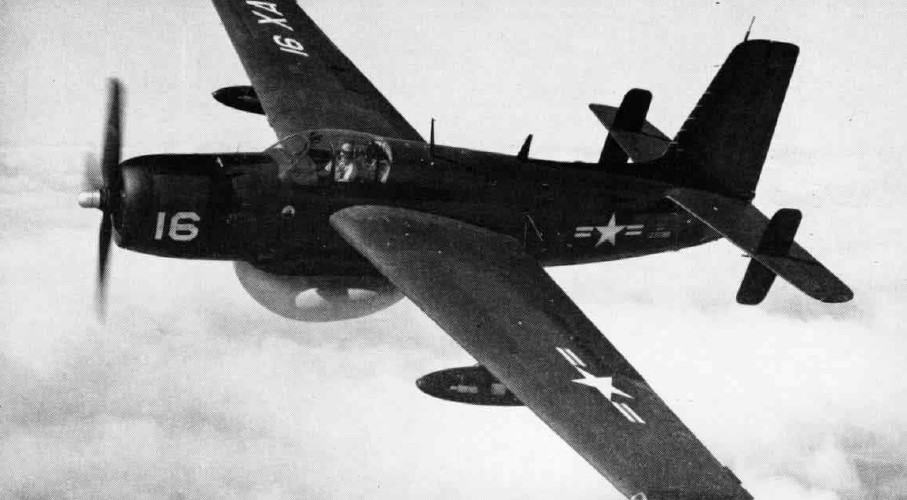
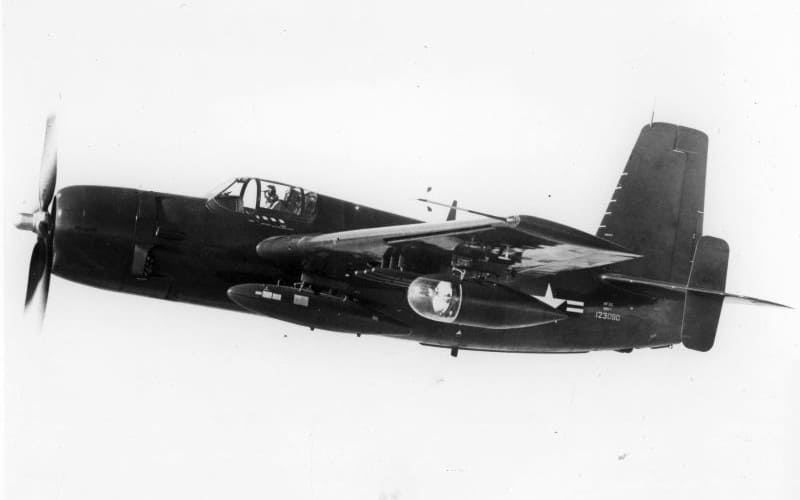
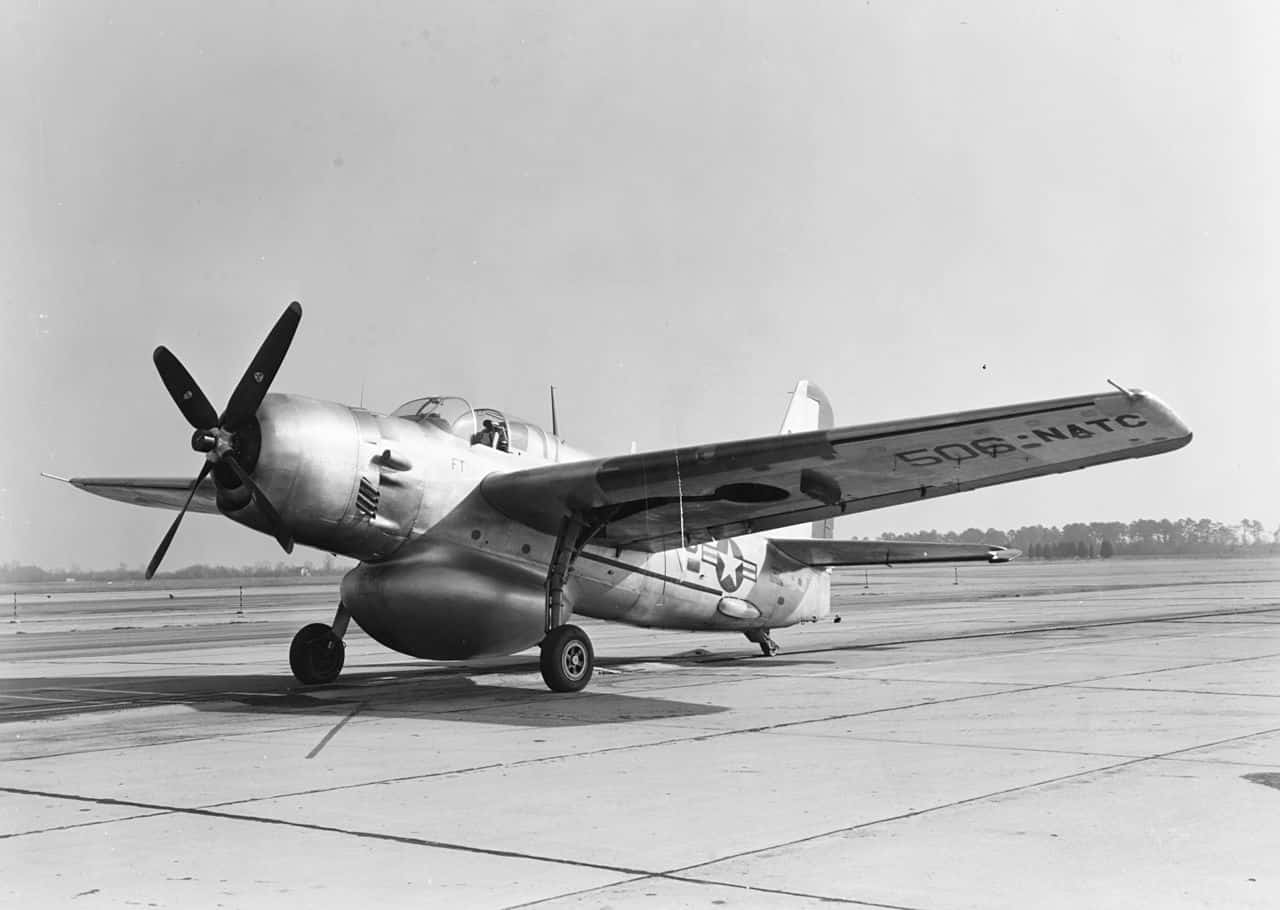

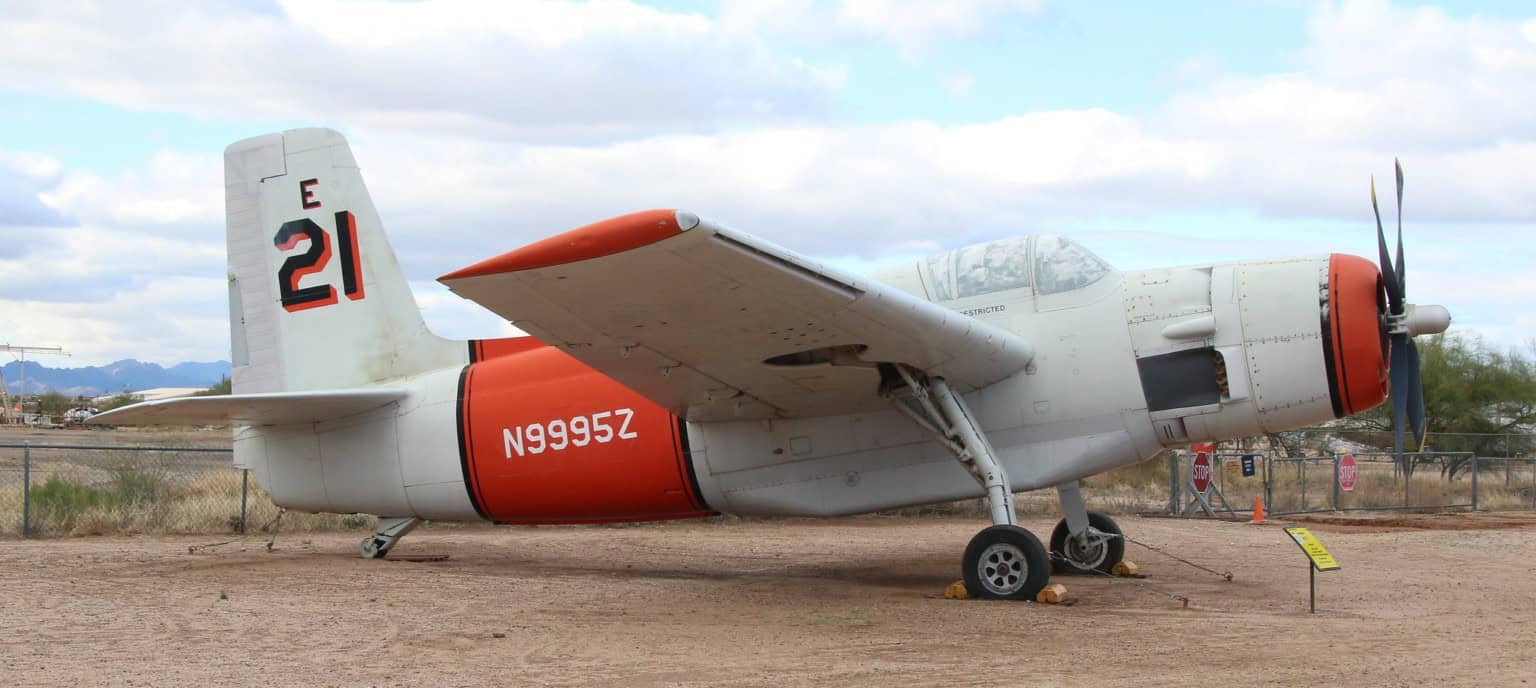
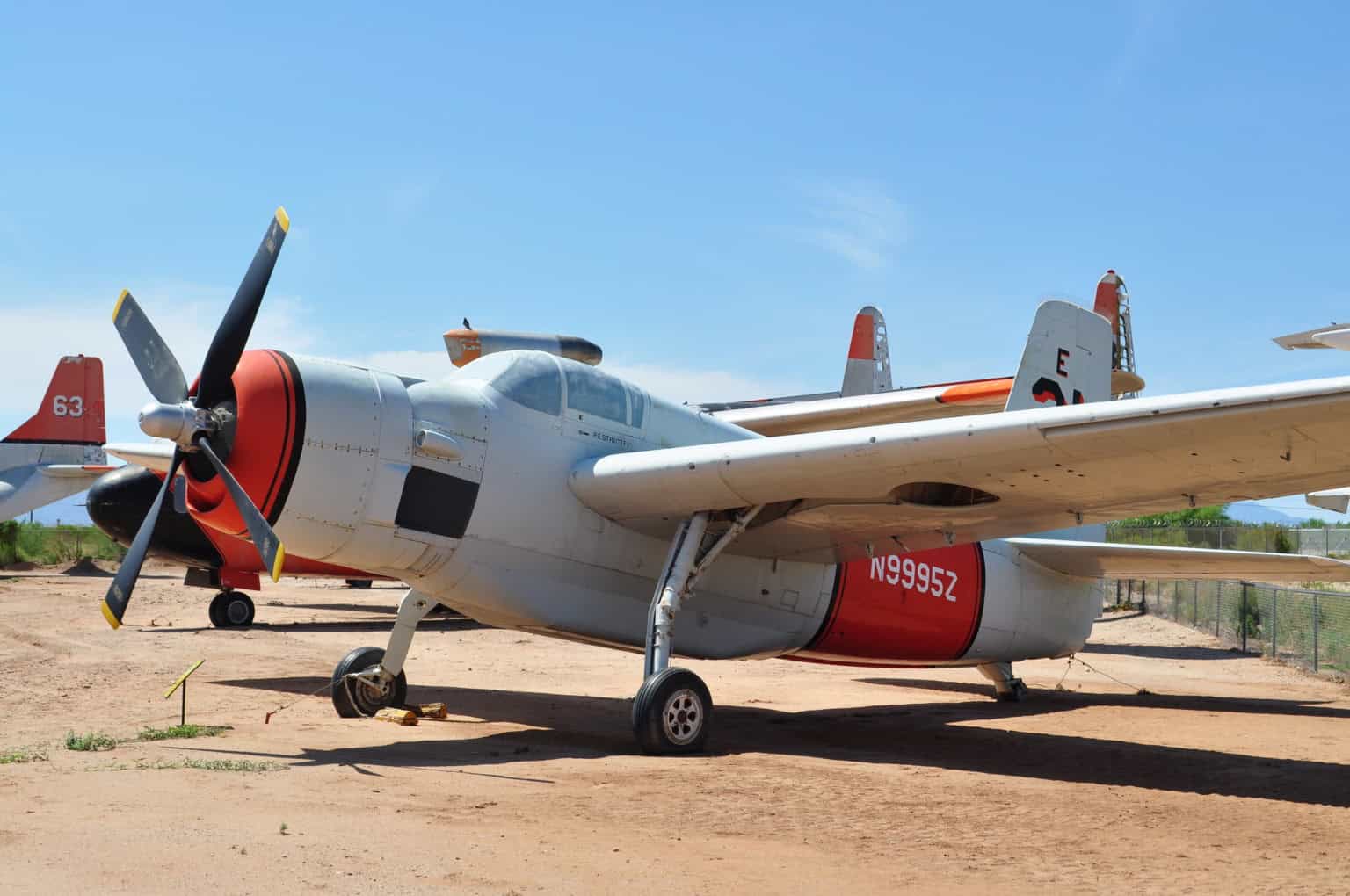
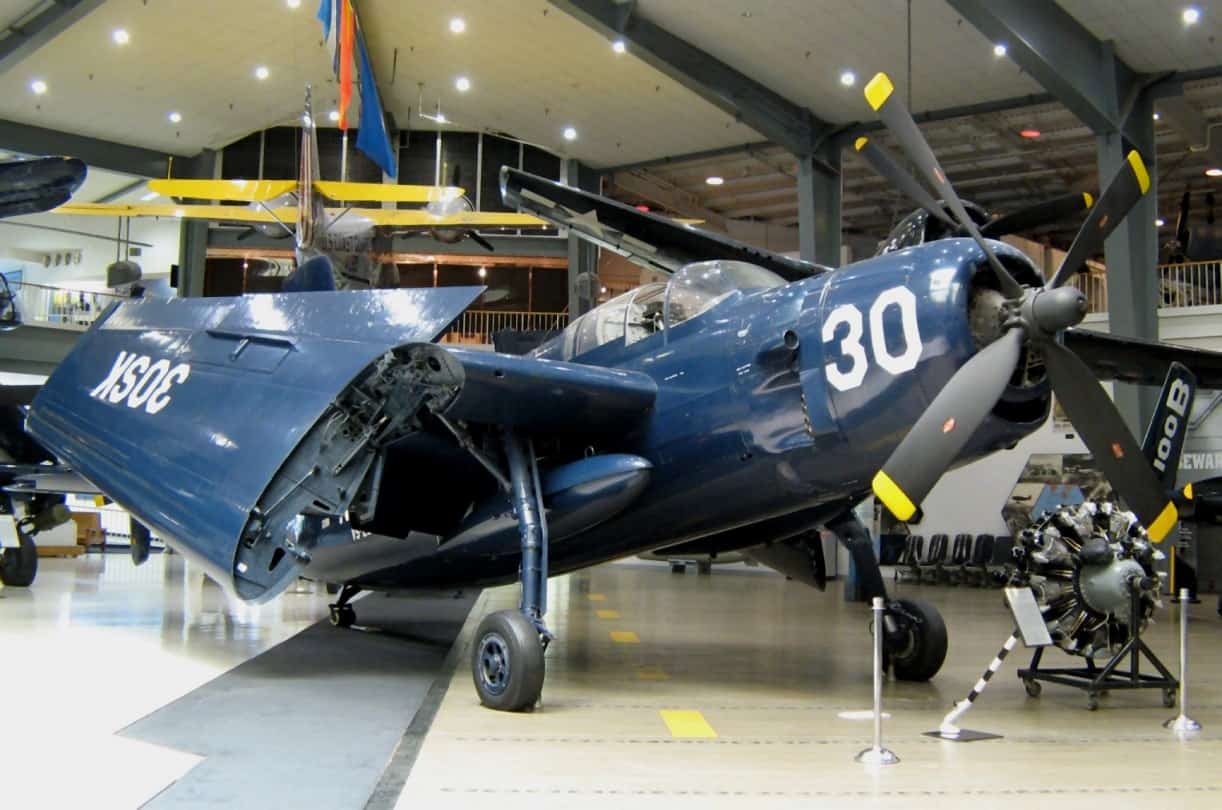

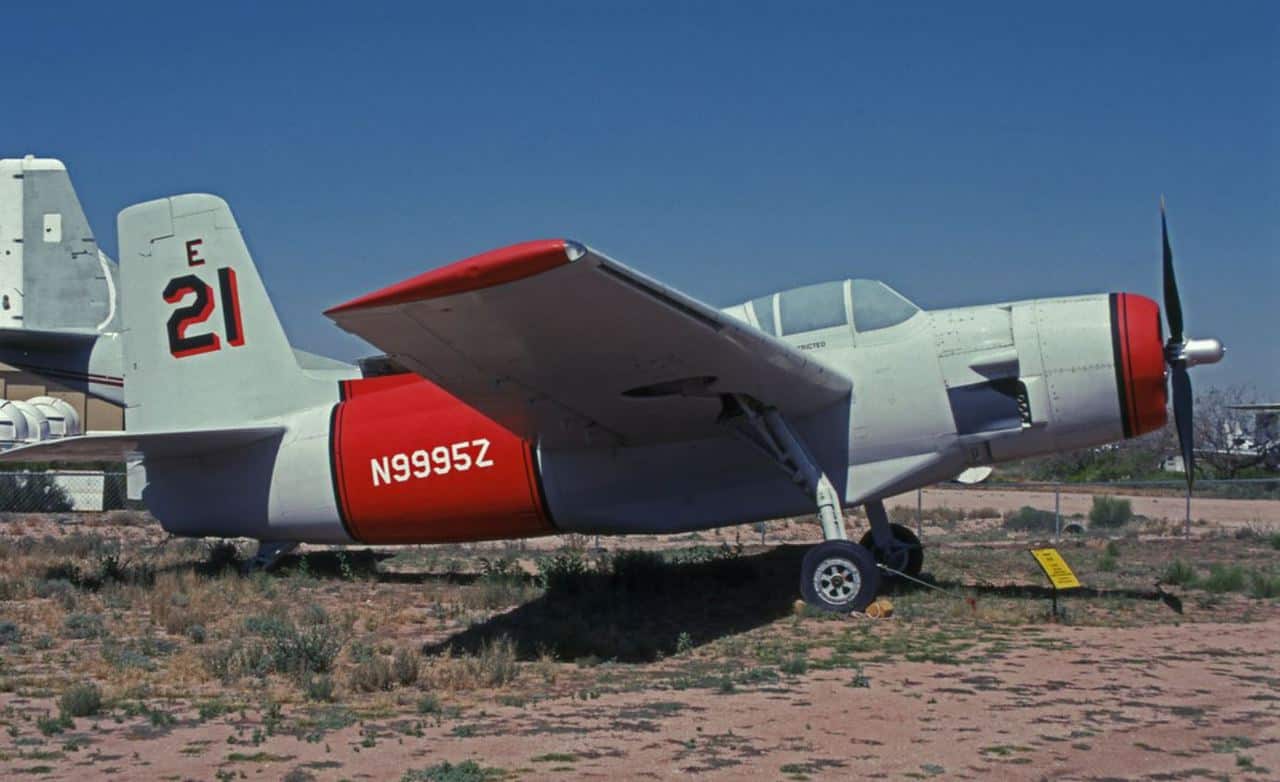
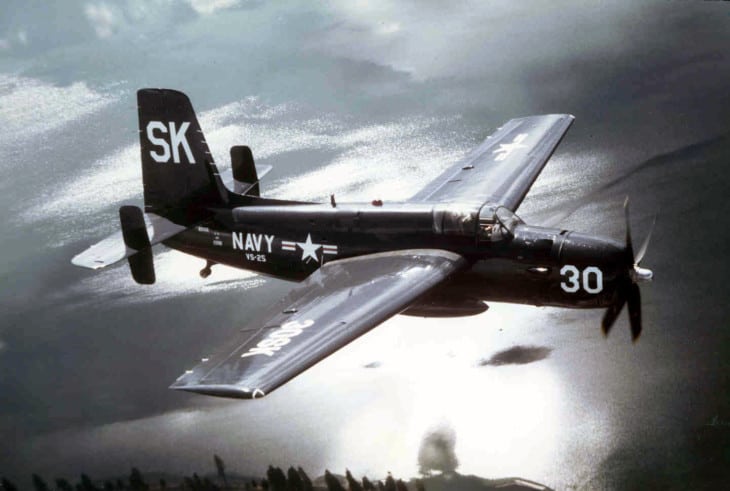
On December 19, 1945, the AF Guardian prototype with the Navy designation XTB3F-1S took to the air for the first time. It was loaded with two 20 mm cannon and 1,814 kg of other ammunitions. On December 24, the United States Navy modified the aircraft from a torpedo-bomber into anti-submarine warfare that consisted of two variants. The first was knows as a guppy (hunter) or for detection gear, and the other as a scrapper (killer) or for weapons. In November 1948 and in January 1949, the XTB3F-1S hunter and the XTB3F-2S killer performed their maiden flights, respectively.
The AF Guardian can accommodate three crew members. It has an external length of 13.21 meters, an external height of 4.1 meters, and a fuselage diameter of 1.5 meters. It has a tail height of 5.1 meters and a wheelbase of 7.4 meters. The wingspan is 18.49 meters and the wing area is 52.03 square meters. It has an empty weight of 6,613 kg, a maximum payload of 2,000 kg, and a fuel tank capacity of 720 US gal. The maximum takeoff weight is 11,567 kg and the maximum landing weight is 10,270 kg.
The carrier-based AF Guardian is powered by a single Pratt and Whitney R-2800-48W Double Wasp engine. It is an eighteen-cylinder air-cooled twin-row radial engine with water injection, two poppet valves per cylinder, a variable-speed single-stage single-speed centrifugal-type supercharger, Stromberg injection carburetor, and an air cooling system. It produces a maximum takeoff thrust of 2,400 hp.
The aircraft has a maximum speed of 276 knots at full throttle not to exceed thirty minutes at 15,000 feet with a gross weight of 9,500 kg. It has a travel range of 1,304 nautical miles. It can fly up to 15,000 feet and can climb at a rate of 1,850 feet per minute. The aircraft is loaded with six 127 mm unguided high-velocity aircraft rockets (HVARs) and 1,814 kg of bombs, torpedoes, and depth charges.
Sources and references used for research and fact-checking.