Military Propellor Planes
Grumman F7F Tigercat
ICAO: F7F
Anti-submarine warfare aircraft introduced in February 1954
The latest aviation news and stories sent to your inbox.
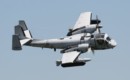
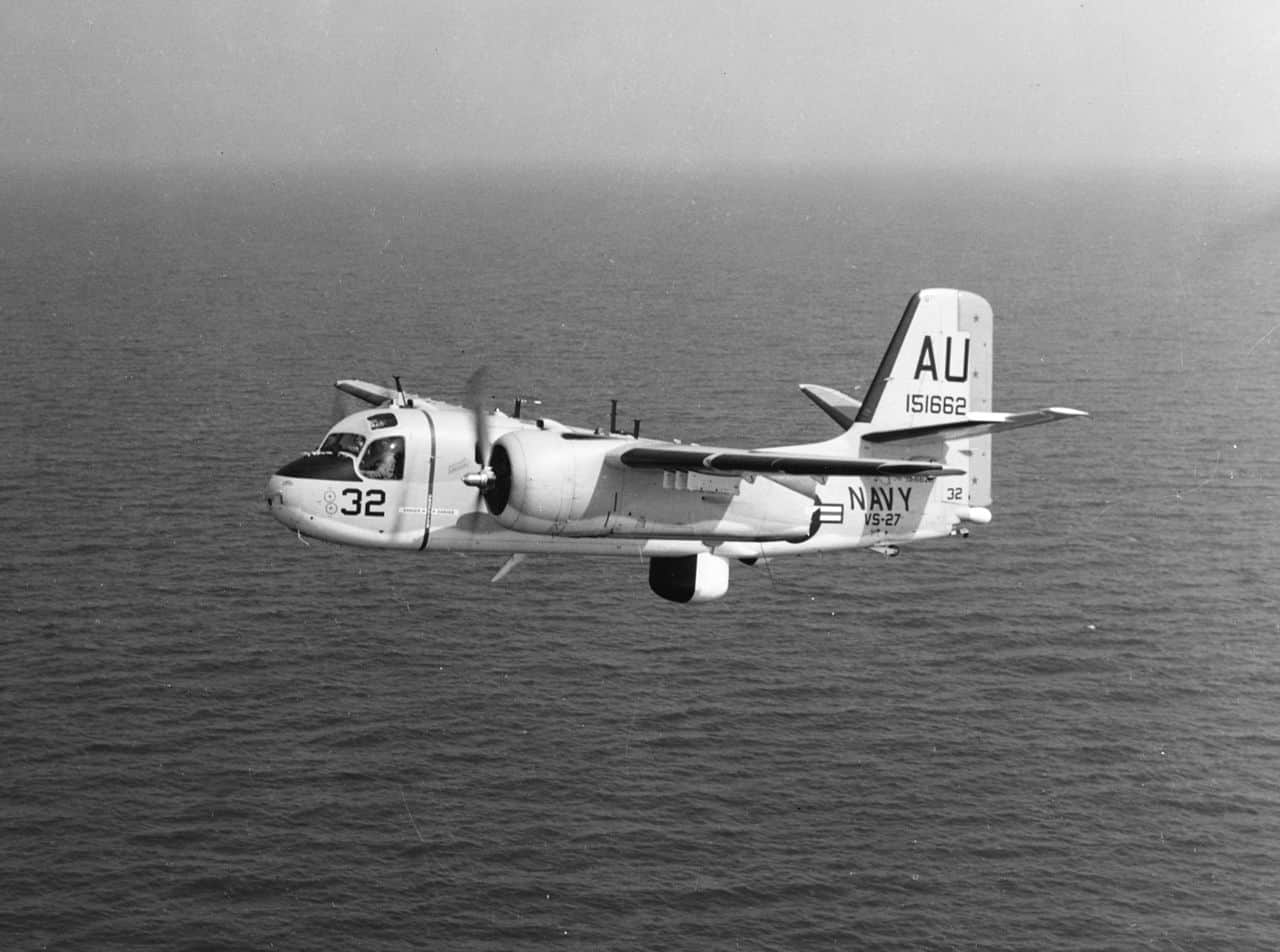
The Grumman S-2 Tracker was originally developed and manufactured by Grumman that performed its maiden flight in December 1952. It was intentionally built as an anti-submarine warfare aircraft with a single airframe and served the United States Navy. The aircraft featured a conventional design, powered by two radial engines with a propeller, fitted with high wings and a tricycle landing gear.
Live Fleet Activity (S2F)
Fetching live data…
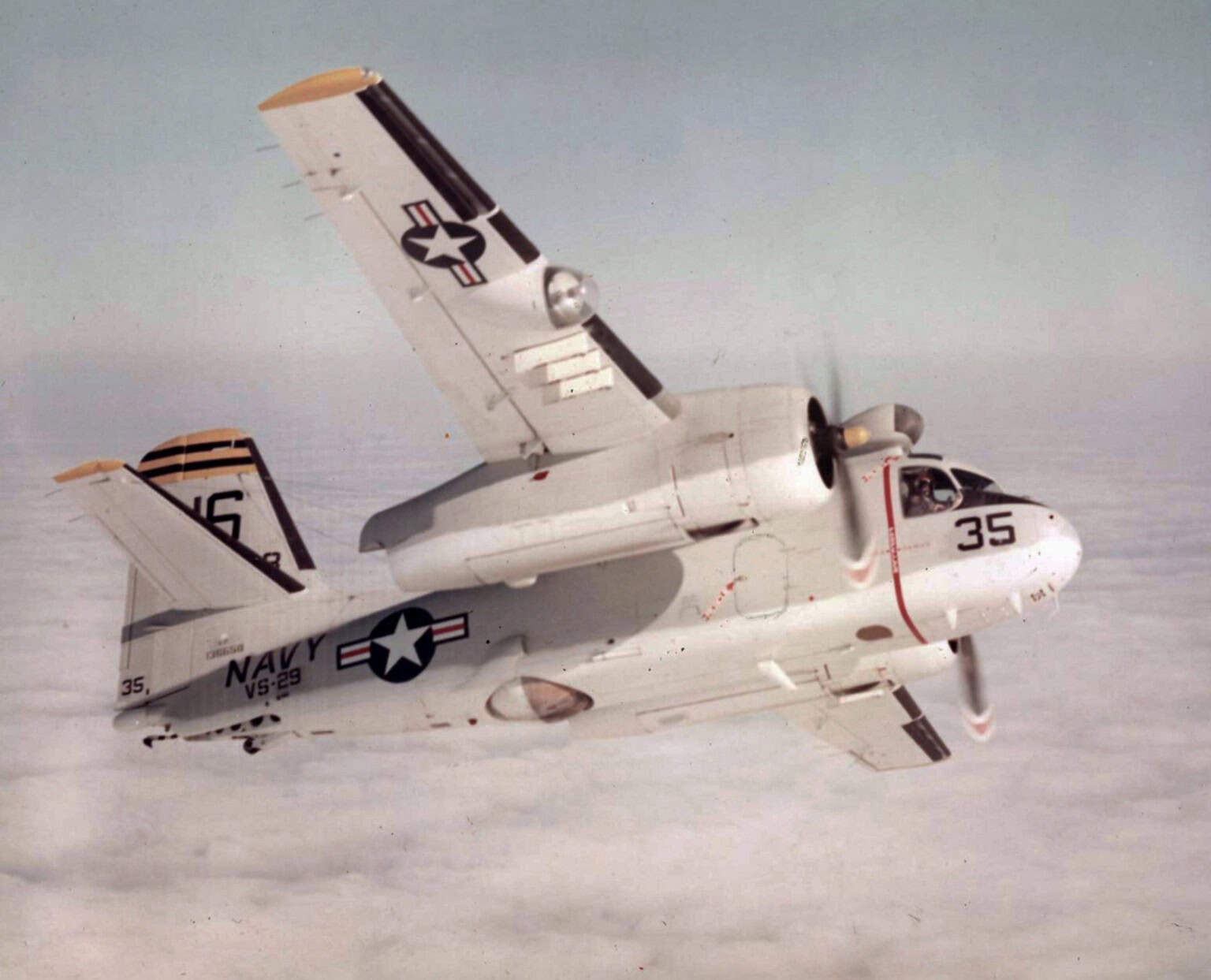
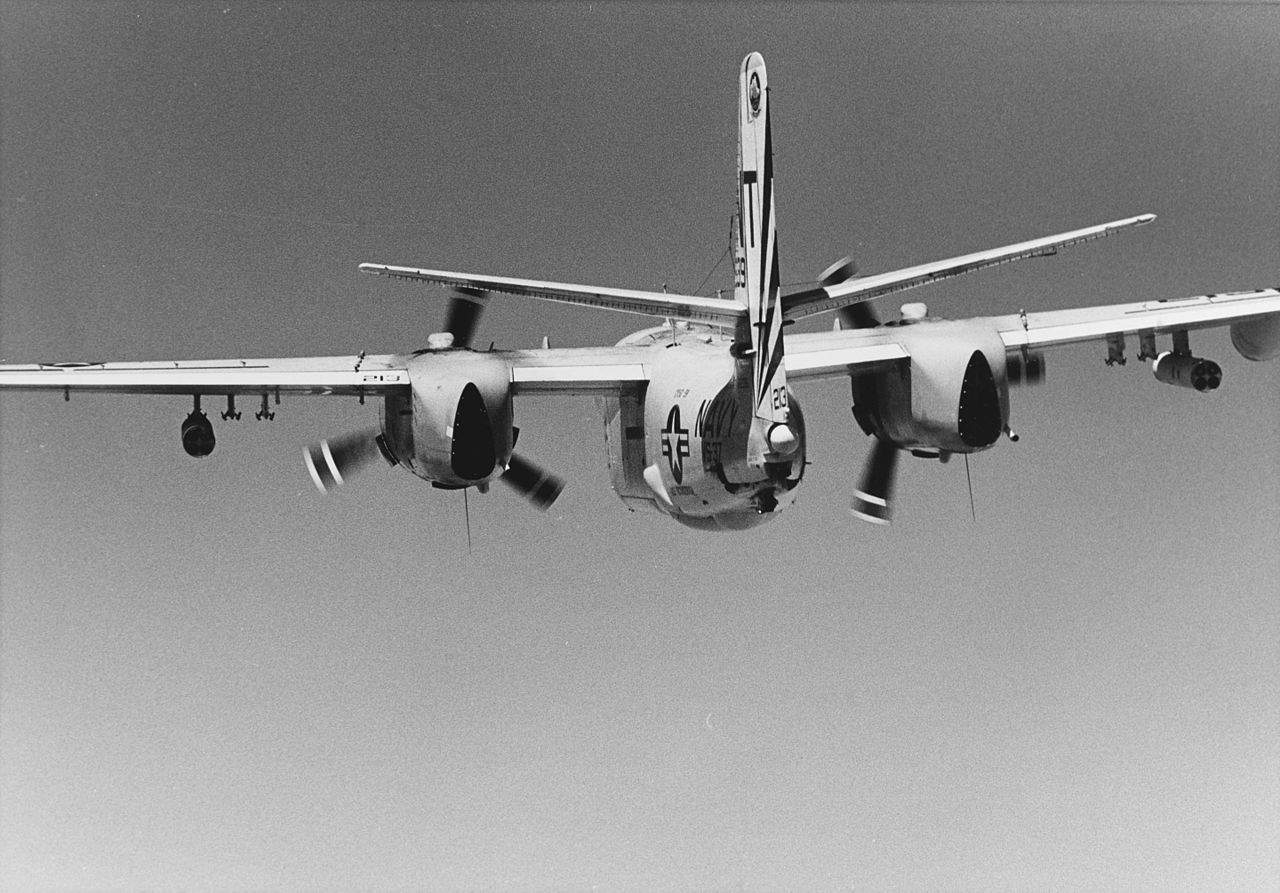
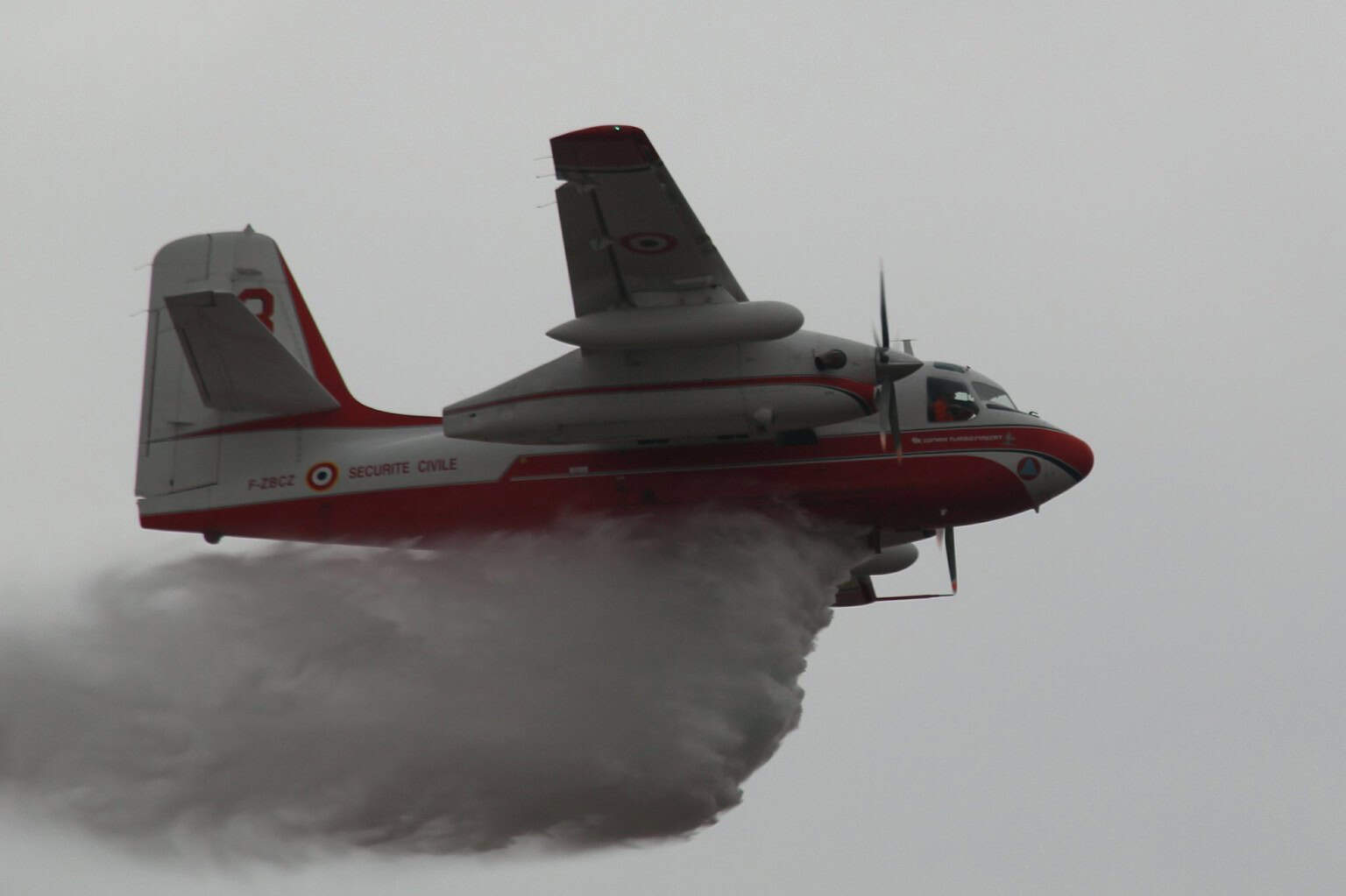

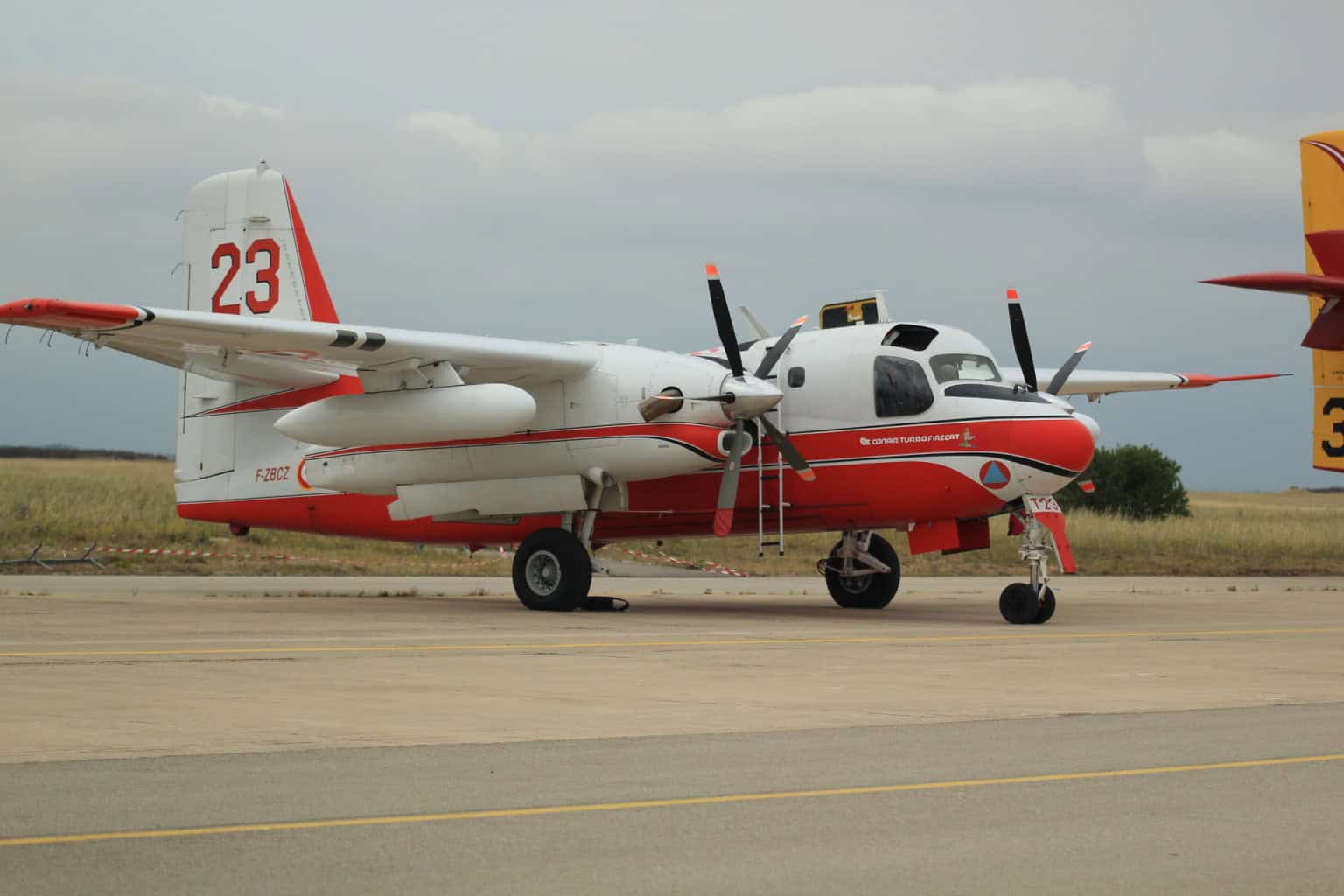

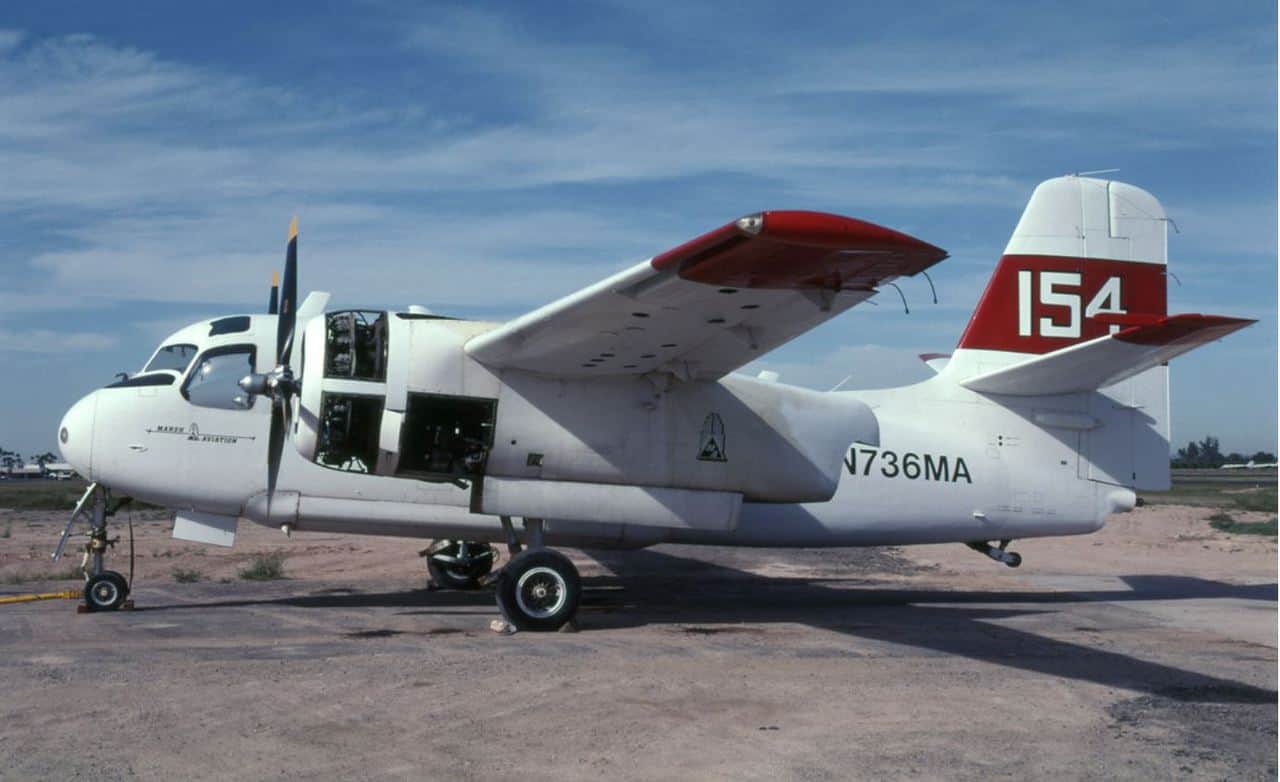
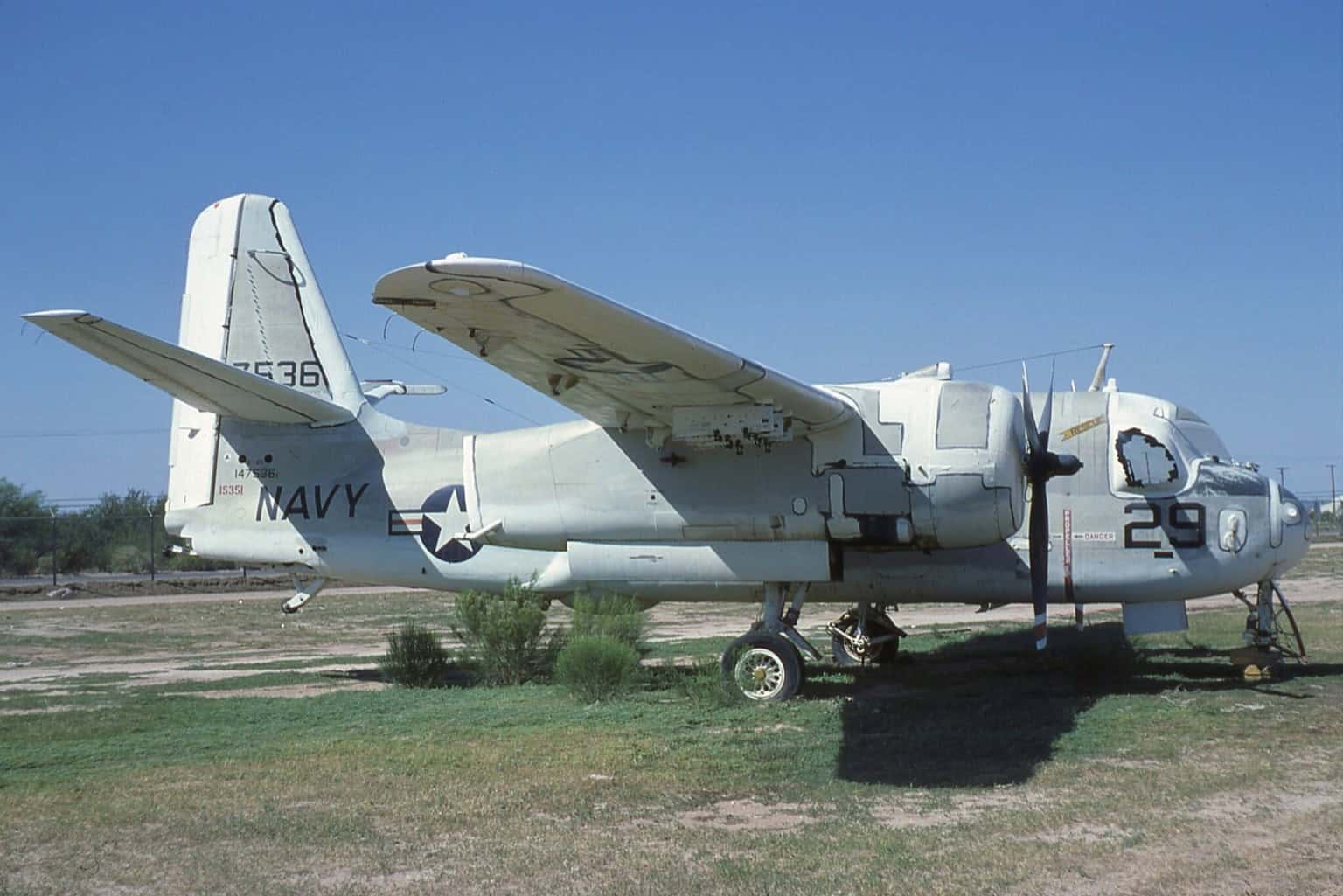

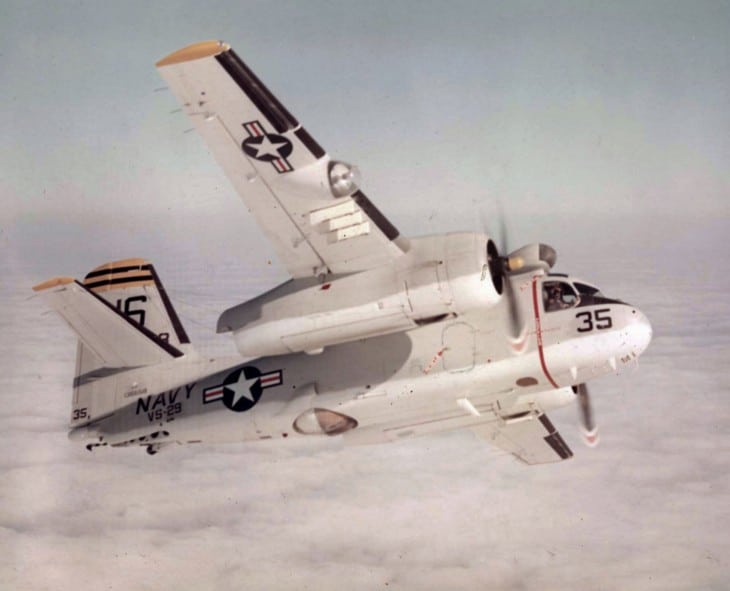
The Grumman S-2 Tracker was purposely-built to replace the AF Guardian anti-submarine warfare of the United States Navy. On June 30, 1950, two prototypes designated as XS2F-1 and fifteen S2F-1 production aircraft were ordered. On December 4, 1952, the aircraft took to the air for the first time. In February 1954, it entered into service.
The S-2 Tracker can accommodate up to four crew members. It has an external length of 13.26 meters, an external height of 3 meters, and a fuselage diameter of 1.75 meters. The tail height is 5.33 meters and the tricycle landing gear has a wheelbase of 4.2 meters. The aircraft is fitted with high wings with a wingspan of 22.12 meters and a wing area of 45.1 square meters. It has an empty weight of 8,308 kg, a gross weight of 10,630 kg, a maximum payload of 2,200 kg, and a fuel tank capacity of 520 US gal. The maximum takeoff weight is 11,860 kg.
The aircraft is powered by twin Wright R-1820-82WA engines. It is a nine-cylinder single-row supercharged air-cooled radial piston engines with two overhead valves per cylinder with sodium-filled exhaust valves, a single-speed centrifugal-type supercharger a Stromberg downdraft carburetor with an automatic mixture control fuel system, a dry-sump with one pressure and one scavenging pump oil system, and an air cooling system. Each engine produces a maximum thrust of 1,525 hp.
The Tracker has a maximum speed of 243 knots at sea level and a cruise speed of 130 knots. It has a travel range of 1,173 nautical miles and has a nine-hour endurance. It can fly up to 22,000 feet and can climb at a rate of 1,920 feet per minute. The 2,200 kg of payload could be carried in the internal weapons bay and on six under-wing hardpoints; it included different torpedoes and MK.54 or naval mines depth charges.
Sources and references used for research and fact-checking.