Military Propellor Planes
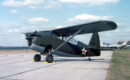
Curtiss O-52 Owl
ICAO: O52
The last military biplane acquired by the United States Navy
The latest aviation news and stories sent to your inbox.
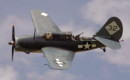
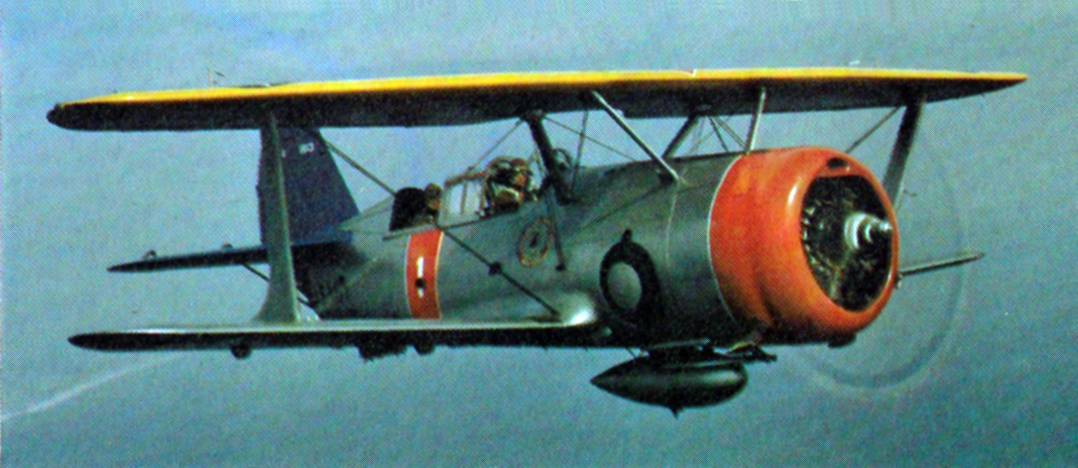
The Curtiss SBC Helldiver was designed and manufactured by Curtiss-Wright as a two-seat scout bomber and dive bomber during the late 1930s. The aircraft was the last military biplane acquired by the United States Navy. The SBC Helldiver was mainly used by the United States Navy, United States Marine Corps, Royal Air Force, and French Navy. A total of 257 aircraft were built.
Live Fleet Activity (SBC)
Fetching live data…

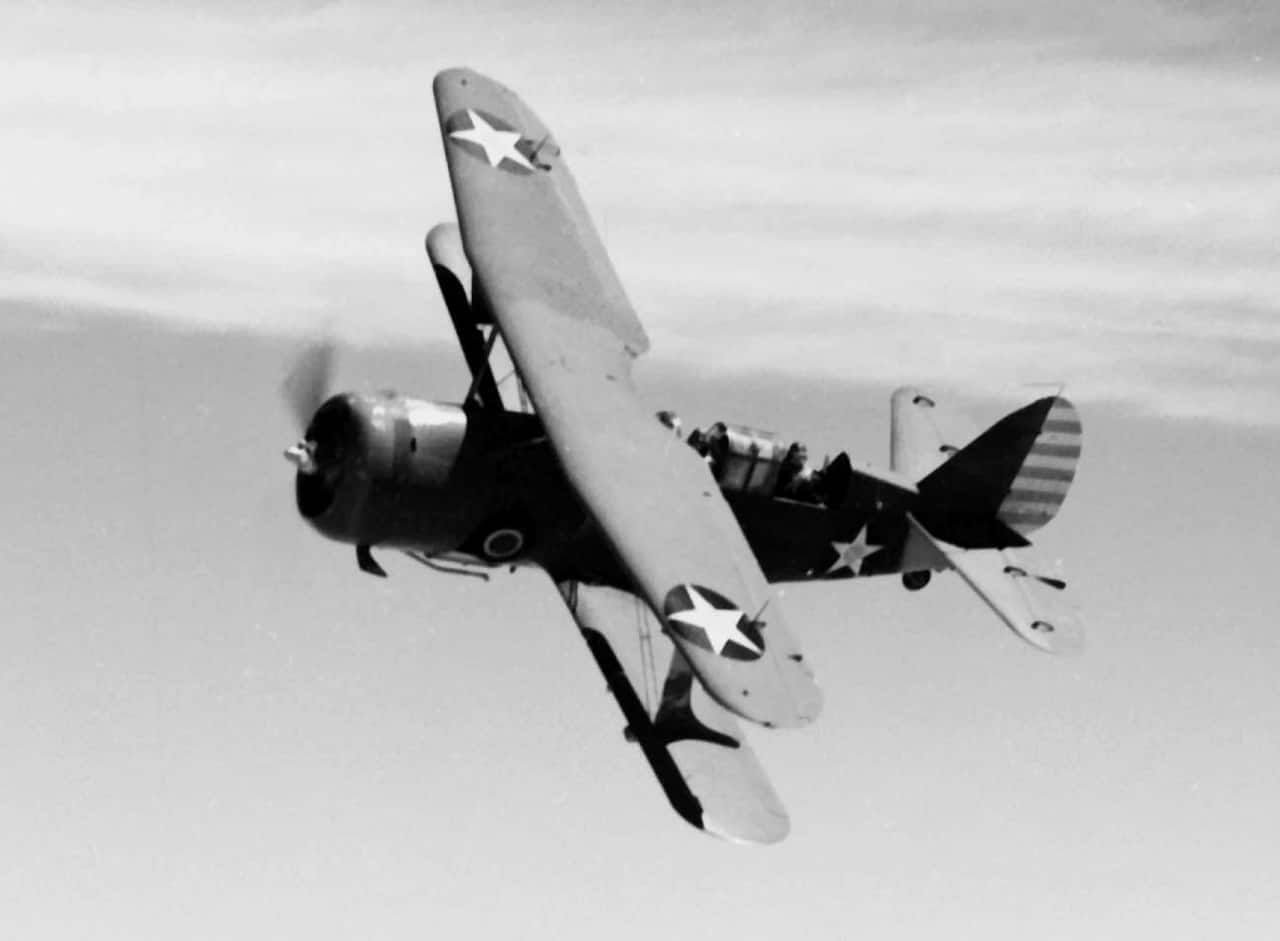

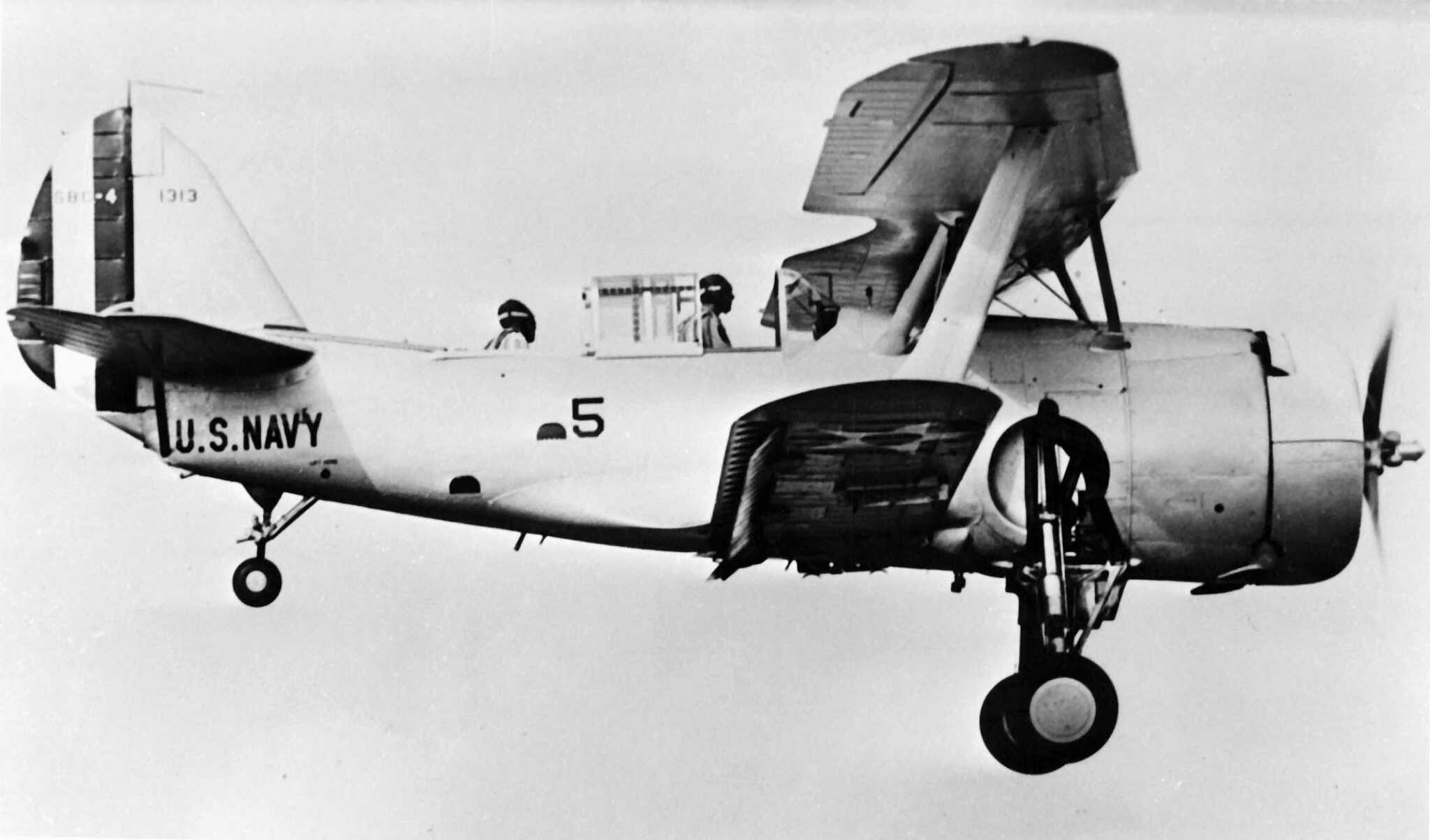

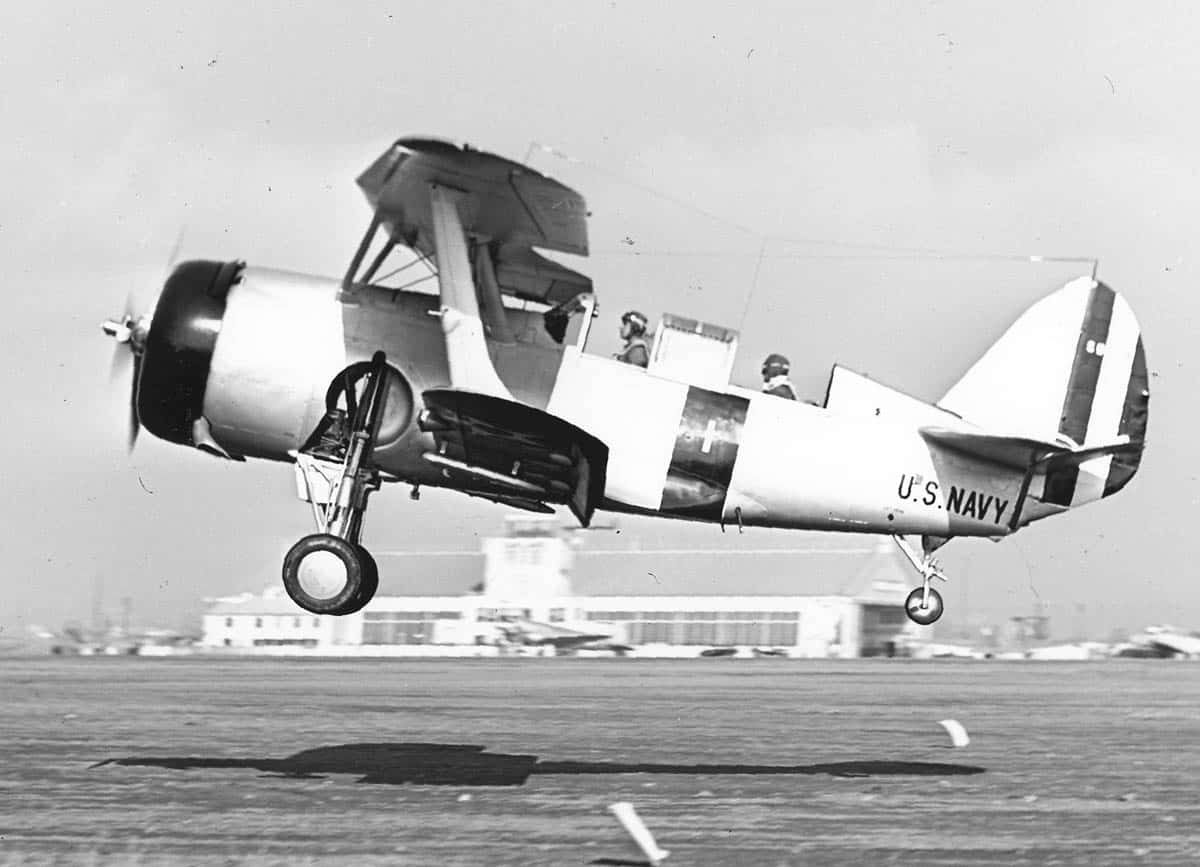
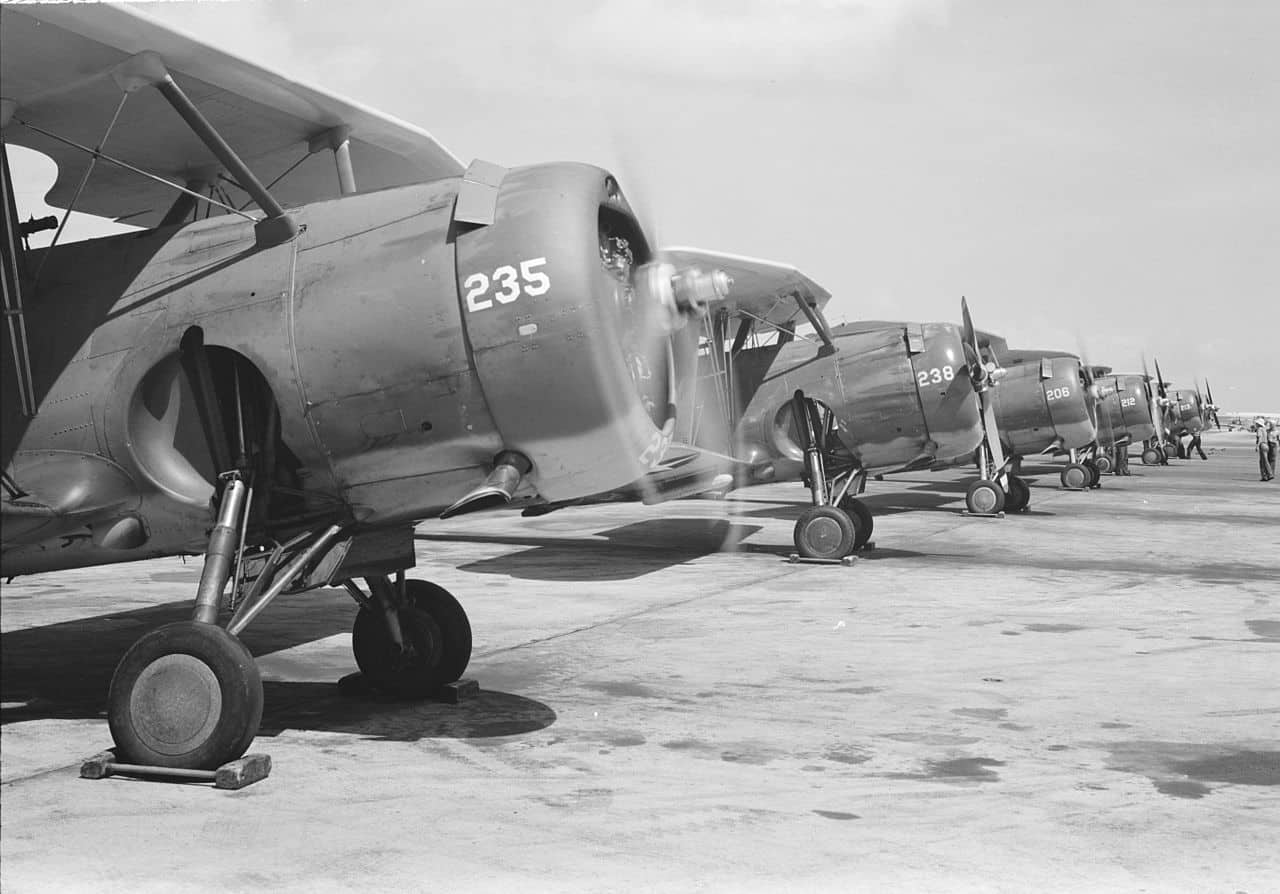


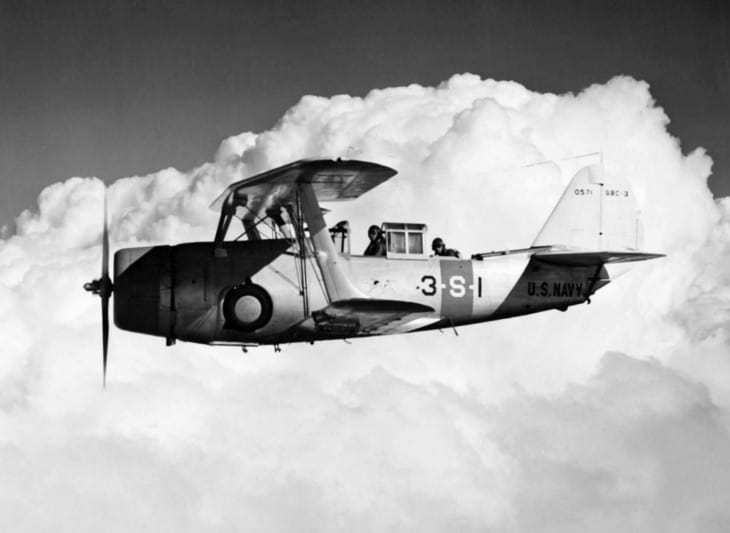
In 1931, the United States Navy had a requirement for a high-performance fighter aircraft fitted with fixed landing gear and power generated by either the Wright R-1510 or the Pratt and Whitney R-1535 radial engine. The American company Curtiss-Wright was asked by the USN to provide a technically-advanced two-seat monoplane prototype. On June 30, 1932, the United States Navy’s Bureau of Aeronautics signed the contract with the manufacturing company to develop a two-seat monoplane fitted with retractable landing gear and with Wright R-1510-92 engine rated at 625 hp. The prototype was given the designation XF12C-1.
The SBC-4 is a two-seat production version with an external length of 8.57 meters, an external height of 3.18 meters, and a fuselage diameter of 1.1 meters. It has a tail height of 3.84 meters and a wheelbase of 4.9 meters. The wingspan is 10.36 meters and the wing area is 29.5 square meters. The empty weight is 2,065 kg, the gross weight is 3,211 kg, and the maximum takeoff weight is 3,462 kg. It has a maximum payload of 700 kg.
The aircraft is powered by a single Wright R-1820-34 nine-cylinder single-row supercharged air-cooled radial engine. It has two overhead valves per cylinder with a sodium-filled exhaust valve, a single-speed General Electric centrifugal-type supercharger, a Stromberg downdraft carburetor with automatic mixture control, a dry-sump with one pressure and one scavenging pump oil system, and an air cooling system. It produces a maximum thrust of 950 horsepower. The Helldiver has a maximum speed of 203 knots at 15,200 feet and a cruise speed of 152 knots. The travel range is 352 nautical miles. It can fly up to 24,000 feet and can climb at a rate of 1,630 feet per minute.
The SBS Helldiver could be armed with a single 7.6 mm forward-firing M1919 Browning medium machine gun, a single 7.6 mm flexible rearward-firing machine gun, and up to 454 kg of bombs.
Sources and references used for research and fact-checking.