Military Propellor Planes
Curtiss P-40 Warhawk
ICAO: P40
Early American aviation leaders in fighters, trainers, and speed

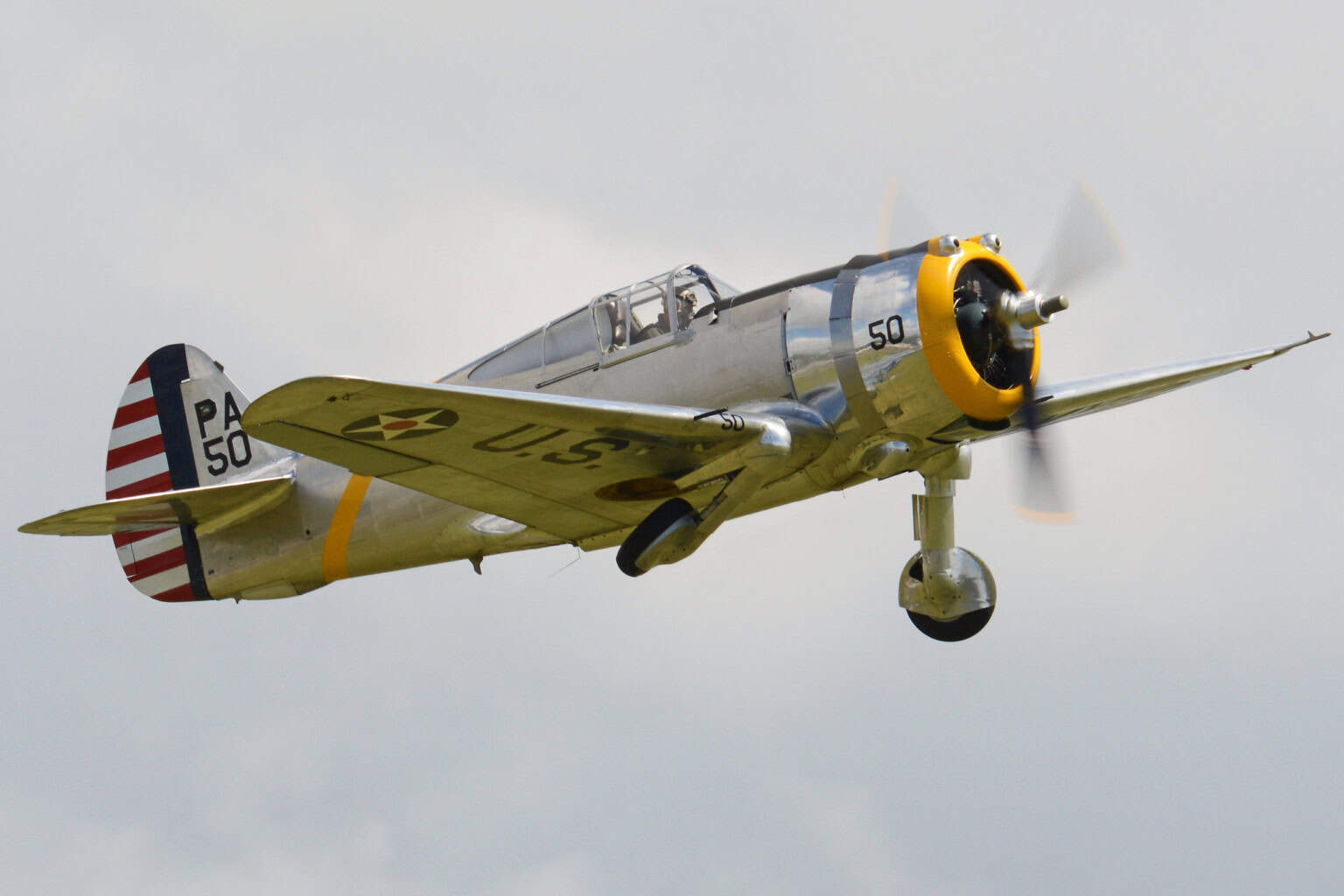
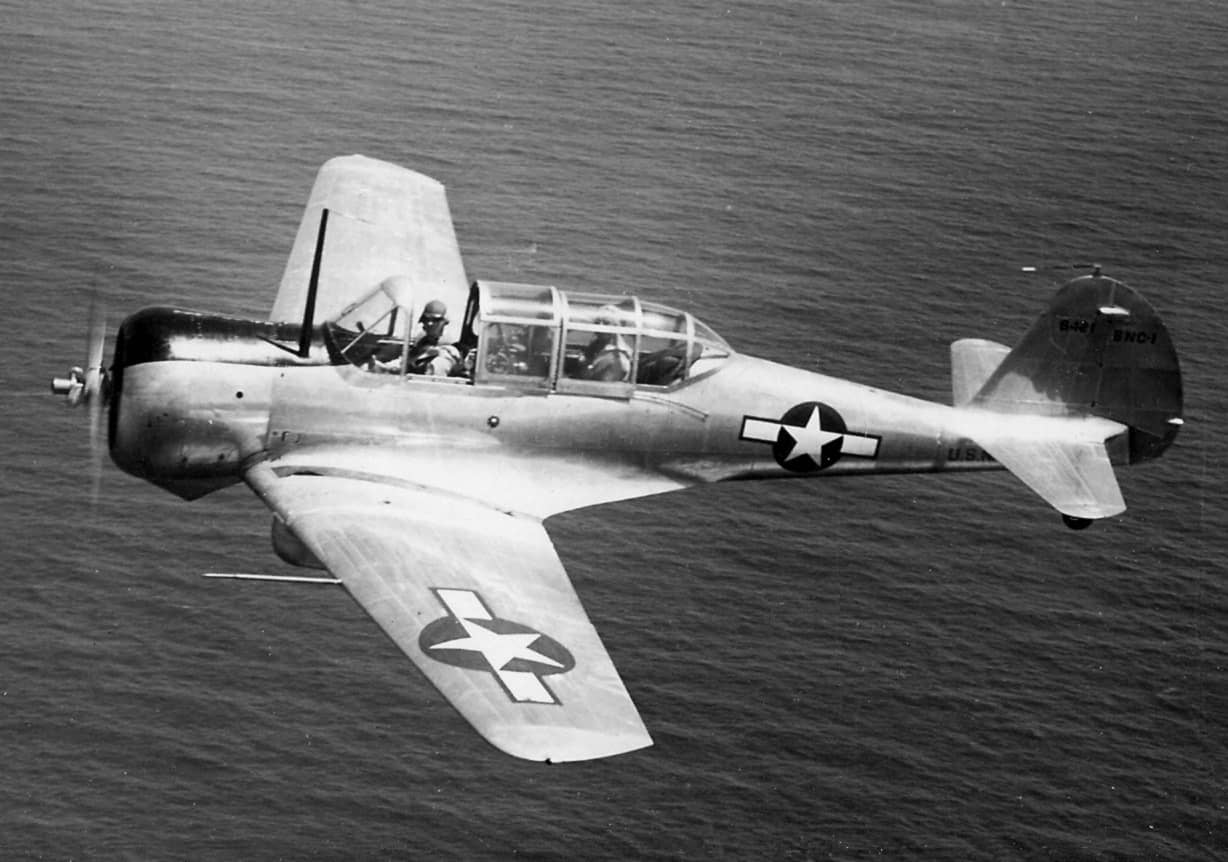
AeroCorner features profiles for 13 Curtiss aircraft. This includes 6 Military Propellor Planes, 3 Amphibious, 2 Military Trainers, 1 Private Single Engine, and 1 Military Transport Plane. Each profile includes performance data, photo galleries, dimensions, and operational history.
Curtiss was a pioneering American aircraft manufacturer known for early aviation breakthroughs and influential military aircraft. The company produced fighters, trainers, and bombers used extensively in both world wars. Curtiss helped shape U.S. aviation from its earliest days and remained a major industry force through the first half of the 20th century.
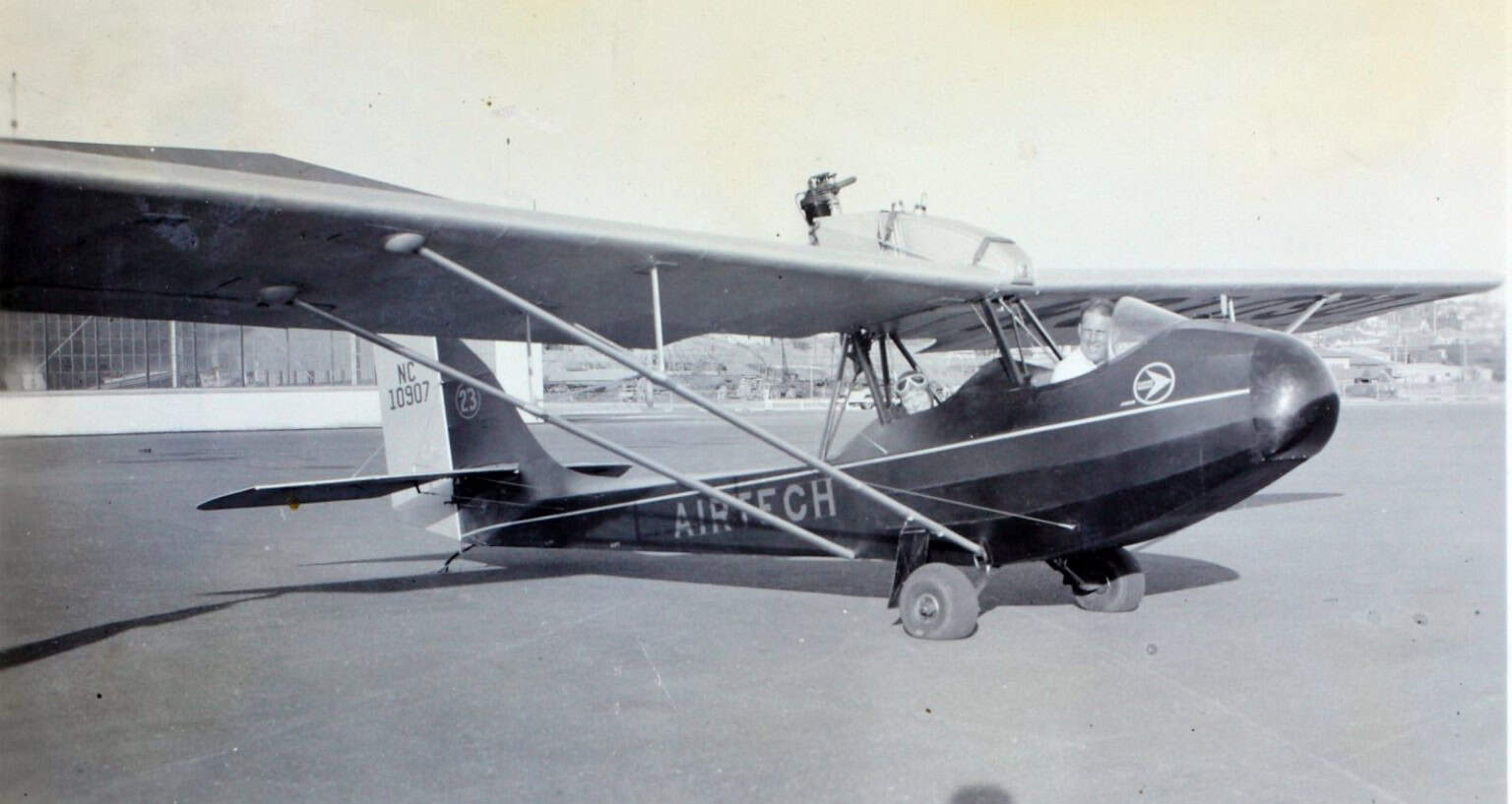
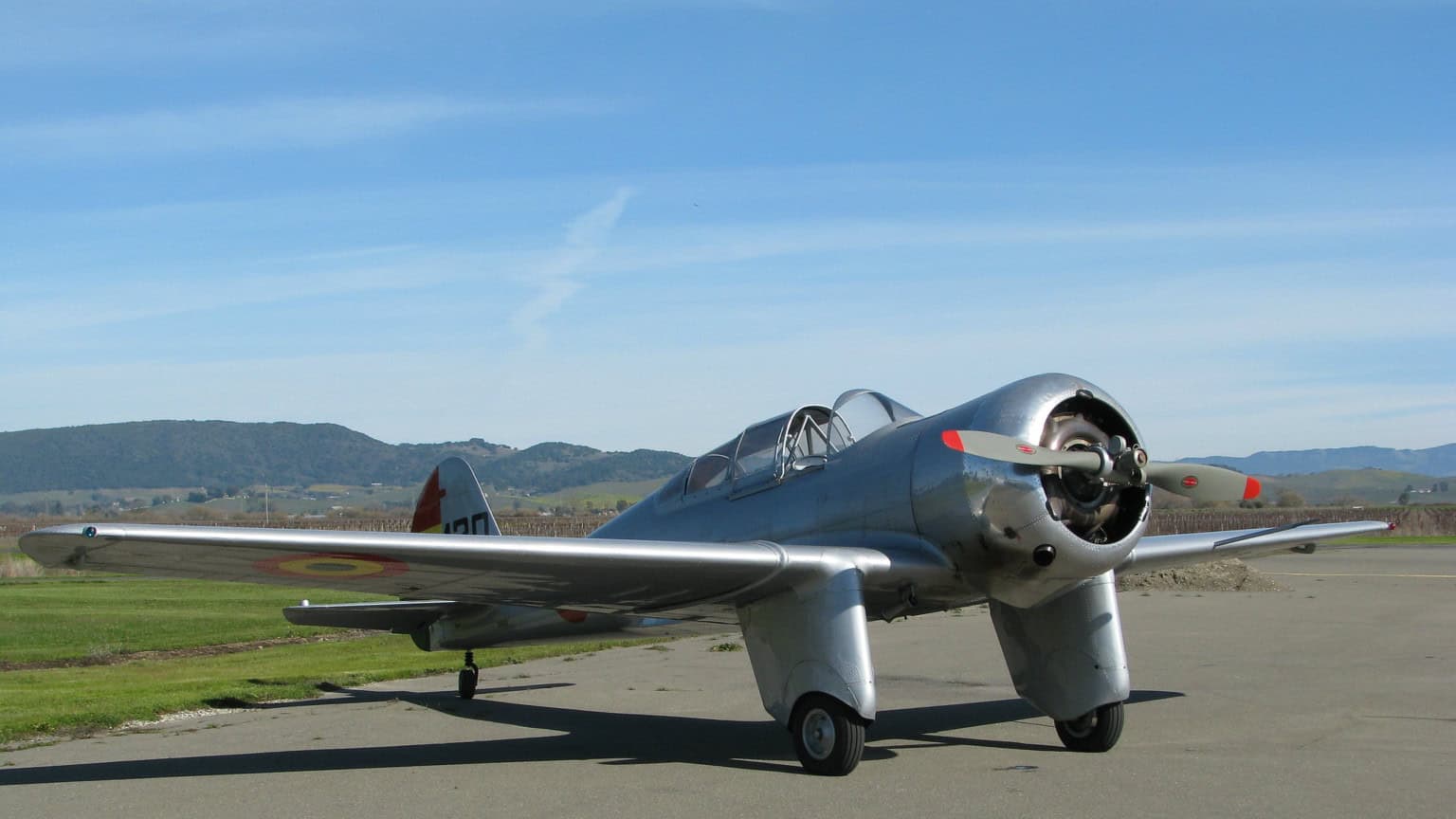
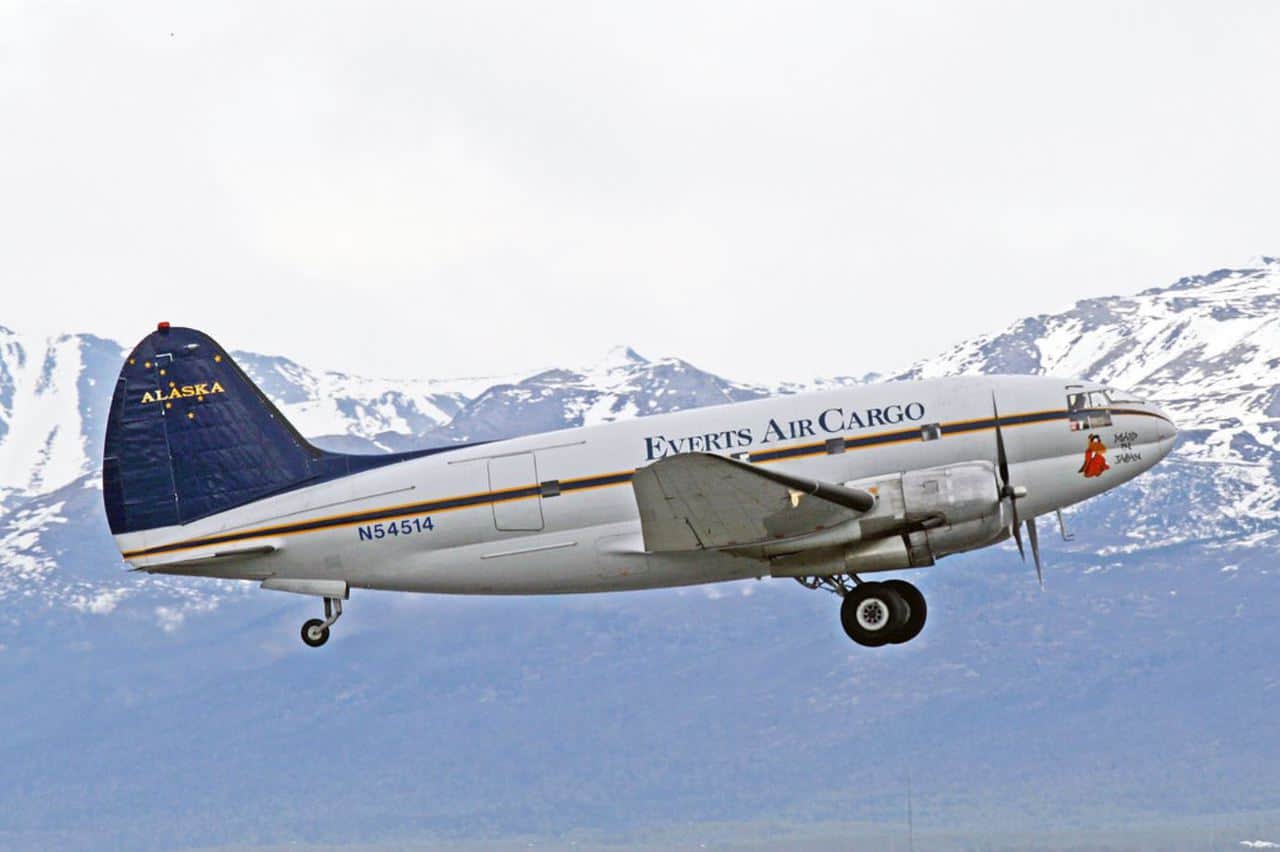
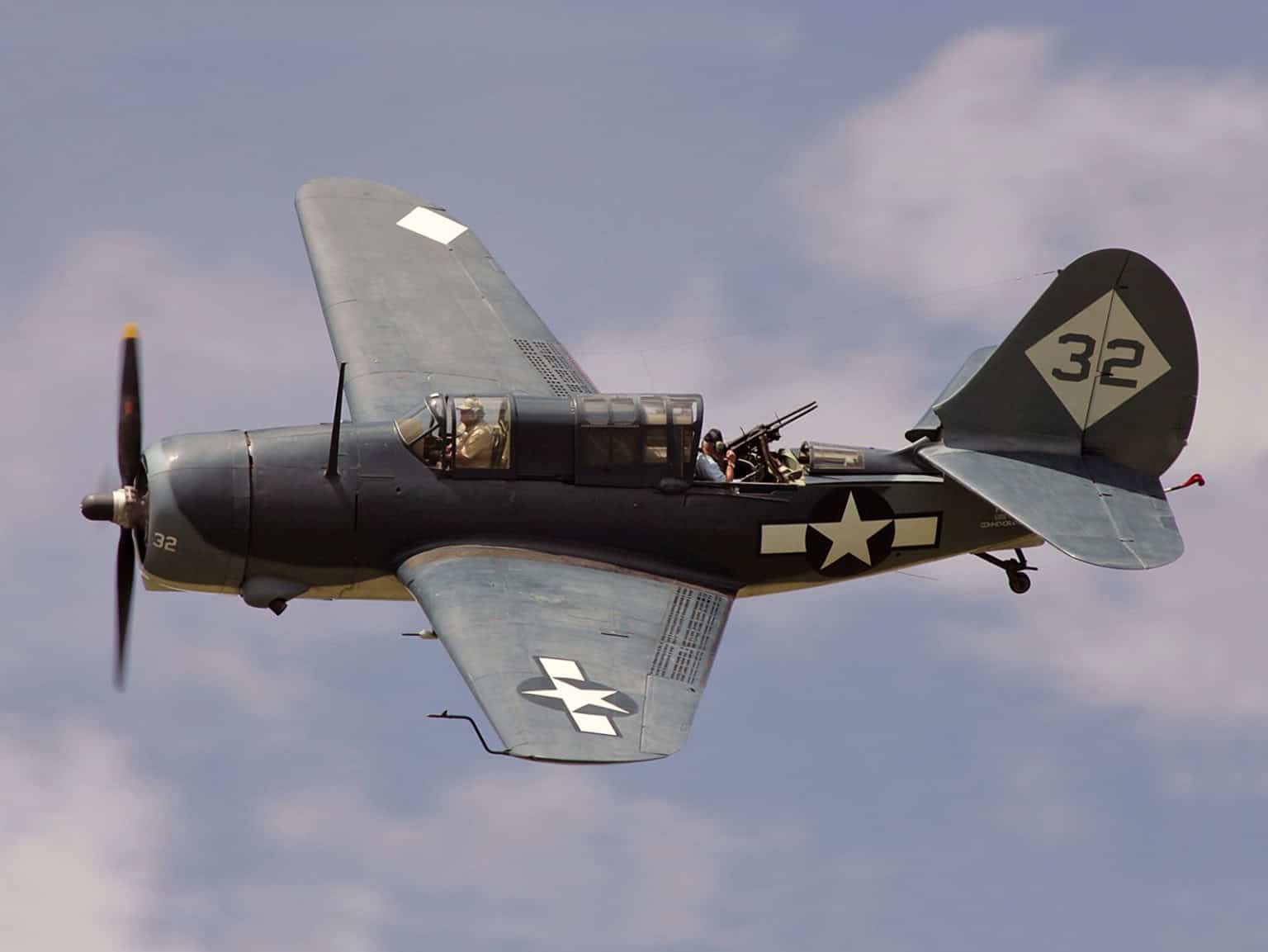
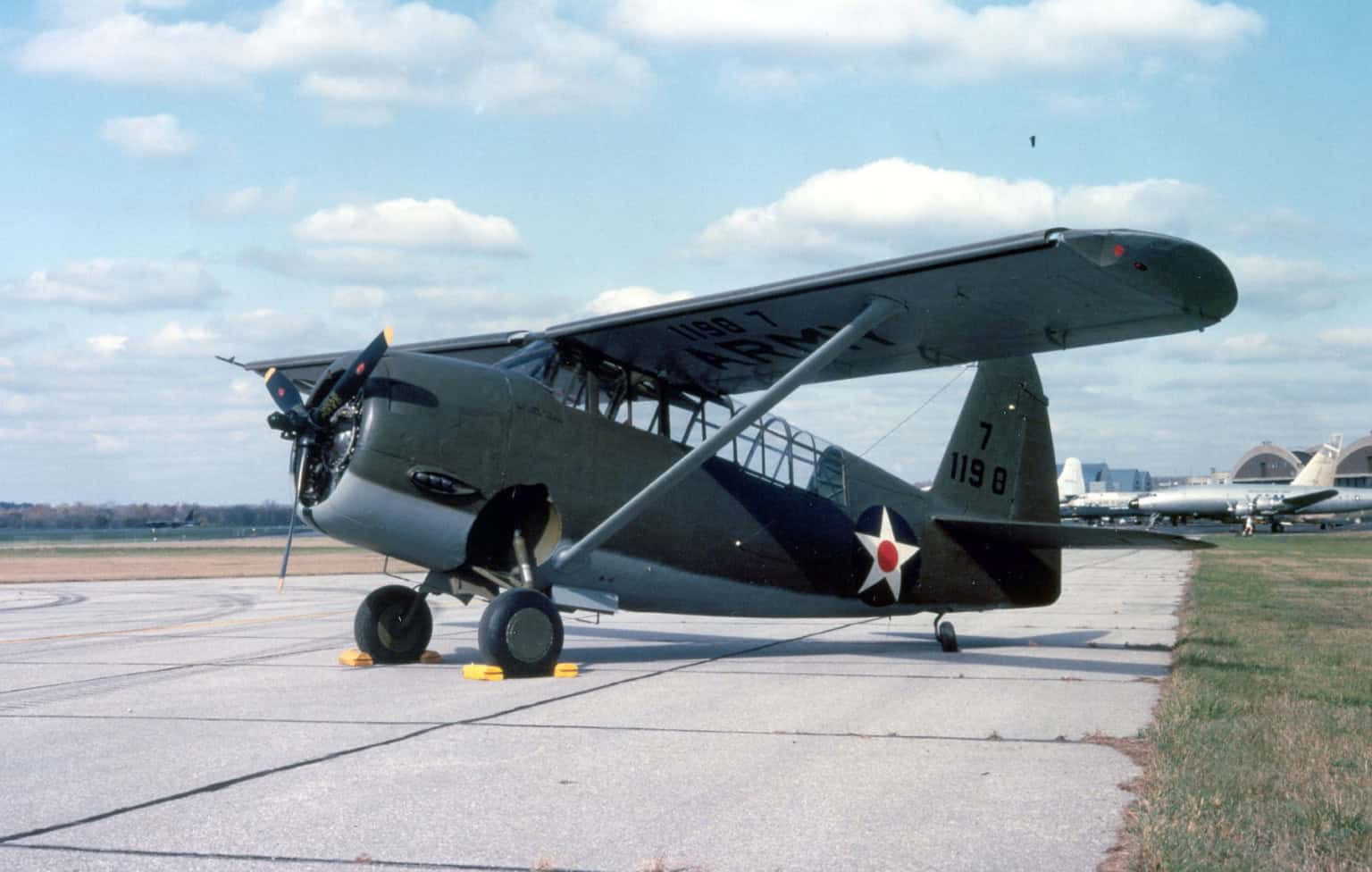
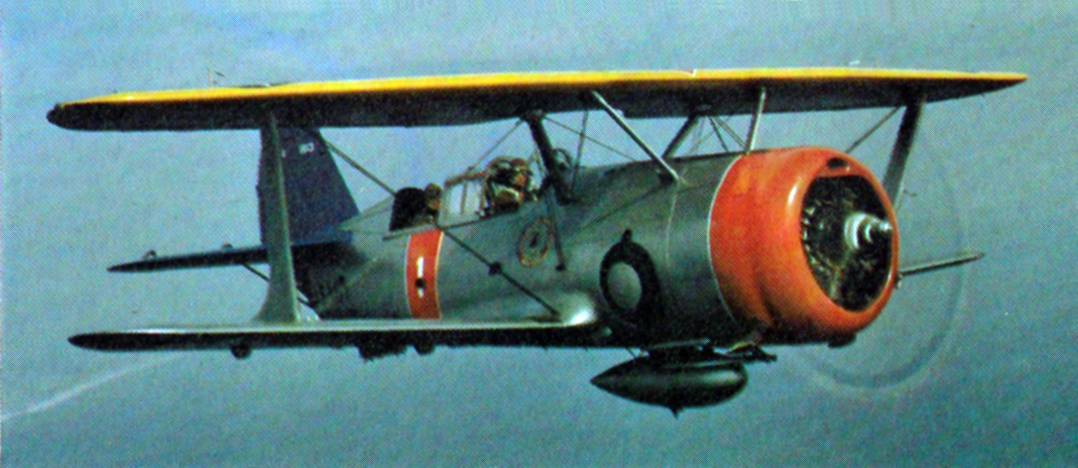
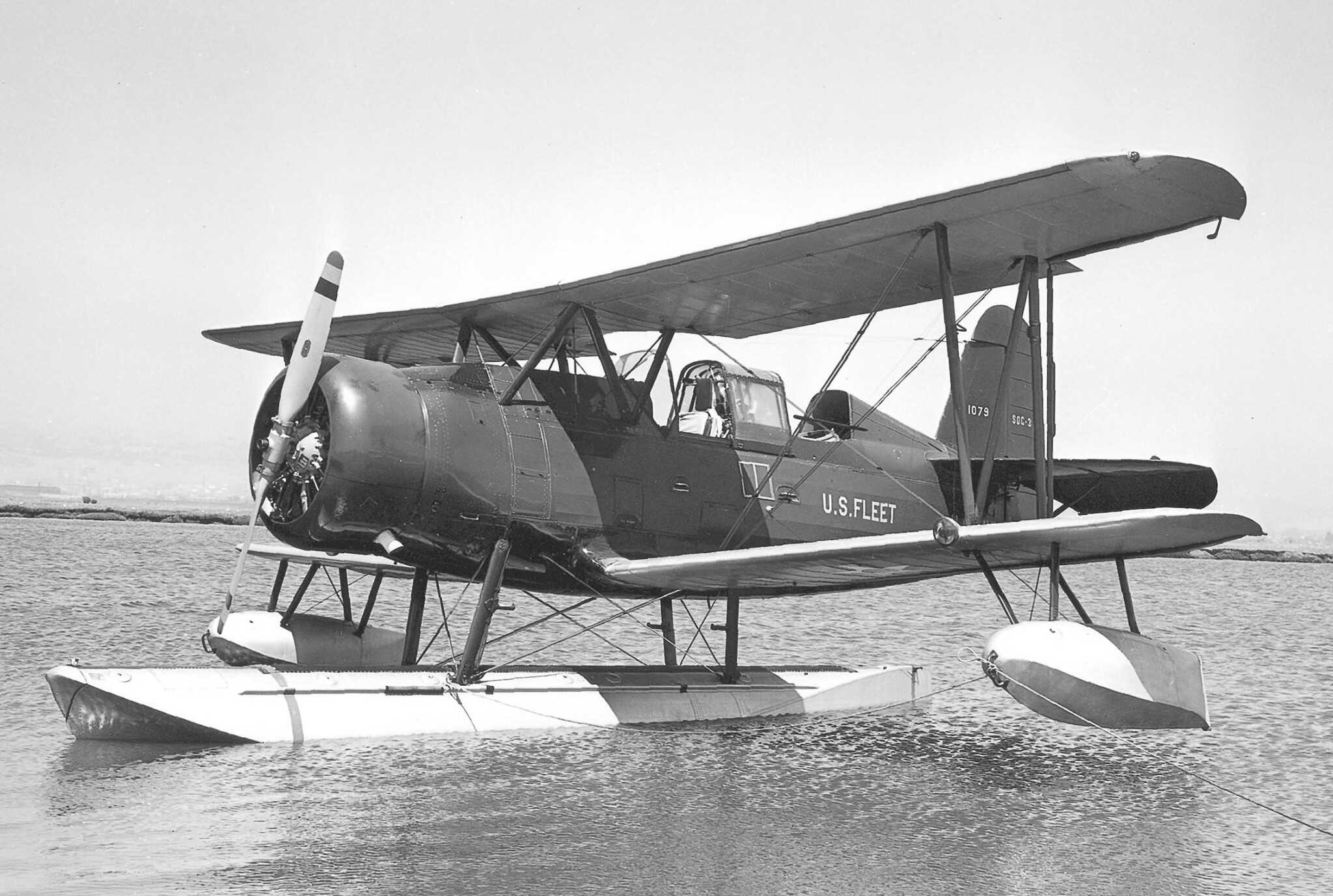
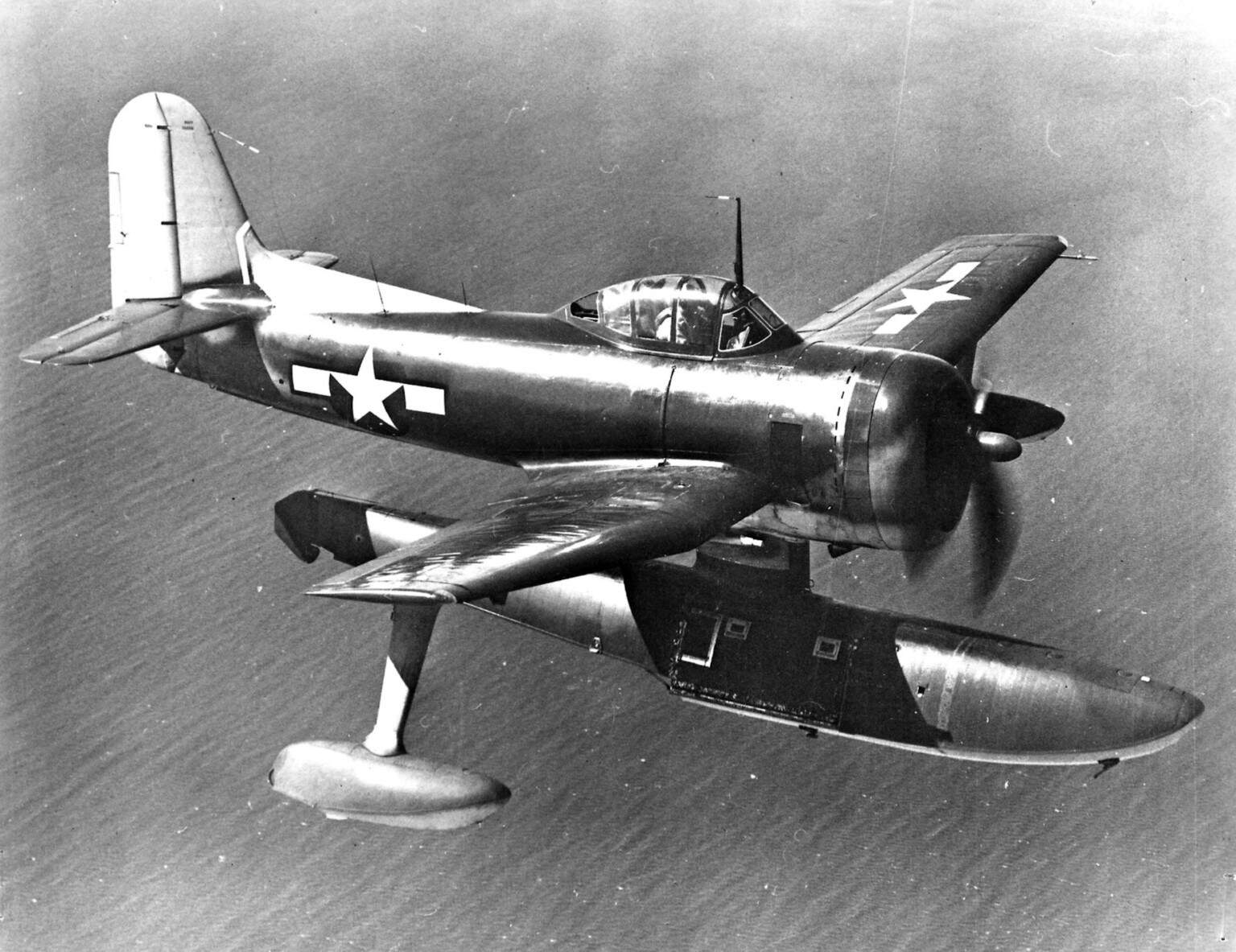
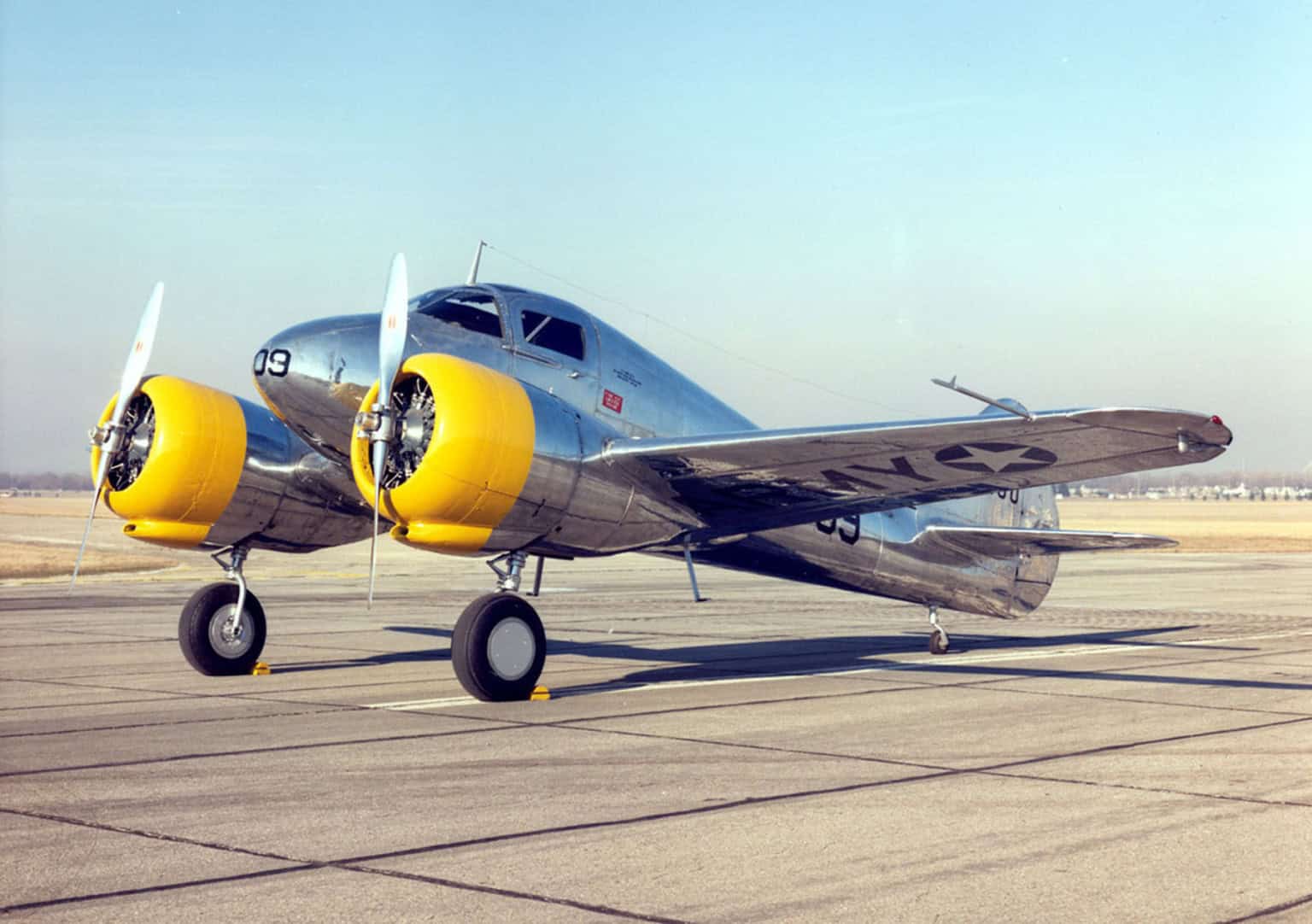
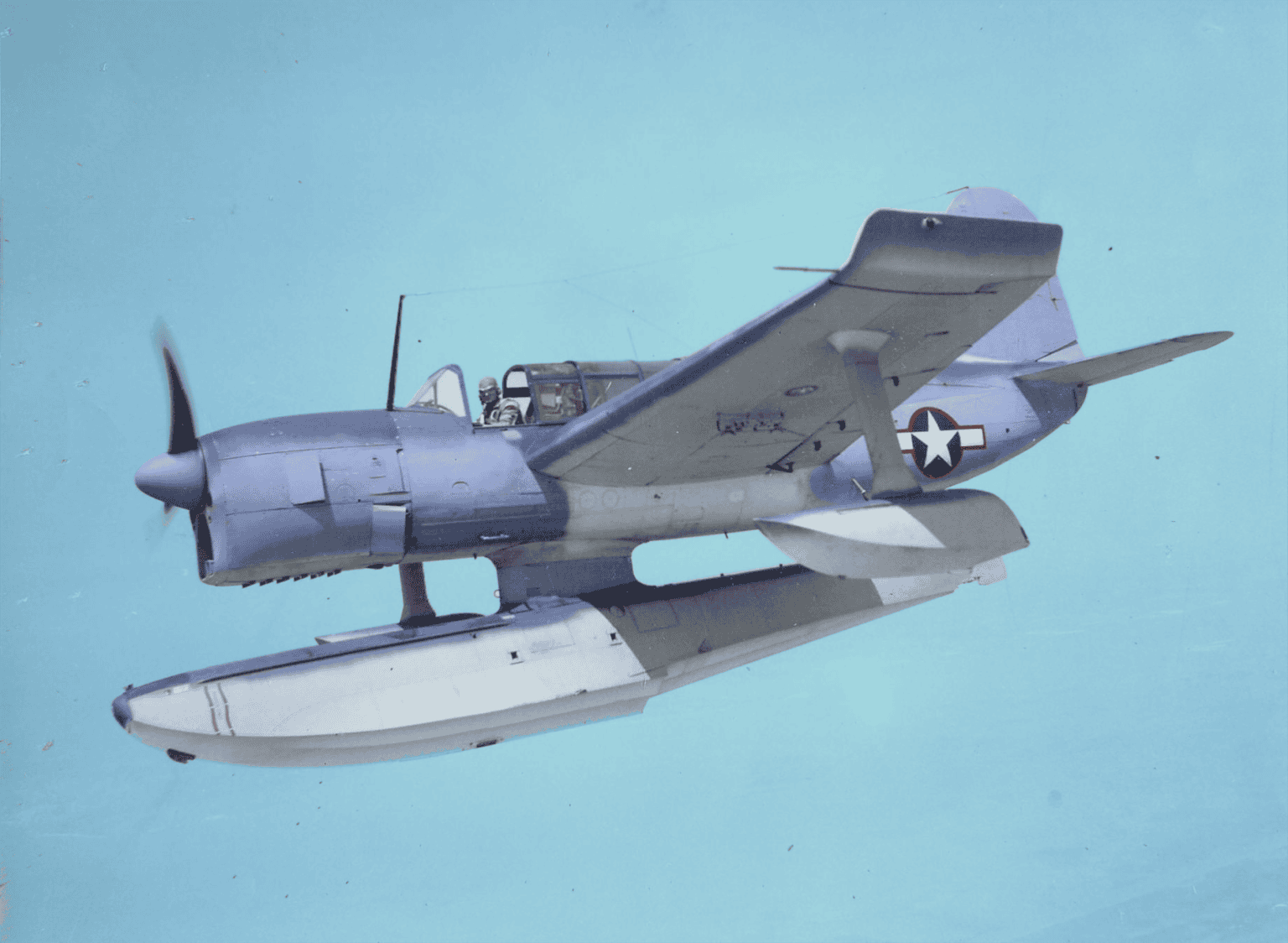

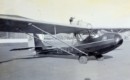
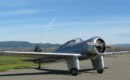
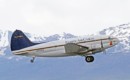
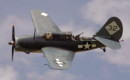
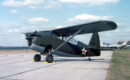

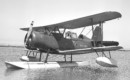
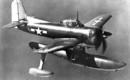
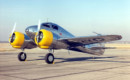
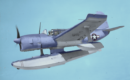
Curtiss was formed in 1909 by aviation pioneer Glenn Curtiss, following his success developing early engines and aircraft. The company quickly became a leading American manufacturer, producing numerous biplanes and contributing significantly to early civil and military aviation, eventually merging with Wright Aeronautical to form Curtiss-Wright.
After World War II, shifting markets and increased competition reduced Curtiss’s aircraft production. The company transitioned toward components, engines, and industrial products under the Curtiss-Wright Corporation. Curtiss’s aviation legacy continues through this modern conglomerate, which now focuses on aerospace systems and defense technologies rather than complete aircraft.
Curtiss originated in Hammondsport, New York, later expanding operations to Buffalo and other facilities as production scaled. These sites became major American aviation centers, supporting both military and training aircraft manufacturing through decades of continuous technological expansion and global conflict.
Curtiss aircraft were produced primarily at facilities in Buffalo, New York, with additional sites in St. Louis and Columbus. These factories manufactured large quantities of military aircraft, supporting both world war efforts and providing key infrastructure for early American aviation development.
Curtiss developed engines, propellers, and advanced experimental aircraft. Its operations included naval seaplanes, trainers, racing aircraft, and numerous prototypes. The company’s engineering innovations influenced broad areas of aircraft performance, engine reliability, and military aviation strategy.
During peak wartime production, Curtiss employed tens of thousands of workers across multiple large factories. As one of America’s earliest and most active manufacturers, it played a significant industrial role supporting national aviation growth and global military operations.
Curtiss merged with Wright Aeronautical in 1929 to form Curtiss-Wright Corporation, a major aviation conglomerate. The company gradually moved away from building complete aircraft, focusing instead on aerospace systems and components that remain central to its modern operations.
Glenn Curtiss served as the leading figure in the company’s early development. His engineering talent and competitive successes in aviation racing helped shape the company’s rapid rise and long-term influence on American aircraft design.
Curtiss produced some of America’s first successful military and civilian aircraft. Designs like the Curtiss Model D and JN-4 “Jenny” became foundational training aircraft, helping introduce thousands of early pilots to powered flight.
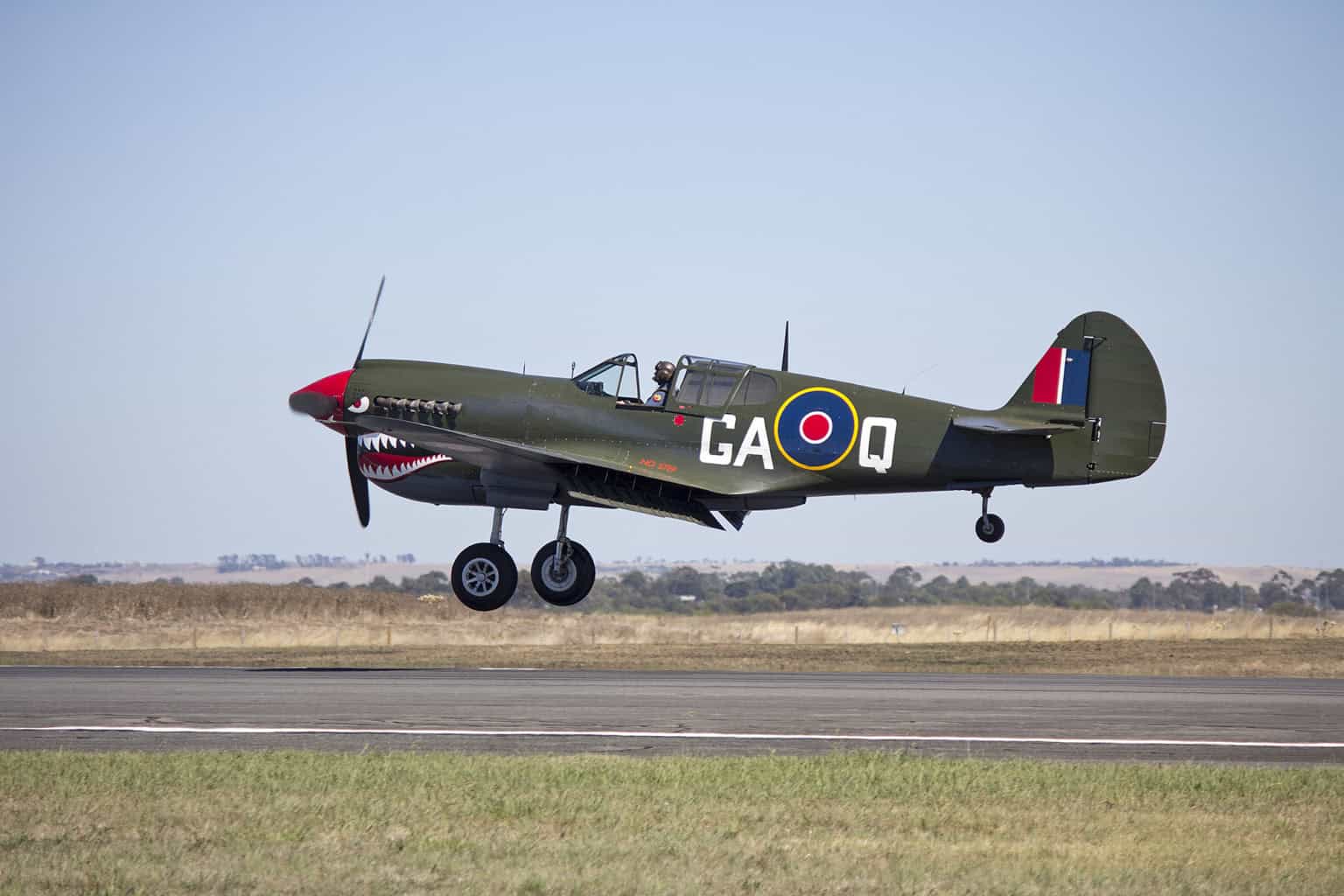
The P-40 became one of Curtiss’s most famous aircraft, used by Allied forces worldwide, including the Flying Tigers. Its ruggedness and reliability made it a critical early-war fighter before more advanced designs entered service.
The 1929 merger with Wright Aeronautical created one of the largest aviation firms of its time. Curtiss-Wright continued producing aircraft, engines, and components, shaping American aerospace development for decades.
Postwar market changes led Curtiss to end aircraft production. The company shifted toward aerospace components, engines, and industrial technologies, evolving into the modern Curtiss-Wright Corporation, which still operates globally today.