Military Propellor Planes
Curtiss SBC Helldiver
ICAO: SBC
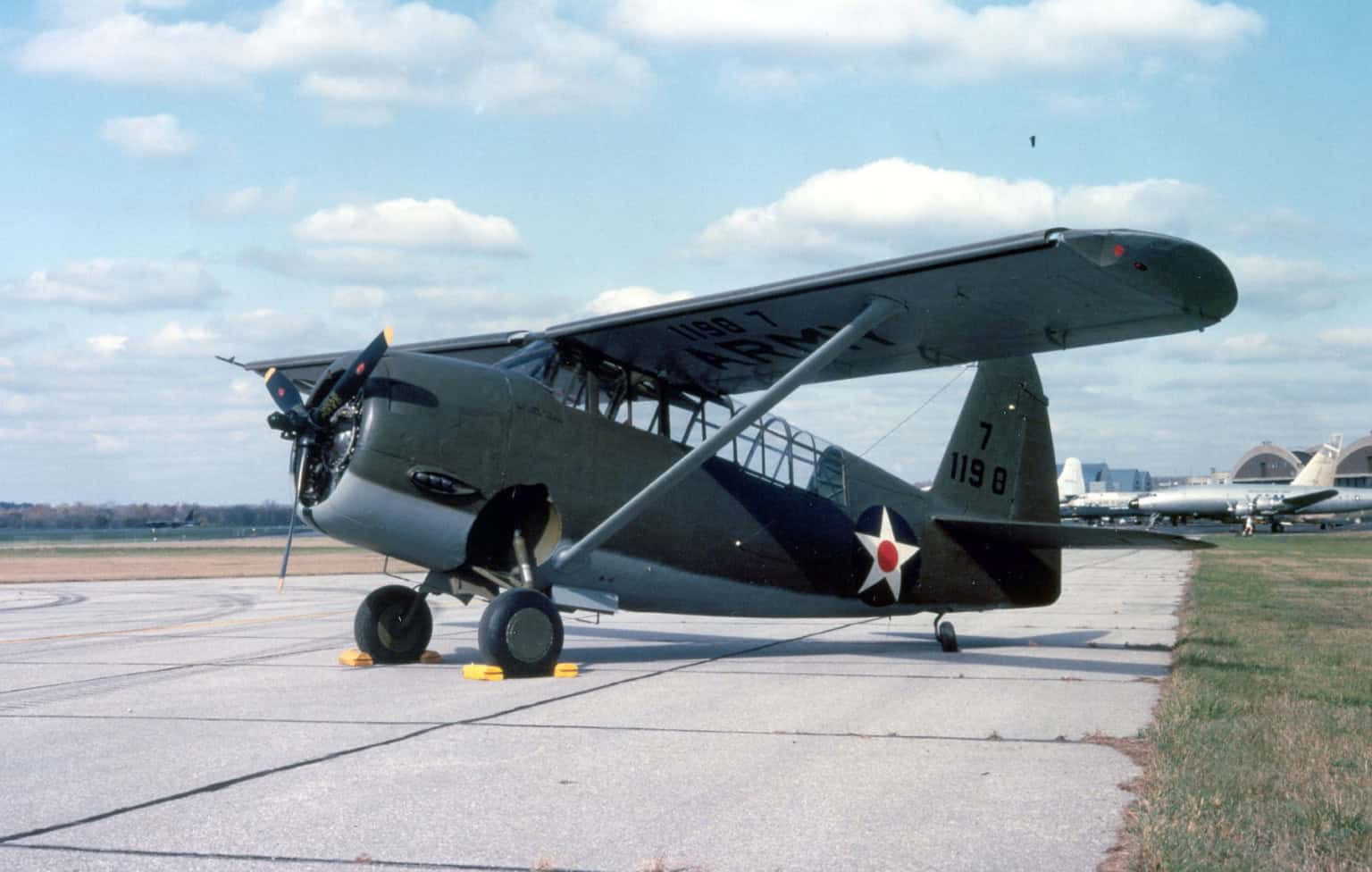
The Curtiss O-52 Owl was introduced in the early 1940s as an observation aircraft. Designed for artillery spotting and reconnaissance, it featured a high-wing configuration. The aircraft saw limited combat use.
The latest aviation news and stories sent to your inbox.
Curtiss O-52 Owl — military observation aircraftThe O-52 first flew in 1940 and entered service shortly thereafter. It featured a fixed landing gear and extensive glazing for visibility. The design reflected prewar reconnaissance requirements.A radial piston engine producing approximately 600 horsepower powered the Owl. Cruise speed was near 150 knots (278 km/h). Maximum takeoff weight exceeded 5,000 pounds (2,268 kg).The O-52 was quickly overtaken by more capable aircraft. It saw limited service during World War II. The type remains a lesser-known but interesting chapter in U.S. military aviation.
Live Fleet Activity (O52)
Fetching live data…


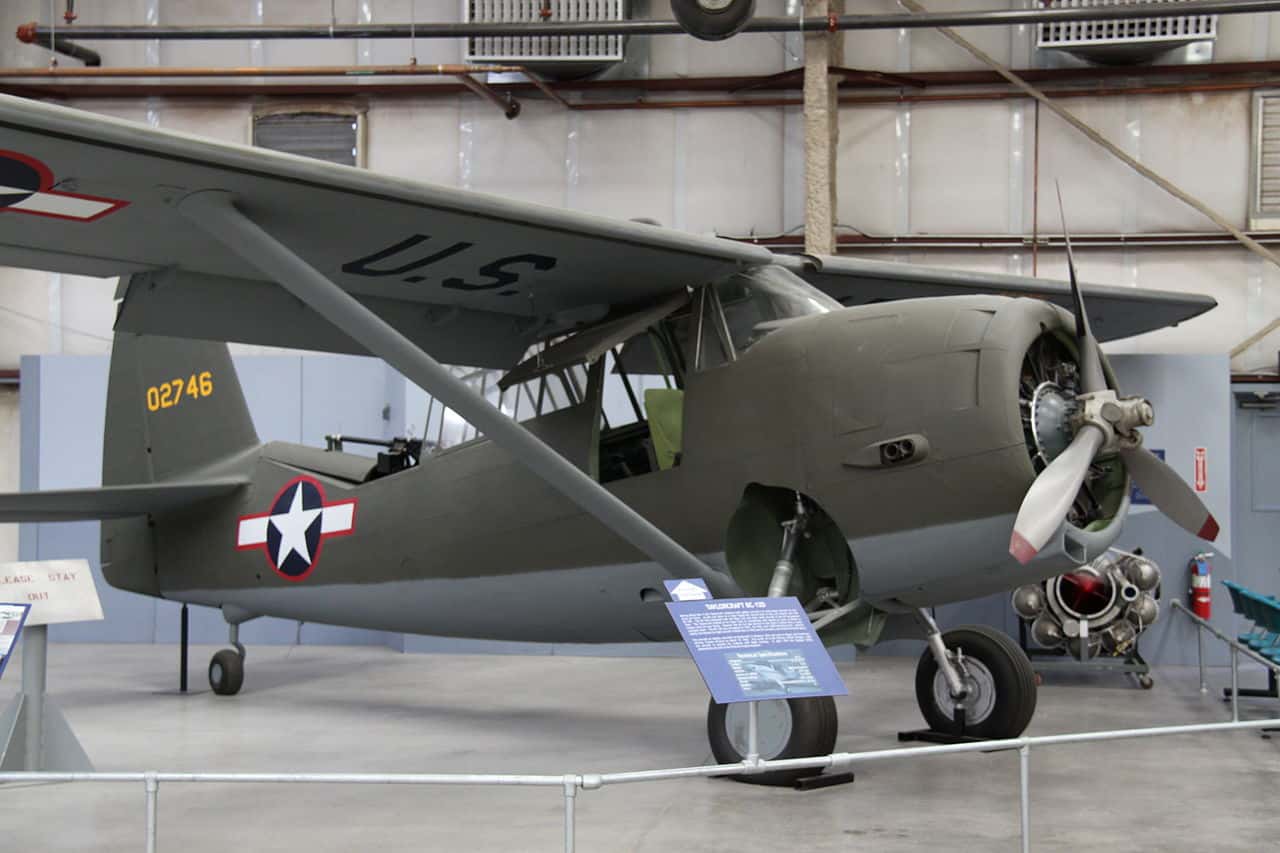

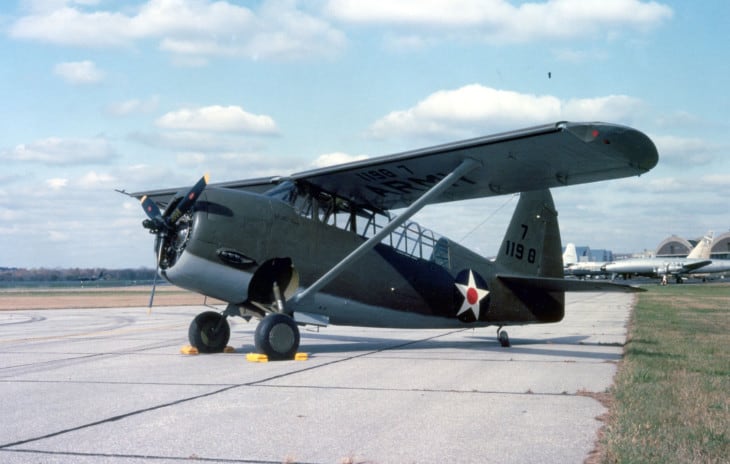
In 1939, the development of the O-52 started. It was designed by the Curtiss-Wright Corporation as the concluding heavy observation aircraft intended for the United States Army Air Corps. In 1940, the aircraft took to the air for the first time. In the same year, the USAAC made an order for 203 O-52 Owls for observation roles. However, in 1941, the aircraft became unsatisfactory to modern combat situations in overseas areas. As a consequence, the aircraft was consigned to perform courier roles inside the United States and as an ASW on the Gulf of Mexico, Atlantic, and Pacific oceans. In November 1942, the Soviet Union made an order for thirty aircraft in the Lend-Lease policy.
The O-52 Owl can carry two crew members. It has an external length of 8.03 meters, an external height of 2.4 meters, and a fuselage diameter of 1.4 meters. It has a tail height of 3.03 meters and a wheelbase of 5.17 meters. The wingspan is 12.42 meters and the wing area is 20 square meters. It has an empty weight of 1,919 kg and a gross weight of 2,433 kg.
The aircraft is powered by a single Pratt and Whitney R-1340-51 Wasp engine. It is a nine-cylinder single-row supercharged air-cooled radial piston engine with two overhead valves per cylinder, a single-speed centrifugal-type supercharger, two-barrel Stromberg carburetor, and an air cooling system. It produces a maximum thrust of 600 hp and drives a three-bladed metal propeller.
The O-52 has a maximum speed of 190 knots and a cruise speed of 167 knots at seventy-five percent power. The travel range is 609 nautical miles. It can fly up to 21,000 feet and can climb at a rate of 1,250 feet per minute. The aircraft could be armed with a single fixed forward-firing 7.62 mm machine gun and a single 7.62 mm machine gun on a flexible mount located in the rear cockpit.
Sources and references used for research and fact-checking.