

Military Propellor Planes
Hawker Hurricane
ICAO: HURI
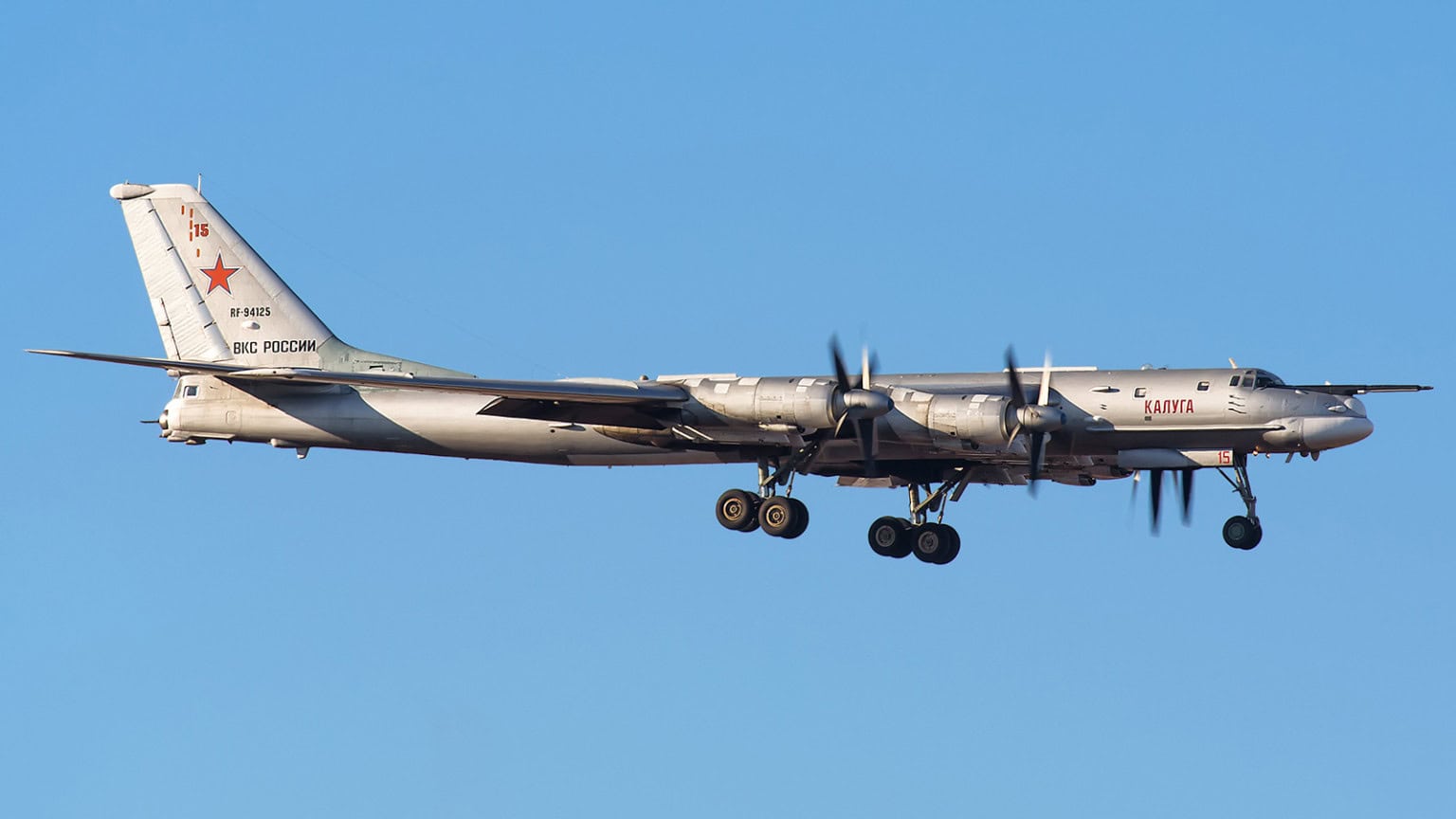
The Tupolev Tu-95, known to NATO as the Bear, is a four-engine turboprop strategic bomber that first flew in 1952 and still flies for Russia today, making it one of the longest-serving bombers ever built.
Updated: by Tim de Vries
The latest aviation news and stories sent to your inbox.
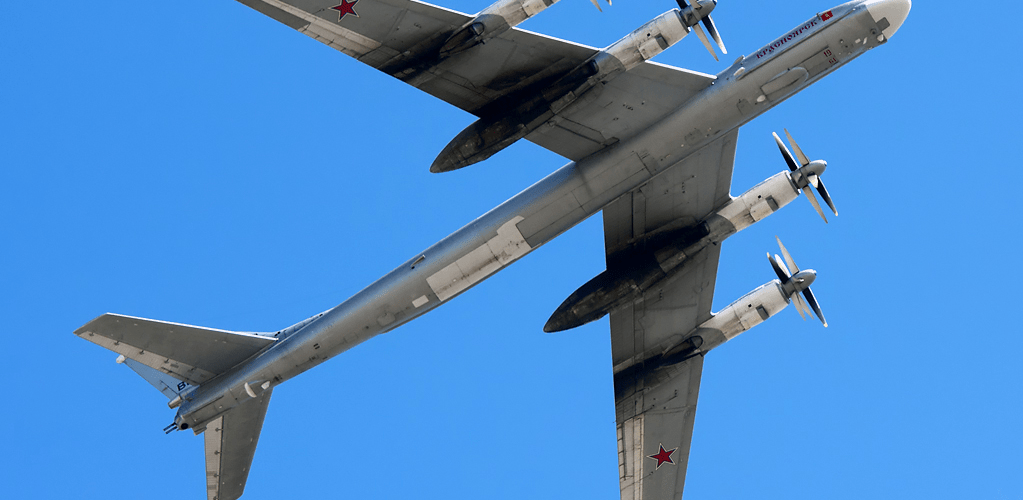
The Tupolev Tu-95 is one of the most recognizable strategic bombers ever built, instantly identified by its swept wings and massive contra-rotating propellers. First flown in 1952 and entering service in 1956, the Tu-95 combined turboprop efficiency with intercontinental range, allowing the Soviet Union to project nuclear deterrence across vast distances. Decades later, upgraded variants remain in service, making it one of the longest-serving strategic bombers in aviation history.
Live Fleet Activity (TU95)
Fetching live data…


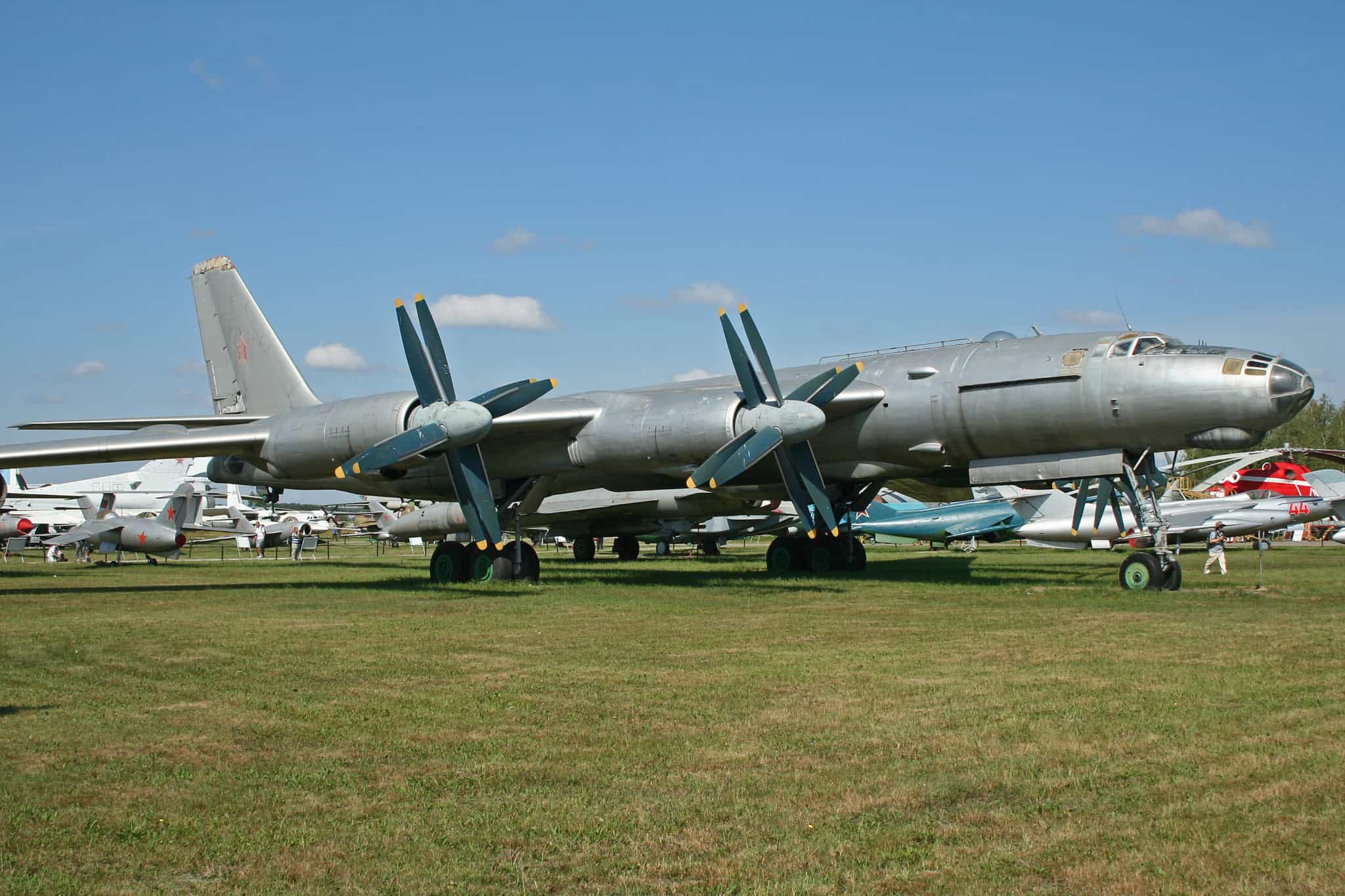
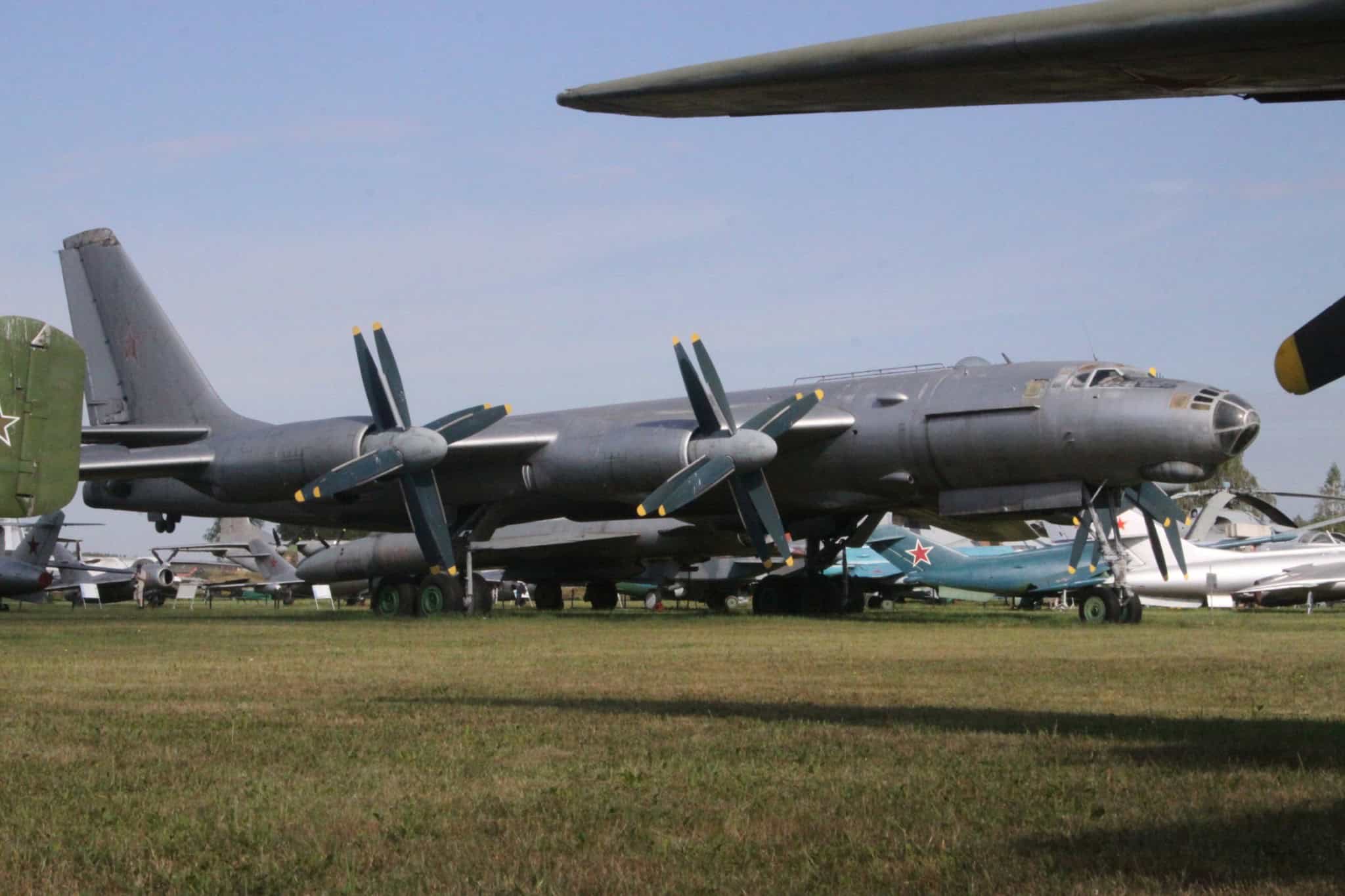
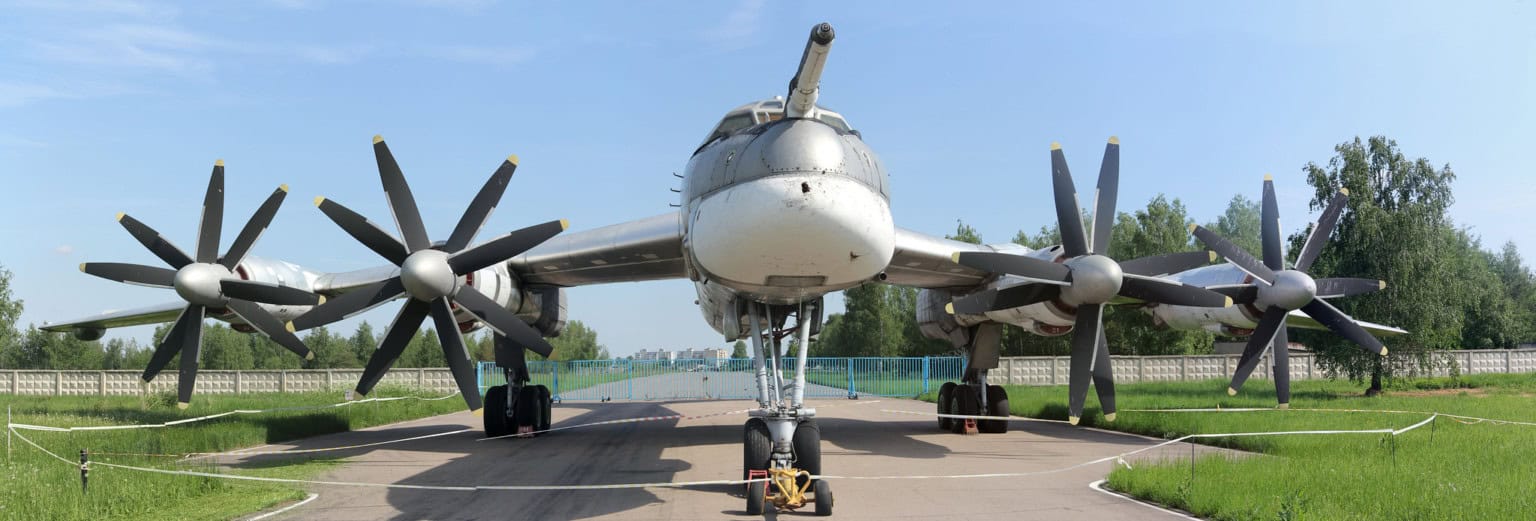
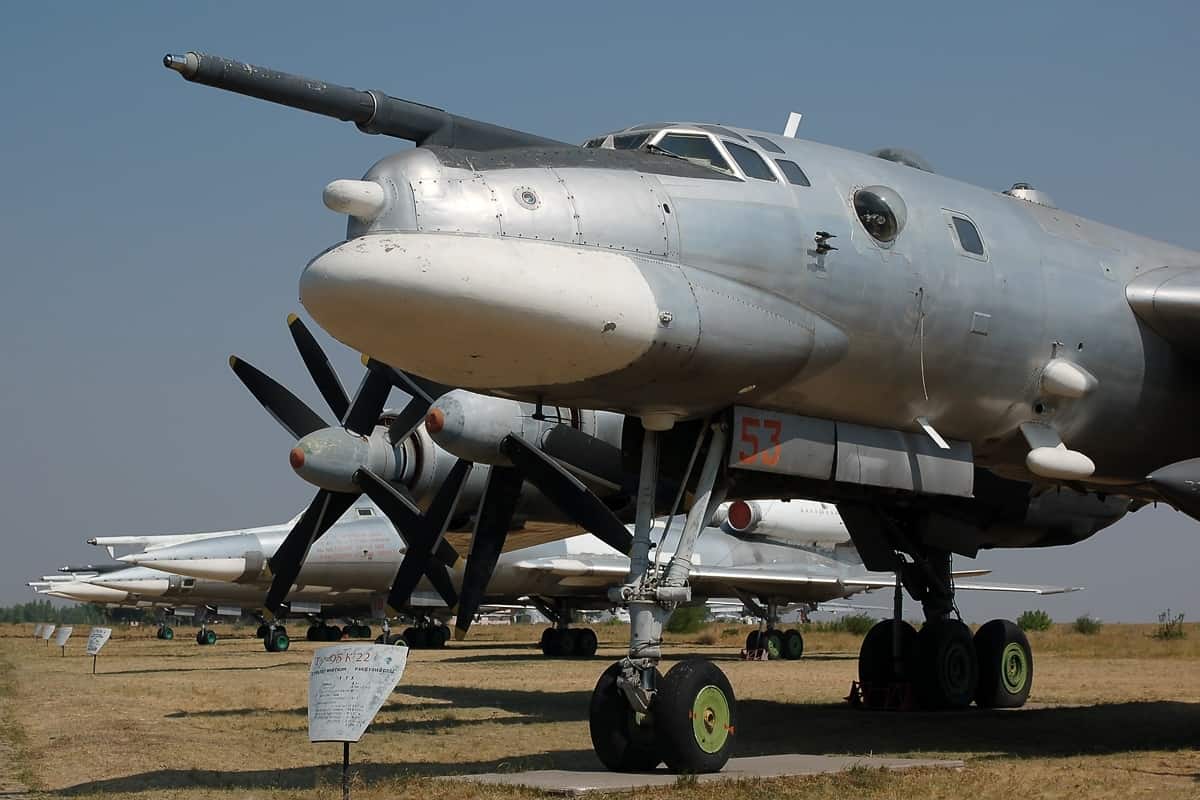

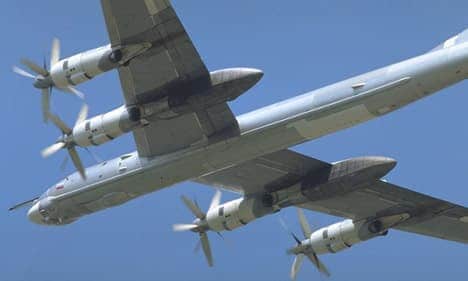
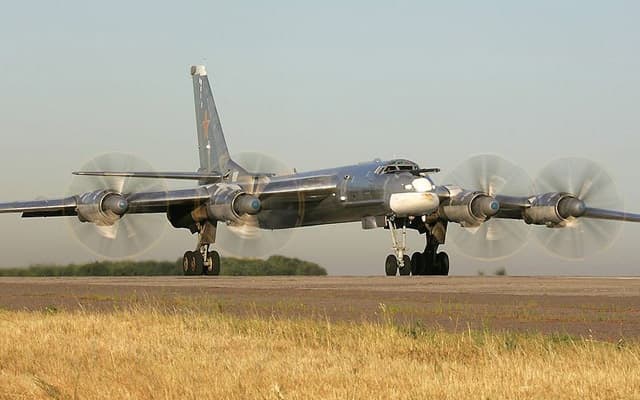
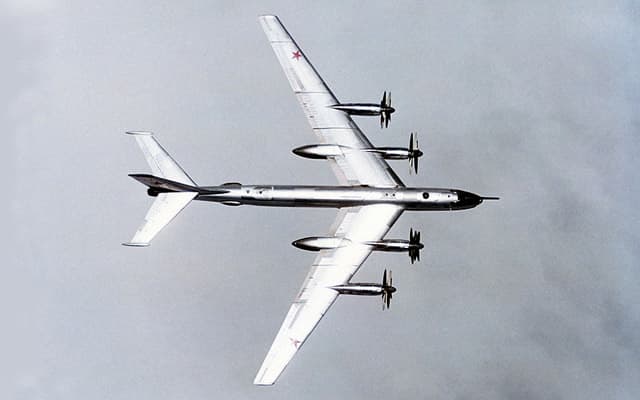
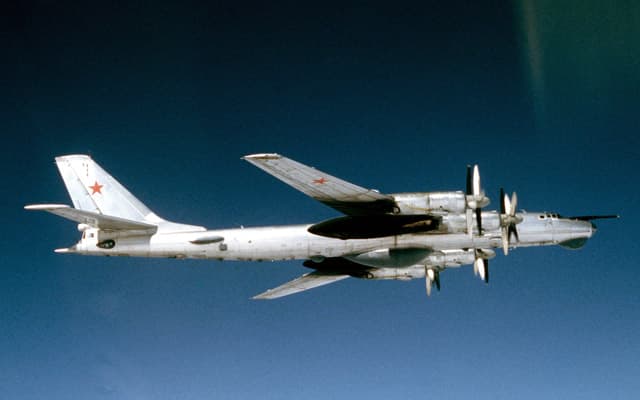
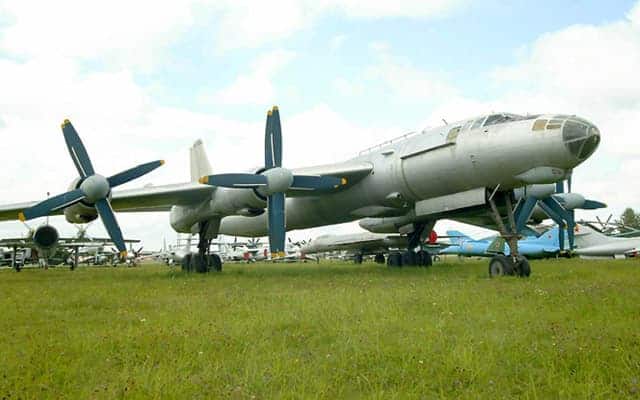

The Tupolev Tu-95, known to NATO as the Bear, is a four-engine turboprop strategic bomber that first flew on 12 November 1952 and entered service in 1956. More than 500 were built, and upgraded Tu-95MS bombers still fly for Russia today.
That makes it one of the longest-serving bombers ever built.
The Soviet Union needed an aircraft that could reach North America and return. Early jet engines burned too much fuel for that job, so Tupolev chose turboprops.
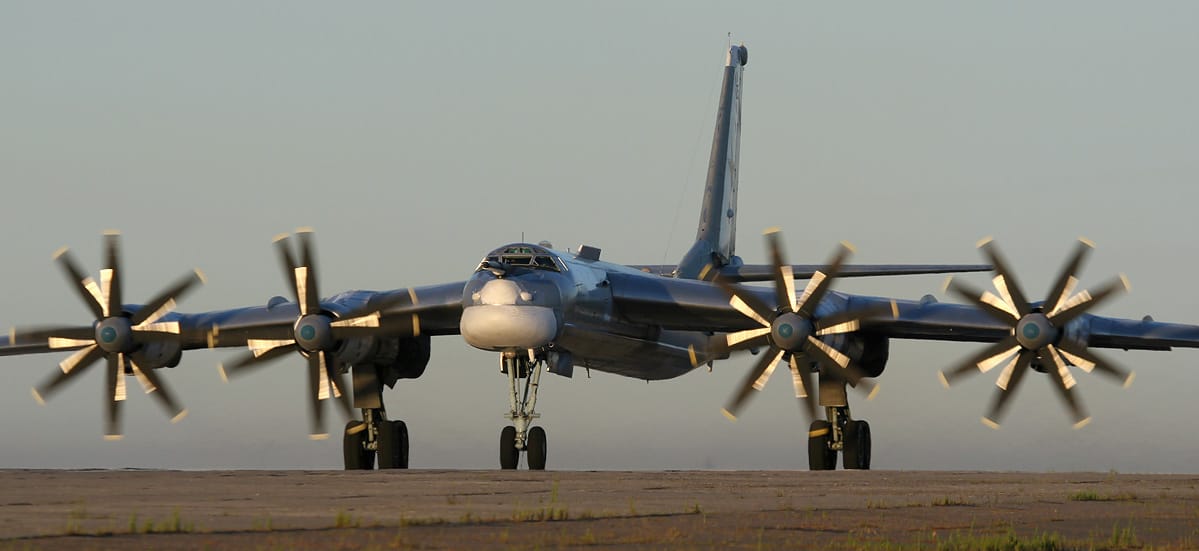
Each of the four Kuznetsov NK-12 engines drives a pair of contra-rotating propellers. The swept wing lets the aircraft cruise at speeds close to those of early jets, which is why the Bear is counted among the fastest propeller aircraft ever built.

The basic airframe has been rebuilt for many jobs over seven decades. The main versions are these.
Tu-95: the original strategic bomber, built to carry nuclear gravity bombs. Later aircraft were adapted to carry the Kh-20 cruise missile.
Tu-95RT (Bear-D): a maritime reconnaissance version that located ships for missile-armed submarines and surface groups. It first flew on 21 September 1962, entered service in May 1966 and was retired in 1993 to 1994.
Tu-142 (Bear-F): a separate anti-submarine and maritime patrol derivative that came from the same design.
Tu-95MS (Bear-H): the cruise-missile carrier that began production in 1981. It carries Kh-55 and later Kh-101 and Kh-102 cruise missiles, and it is the version in Russian service now.
Tu-95MSM: a modernised Tu-95MS with a new radar and upgraded NK-12MPM engines. It first flew on 22 August 2020.
A related design also produced the Tu-114 airliner.
The full specification table for the aircraft is on this page. A few figures need context, because published sources disagree on them.
The panel lists a range of 8,100 nm (9,320 mi, 15,000 km). That is the figure Wikipedia gives for the Tu-95MS. Airforce Technology gives 10,500 km without refuelling and 14,100 km with one in-flight refuelling, which is closer to what a mission can use.
The wing span is 164 ft 4 in (50.10 m). The engines are rated at 15,000 shp (11,186 kW) each, and the service ceiling is 45,000 ft (13,700 m).
Speed and weight figures also vary by source and by variant, so treat them as typical of the Tu-95MS rather than exact. Payload is listed as up to 33,100 lb (15,000 kg) of weapons.

The Tu-95 and the Boeing B-52 Stratofortress are the two old bombers that never retired. Both entered service in the 1950s and both are still flying.
The B-52 uses eight jet engines and is faster. The Tu-95 uses four turboprops and trades speed for fuel economy and endurance. Both have been rebuilt so many times that the modern versions share little with the originals except the airframe.

For most of the Cold War the Bear flew long patrols toward NATO airspace and was regularly intercepted by Western fighters.
That changed on 17 November 2015, when Tu-95MS bombers launched cruise missiles at targets in Syria. Since 2022 the aircraft has launched cruise missiles at Ukraine from inside Russian airspace.
Nobody outside Russia knows exactly, and estimates have fallen. Russia itself counted 55 Tu-95MS in service in 2020.
In late August 2026, Ukraine’s military intelligence (HUR) said Russia had 38 combat-capable Tu-95MS and Tu-95MSM bombers. Defense Express then estimated about 36 remained after a crash on 29 September 2026, which is its own calculation and not an official count.
Losses come from two directions. Ukraine has hit parked bombers at airbases, including Operation Spider’s Web on 1 June 2025, which damaged or destroyed several Tu-95s, and a drone strike at Engels airbase on 28 August 2026 that Ukraine’s security service says destroyed another.
Accidents add to the total. A Tu-95MS crashed on 29 September 2026 after taking off from Ukrainka airbase in the Amur region. Russia’s defence ministry said six crew died and one survived. Independent outlet Mediazona reported eight deaths, and the cause had not been announced. Defense Express reported that three engines failed soon after takeoff.
Production of the Tu-95 ended in 1993, so lost aircraft are not simply replaced.
Yes, briefly. After the Soviet Union collapsed, the Ukrainian Air Force inherited 23 to 29 Tu-95MS bombers. Most were scrapped under the Nunn-Lugar programme, and three were handed to Russia in 2000.
Estimates in autumn 2026 run from about 36 to 38 combat-capable Tu-95MS and Tu-95MSM bombers. The 38 figure comes from Ukrainian intelligence in late August 2026, and the lower figure is an estimate made after the 29 September 2026 crash. Russia has not published a current count.
The Tu-95 prototype first flew on 12 November 1952, and series production began in 1956. The modern Tu-95MS variant entered production in 1981.
Yes. Russia still operates the Tu-95MS and the upgraded Tu-95MSM as cruise-missile carriers. Fleet size is shrinking because of accidents and strikes on airbases.
It depends on the measure. The Rockwell B-1B Lancer carries the heaviest conventional load, and the Northrop Grumman B-2 Spirit is the stealthiest. The Tupolev Tu-160 Blackjack is the largest and heaviest supersonic bomber. The Tu-95 stands out for endurance rather than power.
Tupolev still exists as part of Russia’s United Aircraft Corporation, but the Tu-95 itself is no longer in production.
No. The jet-powered B-52 is faster, while the turboprop Tu-95 trades speed for fuel economy and endurance.
Sources and references used for research and fact-checking.


