

Military Propellor Planes
Hawker Hurricane
ICAO: HURI
The latest aviation news and stories sent to your inbox.
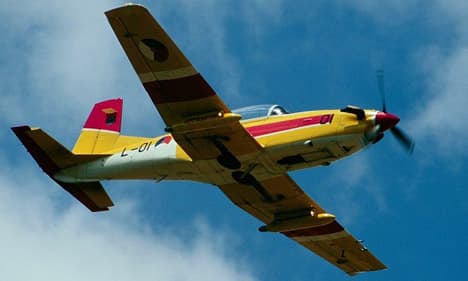
The Pilatus PC-7 Mk II is an updated version of the original PC-7 military trainer. Designed for basic flight training, it combines simplicity with modern avionics. The aircraft has been widely exported for military training programs.
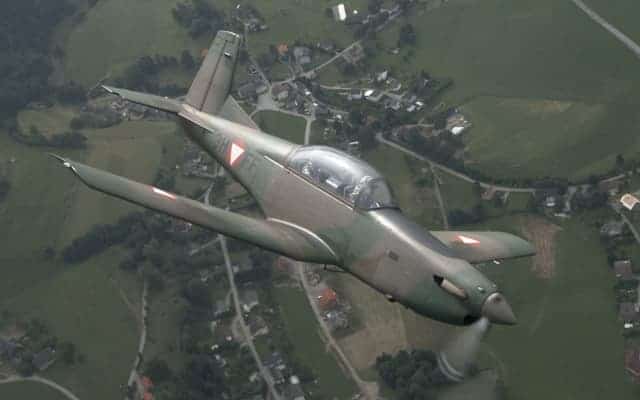

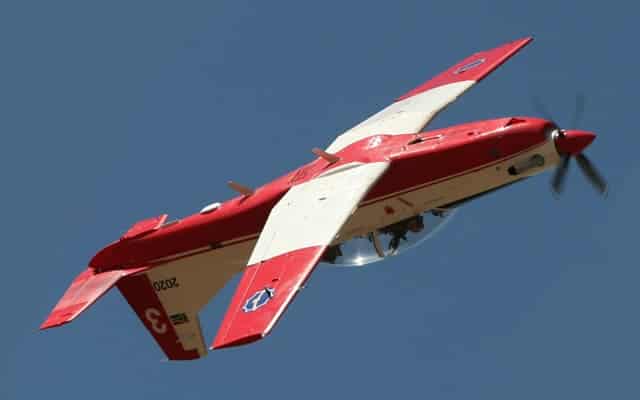
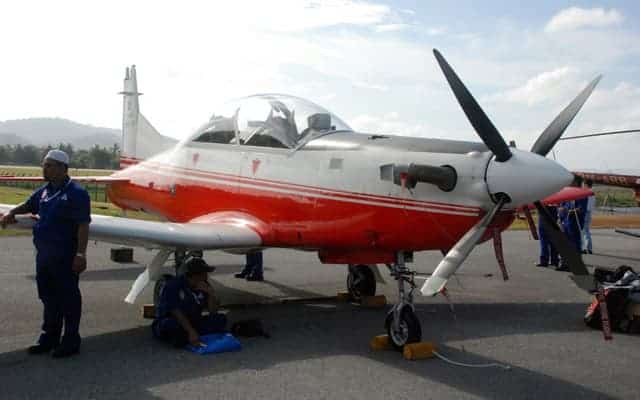
The PC-7 first flew in the 1970s as a turboprop-powered military trainer derived from the PC-3. The Mk II variant introduced in the 1990s incorporated structural refinements and a more powerful engine while retaining the proven airframe. It entered service with multiple international air forces.
Powered by a Pratt & Whitney Canada PT6A-25C turboprop engine producing approximately 700 shaft horsepower, the PC-7 Mk II cruises at about 270 knots (500 km/h). Maximum takeoff weight is roughly 6,000 pounds (2,700 kg). The aircraft features a tandem cockpit and limited aerobatic capability for training purposes.
The PC-7 Mk II is used for ab initio and basic military pilot training. Its straightforward systems and reliable performance make it well suited to early training stages. The type remains a widely recognized turboprop trainer in global service.


