

Military Propellor Planes
Hawker Hurricane
ICAO: HURI
The turboprop trainer built for primary military pilot instruction.
The latest aviation news and stories sent to your inbox.
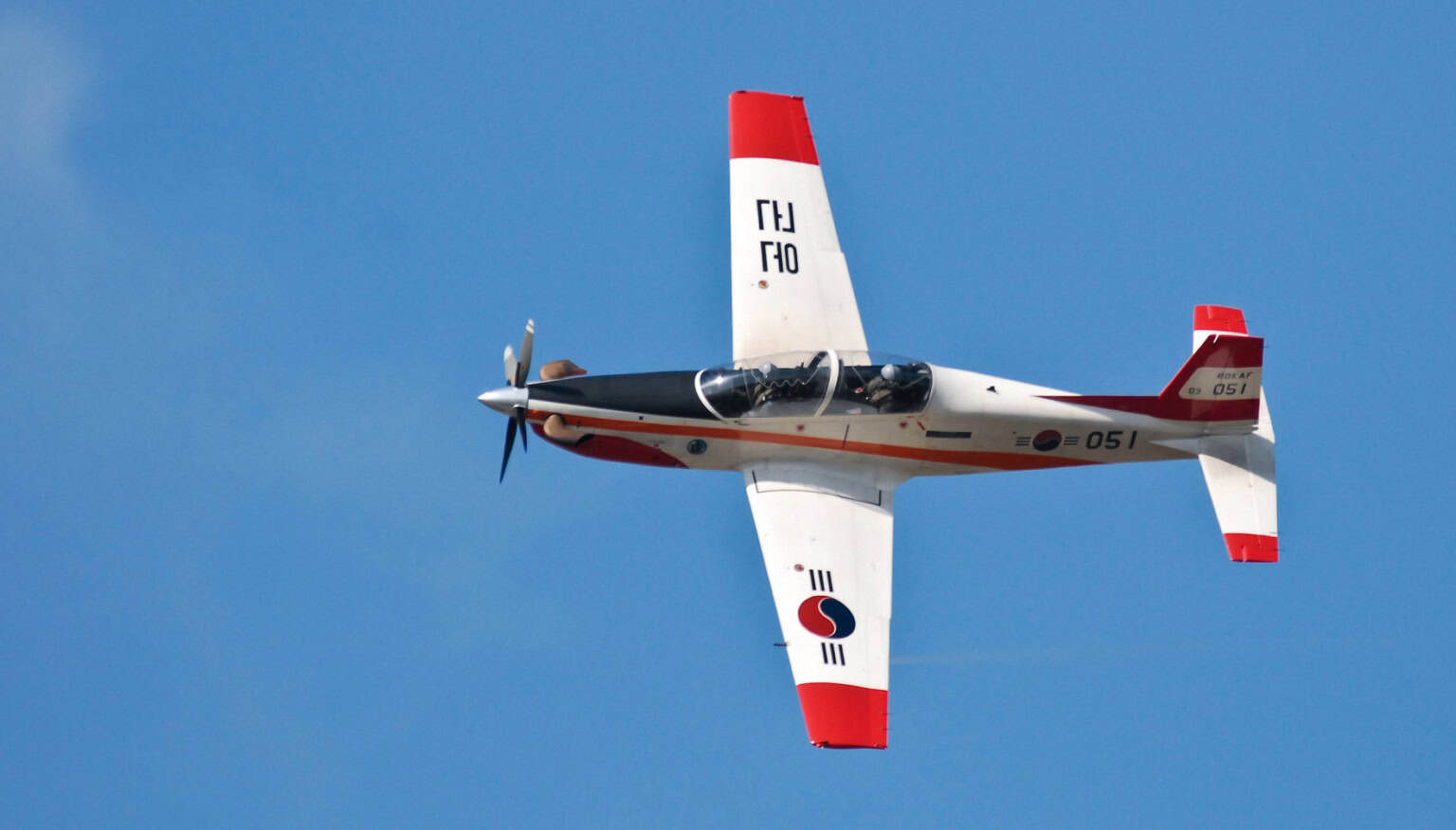
The KAI KT-1 Woongbi is a basic military trainer developed in South Korea. Introduced in the early 2000s, it prepares pilots for advanced jet training. The aircraft has been exported to several countries.
Live Fleet Activity (KT1)
Fetching live data…
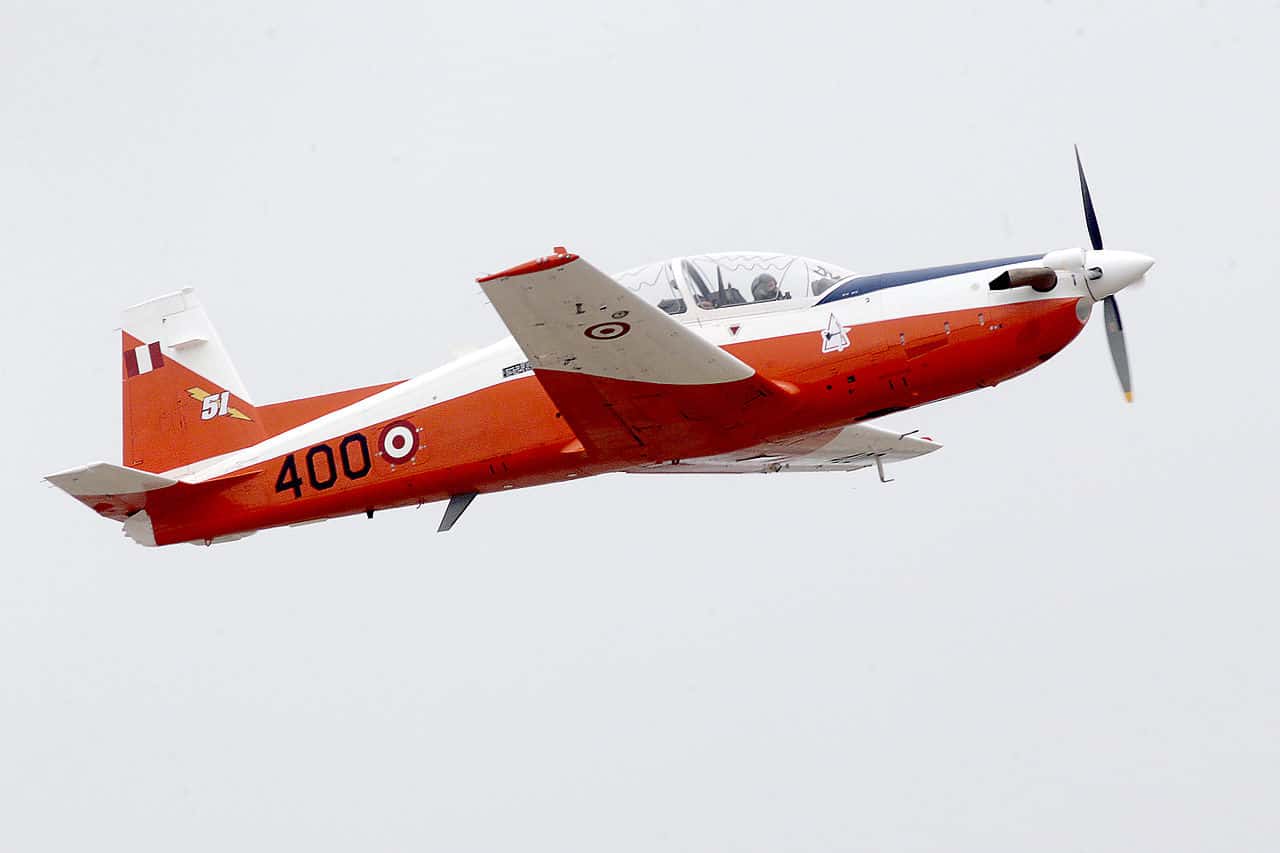
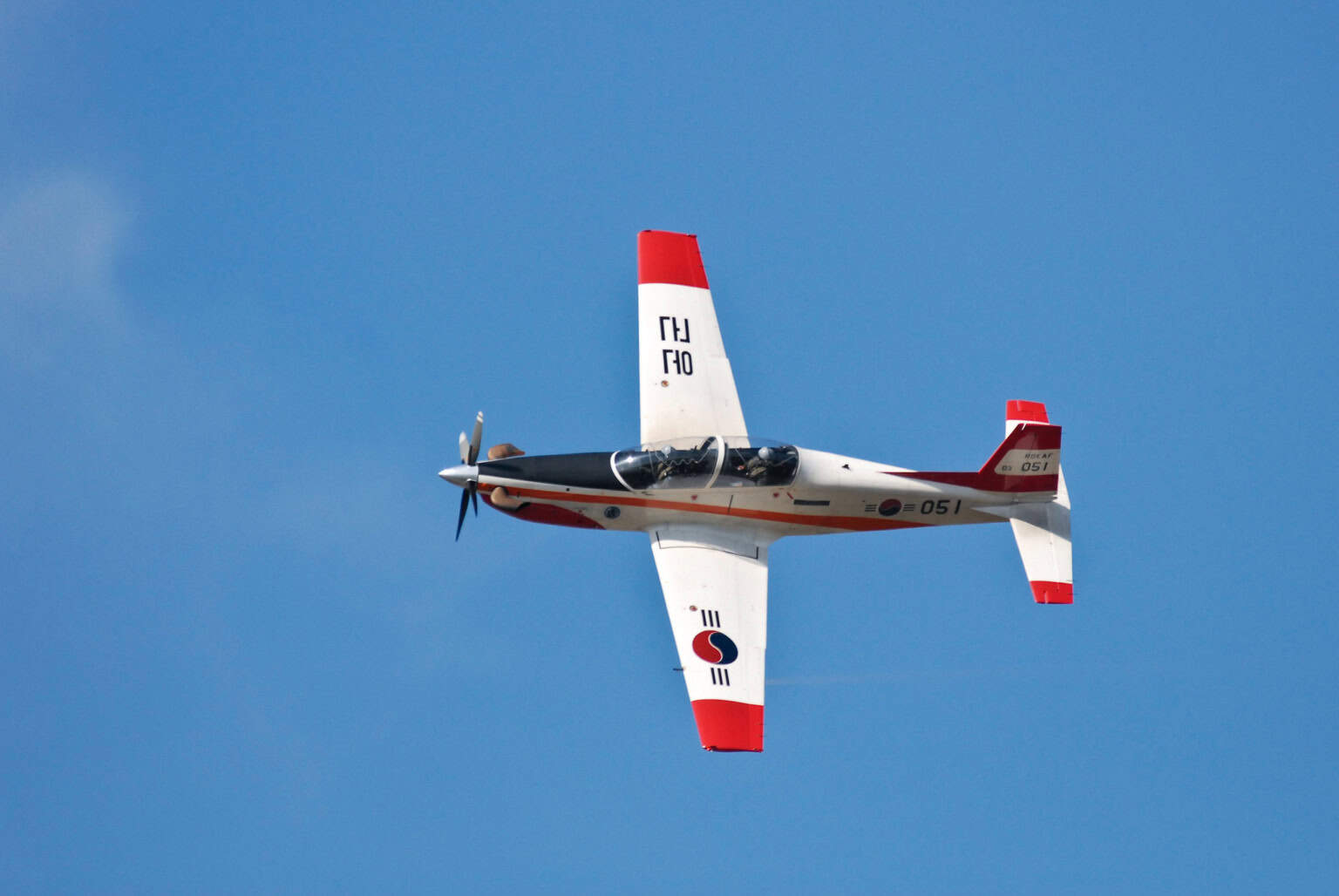
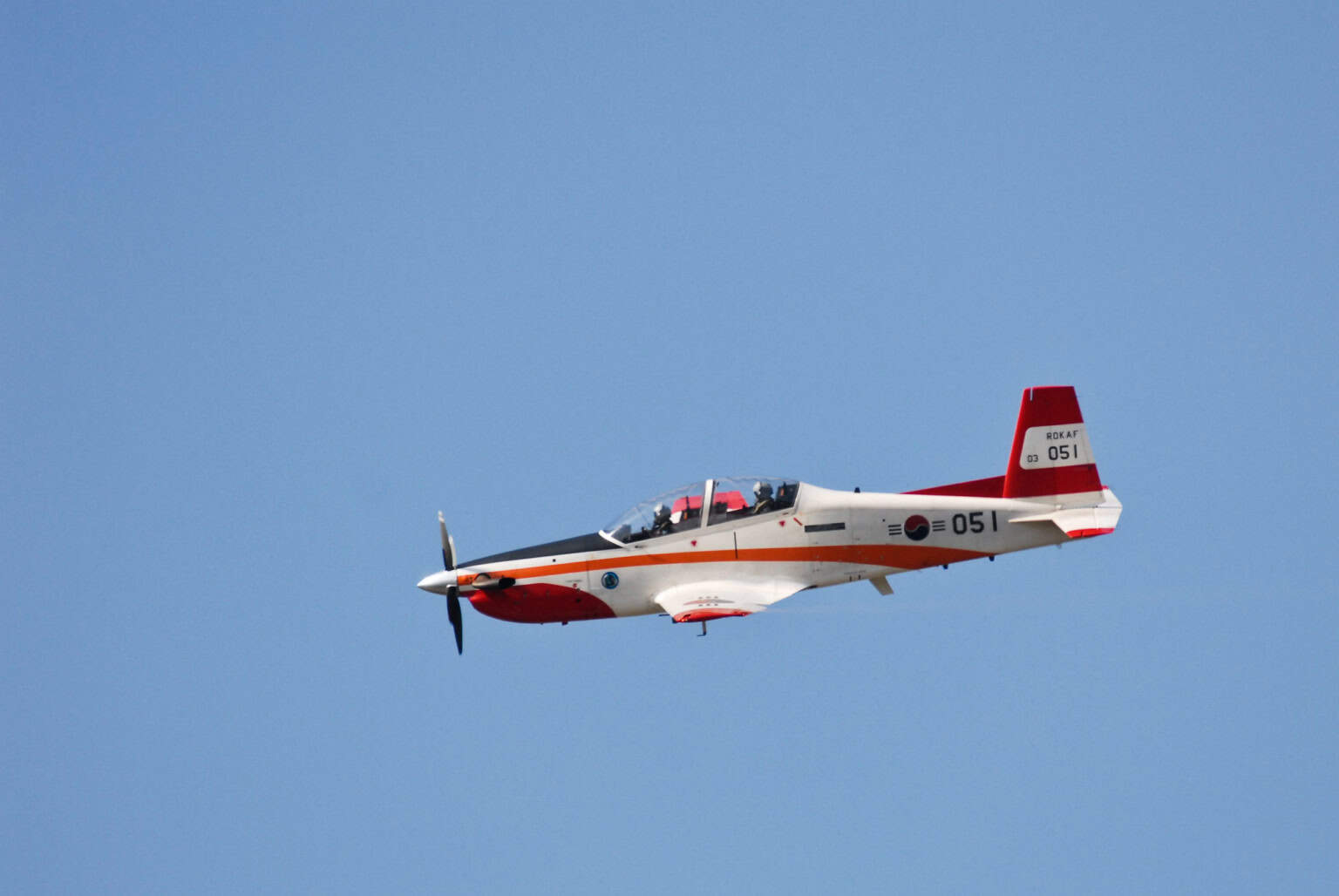


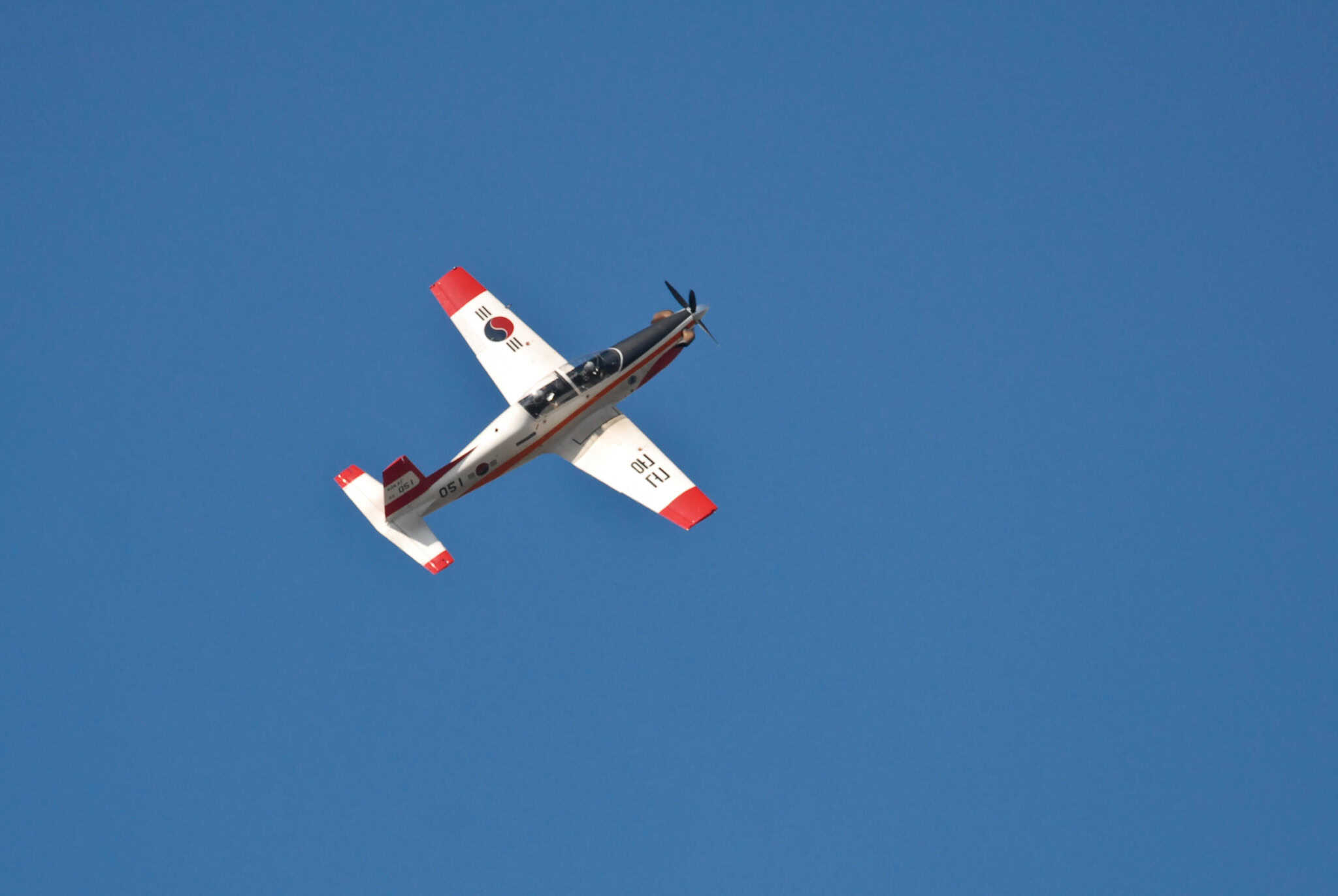
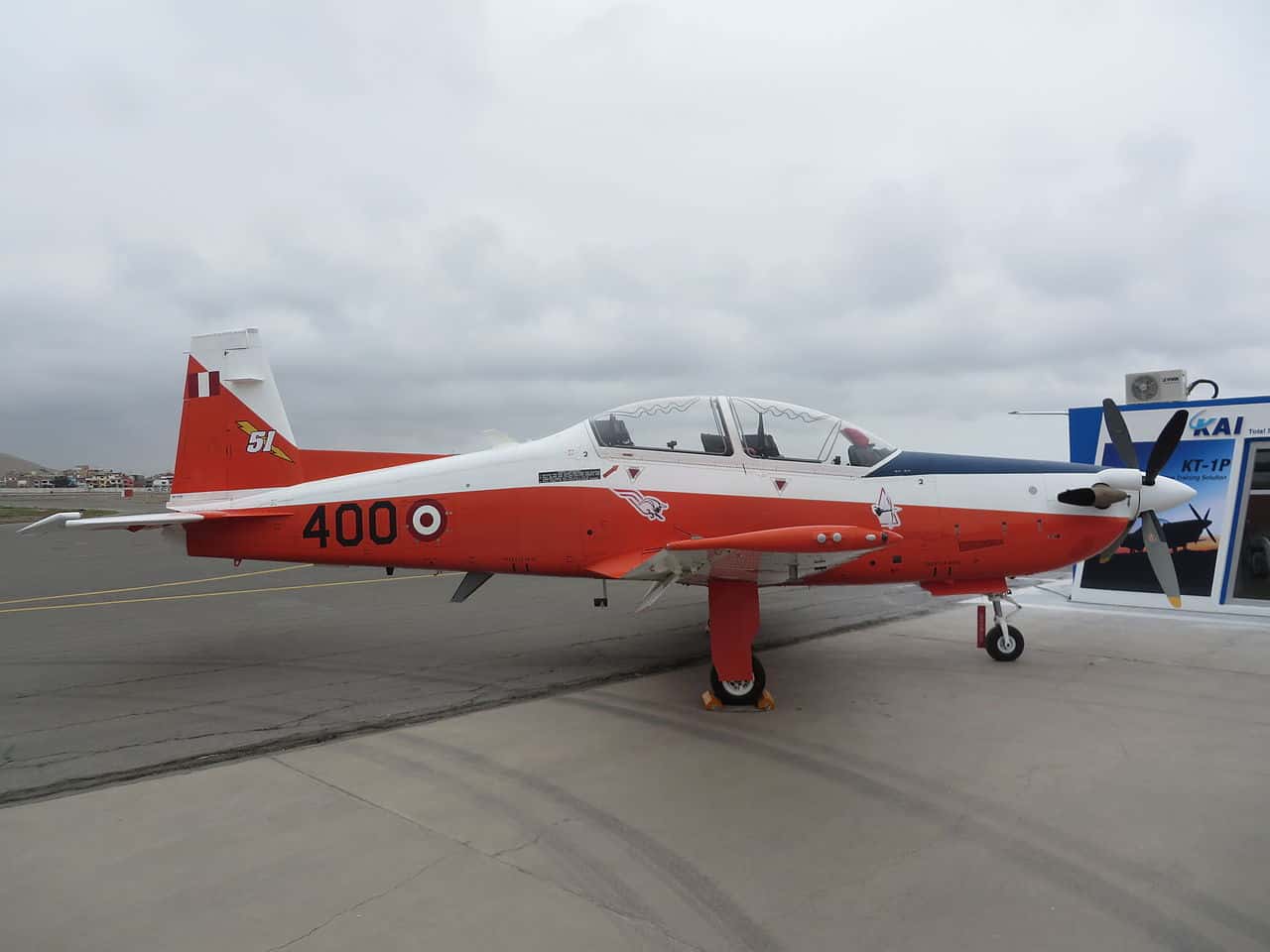
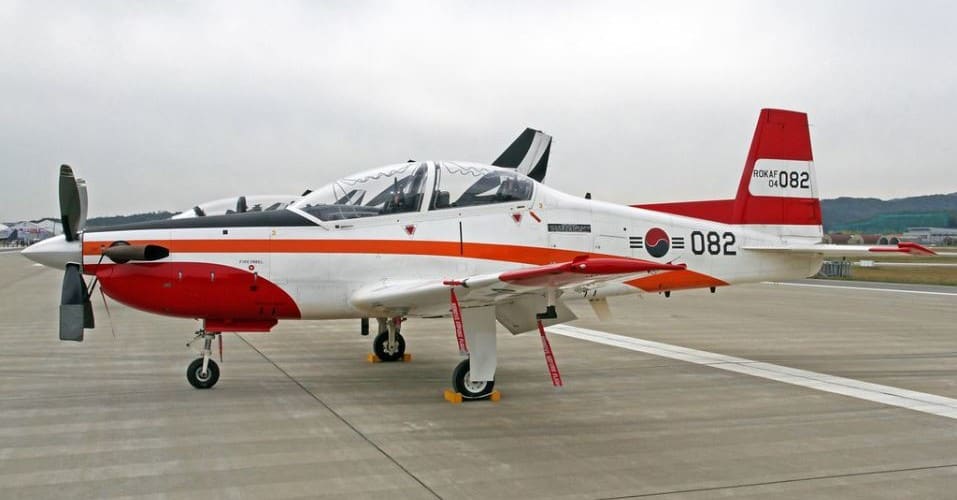

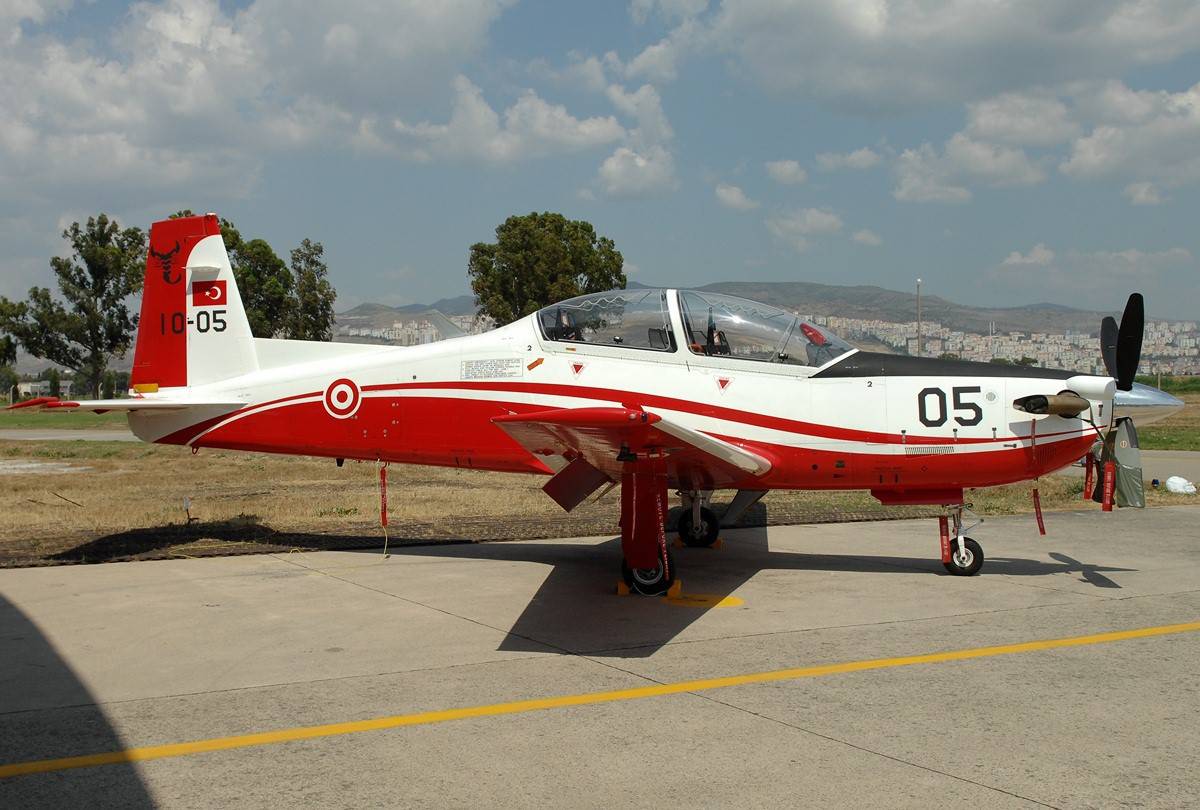
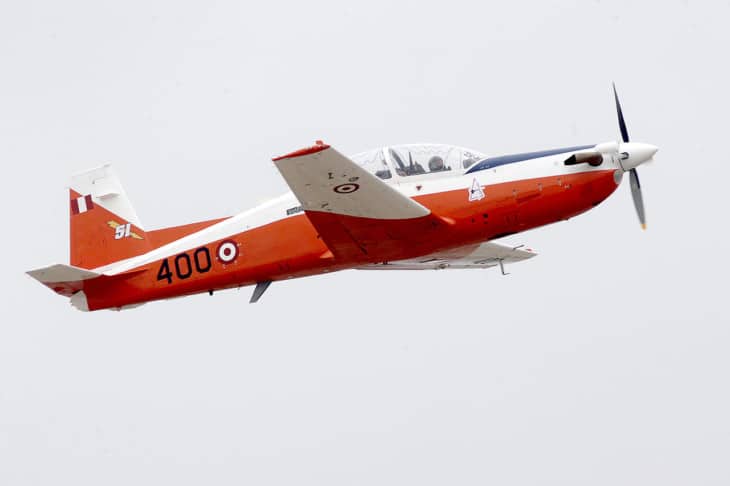
The KT-1 first flew in 1991 and entered service in 2000. It was designed to replace older piston trainers with a modern turboprop platform. The aircraft features a low-wing layout and tandem seating for instruction.
Powered by a Pratt & Whitney Canada PT6A turboprop engine producing approximately 950 shaft horsepower, the KT-1 cruises at around 300 knots (556 km/h). Maximum takeoff weight exceeds 7,000 pounds (3,175 kg). The aircraft is equipped with training avionics and limited weapons capability for instruction roles.
The KT-1 serves as a primary training platform in several air forces. Its reliability and performance support progression to advanced jet trainers. The aircraft remains in active production and service.
Sources and references used for research and fact-checking.


