Military Propellor Planes
Republic P-43 Lancer
ICAO: P43
The Republic P-47 Thunderbolt entered service in the early 1940s as a high-performance fighter. Designed for durability and firepower, it excelled at both escort and ground-attack missions. The aircraft became one of the most produced U.S. fighters of World War II.

The latest aviation news and stories sent to your inbox.
Republic P-47 Thunderbolt — single-engine fighter aircraftThe P-47 first flew in 1941 and entered service in 1942. It featured a large radial engine and robust construction. The aircraft was optimized for high-altitude escort duties.A Pratt & Whitney R-2800 radial engine producing approximately 2,000 horsepower powered the Thunderbolt. Maximum speed exceeded 430 knots (796 km/h). Maximum takeoff weight surpassed 17,000 pounds (7,711 kg).The P-47 proved highly effective in both air-to-air and ground-attack roles. Its rugged design allowed it to withstand significant damage. The Thunderbolt remains one of the iconic fighters of the war.
Live Fleet Activity (P47)
Fetching live data…
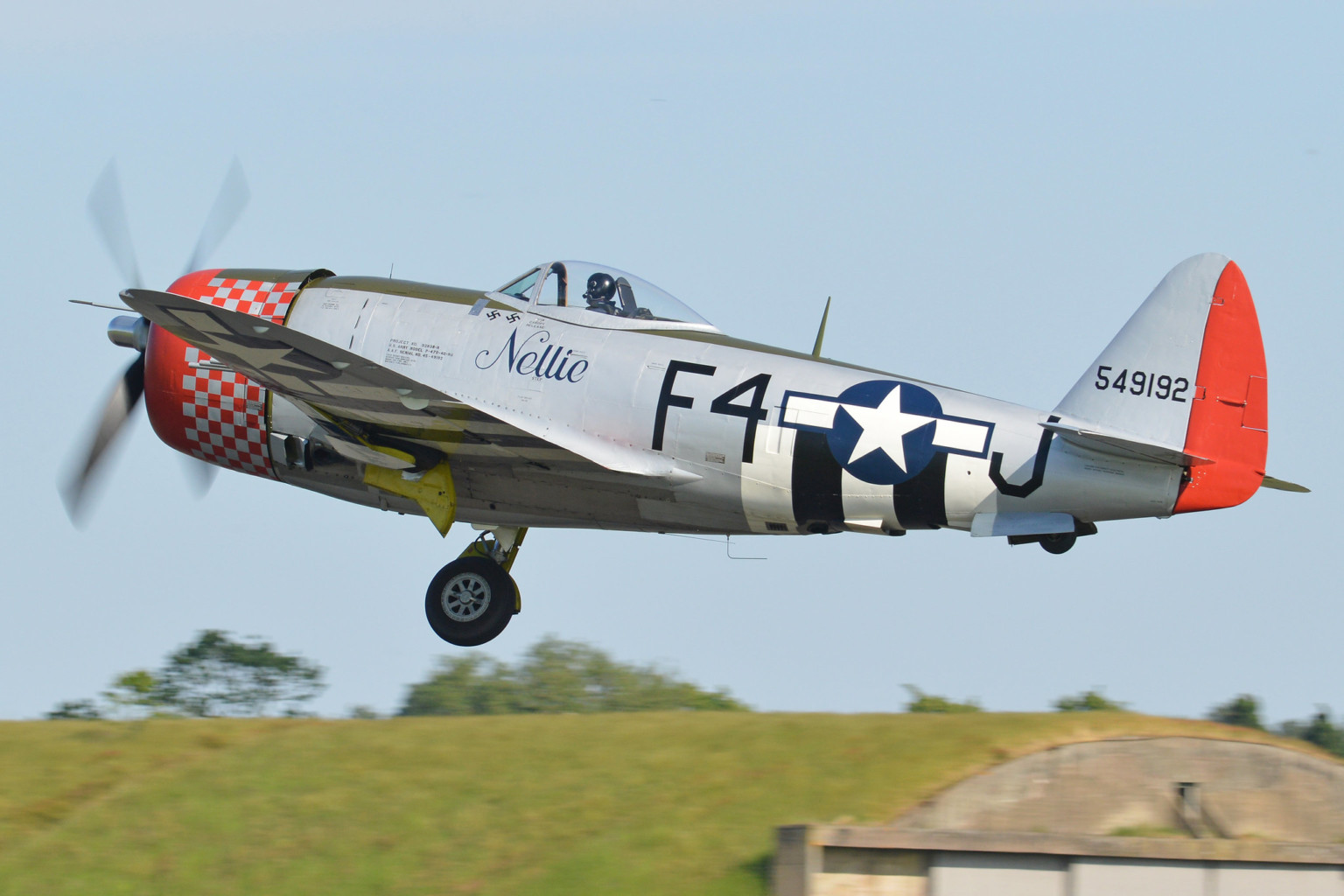


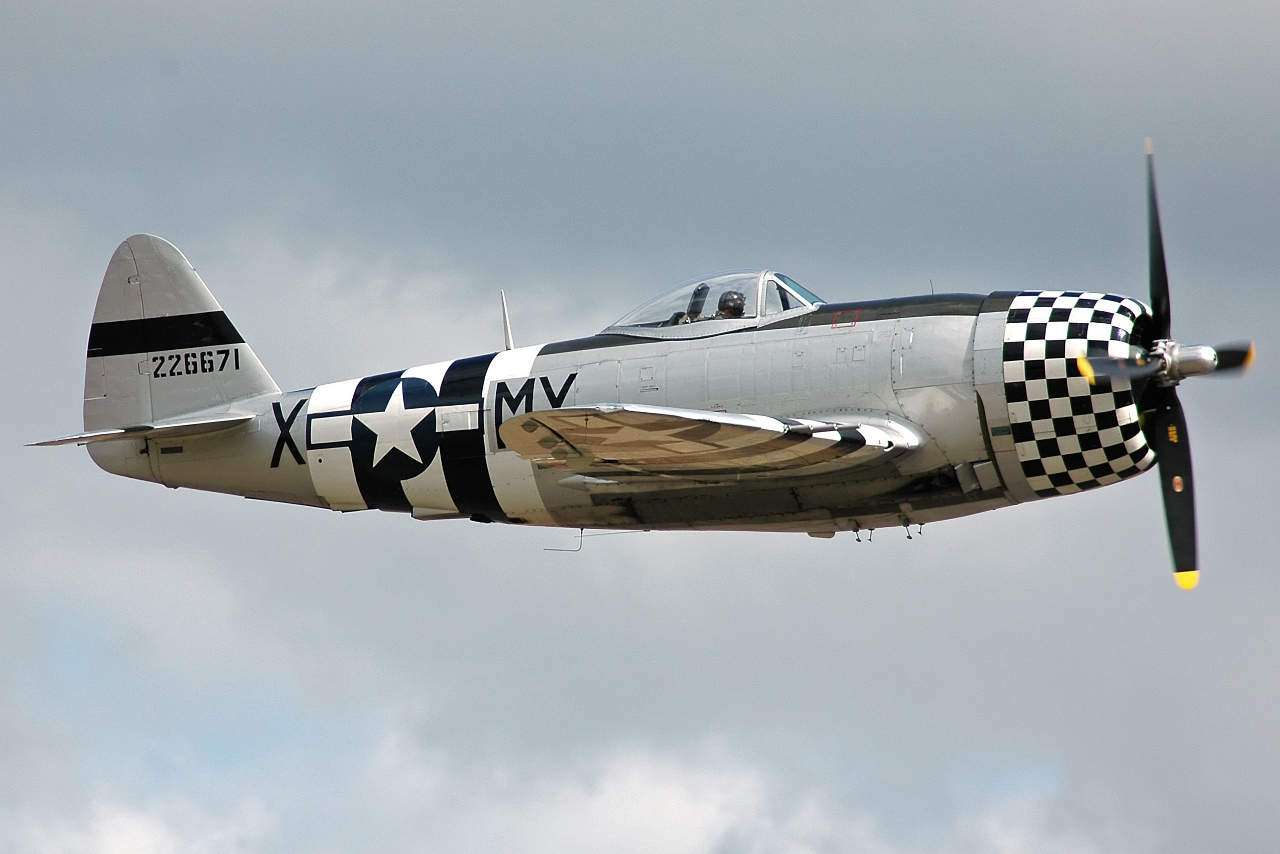

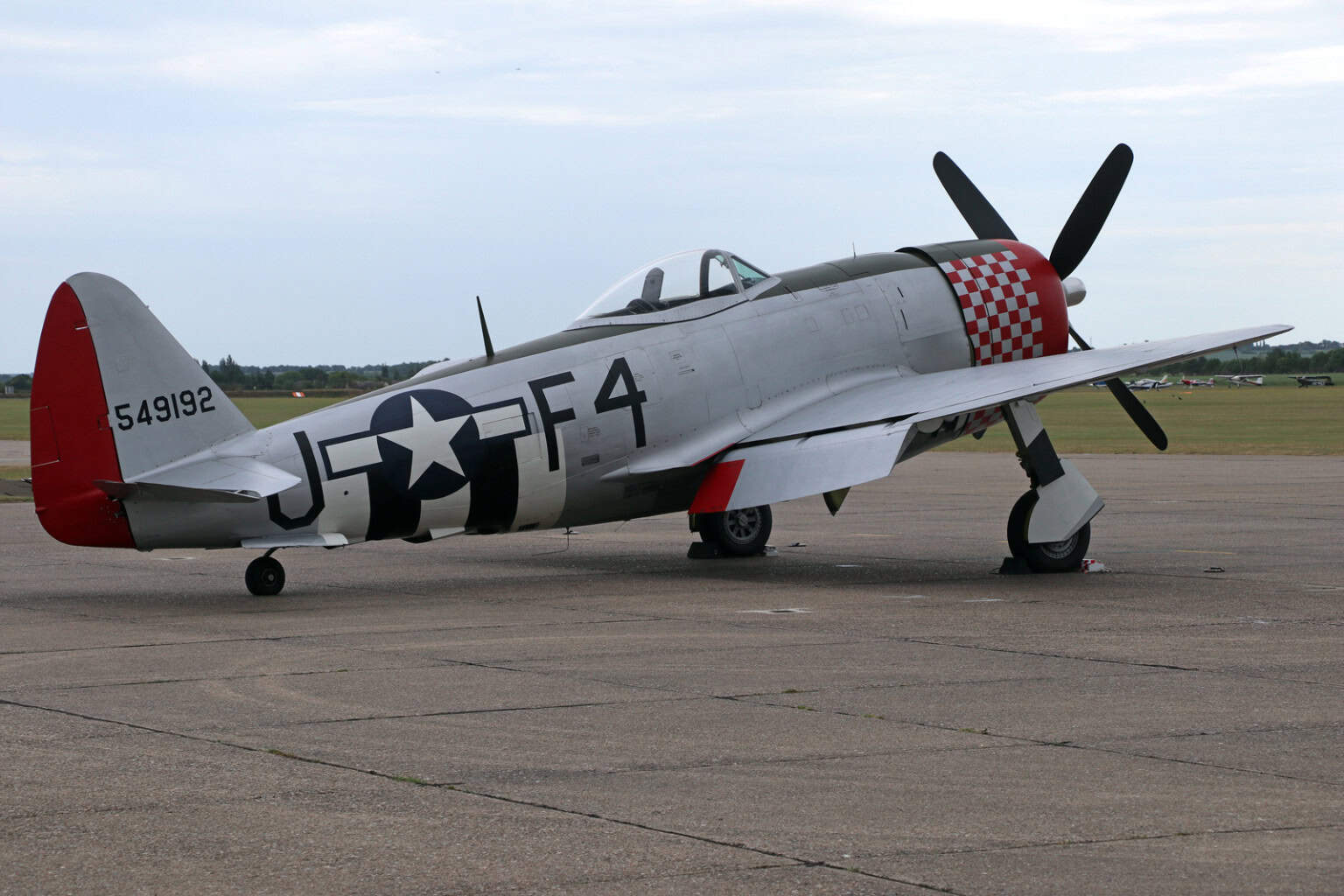
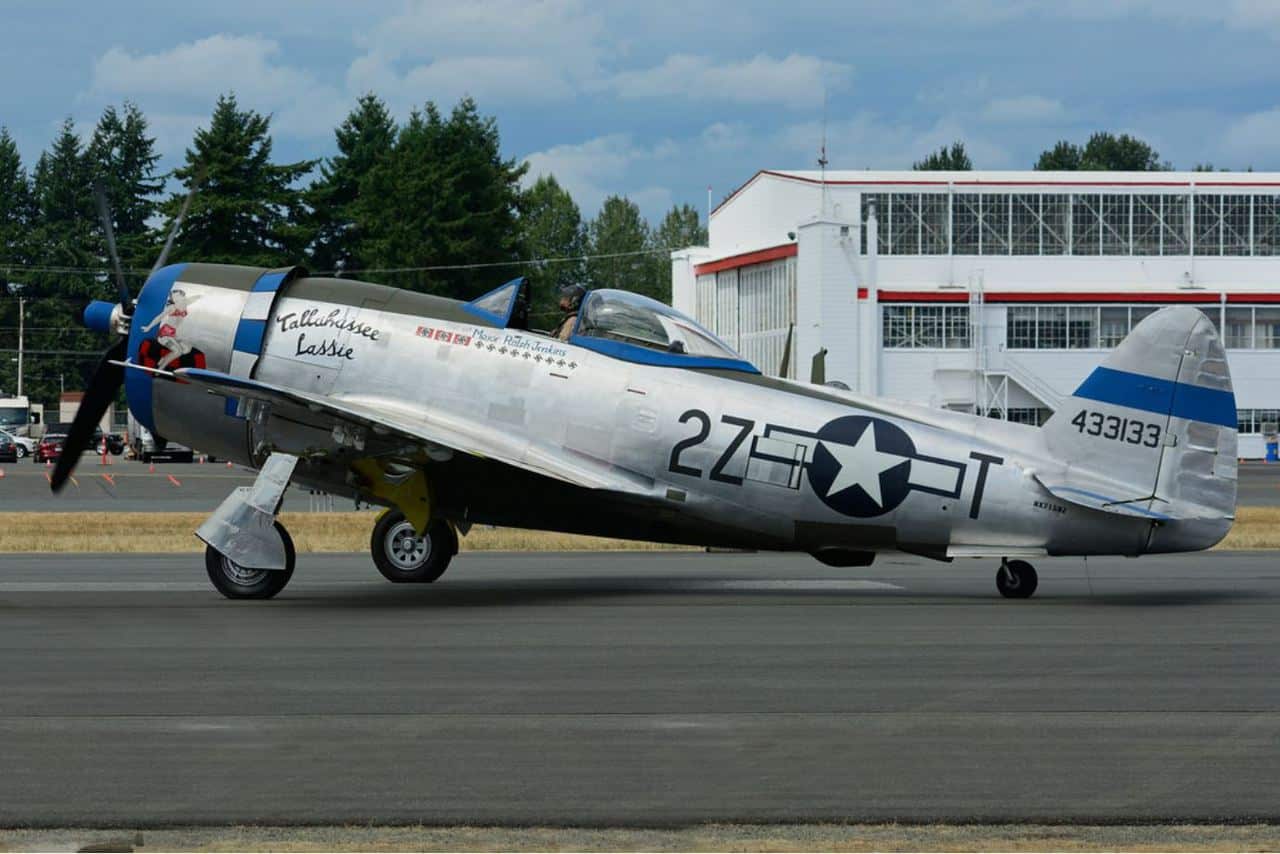


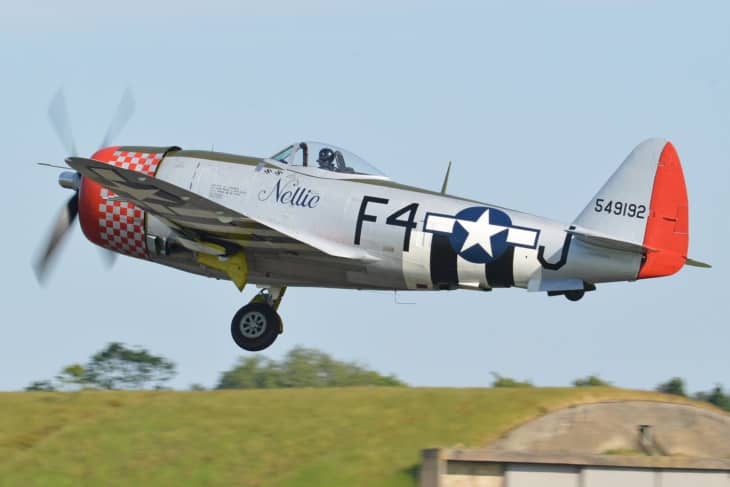
The Republic P-47 Thunderbolt was designed by the influential Georgian aircraft engineer Alexander Kartveli to succeed the Seversky P-35 fighter aircraft. On May 6, 1941, the aircraft prototype designated as XP-47B piloted by Lowry P. Brabham took to the air for the first time. In November 1942, it entered into service. It was built in different versions and was produced from 1941 to 1945. A total of 15,636 Thunderbolts were built. It was mainly used by the United States Army Air Forces and other Allied air forces, and was retired in 1966 with the Peruvian Air Force.
The P-47D-40 Thunderbolt version is a single-crew fighter with an external length of 11.02 meters, an external height of 3.5 meters, and a fuselage diameter of 1.4 meters. It has a tail height of 4.47 meters, a wheelbase of 6.4 meters, and a wingspan of 12.43 meters. The empty weight is 4,536 kg, the maximum takeoff weight is 7,938 kg, the maximum payload is 1,300 kg, and the fuel tank capacity is 370 US gal.
The aircraft is powered by a single Pratt and Whitney R-2800-59 engine. It is an eighteen-cylinder air-cooled twin-row radial engine with two poppet valves per cylinder, a variable-speed supercharger, a Stromberg injection carburetor fuel system, and an air cooling system. The engine is rated at 2,000 hp thrust and drives a four-bladed Curtiss Electric C542S constant-speed propeller with a diameter of 4 meters.
The Thunderbolt has a maximum speed of 370 knots at 30,000 feet. It has a travel range of 900 nautical miles. It can fly up to 42,000 feet and can climb at a rate of 3,200 feet per minute. The aircraft could be armed with eight 12.7 mm M2 Browning machine guns with 3,400 rounds per gun, up to 1,100 kg of bombs, and ten 130 mm unguided rockets.
Sources and references used for research and fact-checking.