Military Propellor Planes
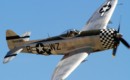
Republic P-47 Thunderbolt
ICAO: P47
Builders of rugged, hard-hitting American combat aircraft
AeroCorner features profiles for 6 Republic Aviation aircraft. This includes 3 Fighter Jets, 2 Military Propellor Planes, and 1 Amphibiou. Each profile includes performance data, photo galleries, dimensions, and operational history.
Republic Aviation was a major American aircraft manufacturer known for producing rugged, high-performance military aircraft. The company gained fame for fighters such as the P-47 Thunderbolt in World War II and later the F-84 and F-105. Its designs emphasized durability, firepower, and strong combat capability.

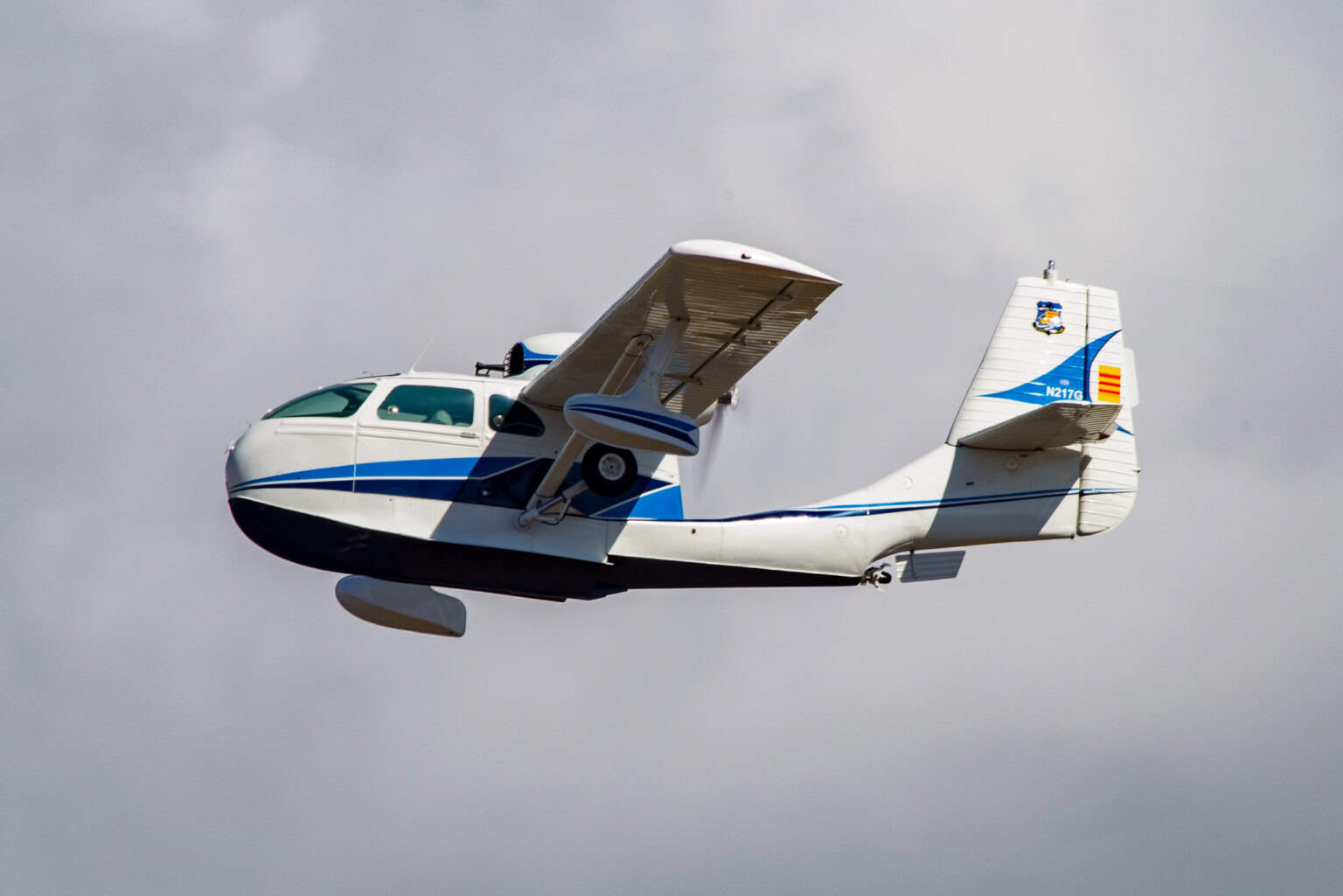
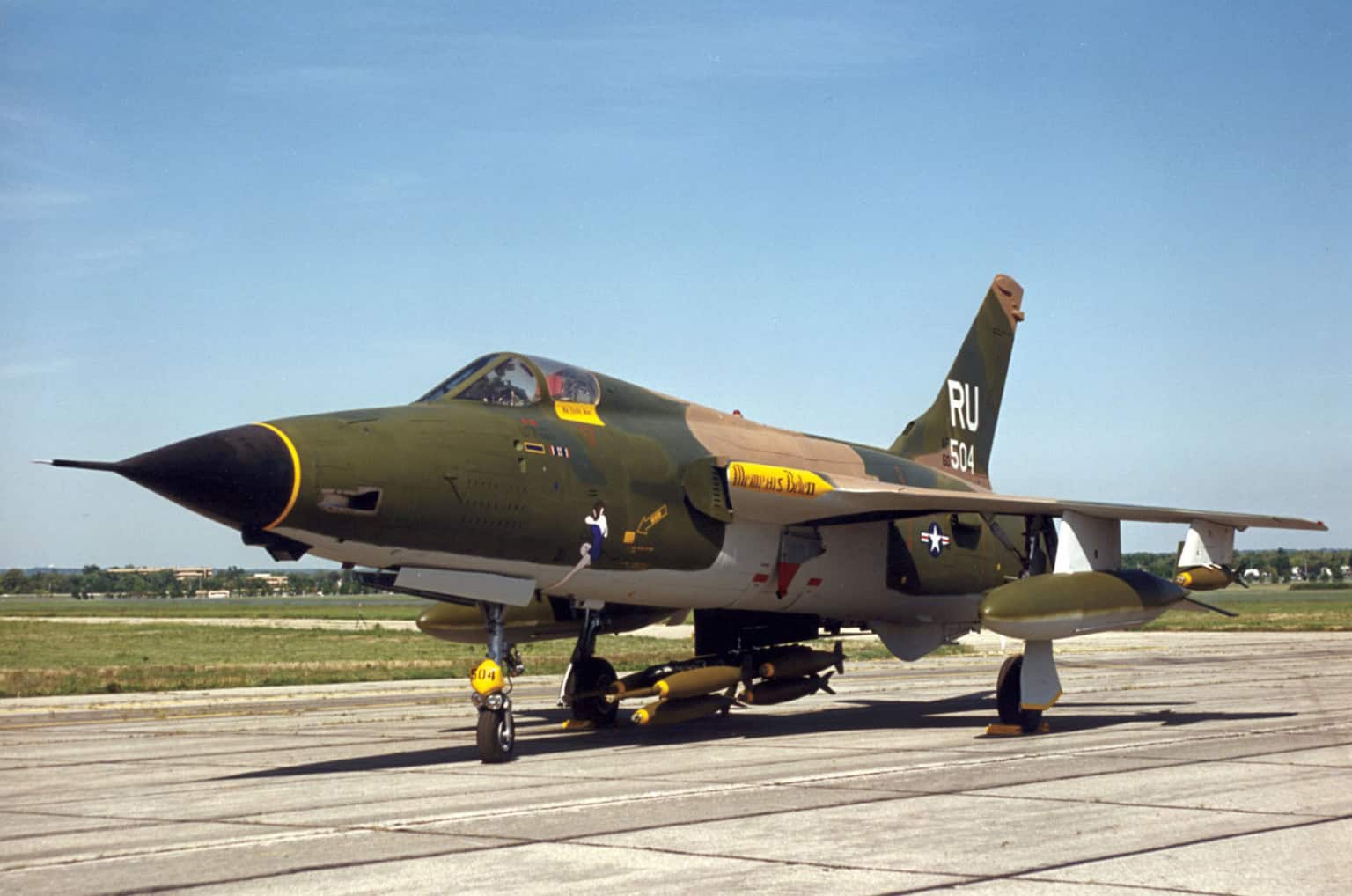
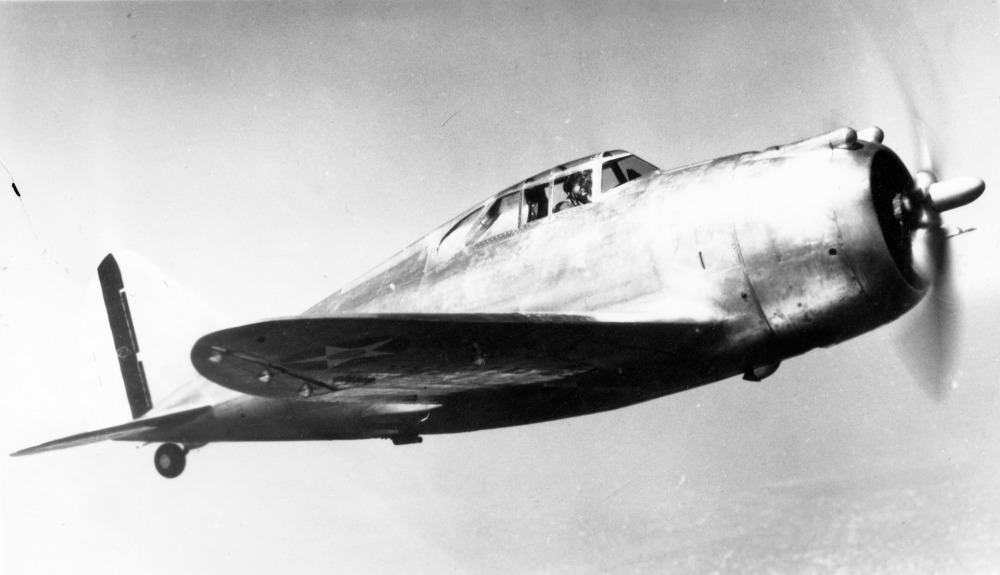

Republic Aviation began in 1931 as the Seversky Aircraft Corporation, founded by Alexander de Seversky. Financial difficulties and reorganization led to the company being renamed Republic Aviation in 1939. It quickly became one of the United States’ most important wartime manufacturers during World War II.
After the war, Republic shifted to early jet fighters, producing successful designs like the F-84 Thunderjet and the supersonic F-105 Thunderchief. The company was purchased by Fairchild in 1965, later merging into Fairchild Republic. Its lineage ultimately became part of Northrop Grumman.
Republic Aviation was headquartered in Farmingdale, Long Island, New York, where its main manufacturing plant and testing facilities were located. The site became an important hub for wartime production and post-war jet development, supporting thousands of employees across multiple aircraft programs.
Most aircraft were produced at the Farmingdale plant, with additional wartime output supplemented by subcontractors across the United States. The facility manufactured everything from P-47s to early jets, making it one of America’s busiest military aircraft production centers during and after World War II.
Republic also produced experimental aircraft, early guided missiles, and research prototypes. The company worked on VTOL concepts, jet trainers, and advanced aeronautical projects, reflecting its long-term commitment to military aviation innovation and postwar technological development.
At its peak in World War II, Republic employed over 20,000 workers, many working around the clock to meet Allied demand. The workforce played a crucial role in producing thousands of Thunderbolts, supporting the broader U.S. wartime industrial effort.
Republic Aviation was acquired by Fairchild in 1965, forming Fairchild Republic. Through later mergers and reorganizations, its aerospace lineage ultimately became part of Northrop Grumman, one of the world’s largest defense contractors.
The most influential early figure was Alexander de Seversky, the company’s founder and chief designer. Later leadership during peak wartime production helped transform Republic into one of America’s largest aircraft manufacturers.
Exact valuation changed significantly over time, but during World War II, Republic operated as one of the United States’ most financially important aircraft firms, supported by massive government contracts for fighters and later jet development programs.
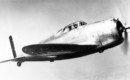
The P-47 became one of World War II’s most successful fighters, known for durability and heavy armament. Over 15,000 were built, making it one of the highest-produced American fighters and establishing Republic as a critical wartime manufacturer.
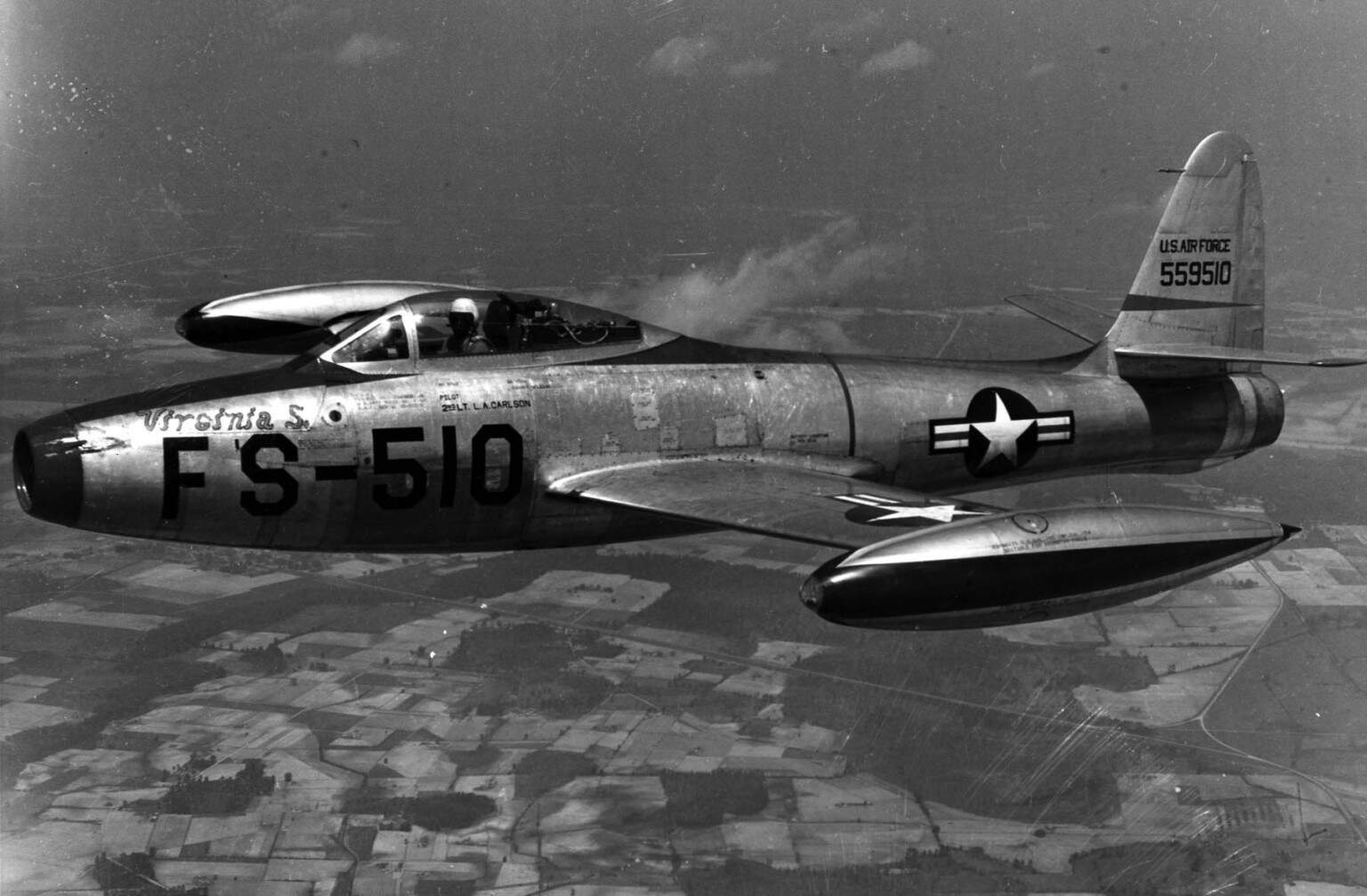
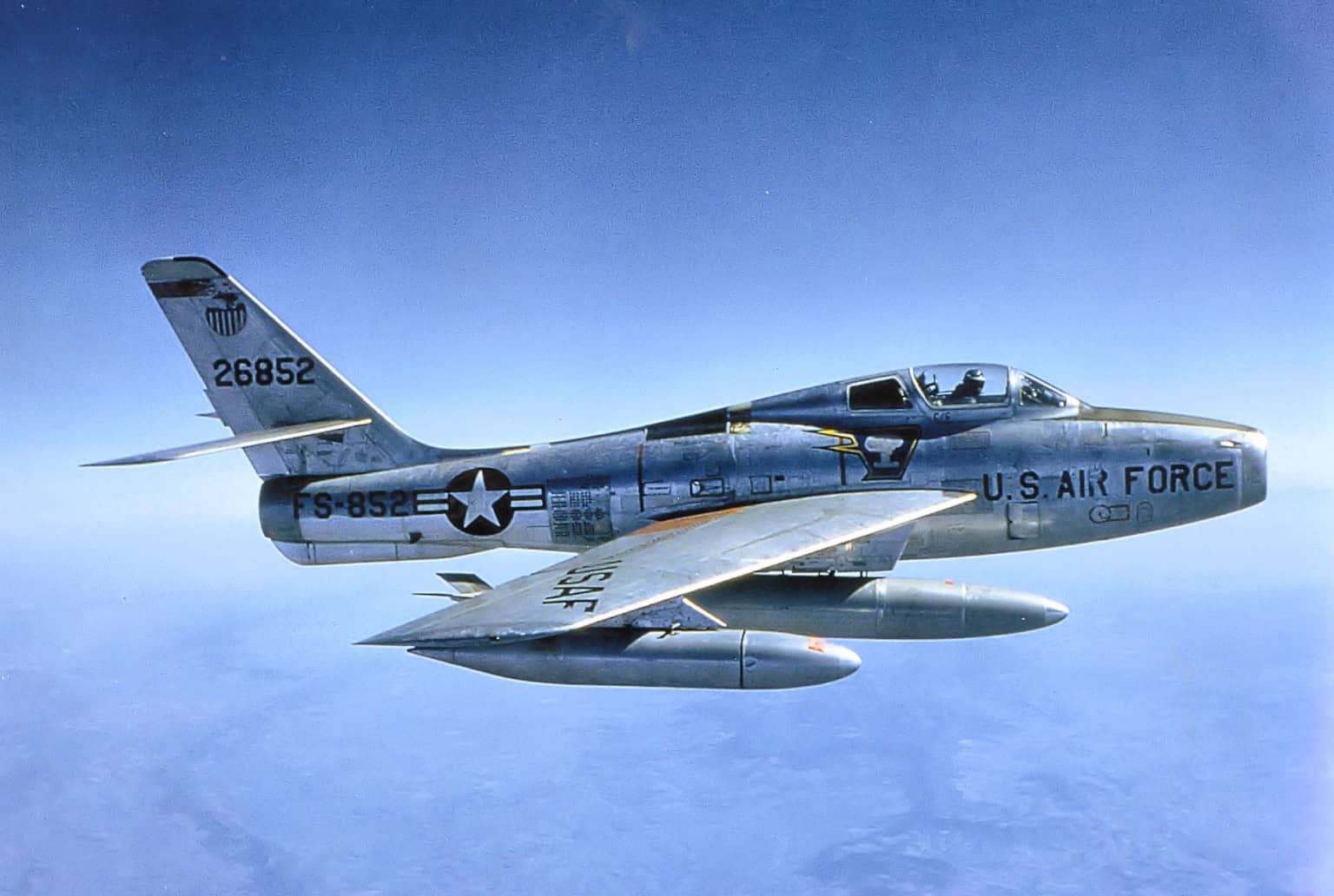
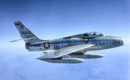
Introduced after the war, the F-84 served extensively during the Korean War. It became one of America’s earliest operational jet fighters, showcasing Republic’s transition from piston-engine to jet-powered aircraft design.
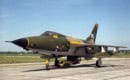
The F-105 was a fast, powerful tactical bomber used heavily during the Vietnam War. Designed for high-speed strike missions, it demonstrated Republic’s advanced engineering capabilities in the supersonic era.
Financial pressures and changing defense priorities led to Republic’s acquisition by Fairchild. This marked the end of Republic as an independent manufacturer but allowed its legacy to continue in major Cold War programs.