Amphibious
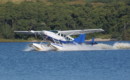
Sukhoi/Beriev Be-103 “Snipe”
ICAO: B103
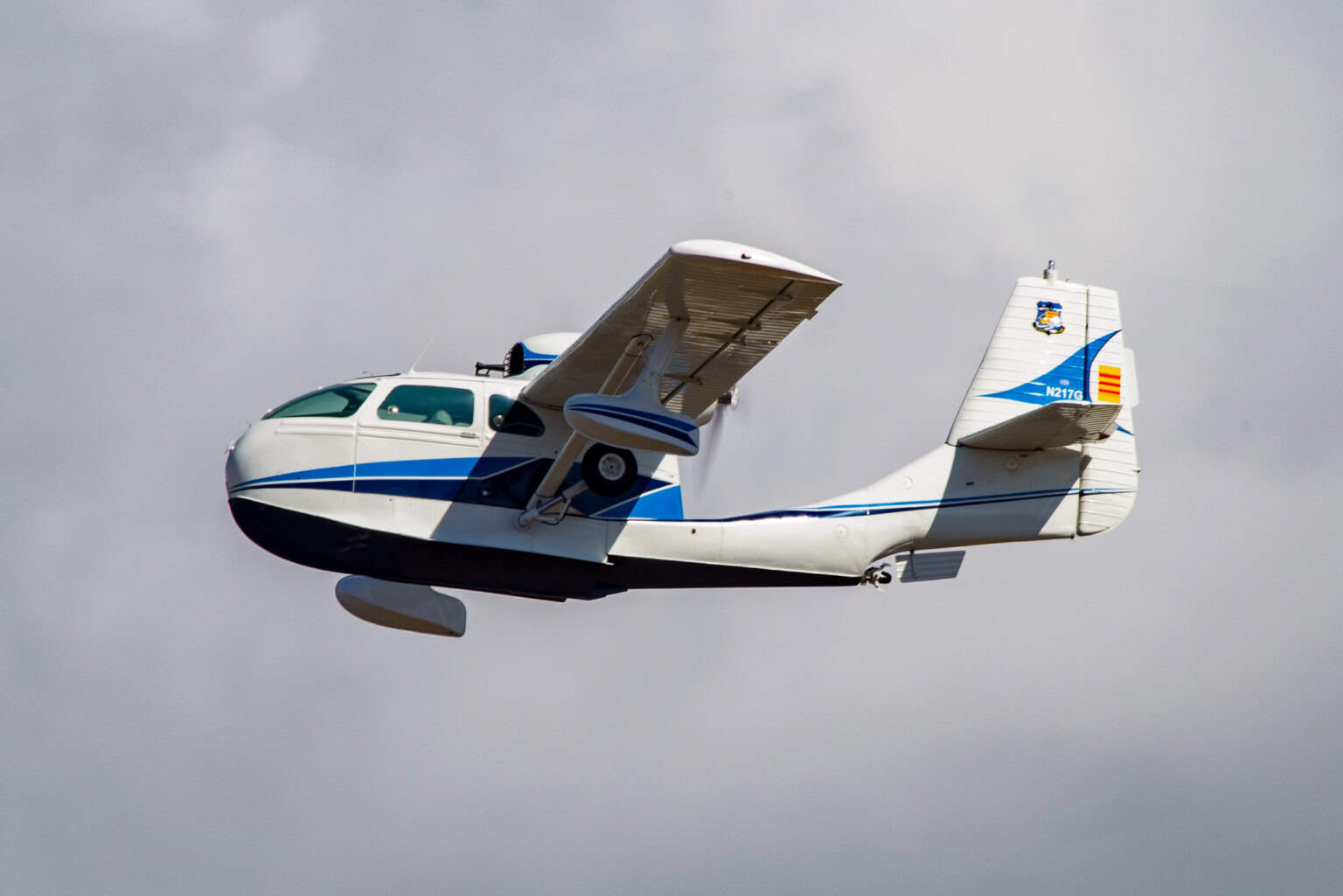
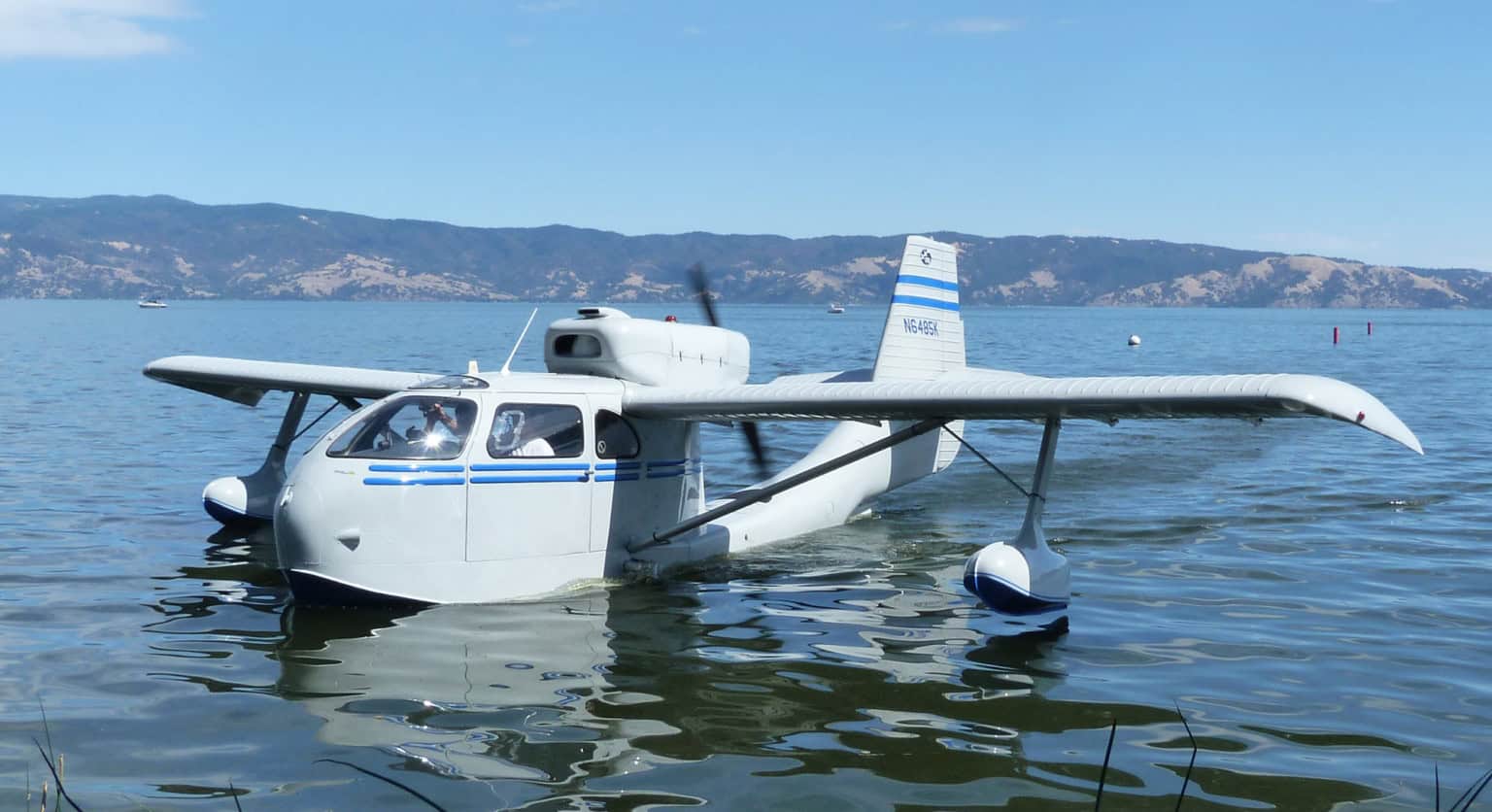
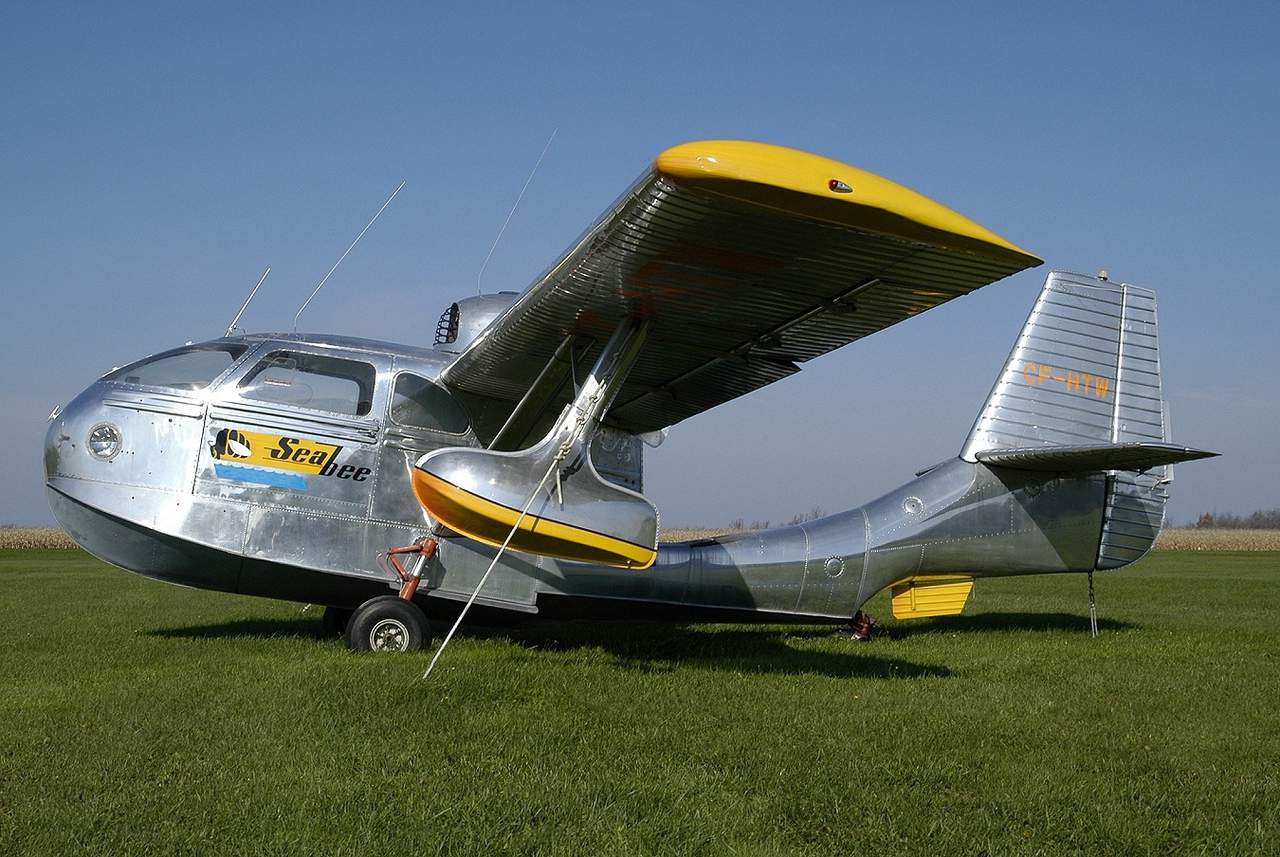
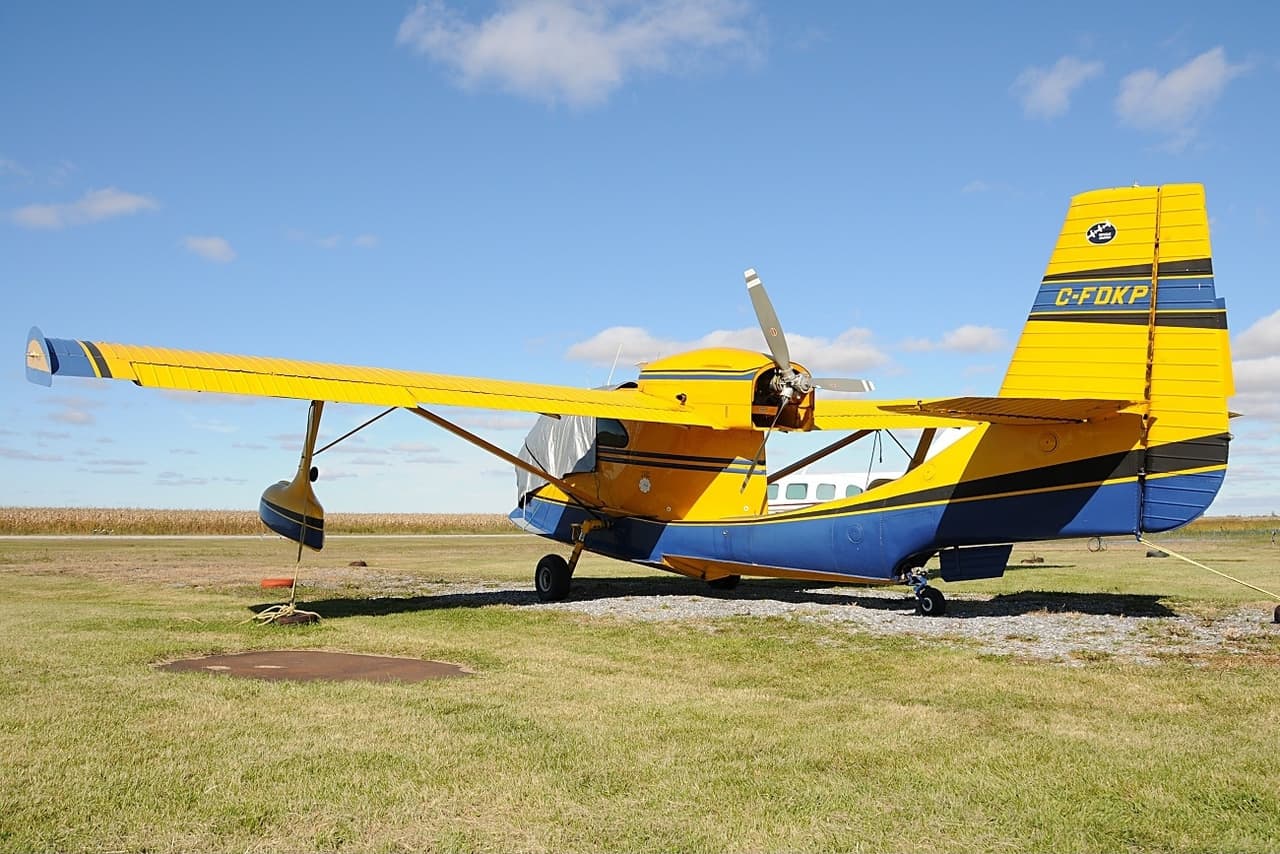
The Republic RC-3 Seabee was introduced in the late 1940s as a civilian amphibious aircraft. Designed for recreational use, it combined land and water capability. The aircraft gained popularity among private owners.
The latest aviation news and stories sent to your inbox.
Republic RC-3 Seabee — amphibious light aircraftThe Seabee first flew in 1945 and entered service in 1946. It featured a high-wing configuration and pusher engine mounted above the fuselage. The aircraft was capable of operating from both runways and waterways.A Franklin piston engine producing approximately 215 horsepower powered the Seabee. Cruise speed was near 105 knots (194 km/h). Maximum takeoff weight exceeded 2,500 pounds (1,134 kg).The Seabee became a distinctive recreational aircraft in postwar America. Production was limited but enthusiastic. Surviving examples remain popular among amphibious aviation enthusiasts.
Live Fleet Activity (RC3)
Fetching live data…





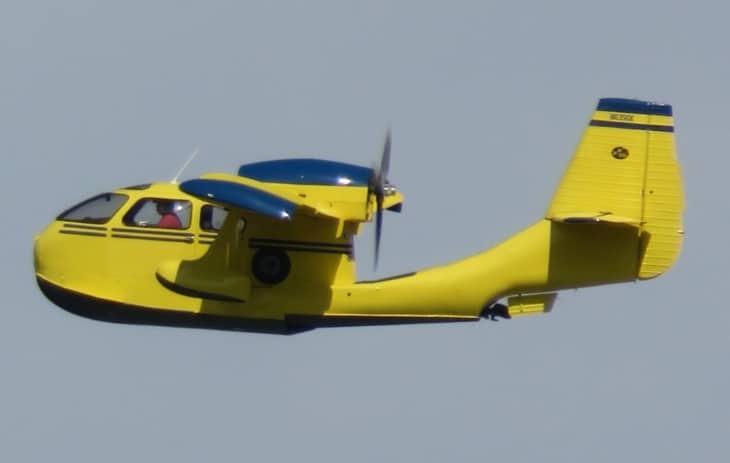
The Republic RC-3 Seabee was developed by Percival Spencer, an American inventor, and aviation pioneer who worked with the Republic Aircraft Corporation as a test pilot during World War II. On November 22, 1945, the RC-3 prototype with serial NX87451 moved off the production line at the manufacturing company’s plant in Farmingdale, New York.
On December 1 of the same year, the aircraft took to the air for the first time piloted by Spencer. On December 27, the company acquired the Franklin engine manufacturer, Aircooled Motors to produce and develop engines that will power the Seabee.
The RC-3 Seabee can carry a single crew and up to three passengers on board. It has an external length of 8.5 meters, an external height of 2.4 meters, and a fuselage diameter of 1.65 meters. It has a tail height of 3.1 meters and a wheelbase of 3.7 meters. The wingspan is 11.47 meters and the wing area is 18.2 square meters. It has an empty weight of 885 kg, a gross weight of 1,361 kg, and a maximum takeoff weight of 1,428 kg. The maximum payload is 200 kg and the fuel tank capacity is 75 US gal.
The aircraft is powered by a single Franklin 6AS-215-BSF engine. It is a six-cylinder air-cooled horizontally opposed-piston engine with a single OHV exhaust and inlet per cylinder operated by push-rods and rockets, a single Marvel-Schebler MA4-5 updraught carburetor fuel system, a pressure-fed oil system, and an air-cooled with cooling fan and shrouds cooling system. The engine produces a maximum takeoff thrust of 215 hp at 25,000 feet and drives a two-bladed Aeromaster adjustable pitch wooden propeller or an optional Hartzell reversible pitch wooden propeller.
The Seabee has a maximum speed of 100 knots, a cruise speed of 90 knots at seventy-five percent power, and a landing speed of 50 knots. The travel range is 490 nautical miles. It can fly up to 12,000 feet and can climb at a rate of 700 feet per minute.
Sources and references used for research and fact-checking.