Fighter Jets
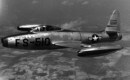
Republic F-84 Thunderjet
ICAO: F84
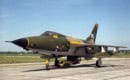
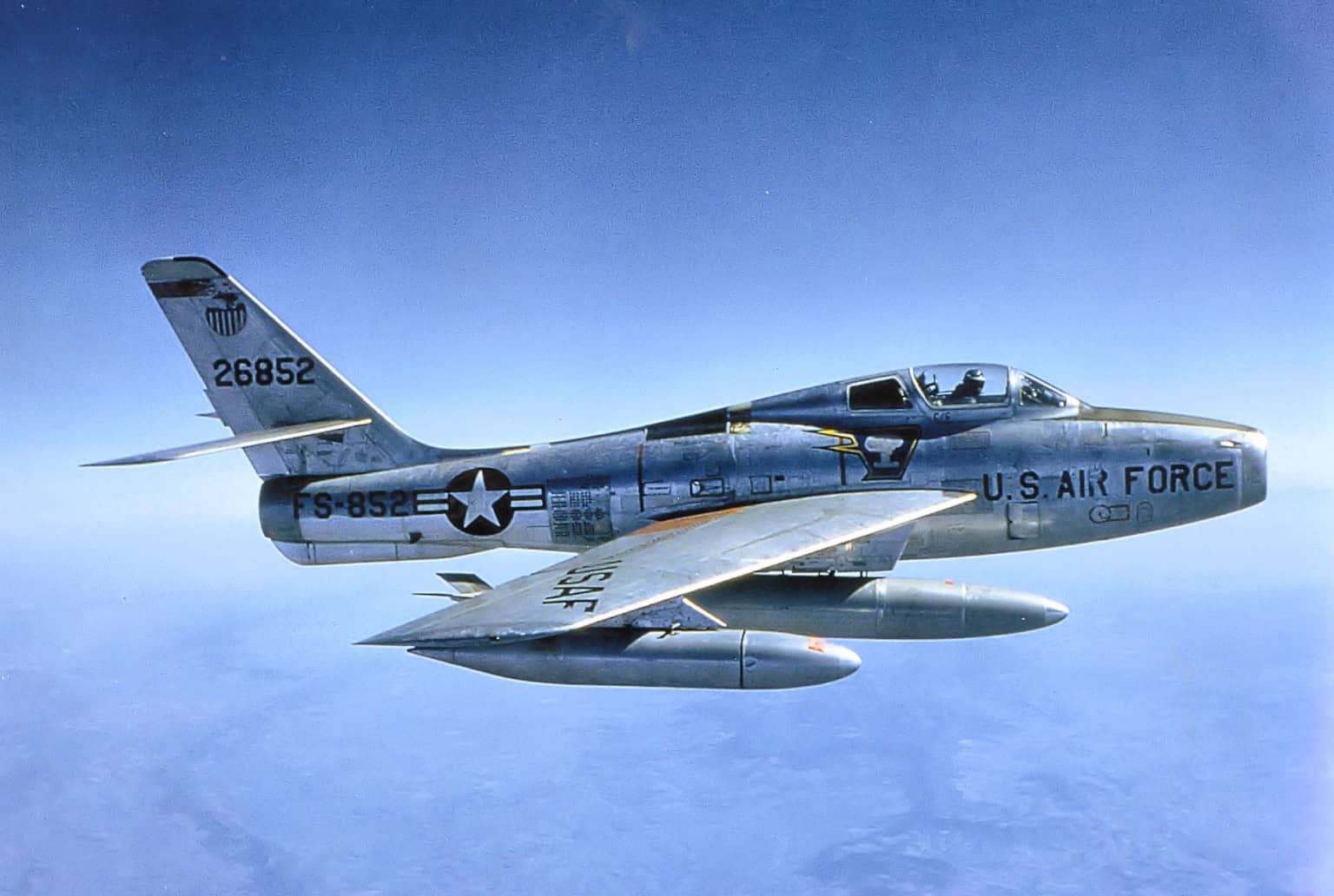
The Republic F-84F Thunderstreak emerged in the early 1950s as a swept-wing development of the F-84. Designed for improved performance, it served primarily as a fighter-bomber. The aircraft became widely deployed within NATO forces.
The latest aviation news and stories sent to your inbox.
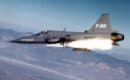
Republic F-84F Thunderstreak — swept-wing fighter-bomberThe F-84F first flew in 1950 and entered service in 1954. Unlike the straight-wing Thunderjet, it adopted a swept-wing configuration for higher speeds. Structural refinements improved stability and handling.Powered by a Wright turbojet producing approximately 7,200 pounds of thrust (32 kN), the Thunderstreak exceeded 600 knots (1,111 km/h). Maximum takeoff weight surpassed 28,000 pounds (12,701 kg).The aircraft served extensively in Europe during the Cold War. It fulfilled tactical strike roles until replaced by more advanced supersonic fighters. The F-84F marked a transition toward swept-wing jet designs.
Live Fleet Activity (F84F)
Fetching live data…
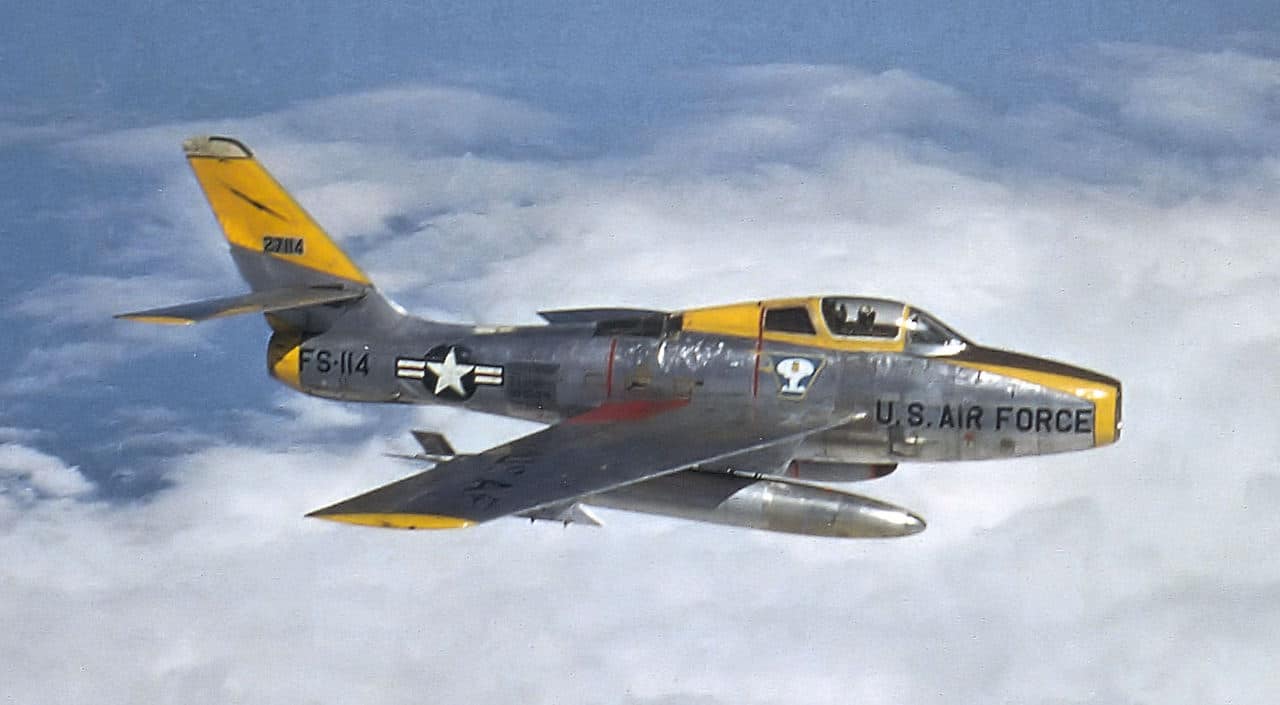


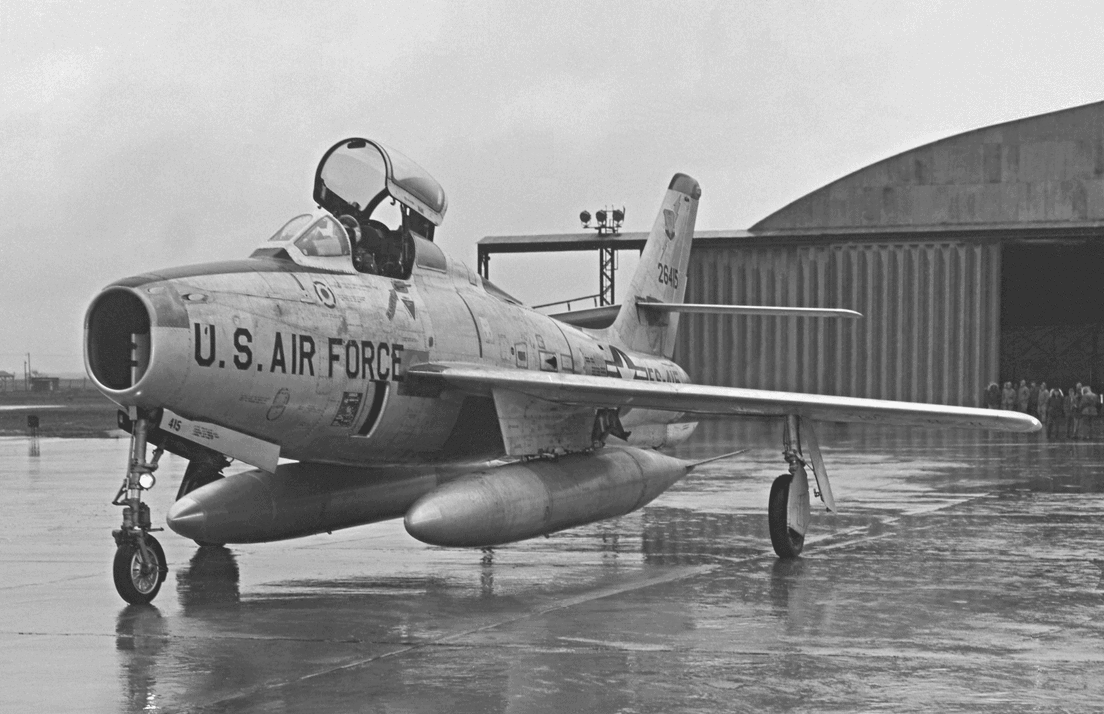


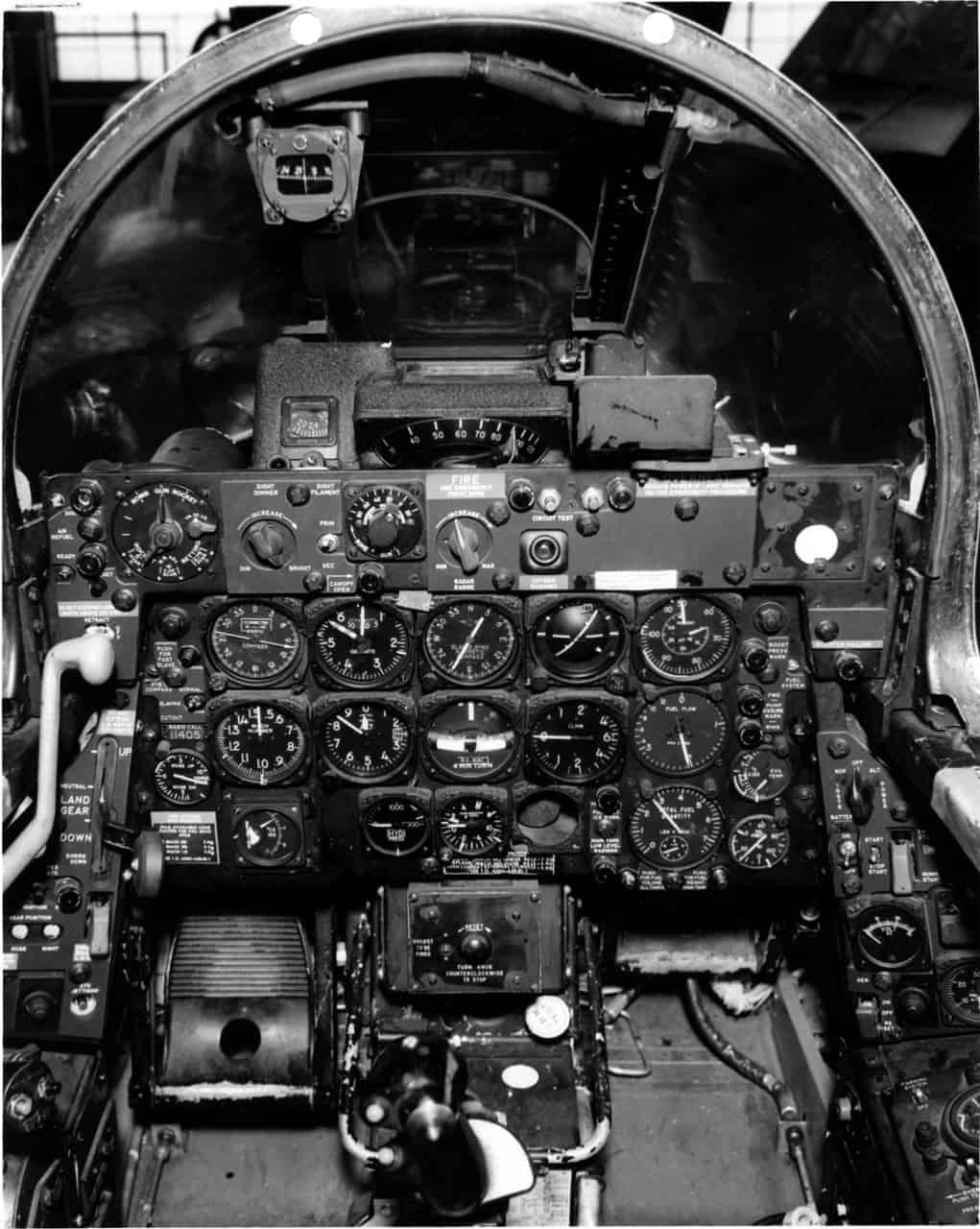
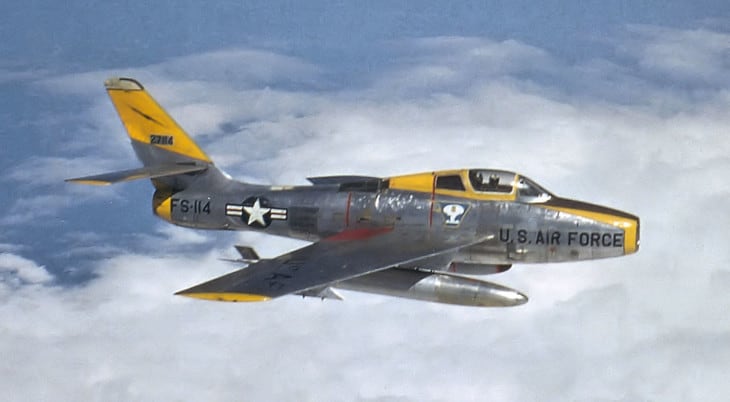
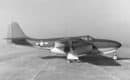
Development of the F-84F began in 1948 when the manufacturing company Republic Aviation designed a swept-wing variant of the F-84 intended to compete with the performance of the F-86 Sabre. The aircraft prototype was given the designation XF-96A and took to the air for the first time on June 3, 1950, piloted by Otto P. Haas. In July 1950, the aircraft was designated as F-84F Thunderstreak and was ordered into production.
The F-84F is a single-crew fighter with an external length of 13.23 meters, an external height of 3 meters, and a fuselage diameter of 1.3 meters. It has a tail height of 4.4 meters and a wheelbase of 5.8 meters. The swept wing has a wingspan of 10.25 meters and a wing area of 30 square meters. It has an empty weight of 5,200 kg, a maximum takeoff weight of 12,701 kg, a maximum payload of 3,000 kg, and a fuel tank capacity of 847 US gallon.
The aircraft is powered by a single Wright J65-W-3 engine. It is an axial-flow turbojet with a thirteen-stage axial compressor, annular combustors, and a two-stage axial turbine. It produces a maximum takeoff thrust of 7,220 lbf. The F-84F has a maximum speed of 604 knots at sea level and a combat range of 704 nautical miles with two drop tanks. It can fly up to 46,000 feet and can climb at a rate of 8,200 feet per minute.
The Thunderstreak could be armed with six 12.7 mm Browning M3 machine guns; four mounted in the nose over intake and two mounted in the wing roots, with 1,800 rounds in total. It is also armed with up to 2,727 kg of rockets and bombs including one Mark 7 nuclear bomb. The aircraft was fitted with A-1CM or A-4 gunsight with APG-30 or MK-18 ranging radar and includes several communications equipment such as AN/ARC-33 or 34 command set radio and AN/APX-6 or 6A instrument friend or foe set.
Sources and references used for research and fact-checking.