Amphibious
Sukhoi/Beriev Be-103 “Snipe”
ICAO: B103
The bush plane built for short fields and remote frontiers

The latest aviation news and stories sent to your inbox.
The de Havilland DHC-2 Beaver is a single-engine utility aircraft developed for rugged operations in remote regions. Designed in Canada after World War II, it became synonymous with bush flying. The aircraft’s versatility and short takeoff and landing performance made it a global workhorse.
Live Fleet Activity (DHC2)
Fetching live data…

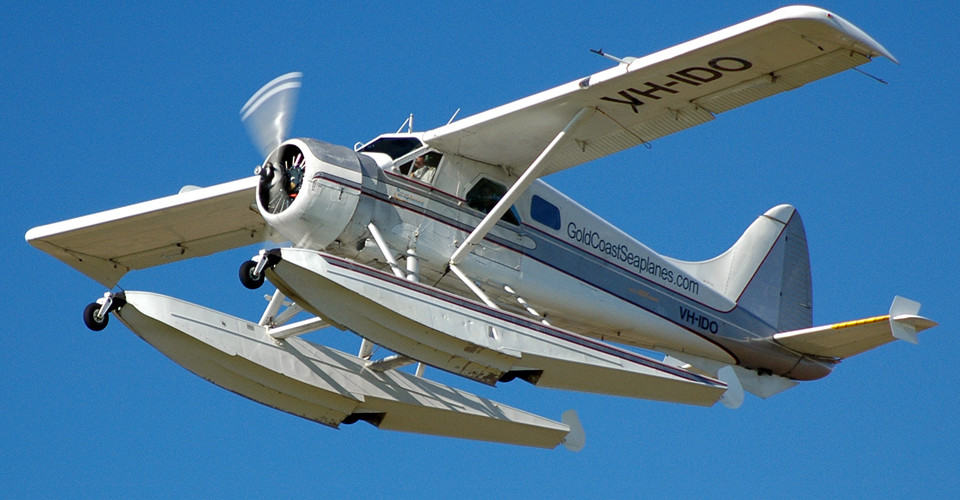


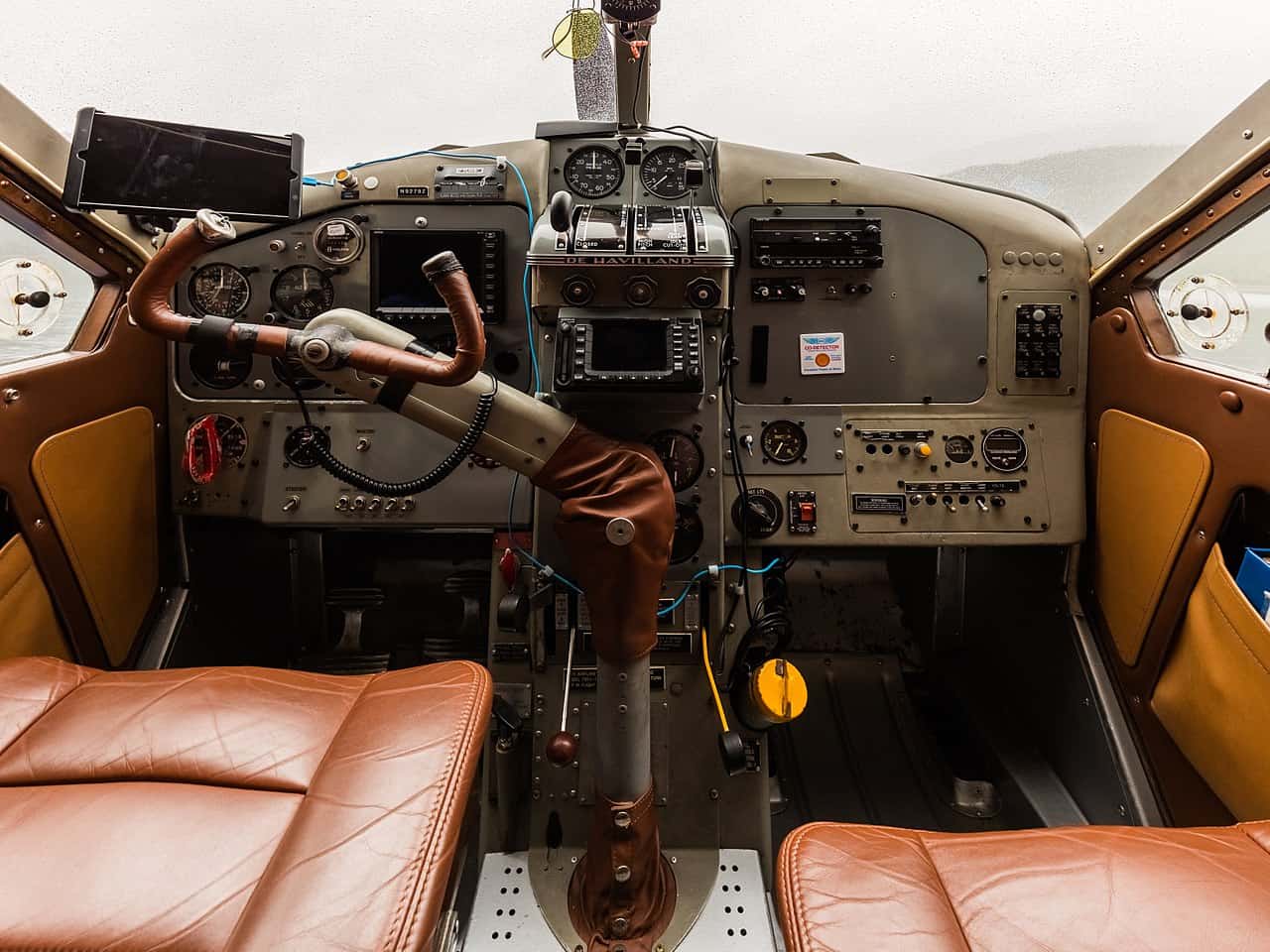
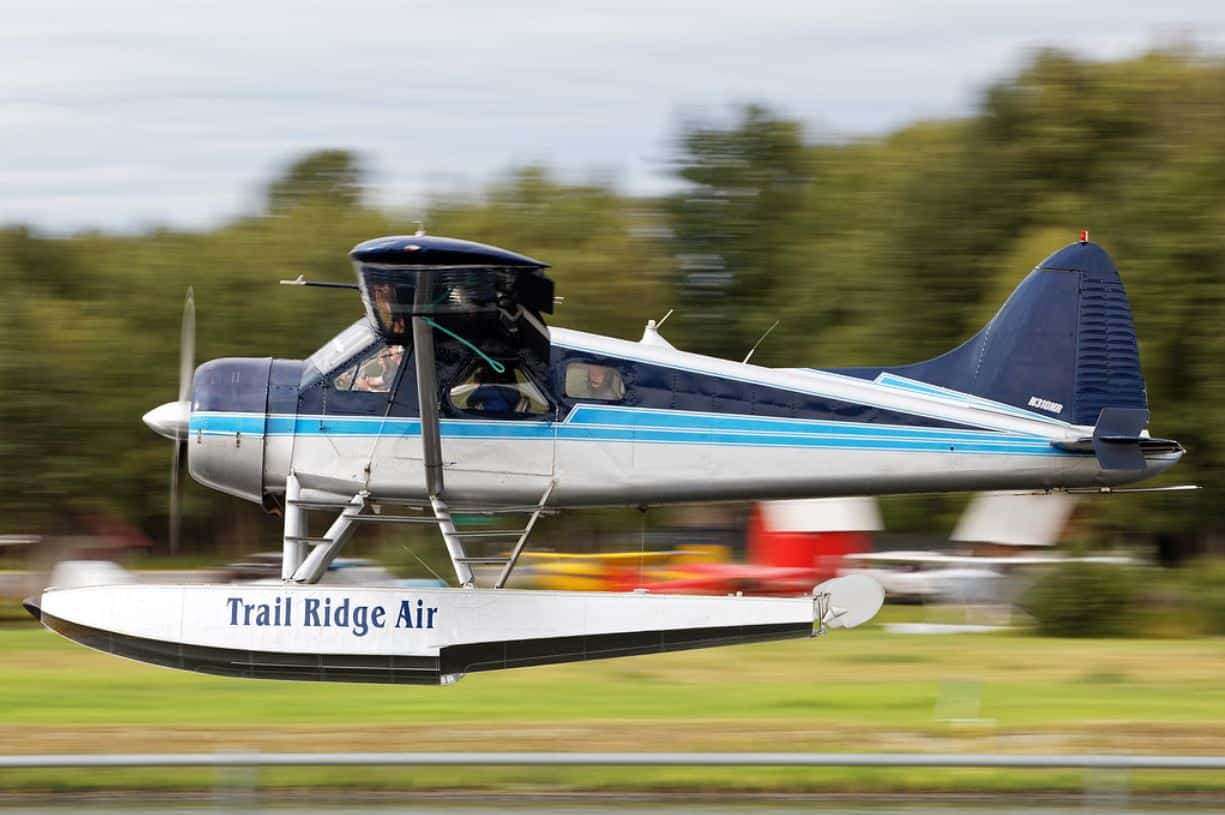
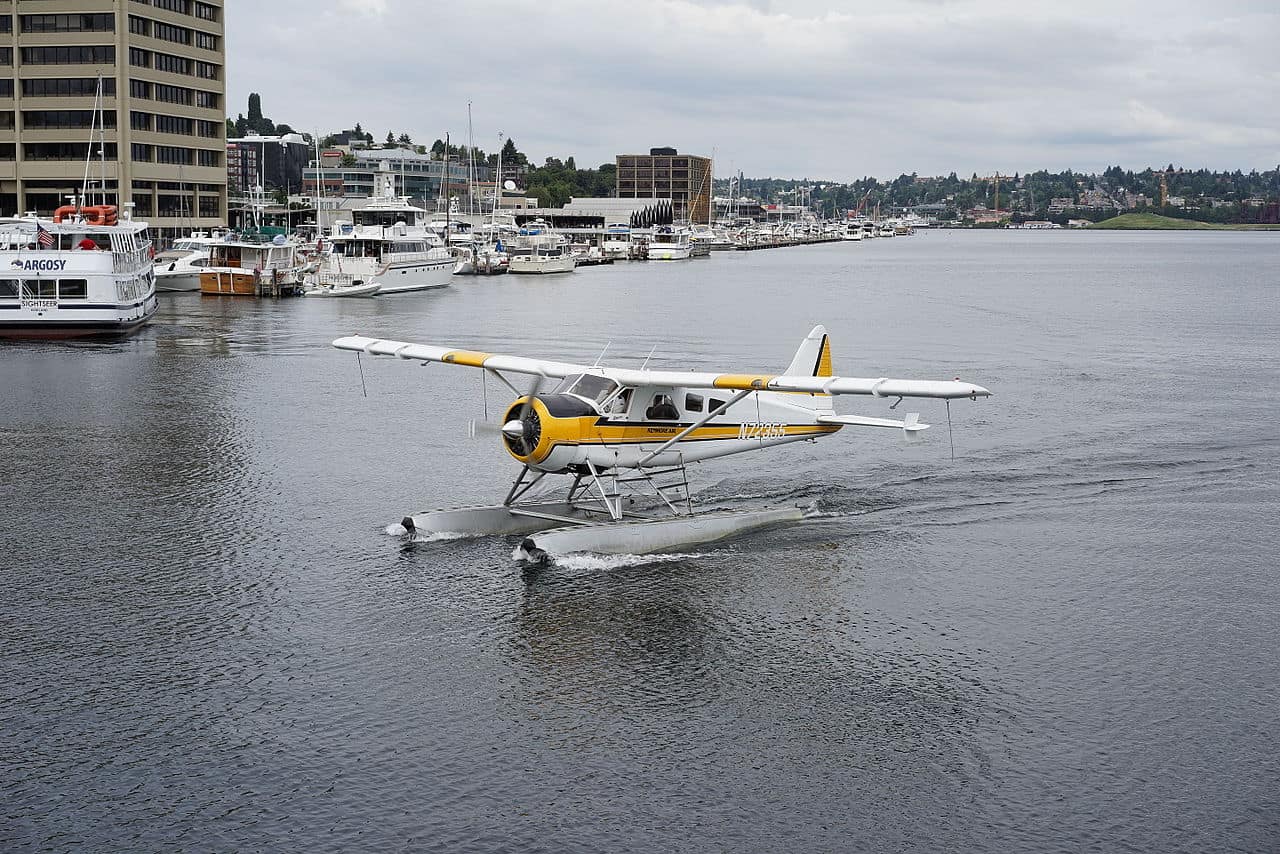


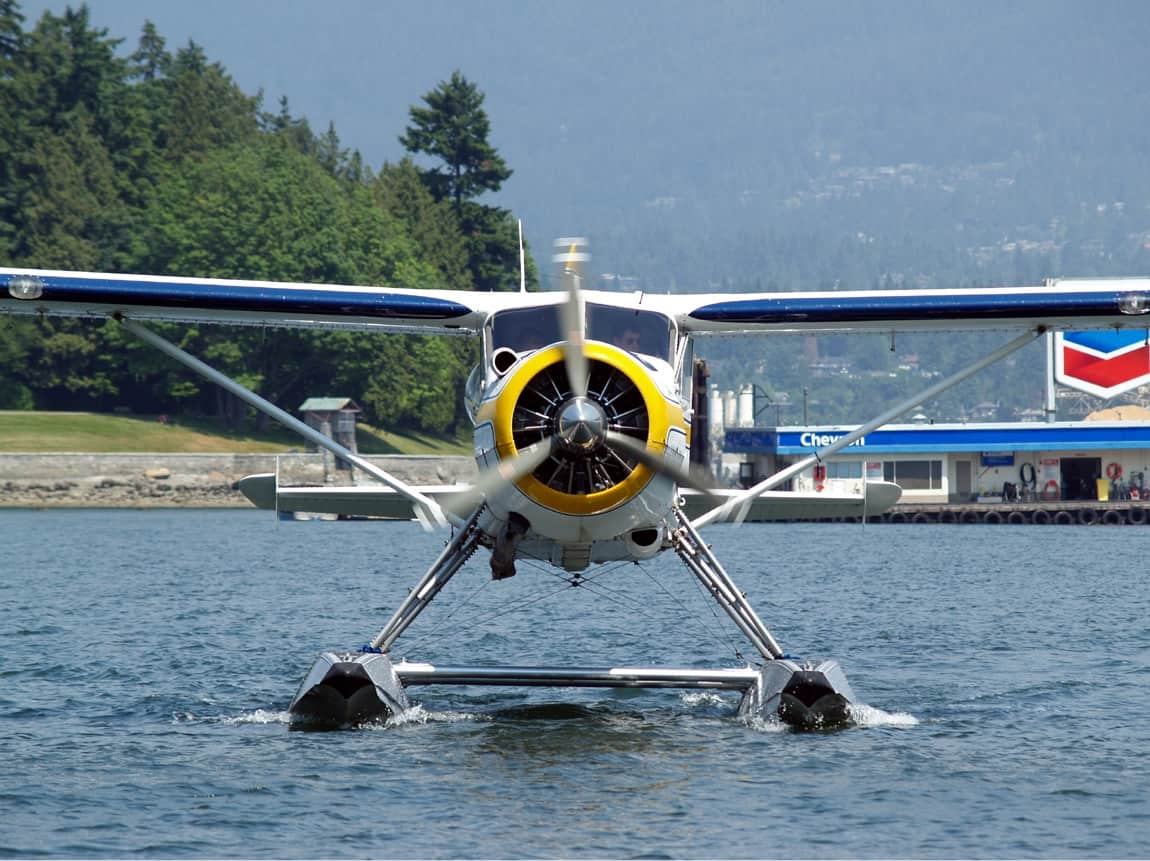

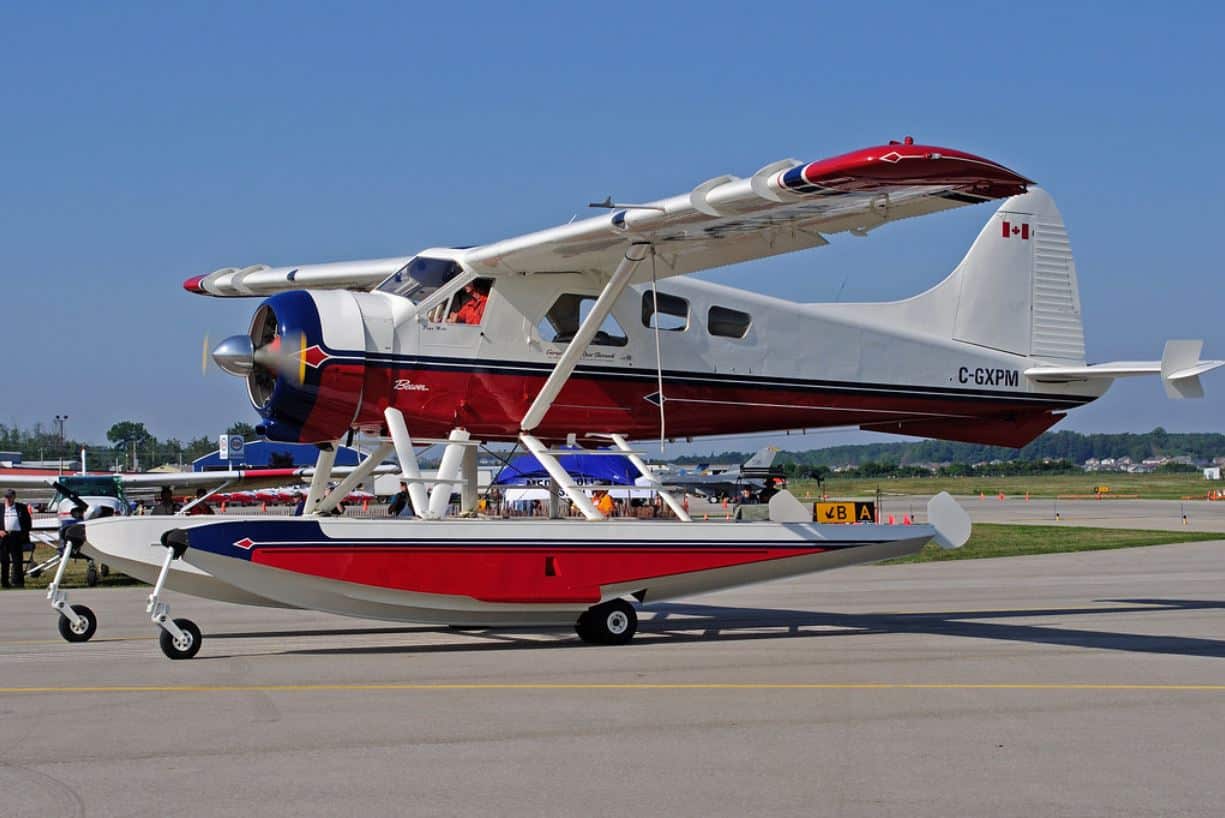
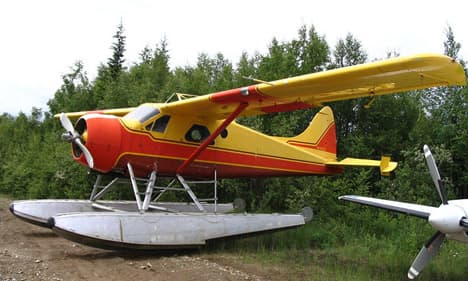
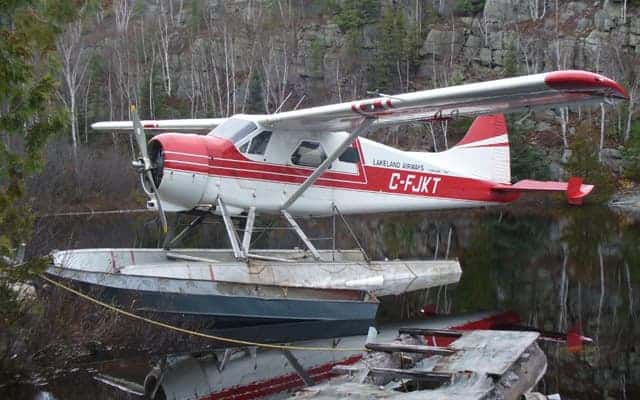
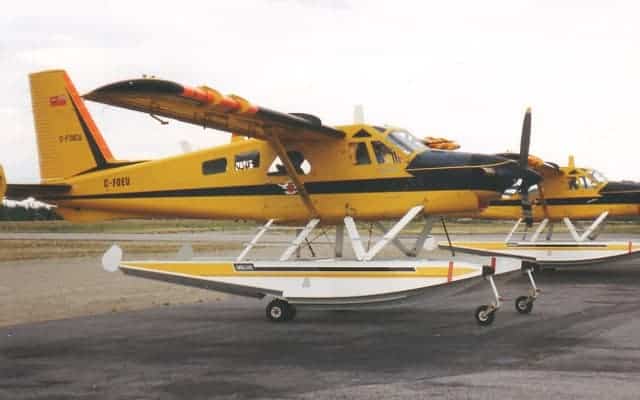
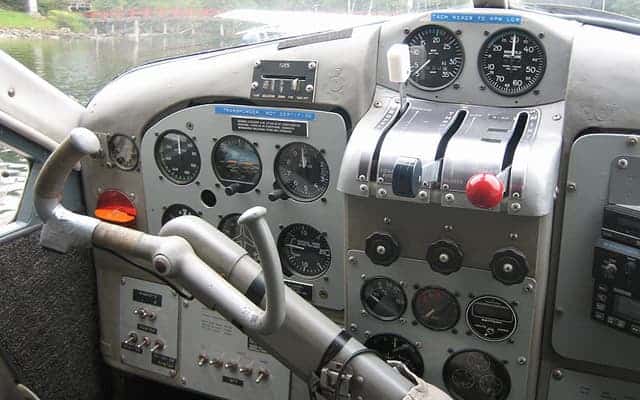
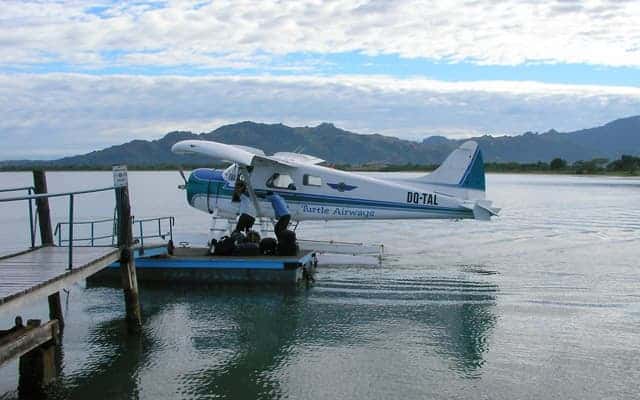
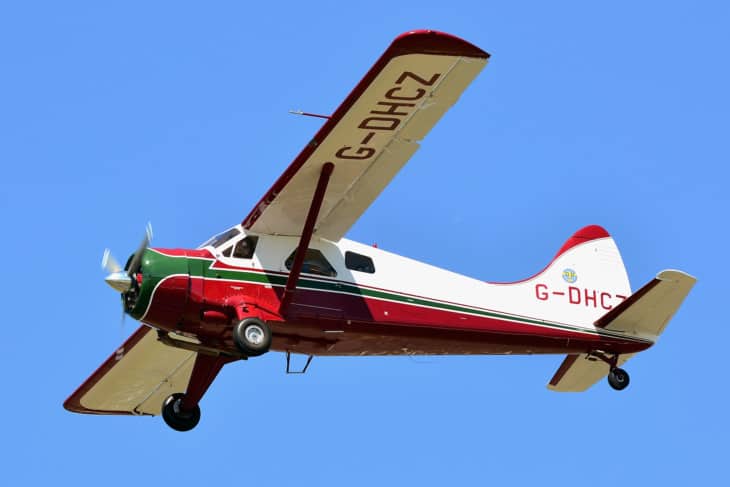
The DHC-2 Beaver first flew in 1947 and entered service shortly thereafter as a purpose-built bush plane. Designed in close consultation with Canadian bush pilots, it emphasized short takeoff and landing capability, rugged construction, and the ability to operate from wheels, skis, or floats. Its high-wing layout and large cargo doors supported flexible loading in remote environments.
Powered by a Pratt & Whitney R-985 radial engine producing approximately 450 horsepower, the Beaver cruises at around 130 knots (240 km/h). Maximum takeoff weight is roughly 5,100 pounds (2,315 kg). The aircraft can carry up to six occupants and operate from short, unimproved strips or water surfaces.
The Beaver served in civil bush operations, military liaison roles, and humanitarian missions worldwide. Its durability and adaptability contributed to decades of production and ongoing use. Many examples remain in service, underscoring its enduring reputation as one of the most capable utility aircraft ever built.
Sources and references used for research and fact-checking.