Amphibious
Sukhoi/Beriev Be-103 “Snipe”
ICAO: B103
The turboprop utility aircraft built for water and runway operations alike
The latest aviation news and stories sent to your inbox.
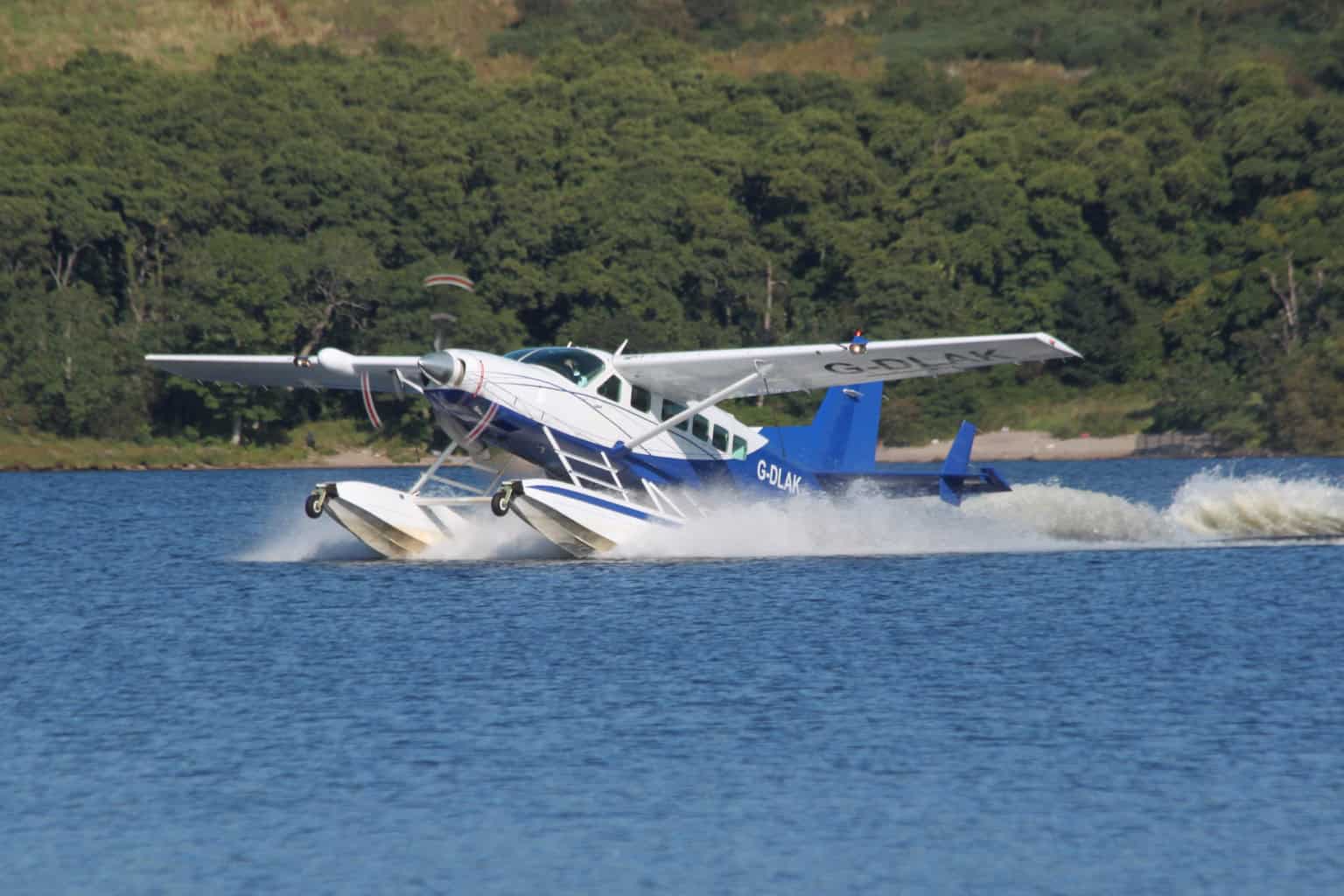
The Cessna Caravan Amphibian is a float-equipped variant of the popular Cessna 208 Caravan. Designed for operations from both land and water, it supports regional transport and remote access missions. The aircraft combines turboprop reliability with amphibious versatility.
Live Fleet Activity (C208)
Fetching live data…
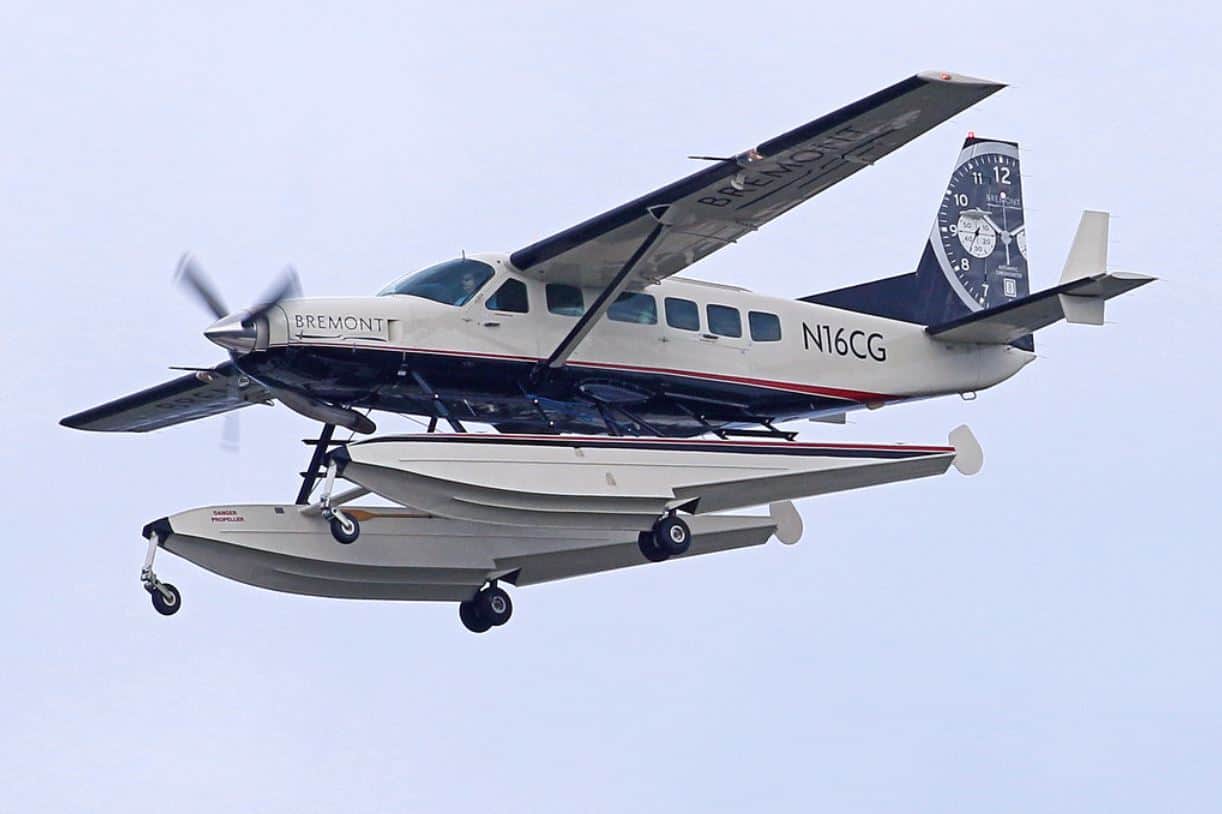


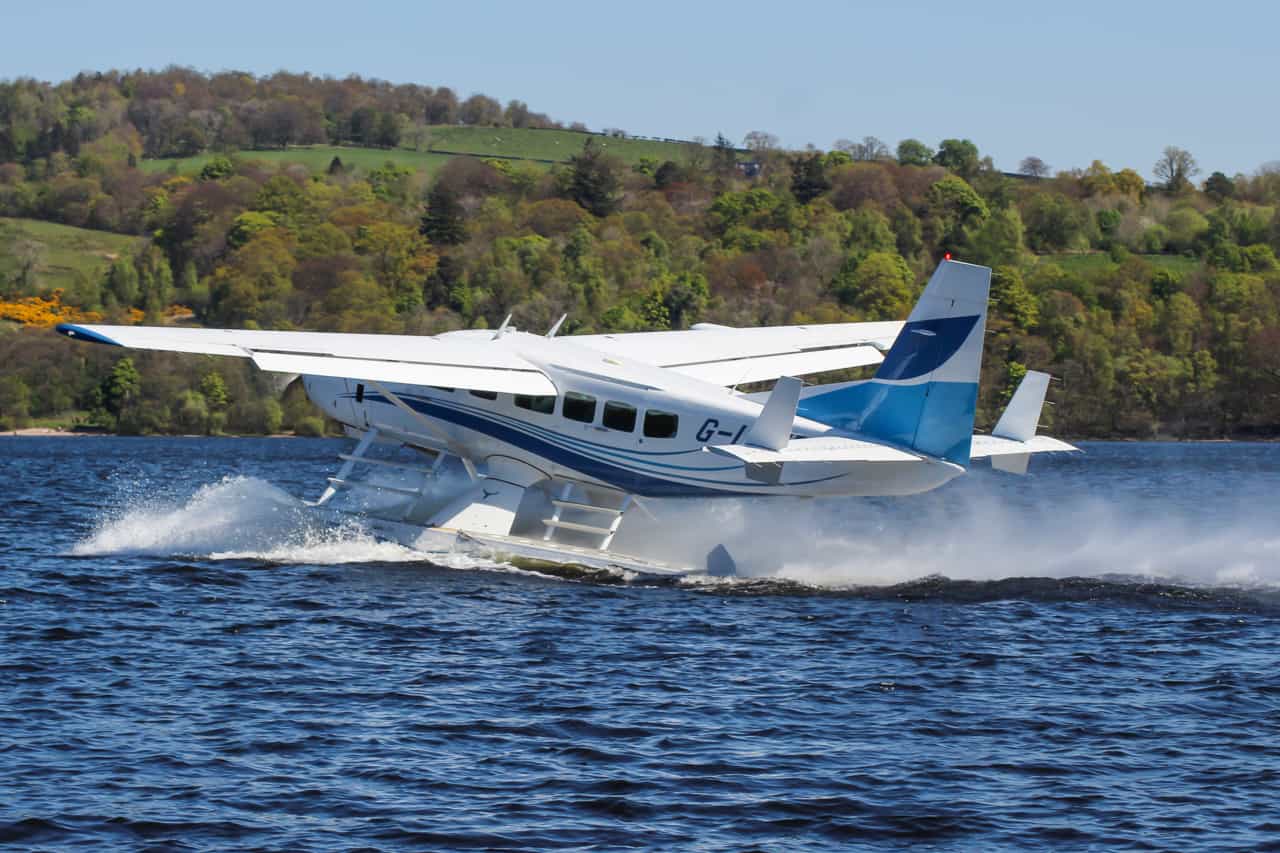


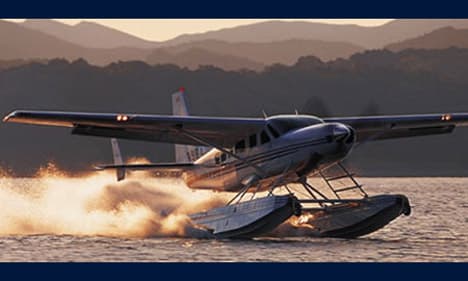
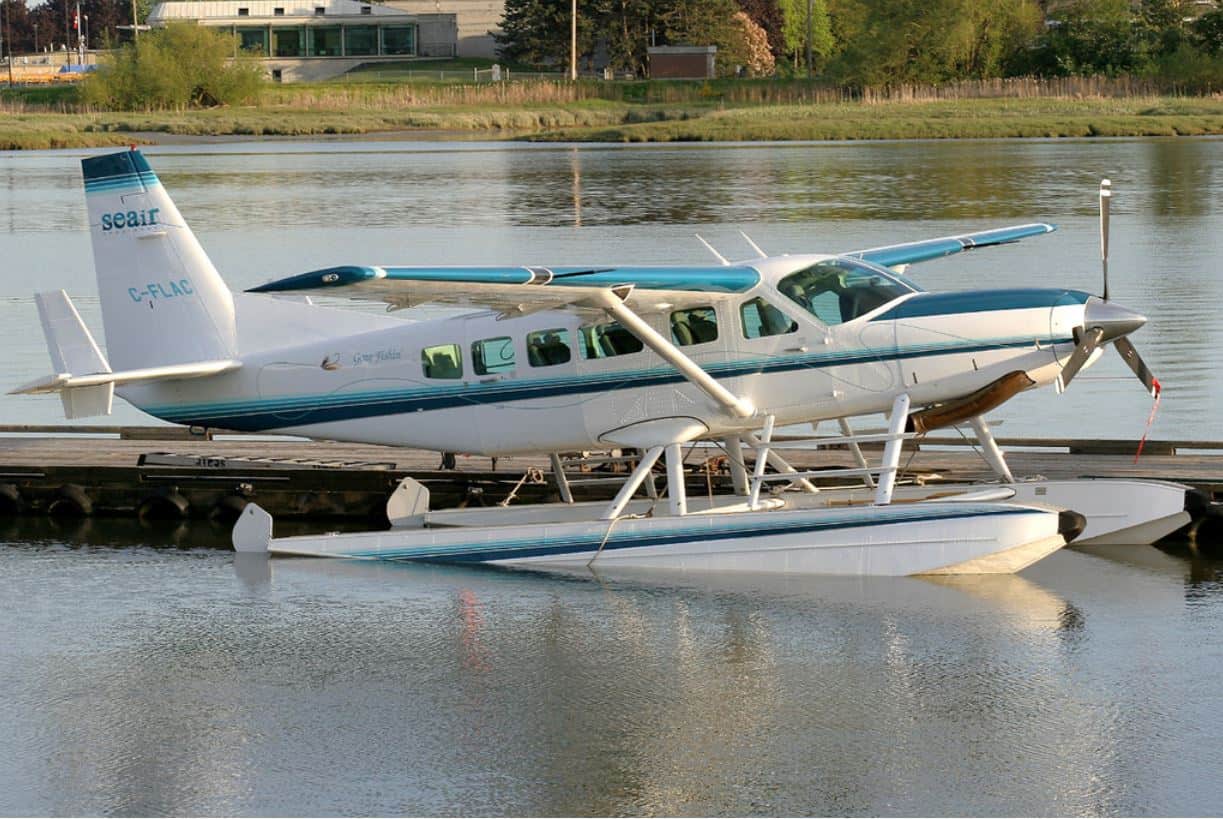
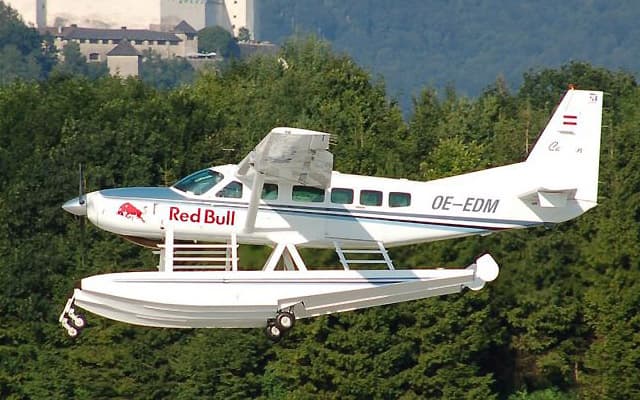


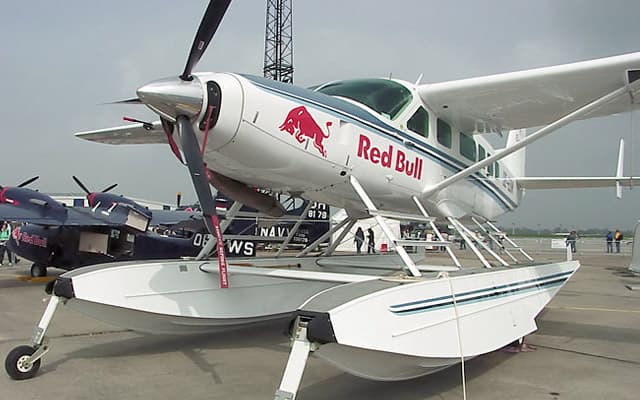
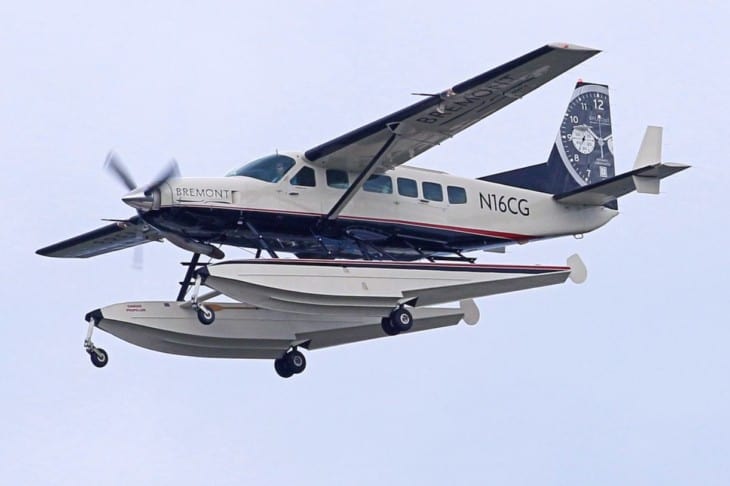
The Cessna 208 Caravan first flew in 1982 as a rugged single-engine turboprop utility aircraft. Amphibious variants equipped with floats and retractable landing gear soon followed, allowing operations from lakes, rivers, and conventional runways. The design retained the Caravan’s high-wing configuration and fixed landing gear geometry integrated into float structures.
Powered by a Pratt & Whitney Canada PT6A turboprop engine producing approximately 675 shaft horsepower depending on variant, the Caravan Amphibian cruises at around 170 knots (315 km/h). Maximum takeoff weight is roughly 8,750 pounds (3,970 kg). It can carry up to nine passengers depending on configuration.
The amphibious Caravan has proven valuable in remote regions where infrastructure is limited. Operators use it for passenger transport, cargo delivery, and tourism services. Its blend of water and runway capability has made it one of the most successful modern amphibious utility aircraft.
Sources and references used for research and fact-checking.