Amphibious
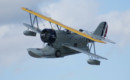
Grumman J2F Duck
ICAO: J2F
The amphibious aircraft built for long-range search and rescue
The latest aviation news and stories sent to your inbox.
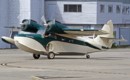
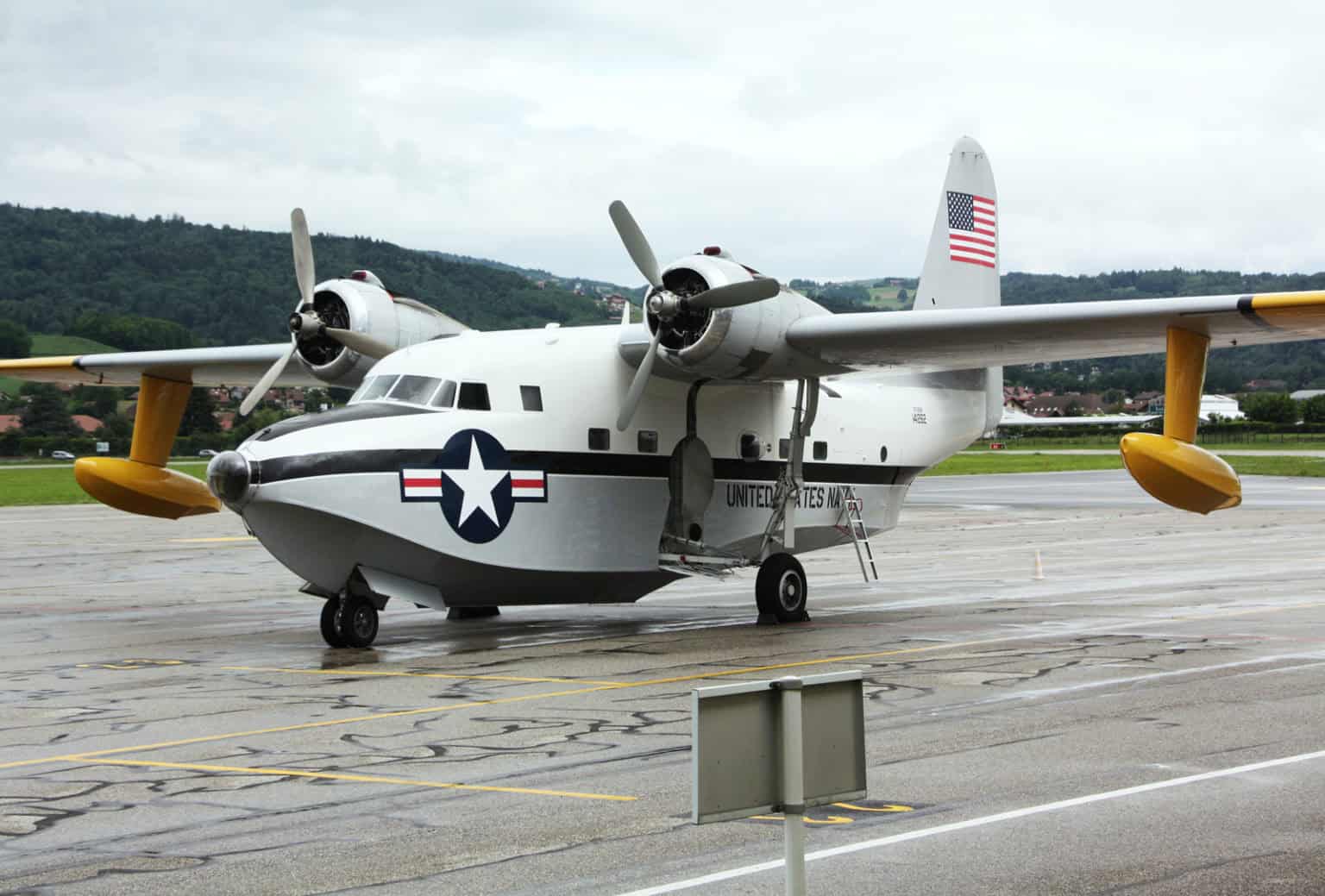
The Grumman HU-16 Albatross is a twin-engine amphibious aircraft developed for maritime patrol and rescue missions. Designed to operate from both land and water, it served extensively with U.S. and international forces. The aircraft became synonymous with Cold War air-sea rescue operations.
Live Fleet Activity (U16)
Fetching live data…

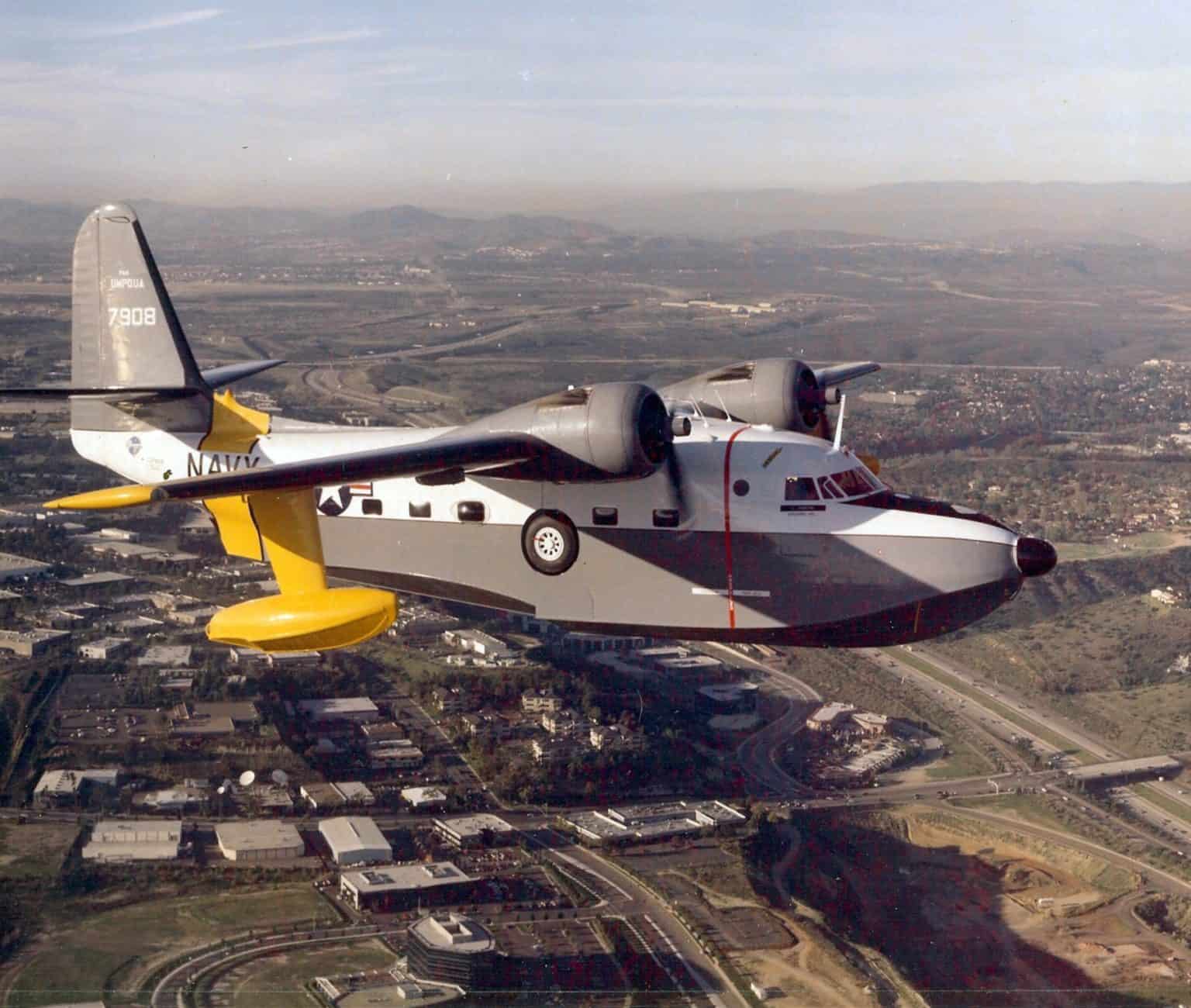
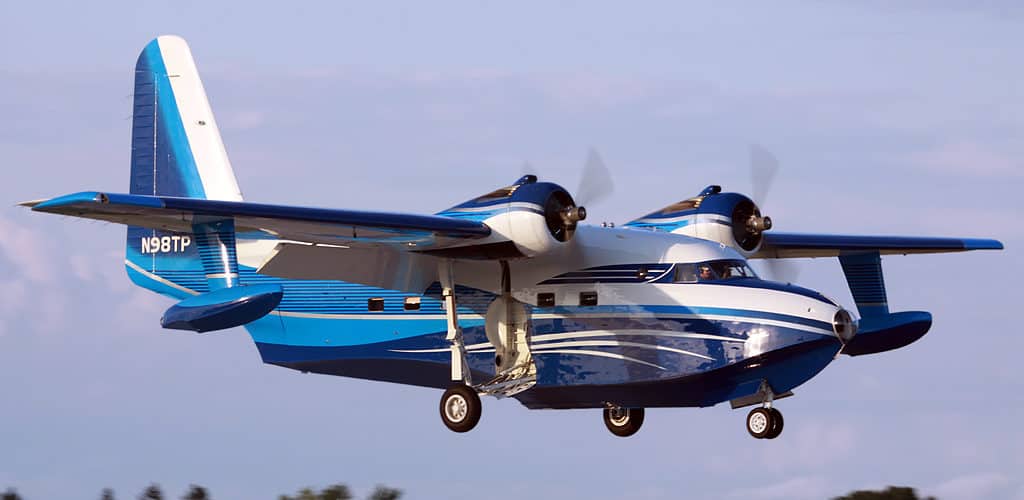


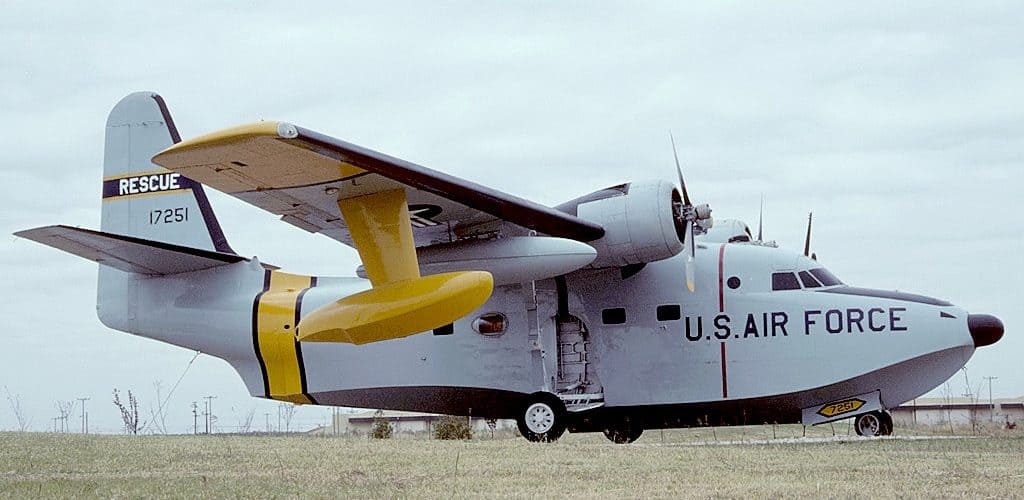
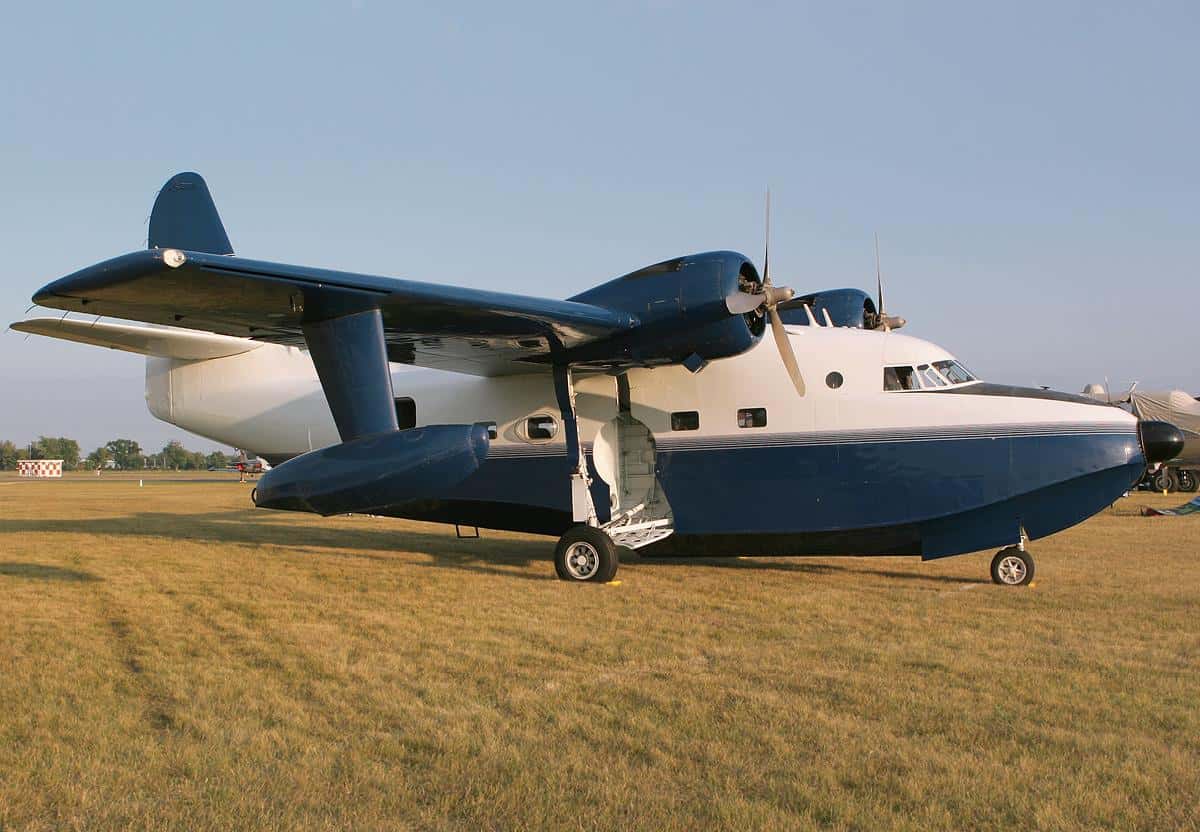
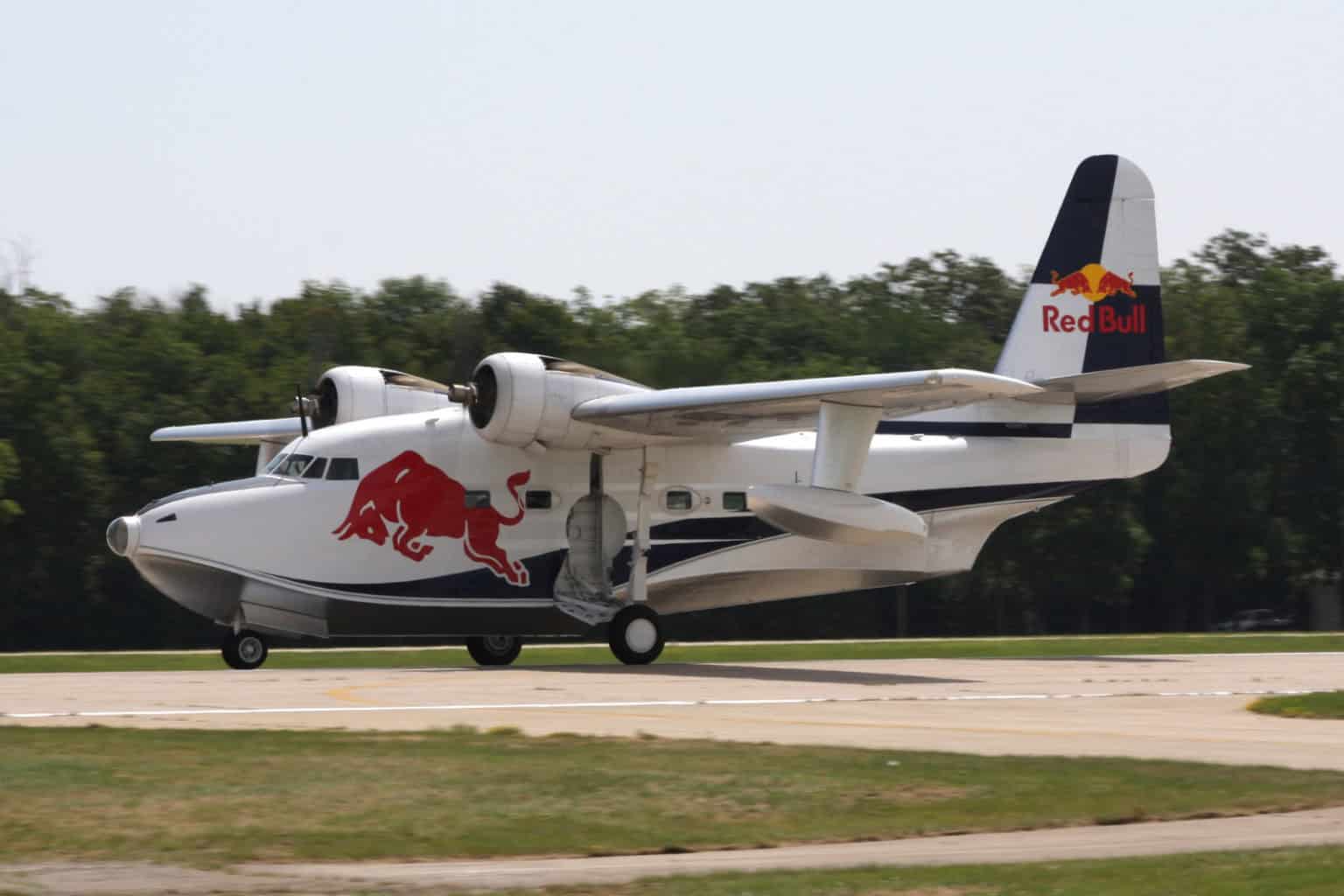
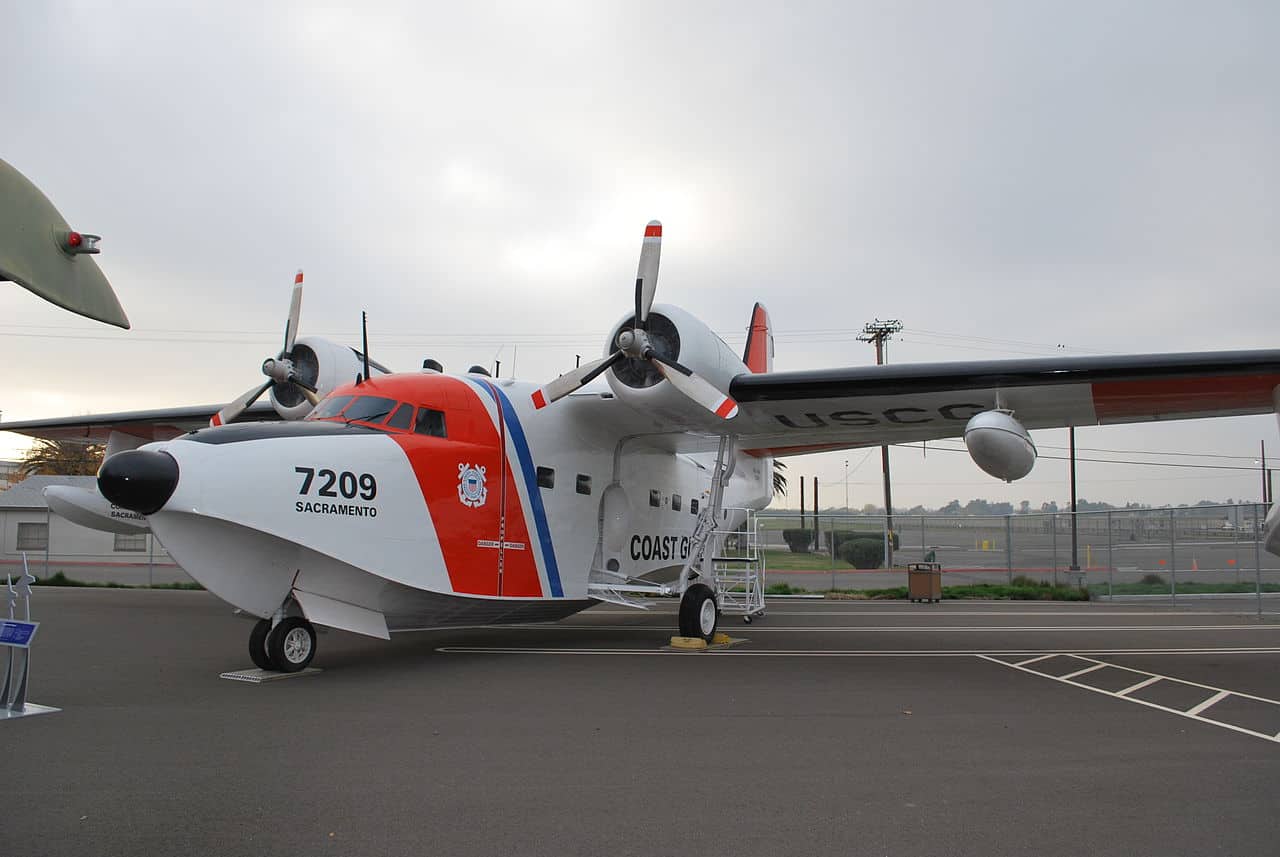
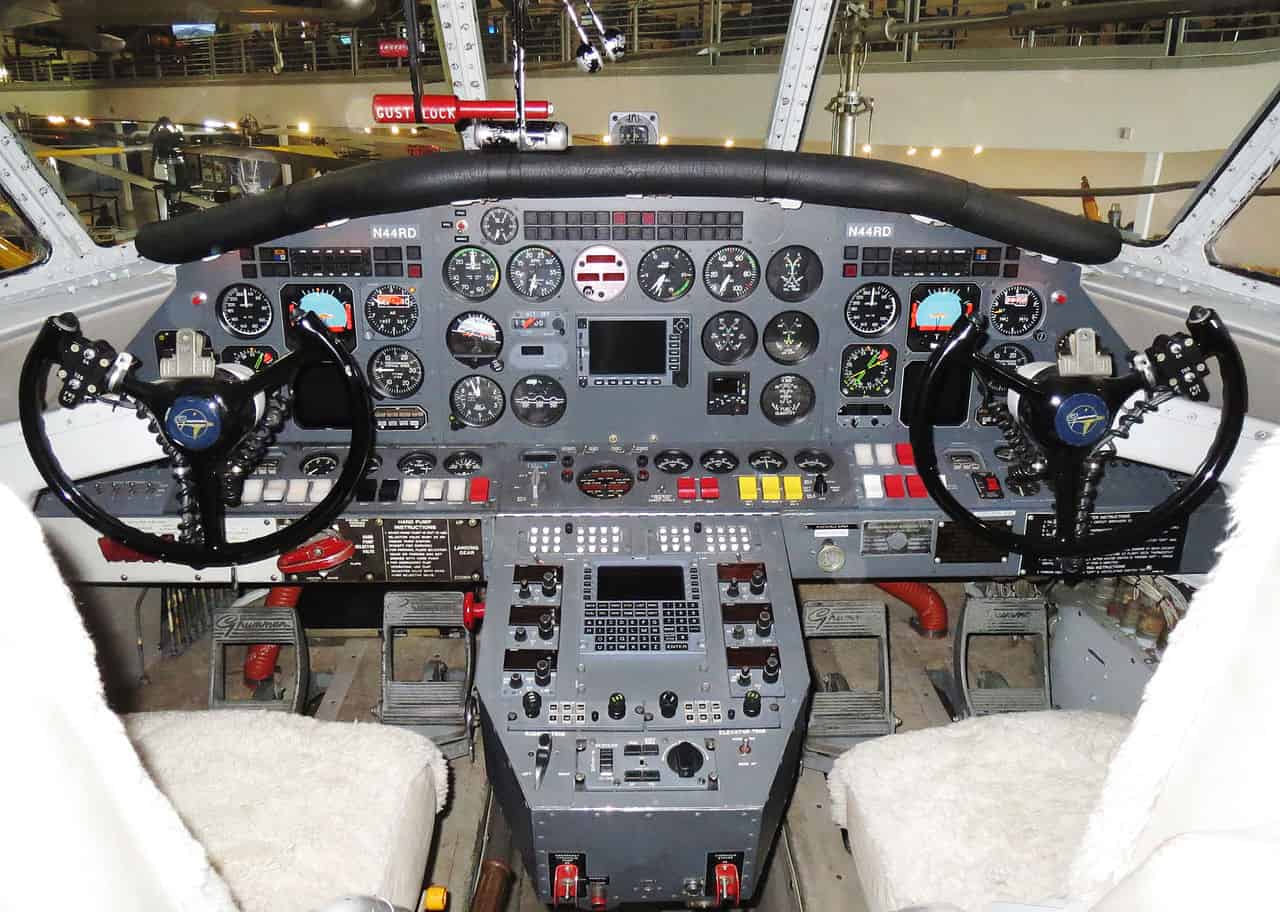
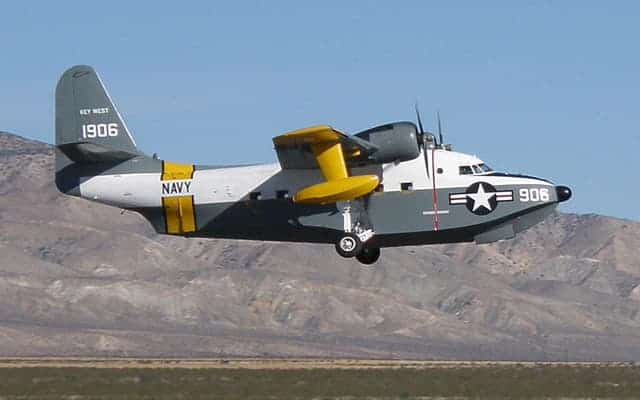
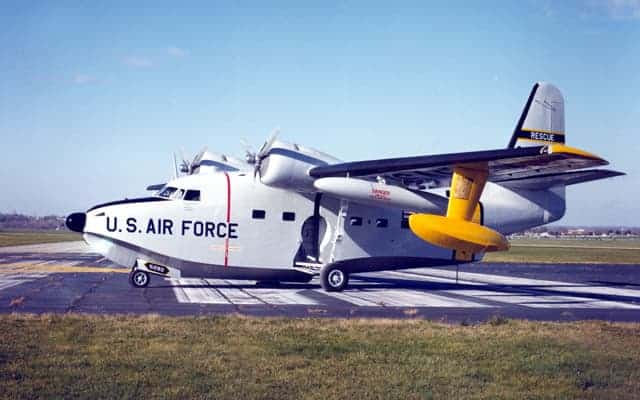

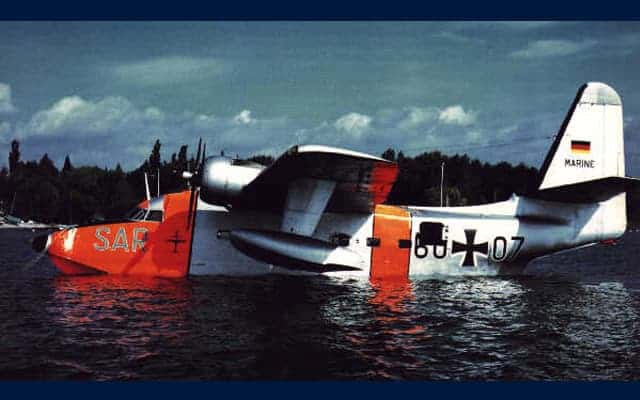
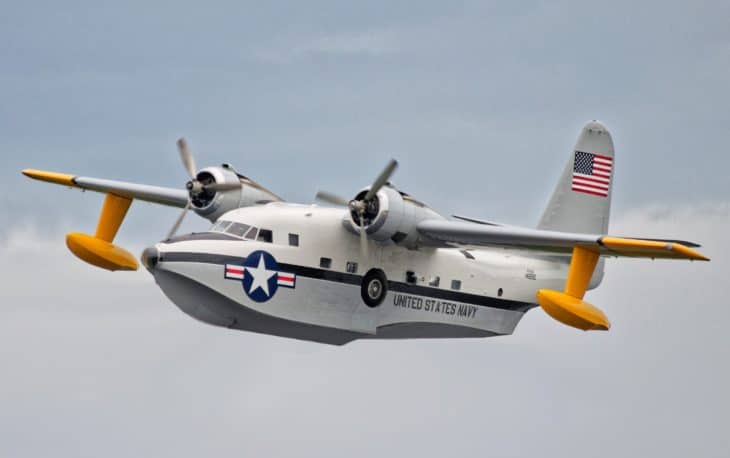
The Albatross first flew in 1947 as a development of earlier Grumman amphibious designs. Entering service in the early 1950s, it was adopted by the U.S. Air Force, Navy, and Coast Guard. The aircraft featured a high wing, boat-shaped hull, and retractable landing gear to enable amphibious capability.
Powered by two Wright R-1820 radial engines producing approximately 1,425 horsepower each, the HU-16 cruised at around 160 knots (300 km/h). Maximum takeoff weight was roughly 37,500 pounds (17,000 kg). Range could exceed 2,000 nautical miles (3,700 km) depending on configuration.
The Albatross conducted countless search and rescue missions over open ocean and remote regions. Its ability to land in rough water made it particularly valuable for downed aircrew recovery. Although retired from military service, many examples continue to fly in civilian and museum roles.