Amphibious
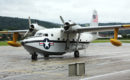
Grumman HU-16 Albatross
ICAO: U16
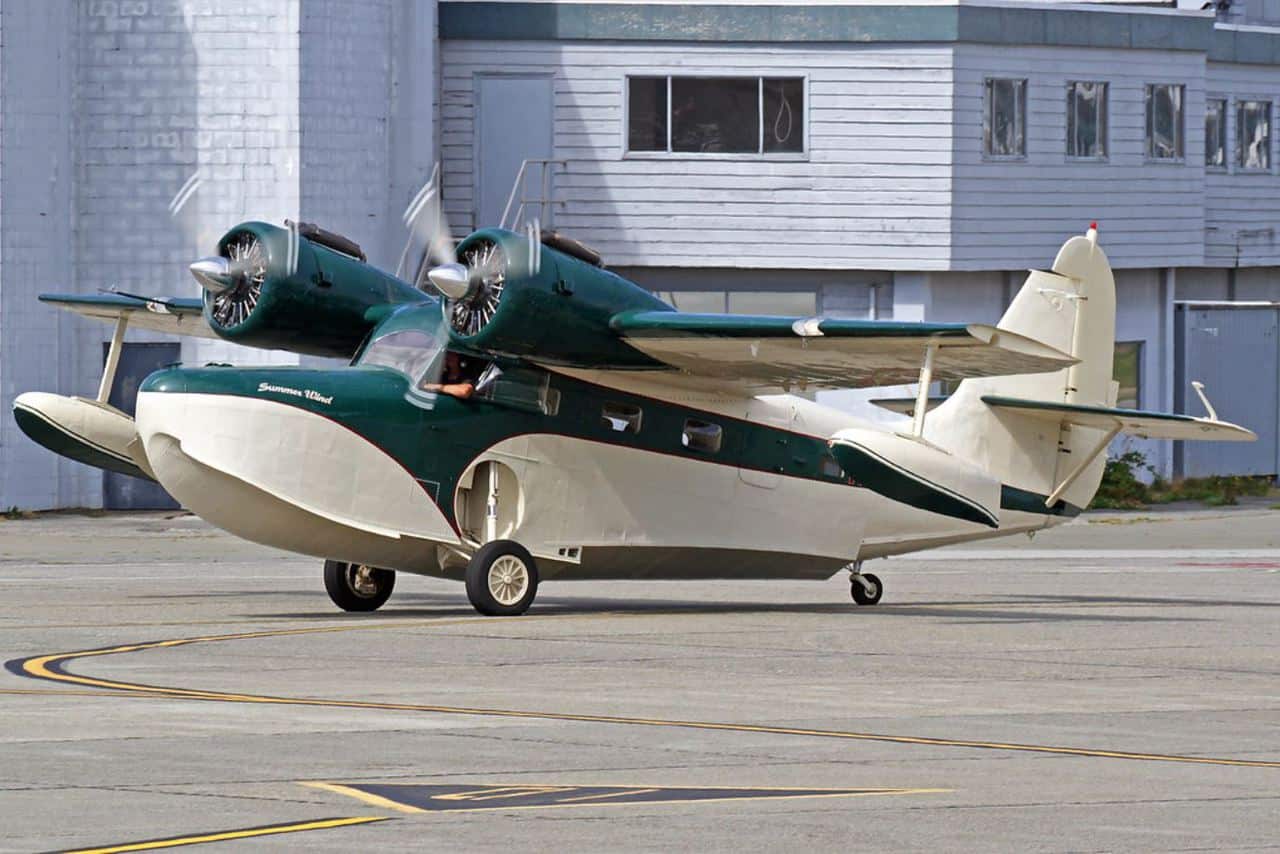
The Grumman G-21 Goose was introduced in the 1930s as an amphibious transport aircraft. Designed for corporate and utility roles, it combined land and water capability. The aircraft saw both civil and military service.
The latest aviation news and stories sent to your inbox.
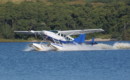
Grumman G-21 Goose — twin-engine amphibious aircraftThe Goose first flew in 1937 and entered service shortly thereafter. It featured a high-wing configuration and retractable landing gear integrated into its hull. The aircraft was well suited to coastal and island operations.Two radial piston engines producing approximately 450 horsepower each powered the Goose. Cruise speed approached 190 knots (352 km/h). Maximum takeoff weight exceeded 8,000 pounds (3,629 kg).The G-21 served in military and civilian roles around the world. Its amphibious design made it adaptable to remote environments. The Goose remains a classic example of prewar utility aircraft engineering.
Live Fleet Activity (G21)
Fetching live data…


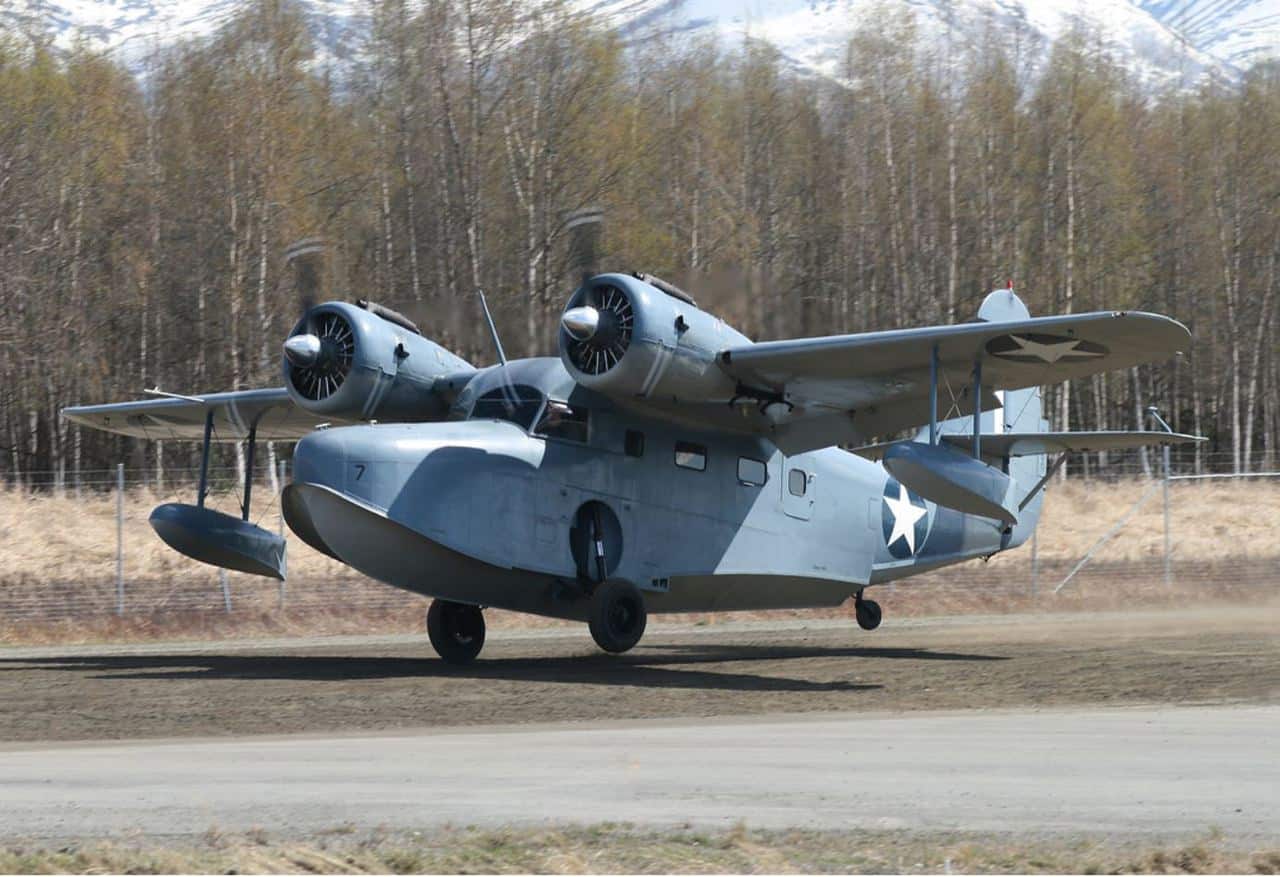
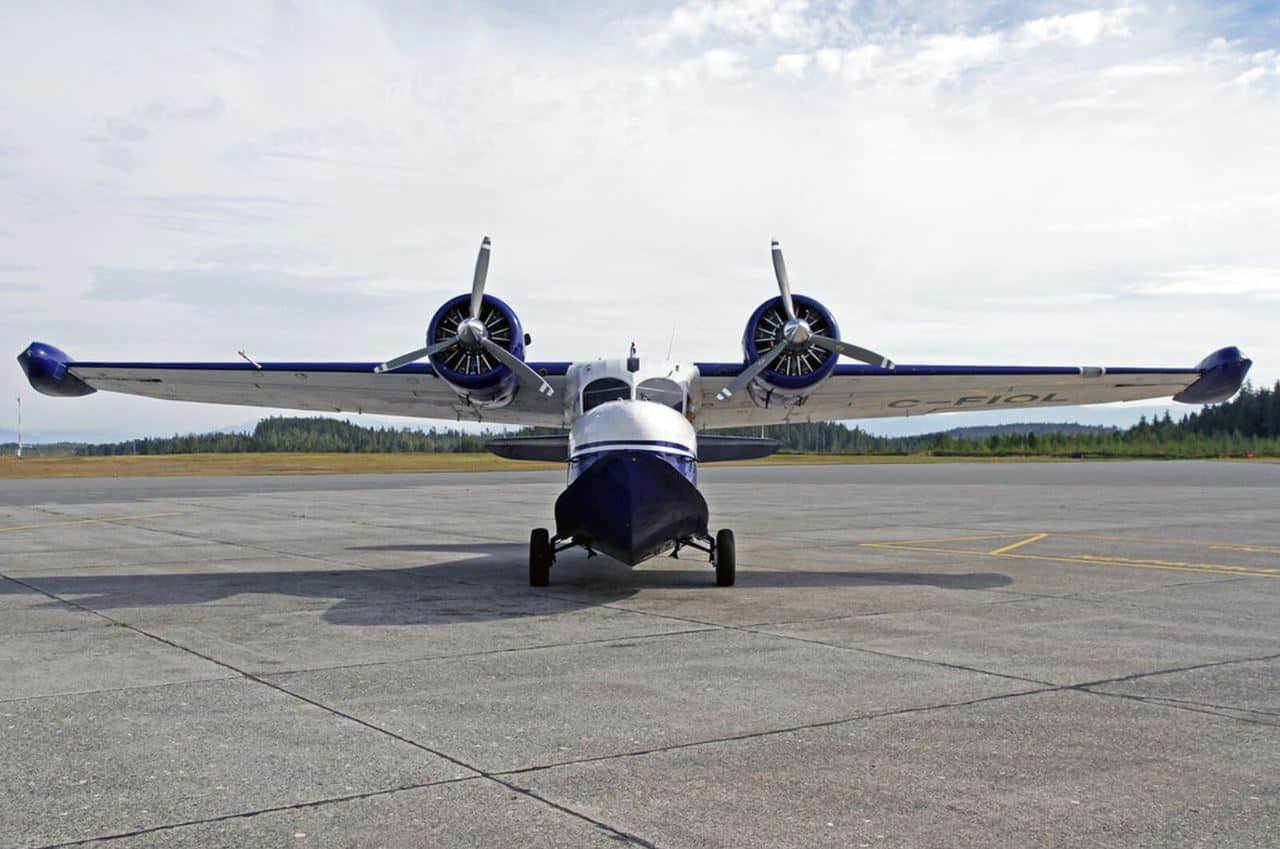
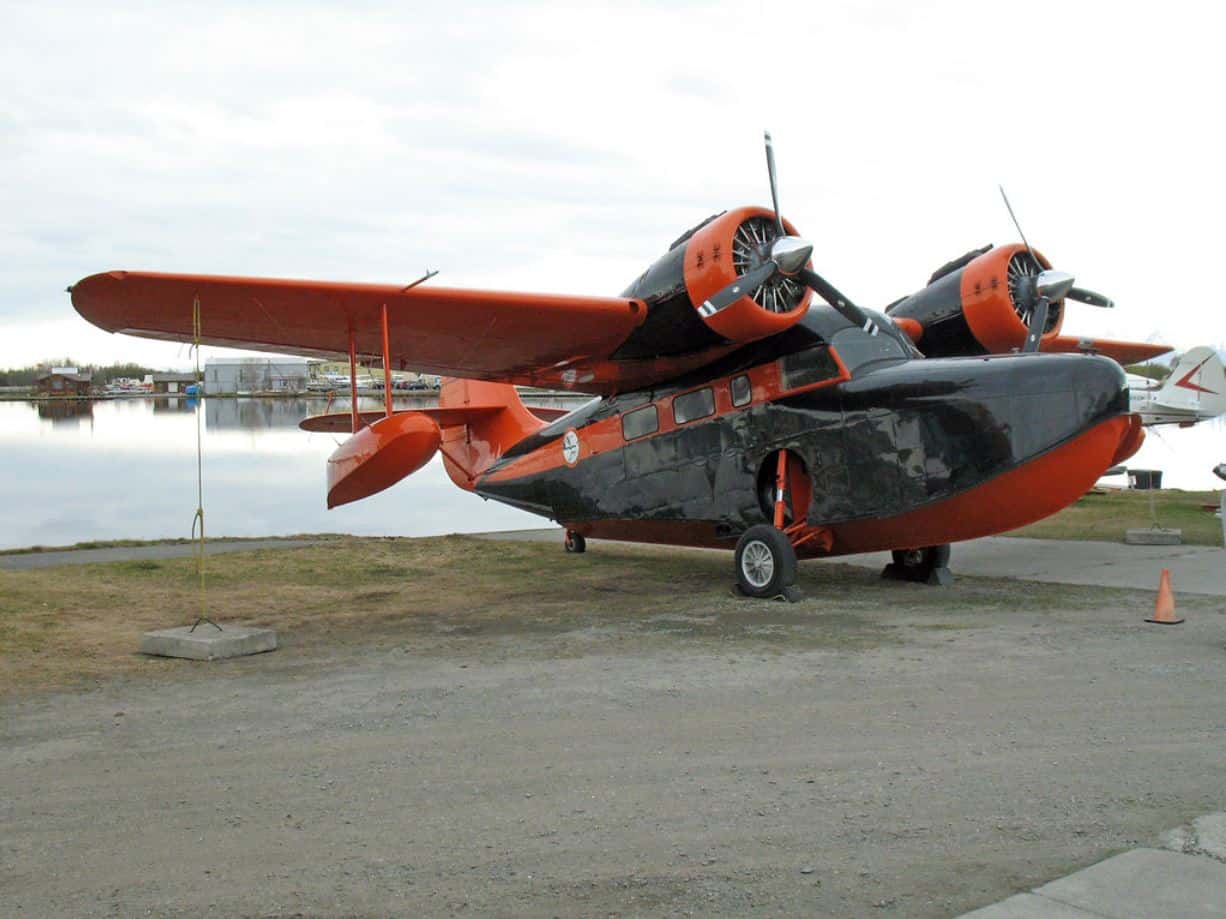
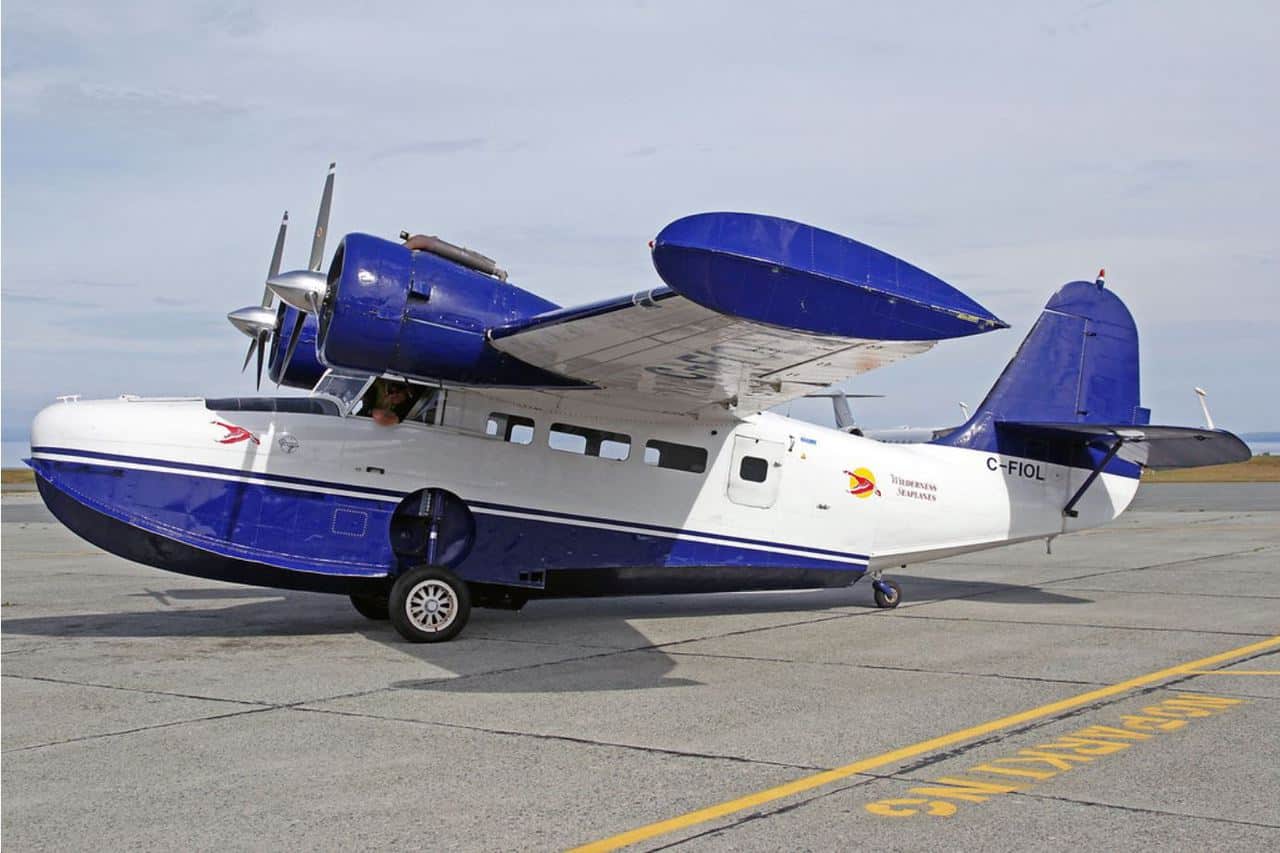


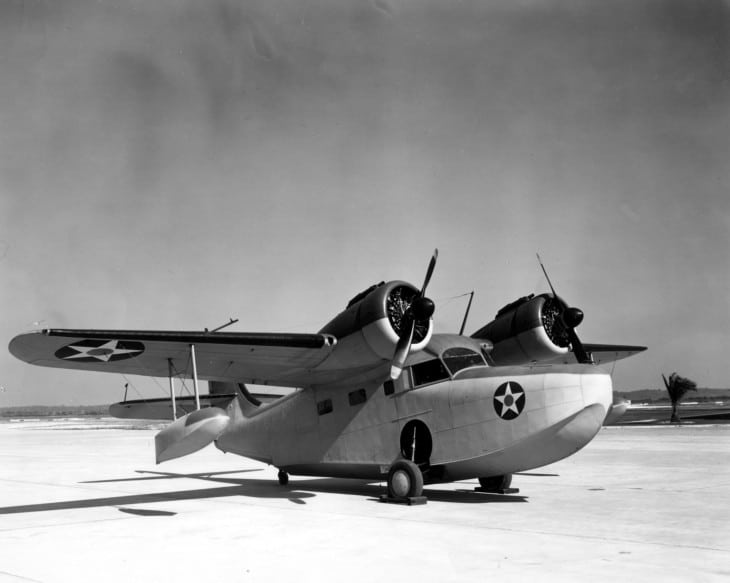
The G-21 Goose was developed by Grumman as a response to the need of a group of wealthy residents in Long Islands for an aircraft that could travel to New York City. The G-21 was a light amphibious transport with high wings and mostly constructed out of metal structures. On May 29, 1937, the prototype conducted its maiden flight.
The JRF-5 was a major production variant with a total number of 184 aircraft built. It could carry up to three crew members and has a five to seven capacity. It has an external length of 11.73 meters, an external height of 3.1 meters, and a fuselage diameter of 1.45 meters. The tail height is 4.93 meters and the wheelbase is 4.3 meters. It has a wingspan of 14.94 meters and a wing area of 34.8 square meters. The empty weight is 2,461 kg, the gross weight is 1,649 kg, and the maximum takeoff weight is 3,629 kg. It has a maximum payload of 1,170 kg and a fuel tank capacity of 220 US gal.
The aircraft is powered by two Pratt and Whitney R-985-AN-6 Wasp Junior engines. It is a nine-cylinder supercharged air-cooled radial piston engine with two overhead pushrod-actuated valves per cylinder, a single-speed gear-driven General Electric centrifugal supercharger with an impeller driven at ten times crankshaft speed, and a direct drive reduction gear. Each engine produces a maximum takeoff thrust of 450 hp and drives three-bladed variable-pitch propellers.
The Goose has a maximum speed of 175 knots at 5,000 feet and a cruise speed of 166 knots at 5,000 feet. The travel range is 560 nautical miles. It can fly up to 21,300 feet and can climb at a rate of 1,100 feet per minute. The aircraft is loaded with two 325 lbs depth charges or two 250 lbs GP bombs.
Sources and references used for research and fact-checking.