Military Aircraft
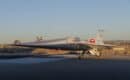
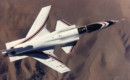
Grumman X-29 Switch Blade
ICAO: X29
The electronic warfare aircraft built to suppress enemy radar defenses.
The latest aviation news and stories sent to your inbox.
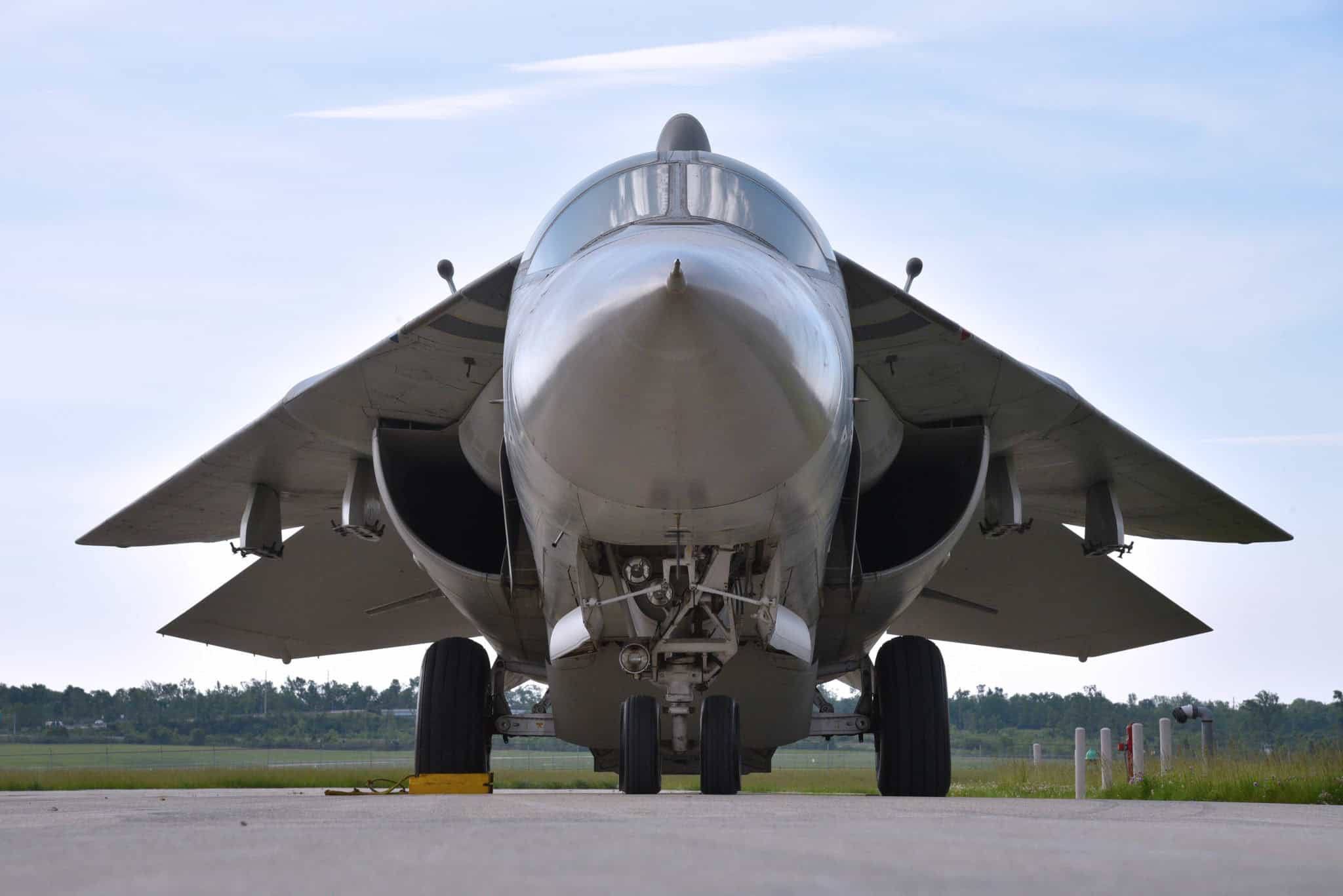
The Grumman EF-111A Raven was a specialized electronic warfare aircraft developed from the F-111 platform. Designed to jam and disrupt enemy radar systems, it played a critical role in strike packages. The aircraft served the U.S. Air Force for over two decades.
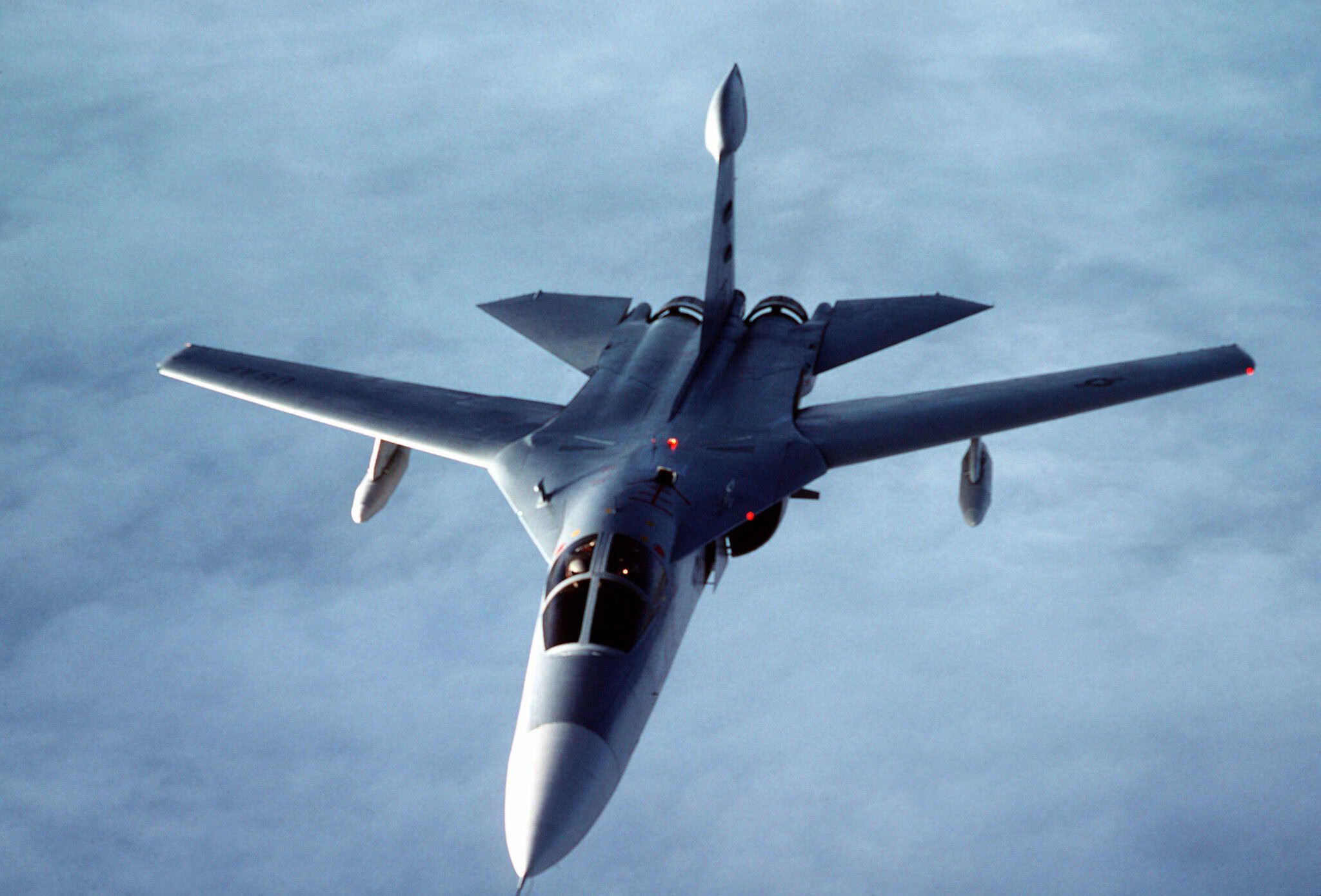
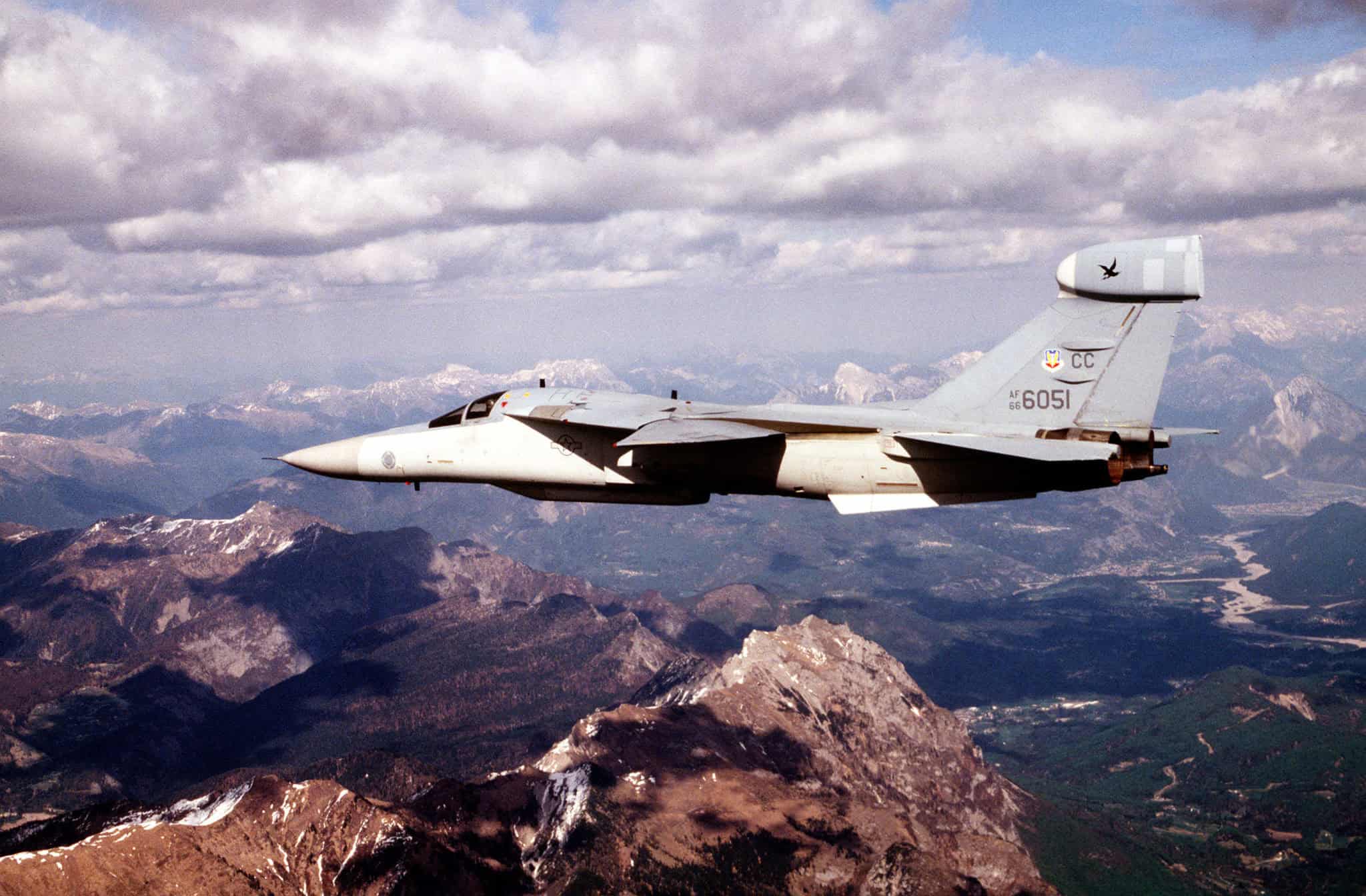
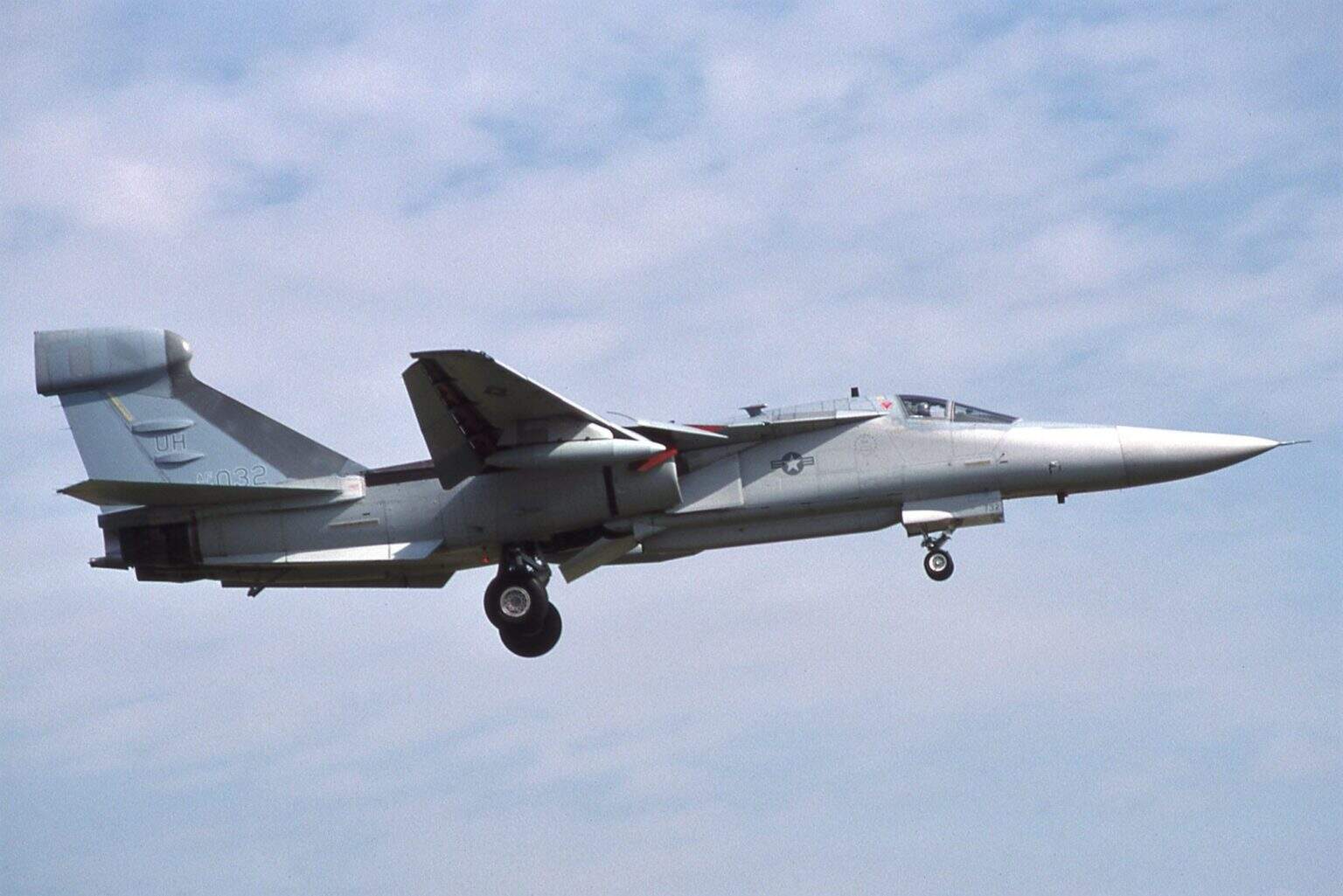

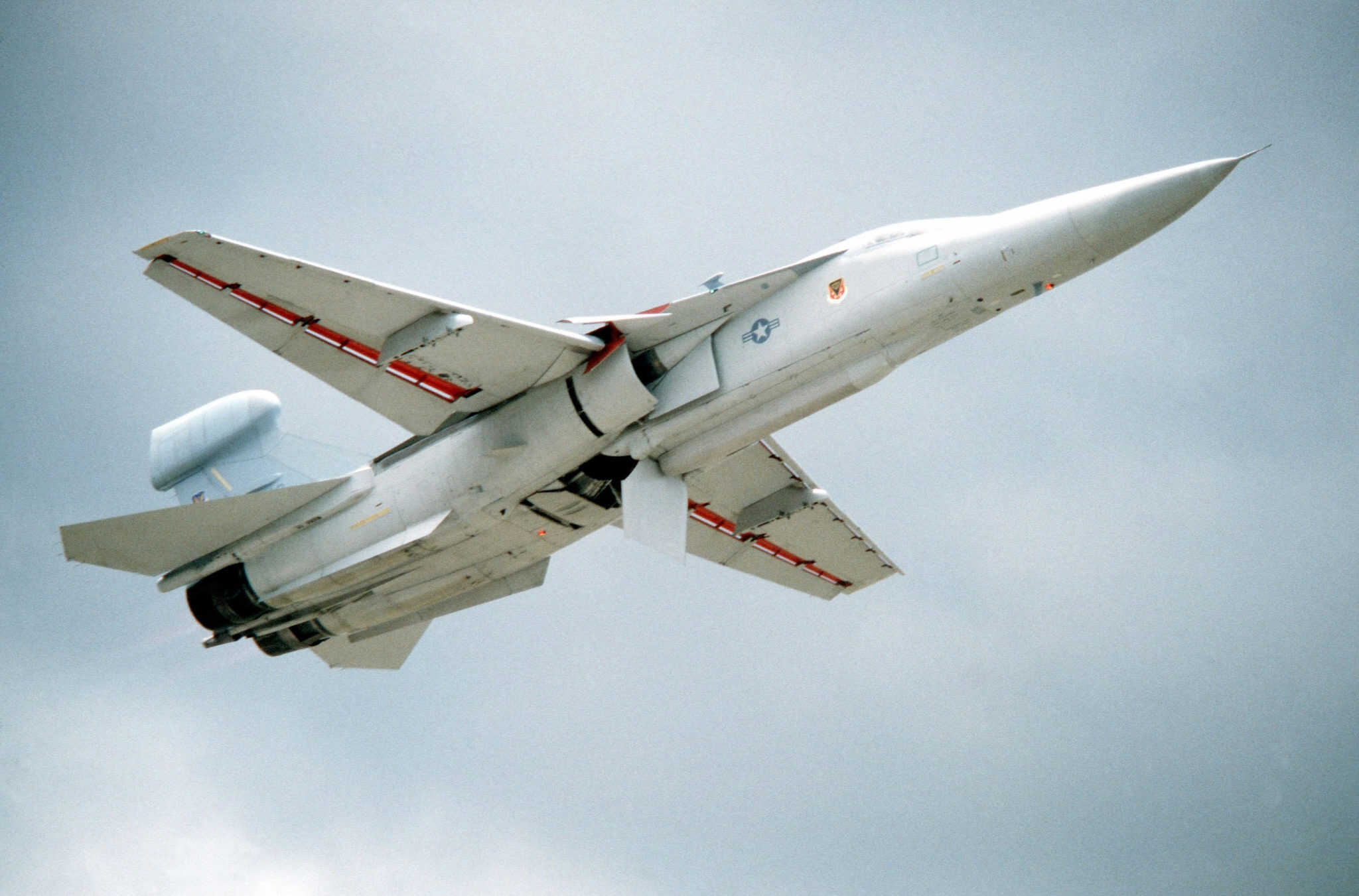

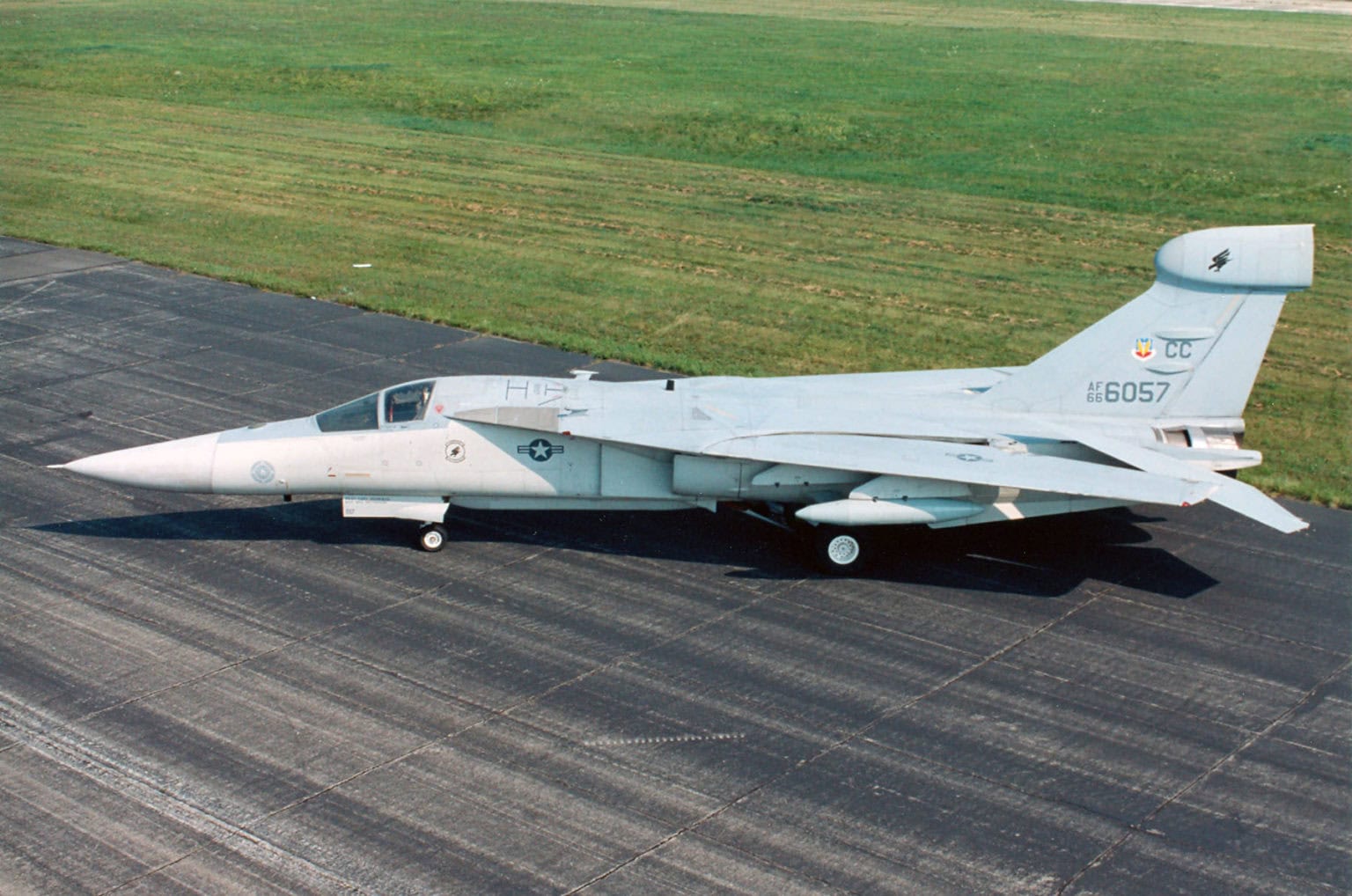

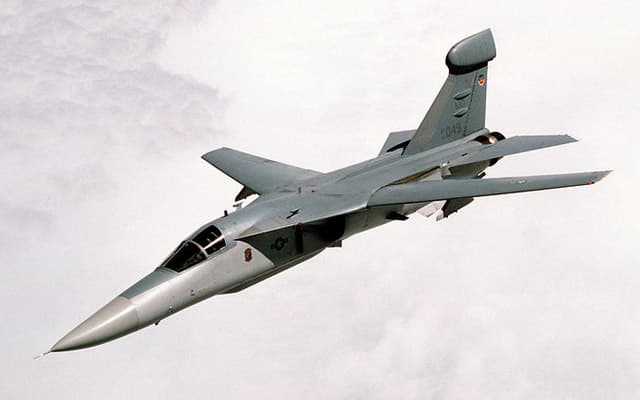
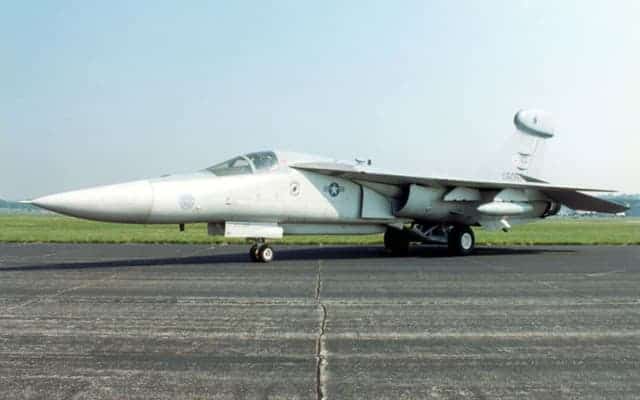
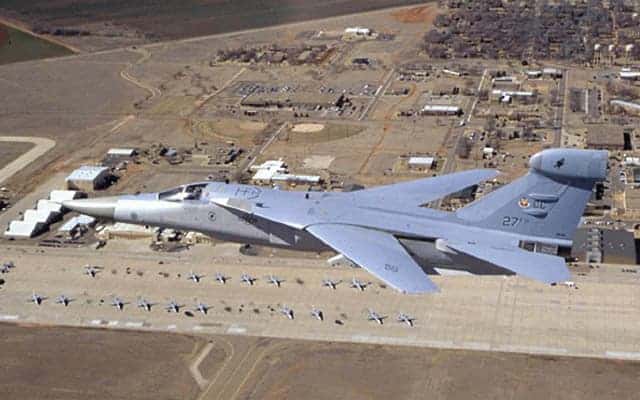

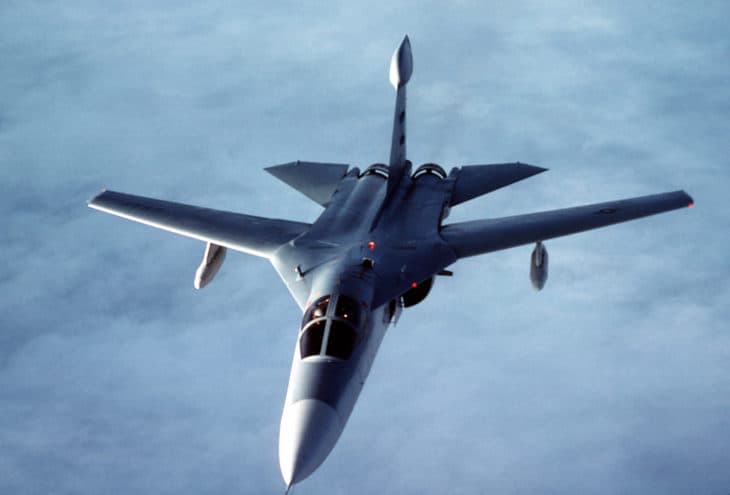
The EF-111A was introduced in the late 1970s as a replacement for earlier electronic warfare aircraft. Based on the F-111 airframe, it retained the variable-sweep wing and twin-engine configuration. The first operational aircraft entered service in 1983.
Powered by two Pratt & Whitney TF30 turbofan engines producing approximately 25,000 pounds of thrust (111 kN) each with afterburner, the EF-111A could exceed Mach 2. Maximum takeoff weight was roughly 88,000 pounds (39,920 kg). Instead of offensive weapons, it carried advanced electronic jamming systems.
The Raven saw operational use in conflicts including the Gulf War. Its ability to suppress enemy air defenses enhanced the survivability of strike aircraft. The type was retired in the late 1990s following the introduction of newer electronic warfare platforms.
Sources and references used for research and fact-checking.