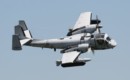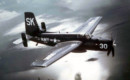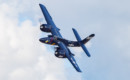
Military Propellor Planes
Grumman F7F Tigercat
ICAO: F7F
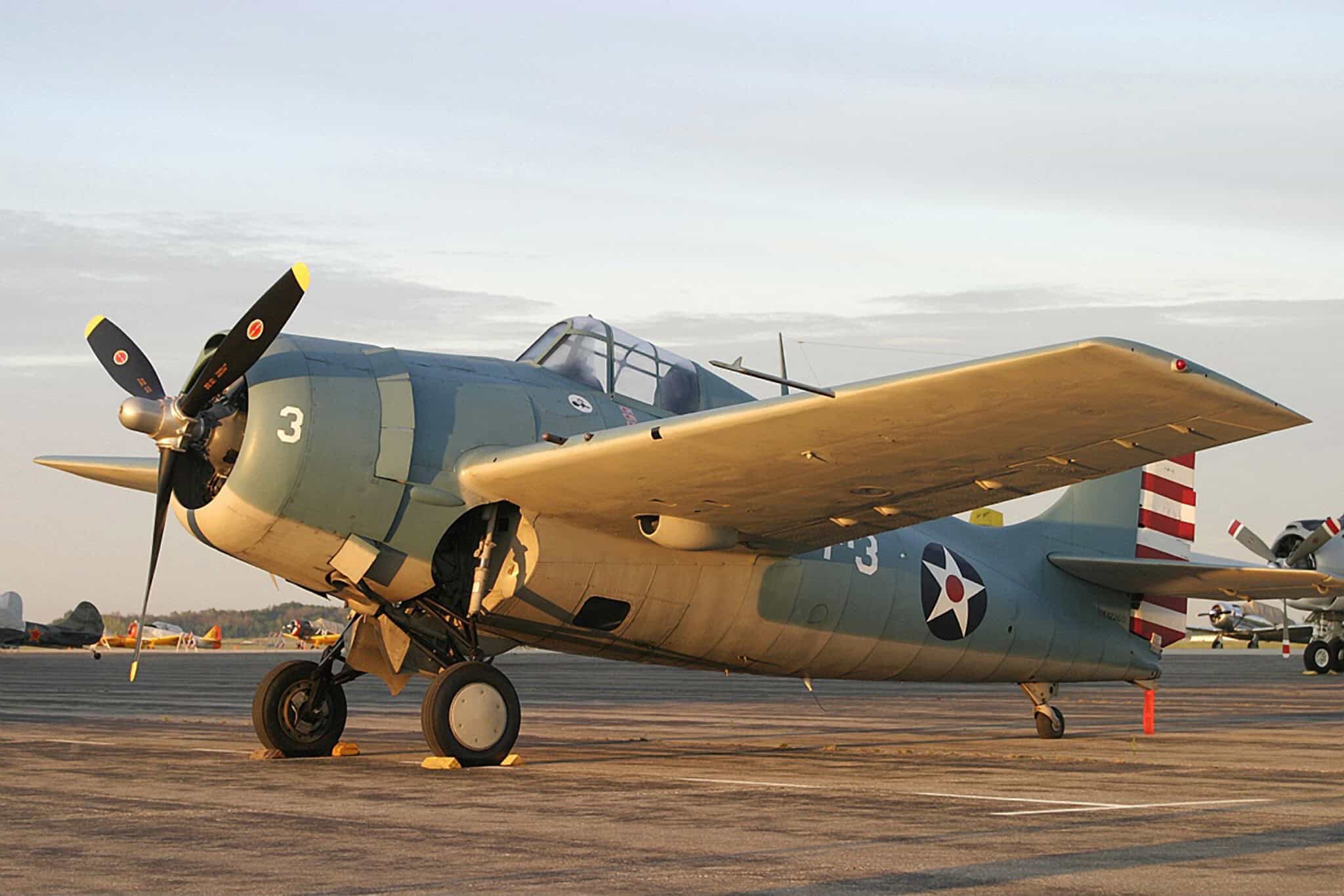
The Grumman F4F Wildcat entered service in the late 1930s as a carrier-based fighter. Although later replaced by more advanced types, it proved durable and reliable in early Pacific combat. The aircraft became a symbol of U.S. naval resilience.
The latest aviation news and stories sent to your inbox.
Grumman F4F Wildcat — carrier-based fighter aircraftThe F4F first flew in 1937 and entered service in 1939. It featured retractable landing gear and folding wings for carrier storage. The aircraft was designed for naval operations and rugged handling.A Pratt & Whitney radial engine producing approximately 1,200 horsepower powered the Wildcat. Maximum speed approached 275 knots (509 km/h). Maximum takeoff weight exceeded 7,900 pounds (3,583 kg).The Wildcat fought extensively during the early Pacific campaigns. Its durability and pilot tactics offset performance disadvantages. The aircraft remains an important part of naval aviation history.
Live Fleet Activity (F4F)
Fetching live data…
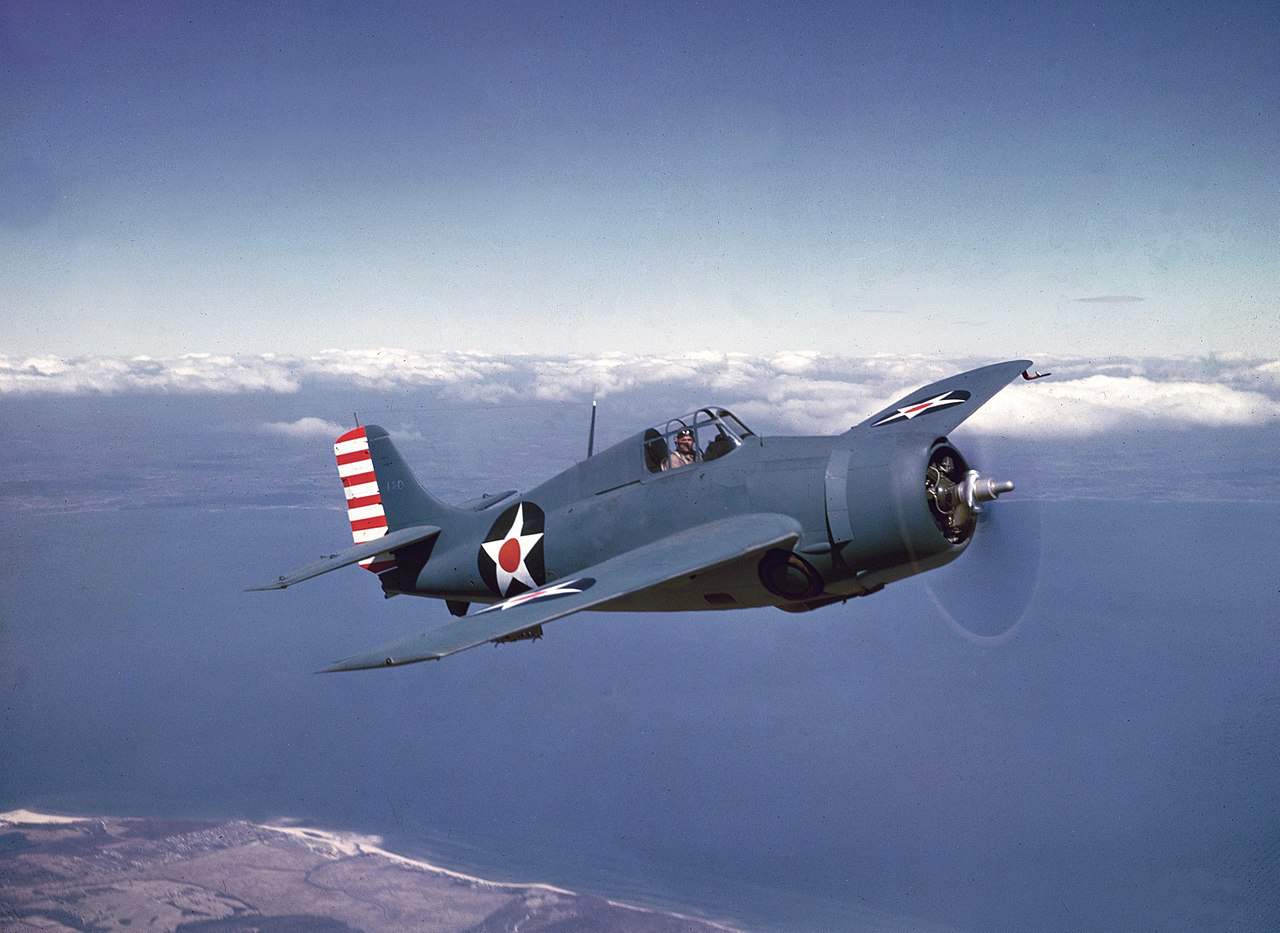
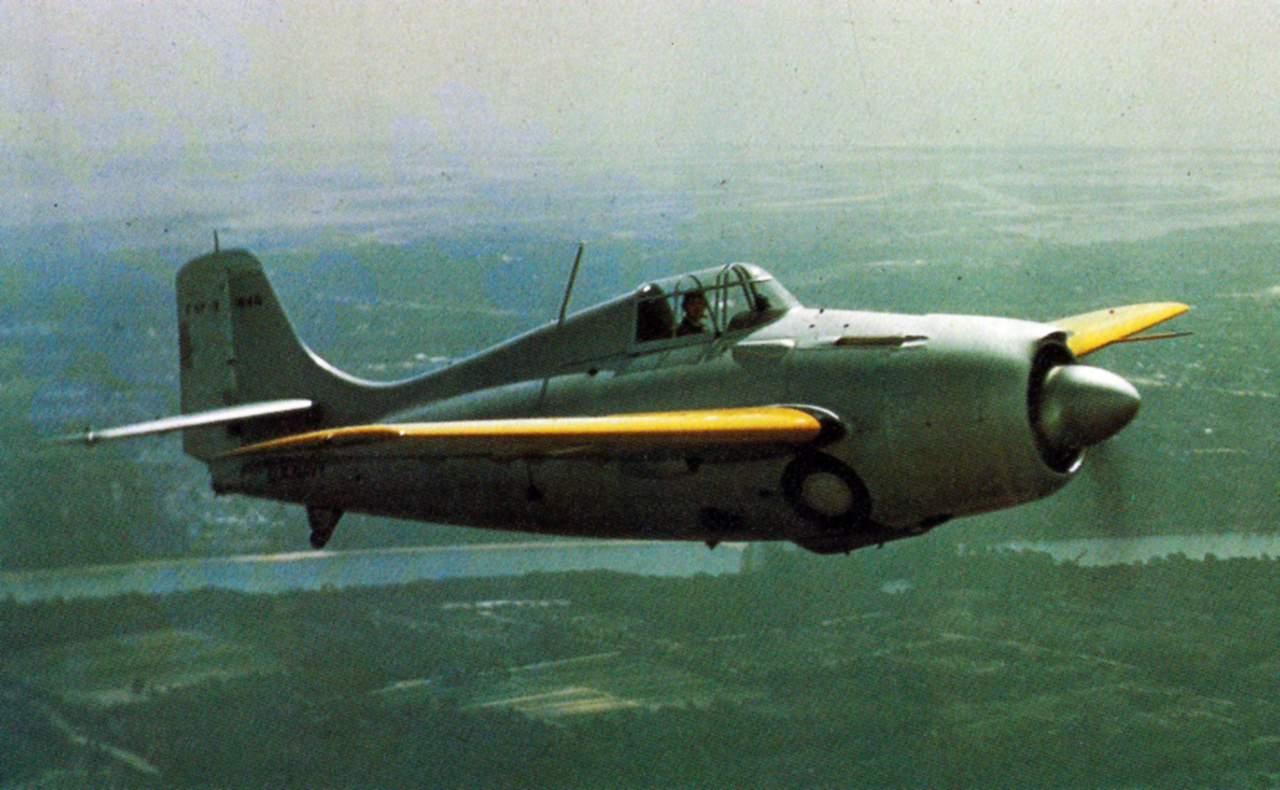


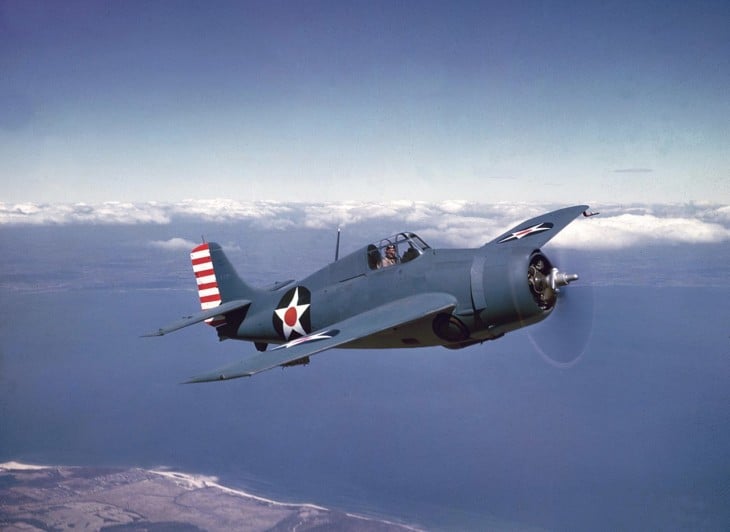
The F4F Wildcat was developed from the F2F and F3F biplane fighter aircraft of Grumman. The new F4F fighter incorporated the general fuselage structures of its predecessors. In 1940, the F4F entered service with the United States Navy. It also served the British Royal Navy where it was known as the Martlet. It was initially operated in the North Atlantic by the Royal Navy and was the sole efficient fighter aircraft available to the United States Navy and the United States Marine Corps in the first part of World War II.
The F4F Wildcat is a single-seat carrier-based fighter with an external length of 8.76 meters, an external height of 3.2 meters, and a fuselage diameter of 1.4 meters. It has a wingspan of 11.58 meters and a wing area of 24 square meters. The tail height is 3.61 meters and the wheelbase is 5.45 meters. It has an empty weight of 2,226 kg, a gross weight of 3,367 kg, a maximum payload of 500 kg, and a fuel tank capacity of 260 US gal. The maximum takeoff weight is 3,975 kg.
The aircraft is powered by a single Pratt and Whitney R-1830-76 engine. It is a fourteen-cylinder two-row supercharged air-cooled radial engine during the 1930s to 1940s. It has two overhead valves per cylinder, a single-speed General Electric centrifugal-type supercharger, a two-barrel Stromberg carburetor fuel system, an air-cooling system, and an epicyclic reduction gear.
The engine produces a maximum thrust of 1,200 hp and drives a three-bladed constant-speed propeller. The Wildcat has a maximum speed of 288 knots and a travel range of 734 nautical miles. It can fly up to 39,500 feet and can climb at a rate of 2,303 feet per minute. The takeoff distance is 195 meters.
The F4f Wildcat could be armed with four 12.7 mm AN/M2 Browning heavy machine guns with 450 rounds per gun and two 45.4 kg of bombs or two 58 US gal of drop tanks.
Sources and references used for research and fact-checking.