Military Propellor Planes
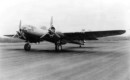
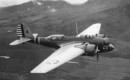
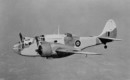
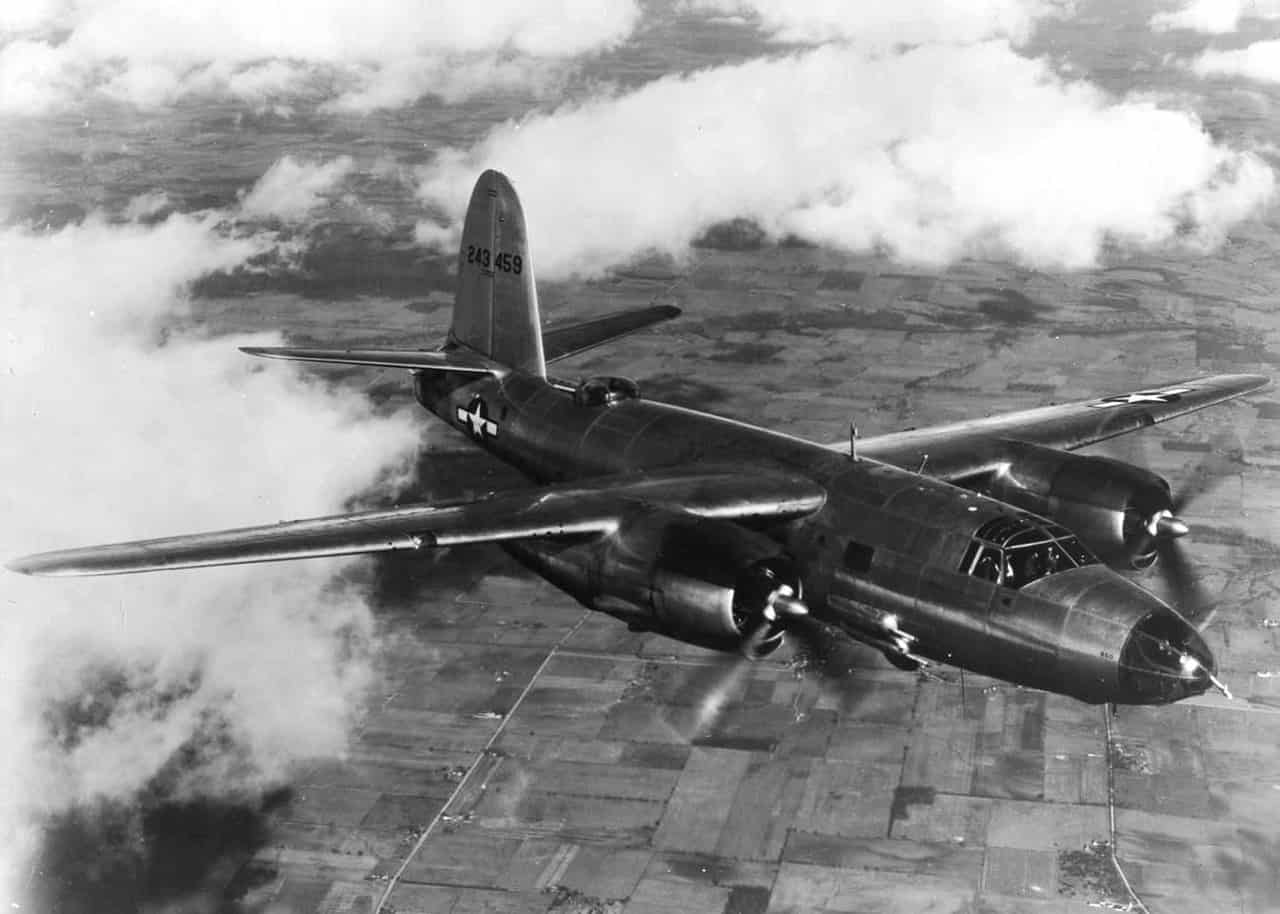
The Martin B-26 Marauder was a twin-engine medium bomber introduced during the early years of World War II. Designed for high-speed operations, it required careful handling but delivered strong performance. The aircraft became a key Allied bomber in Europe.
The latest aviation news and stories sent to your inbox.
Martin B-26 Marauder — twin-engine medium bomberThe B-26 first flew in 1940 and entered service in 1941. Its relatively small wing area and powerful engines gave it high landing speeds compared with other bombers. Early training accidents prompted refinements and pilot familiarization improvements.Two Pratt & Whitney R-2800 radial engines, each producing approximately 2,000 horsepower, powered the Marauder. Cruise speed exceeded 230 knots (426 km/h). Maximum takeoff weight surpassed 37,000 pounds (16,783 kg), allowing a substantial bomb load for its class.Once crews adapted to its handling characteristics, the B-26 proved highly effective. It achieved one of the lowest loss rates of Allied bombers in Europe. The Marauder remains an important chapter in U.S. wartime aviation history.
Live Fleet Activity (B-26)
Fetching live data…
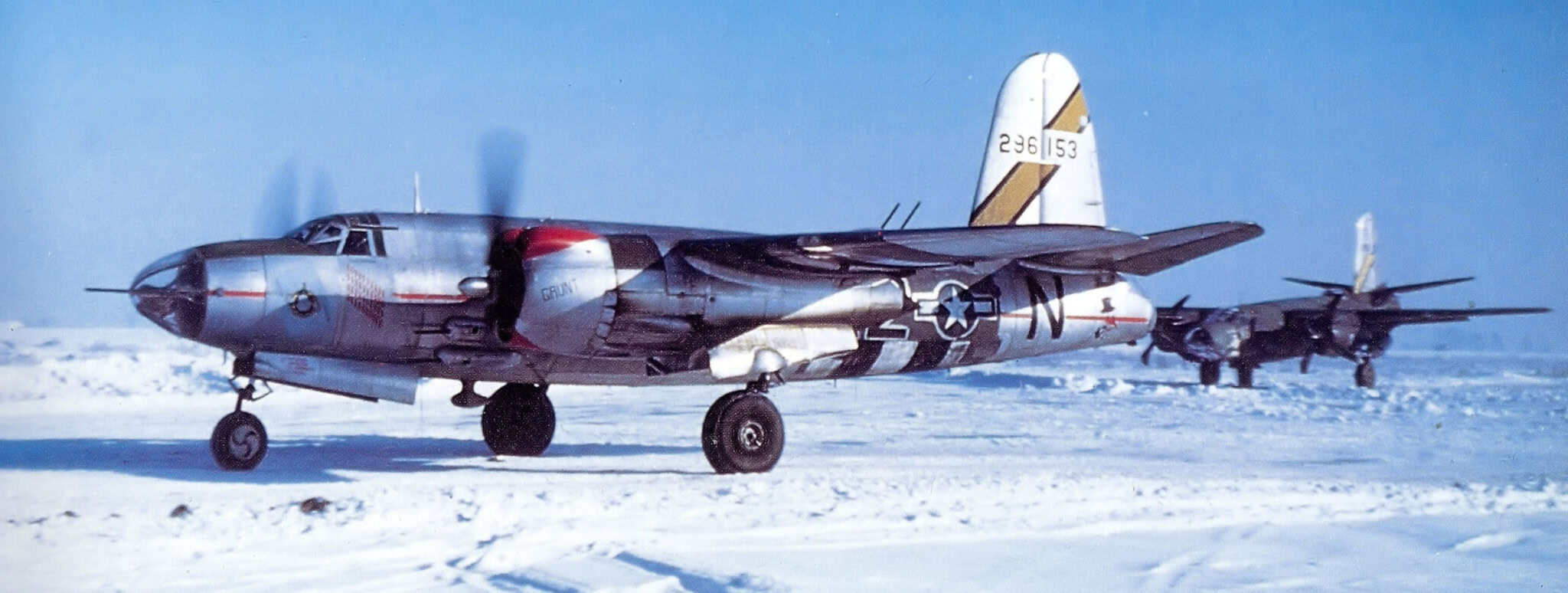

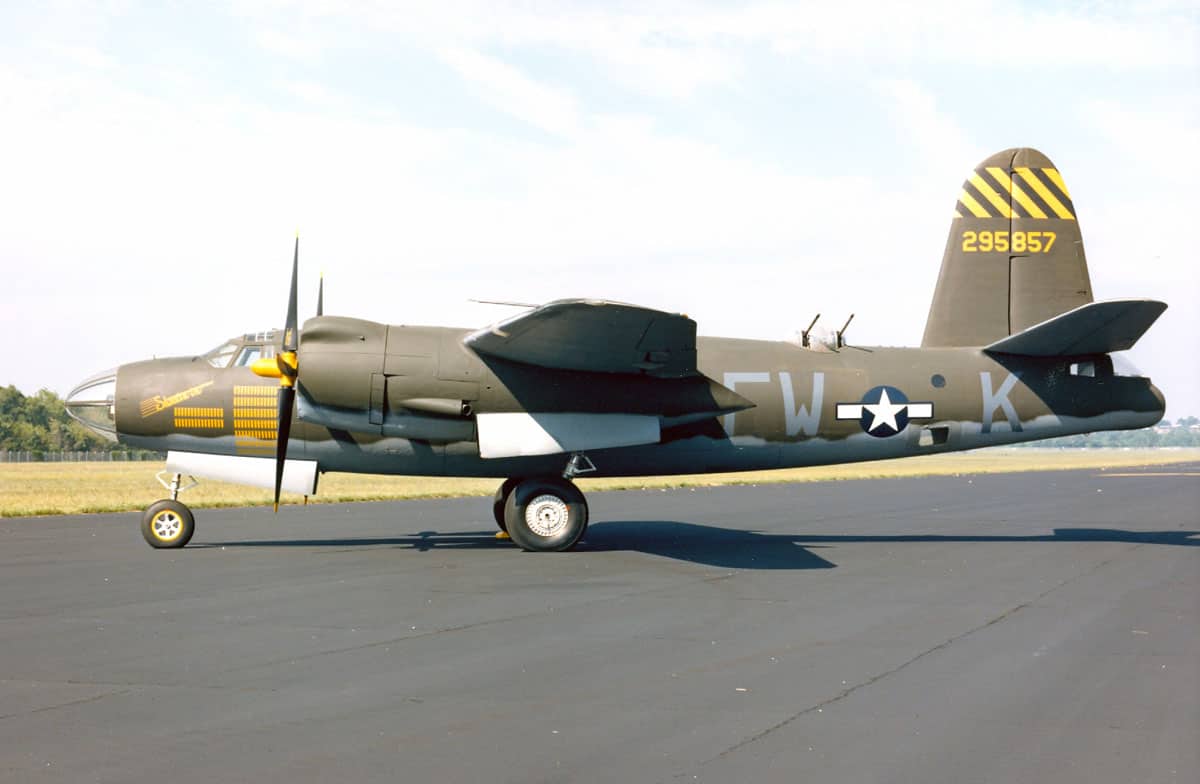


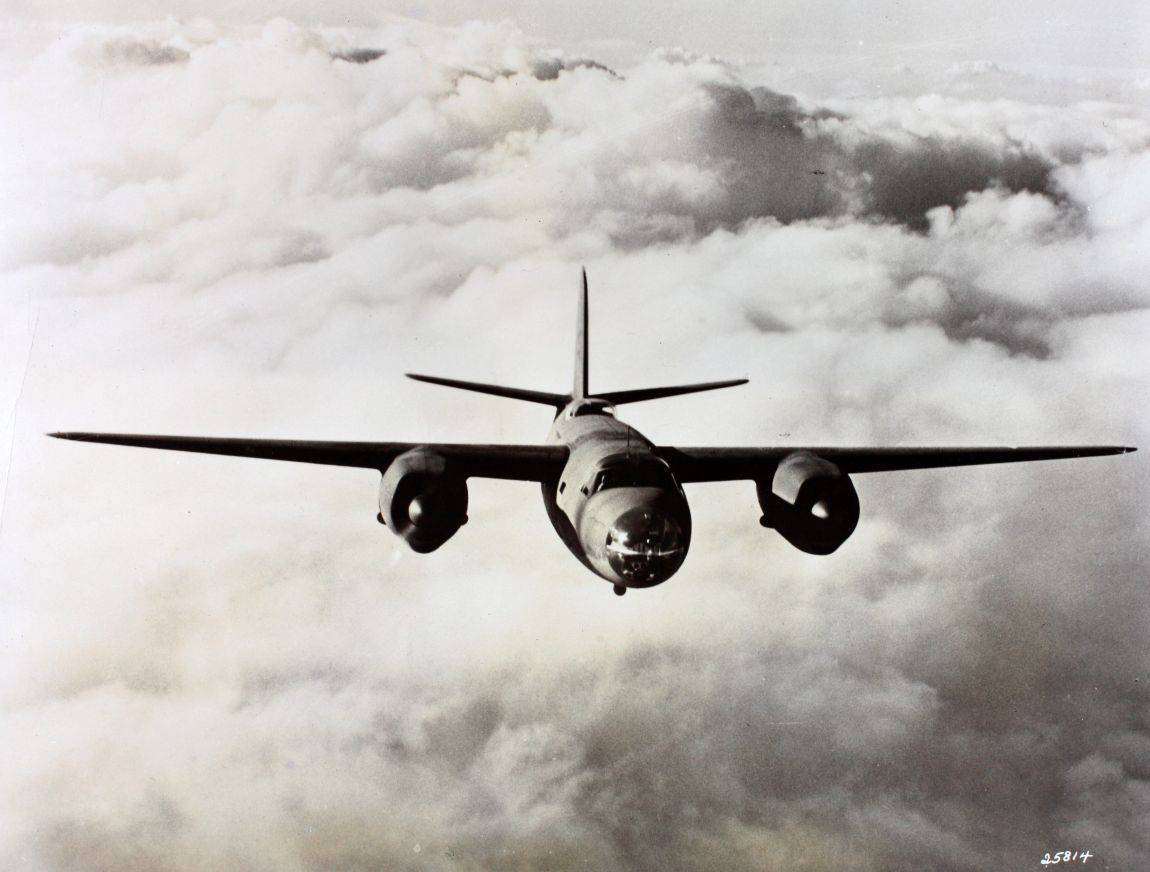

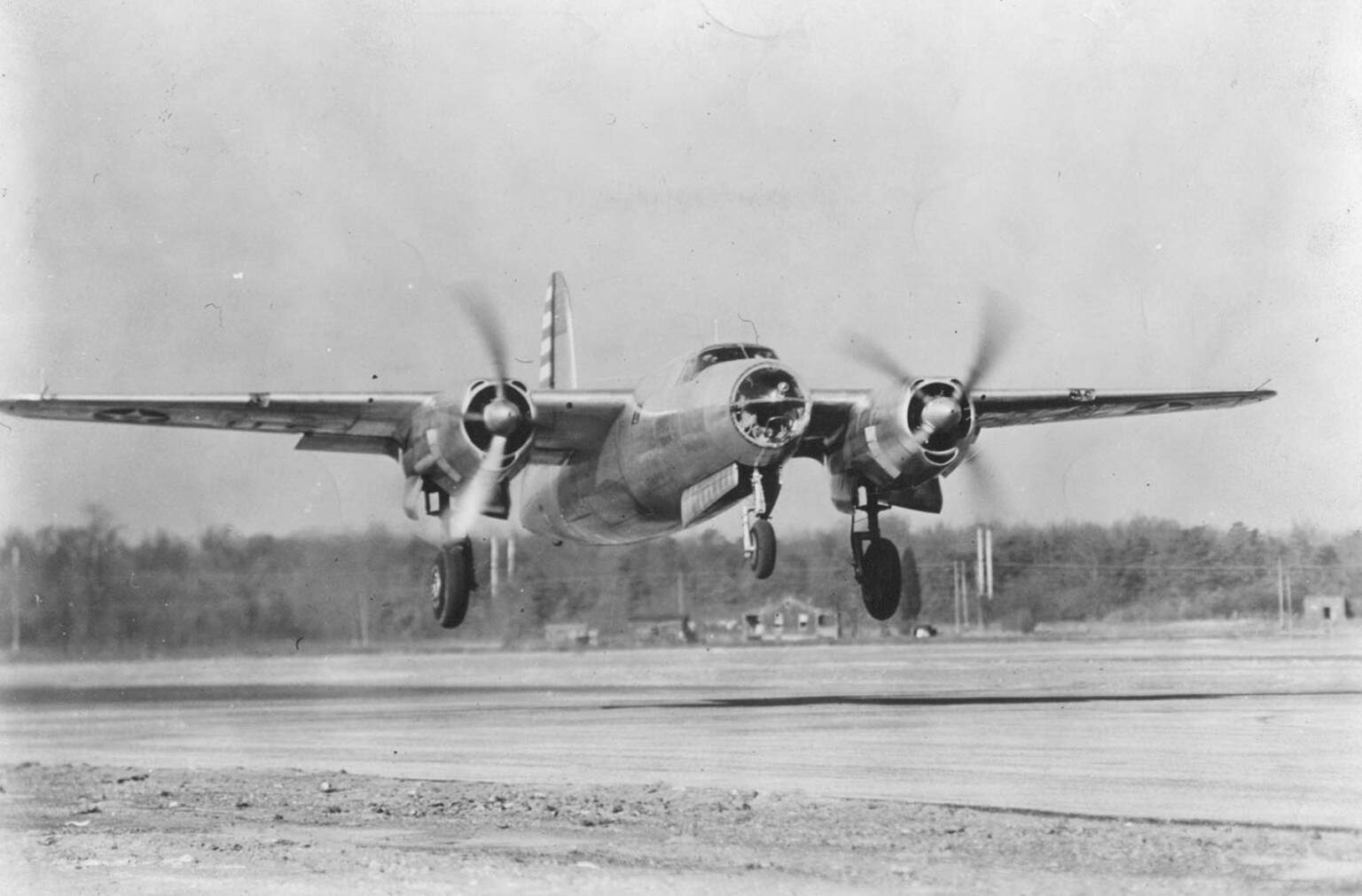
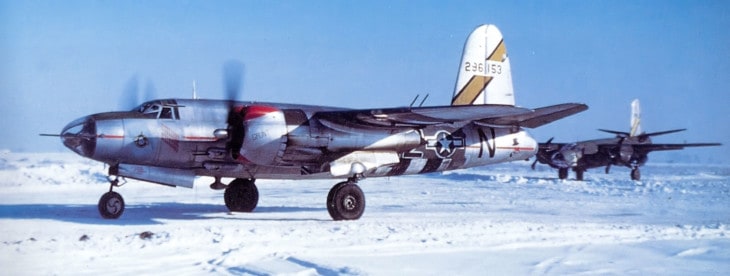
Several versions of the Martin B-26 Marauder were built. The B-26G version has a length of 17.75 meters, a height of 6.55 meters, and a width of 2 meters. It can accommodate up to seven crew members namely two pilots, a bombardier/ radio operator, a navigator/ radio operator, and three gunners. The aircraft has a wingspan of 21.64 meters and a wing area of 61.1 square meters. It has an empty weight of 10,886 kg and a gross weight of 16,783 kg. The maximum landing weight is 15,513 kg, the maximum payload is 1,800 kg, and the fuel tank capacity is 1,212 US gallons.
The aircraft is powered by two Pratt and Whitney R-2800-43 Double Wasp radial engines. It is an eighteen-cylinder twin-row radial engine with water injection. Components are two poppet valves per cylinder, a variable-speed single-stage single-speed centrifugal-type supercharger, a Stromberg injection carburetor fuel system, and an air-cooling system. The engine is rated at 2,000 to 2,200 horsepower each and drives four-bladed constant-speed feathering propellers.
The Marauder has a maximum speed of 249 knots at 5,000 feet. The cruise speed is 188 knots and the landing speed is 99 knots. It has a combat range of 1,000 nautical miles with 1,400 kg of bombload and 1,153 US gal of fuel. The ferry range is 2,480 nautical miles. It can fly up to 21,000 feet and can climb at a rate of 1,200 feet per minute. The takeoff and landing distances are 704 meters and 430 meters, respectively. The aircraft could be armed with eleven 12.7 mm M2 Browning heavy machine guns; one is located in the nose, four in a blister on fuselage area, two positioned in the dorsal turret, two located in the tail turret, and two in waist position. It could also be loaded with 1,800 kg of bombs.
Sources and references used for research and fact-checking.