Military Propellor Planes
From flying boats to missiles, a foundation of American aerospace
AeroCorner features profiles for 10 Glenn L. Martin aircraft. This includes 5 Military Propellor Planes, 2 Passenger Turbo Props, 2 Amphibious, and 1 Military Aircraft. Each profile includes performance data, photo galleries, dimensions, and operational history.
The Glenn L. Martin Company was an influential American aircraft manufacturer known for producing bombers, flying boats, patrol aircraft, and pioneering aerospace technologies throughout the first half of the 20th century. Martin built some of the most important U.S. military aircraft of World War II and contributed heavily to Cold War research, missiles, and space systems.
The company’s aviation legacy lives on through its successor organizations, including Martin Marietta and eventually Lockheed Martin, making Glenn L. Martin’s influence a cornerstone of modern aerospace and defense development.
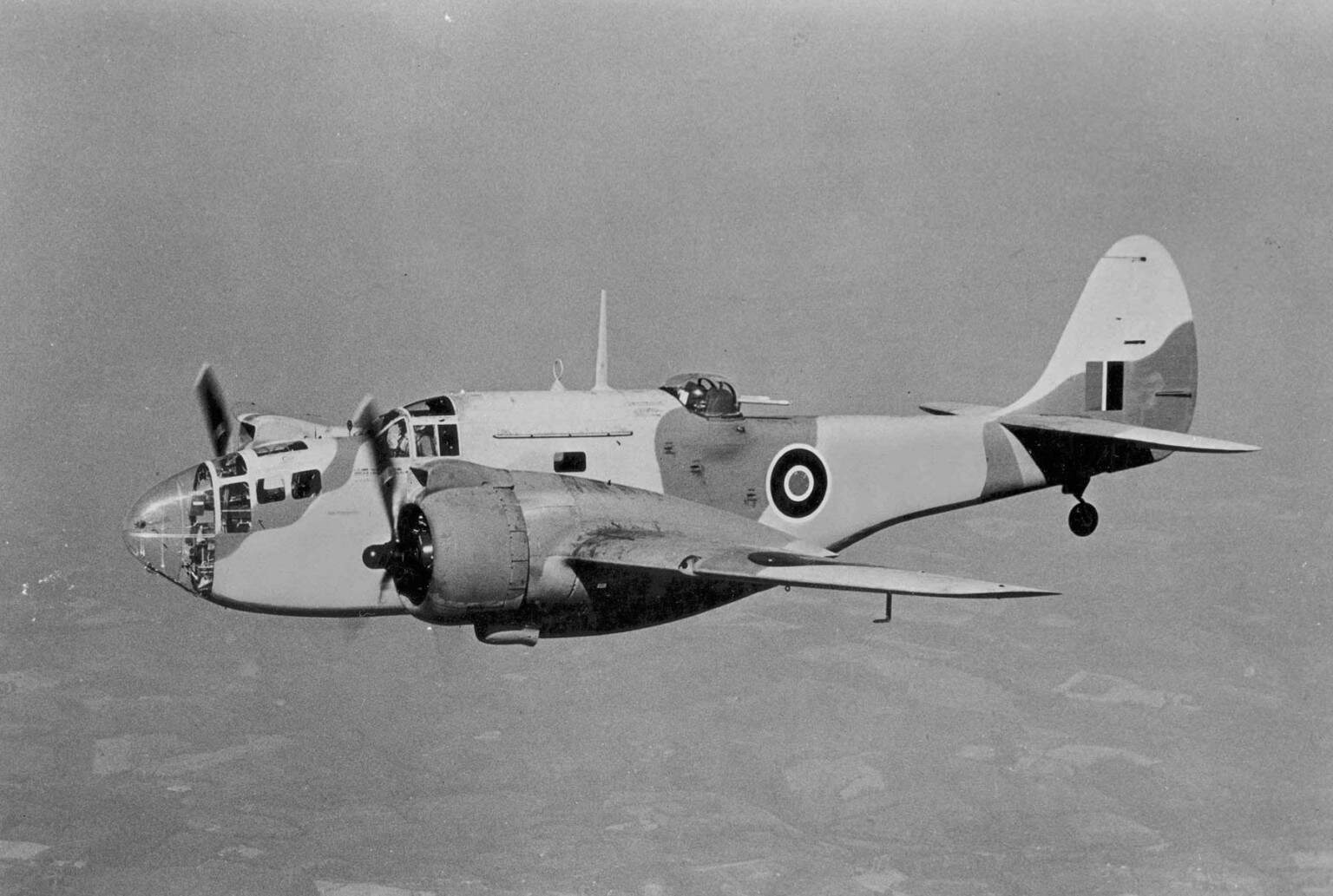
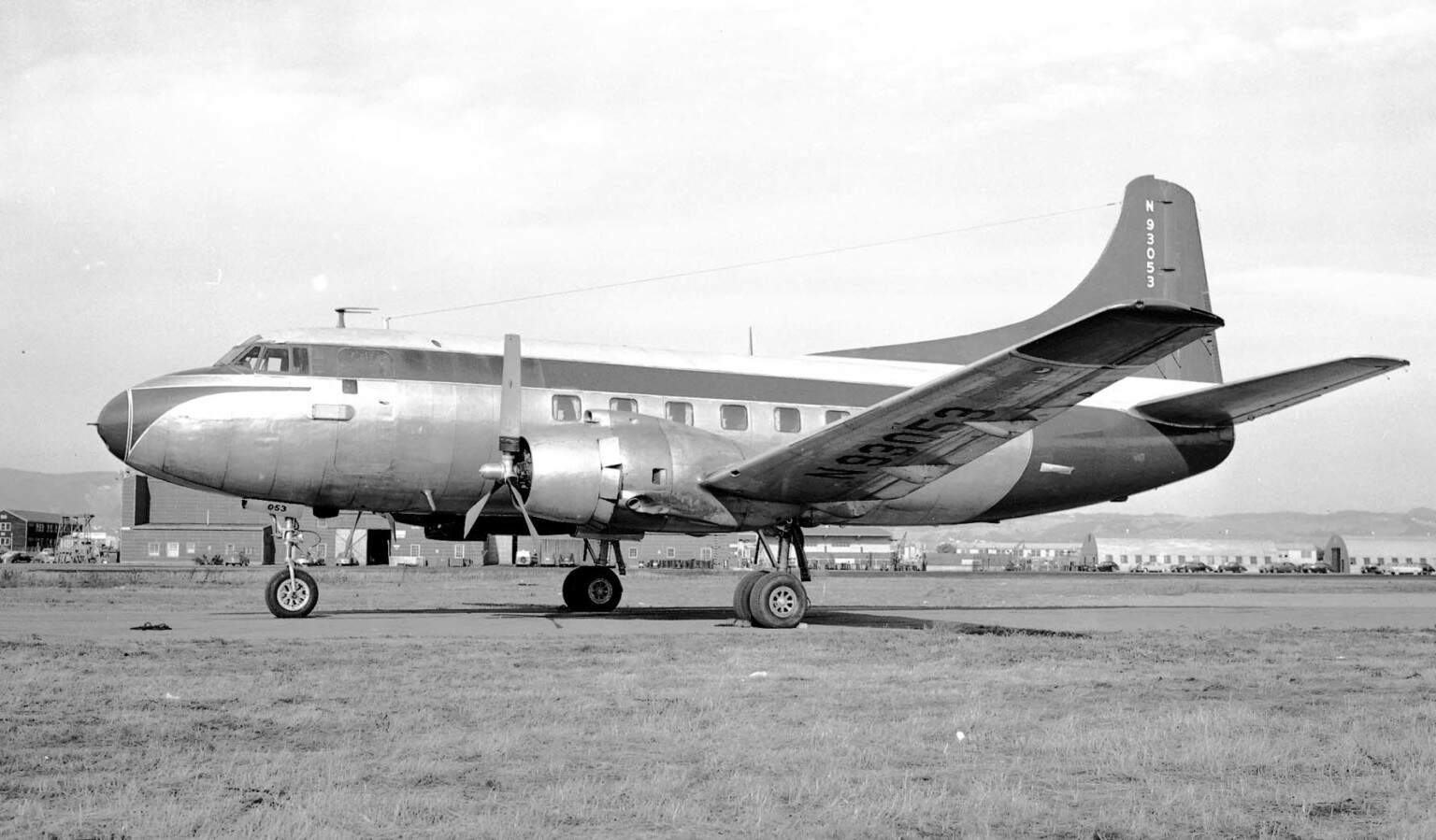
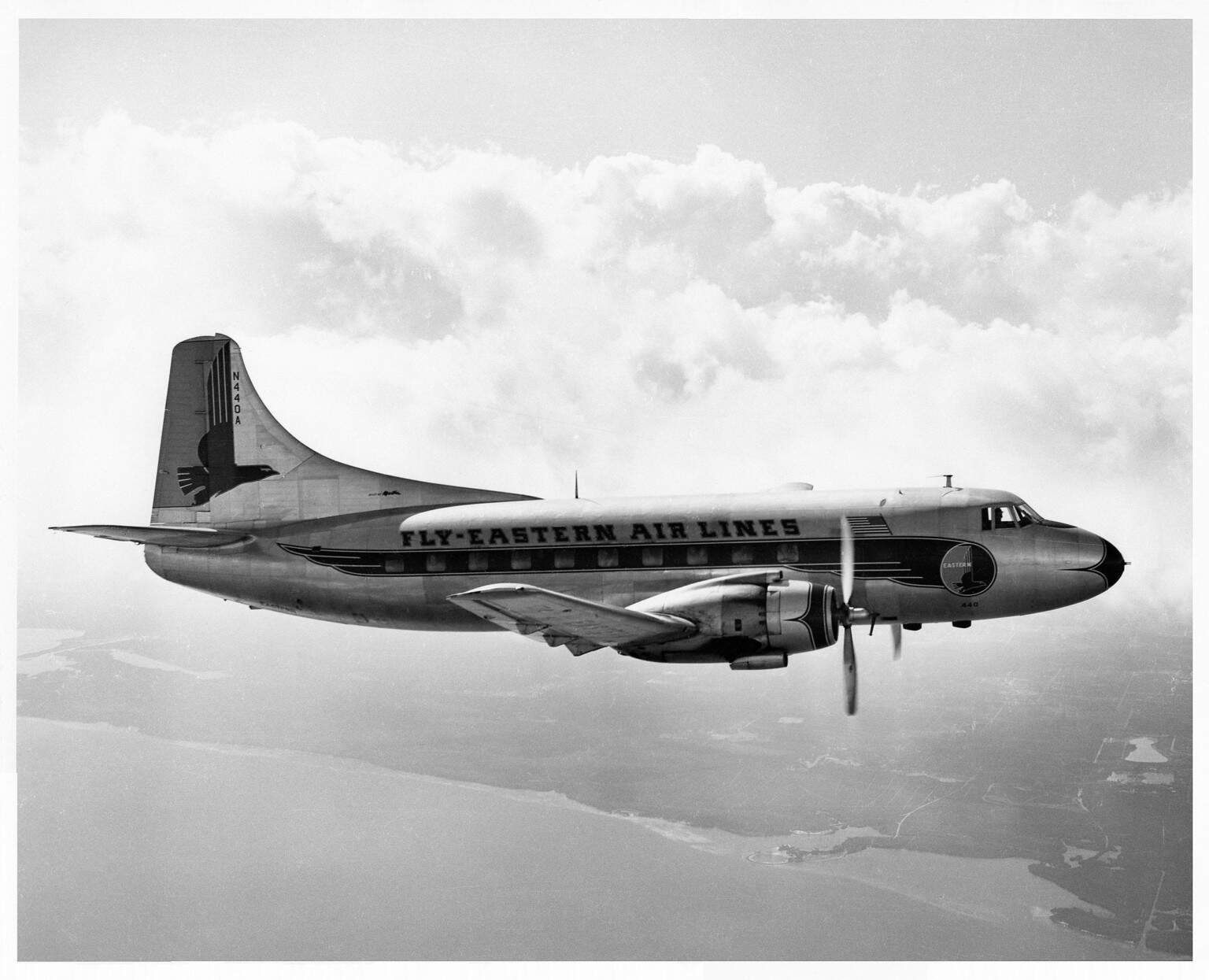
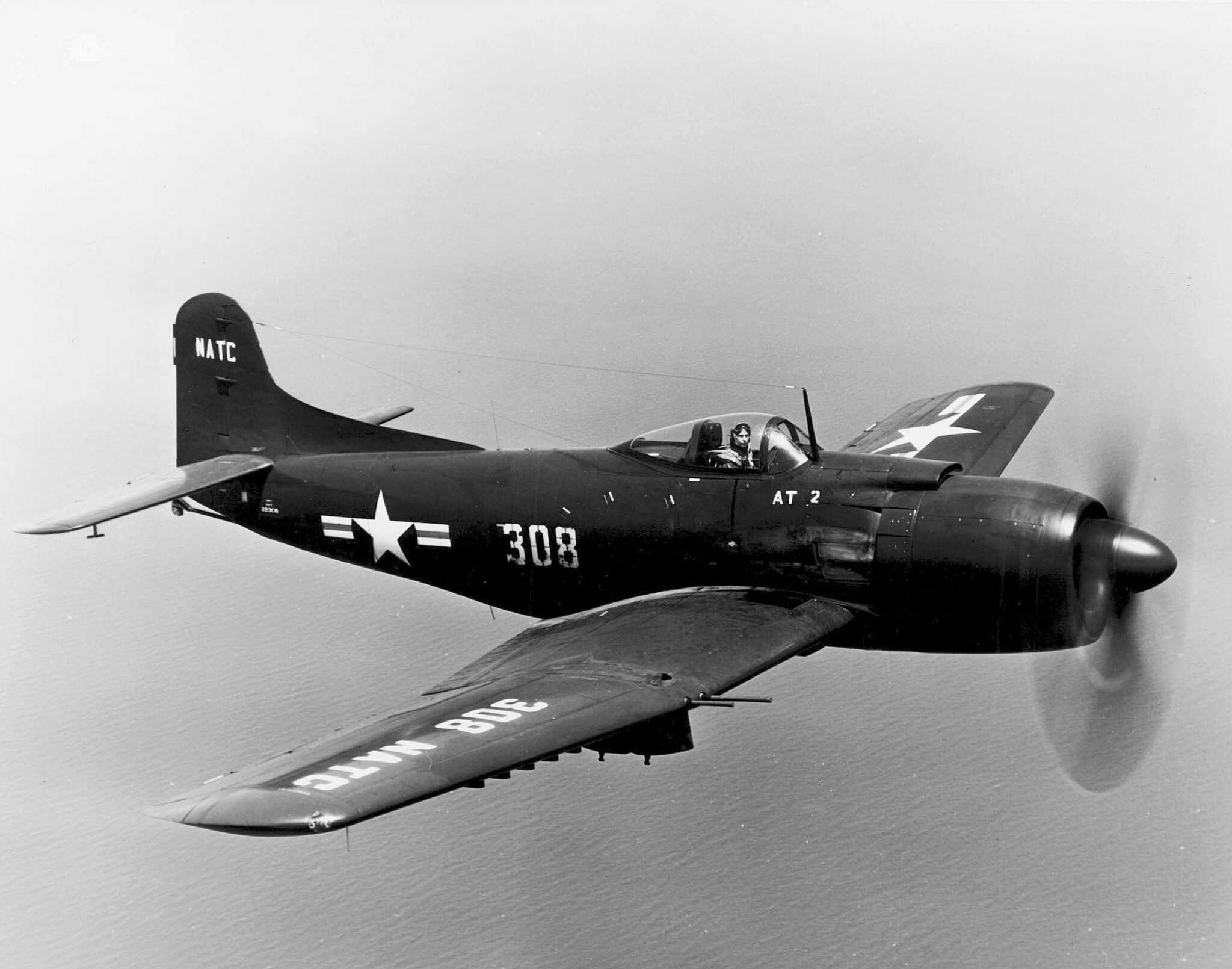
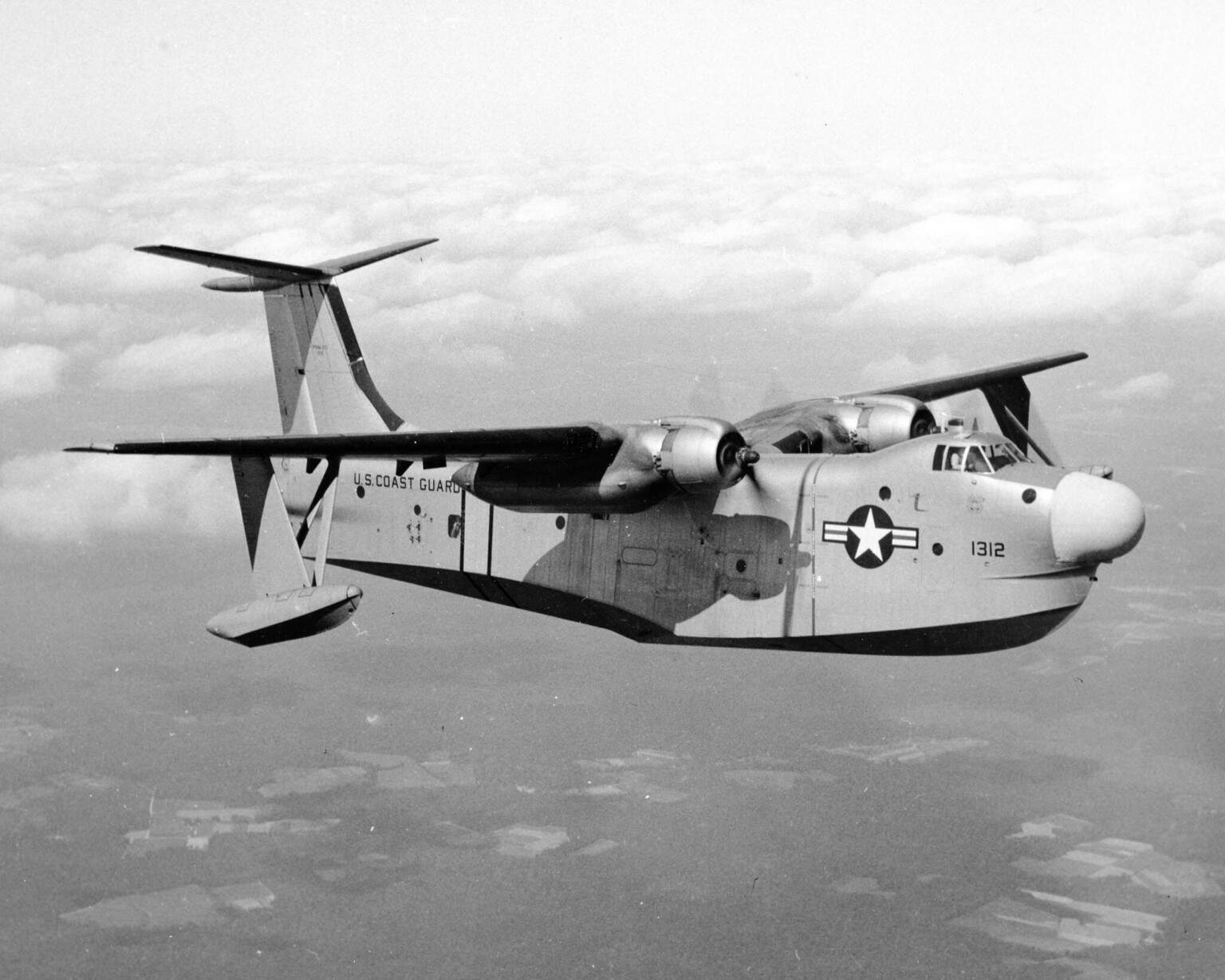

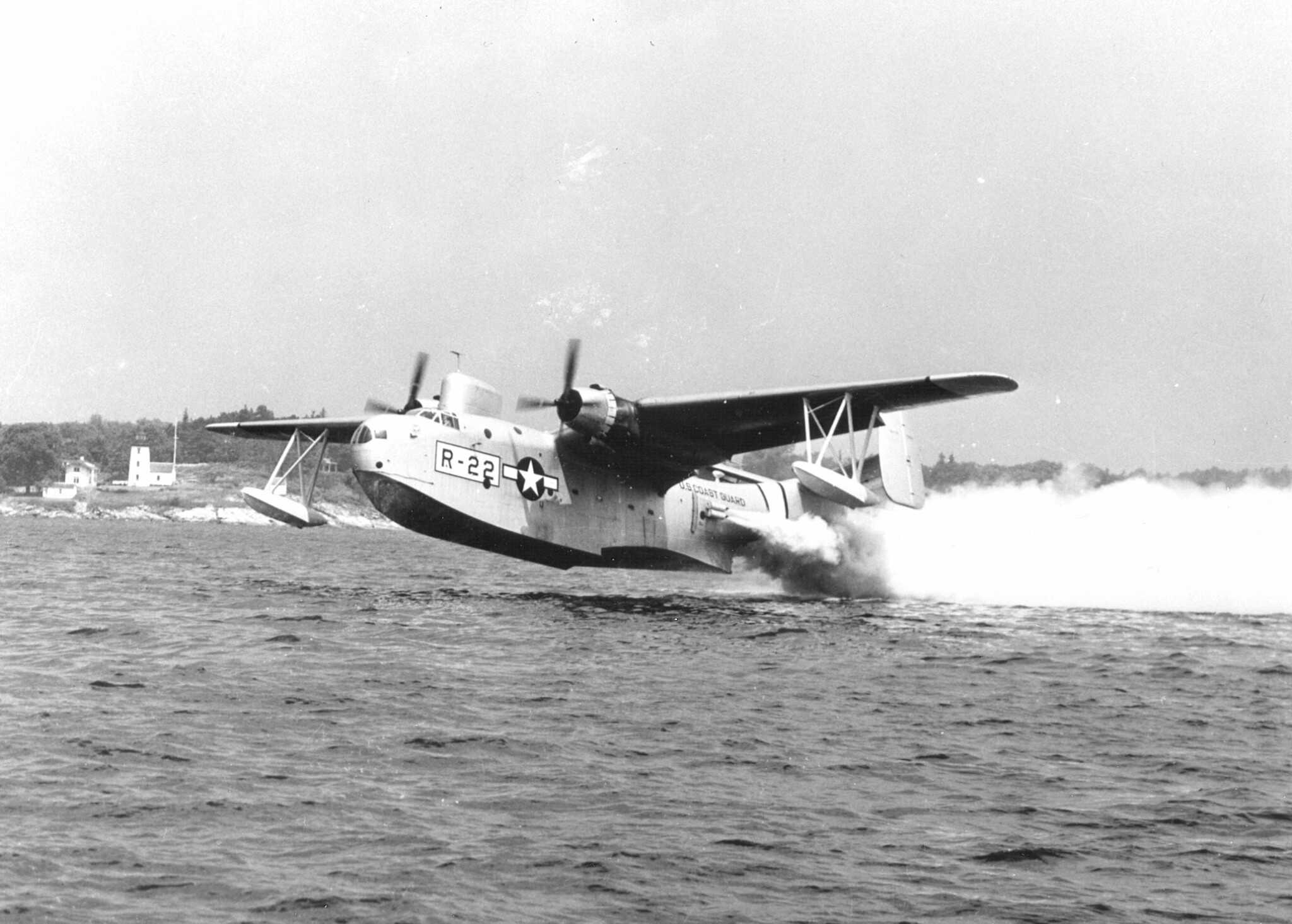
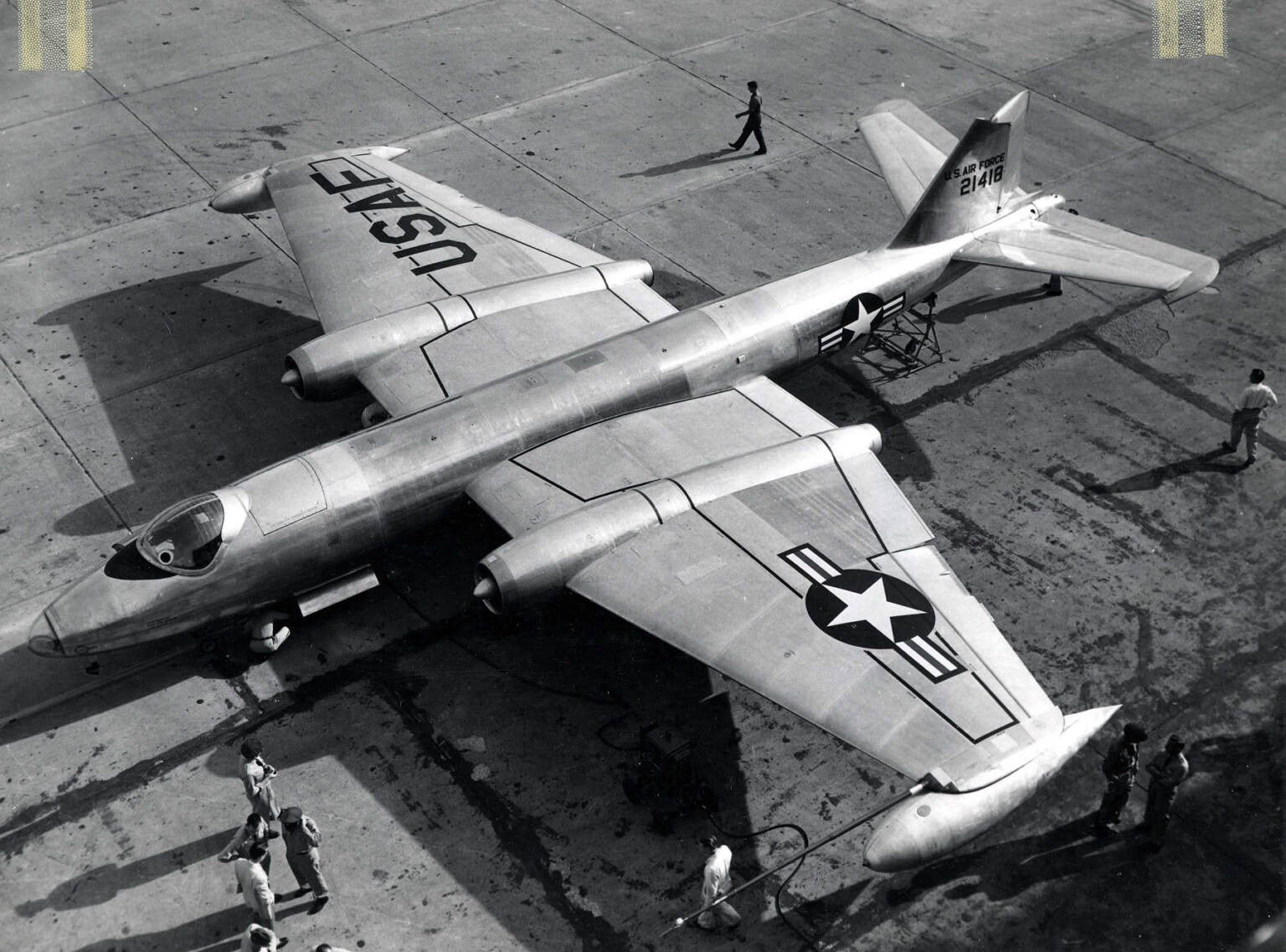

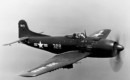
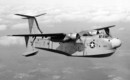
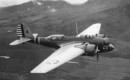
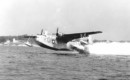
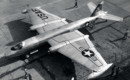
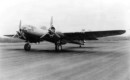
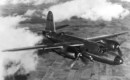
Aviation pioneer Glenn L. Martin founded the company in 1912 after building and flying his own aircraft. Early operations centered on experimental biplanes and aviation training. Within a few years, Martin was building aircraft for the U.S. Army and Navy, earning a reputation for innovative designs and strong engineering discipline.
During the interwar period, Martin produced bombers, flying boats, and transport aircraft that helped modernize U.S. military aviation. The company expanded its facilities, refined its metal aircraft construction techniques, and began laying the foundation for large-scale military production that would prove essential in the coming war.
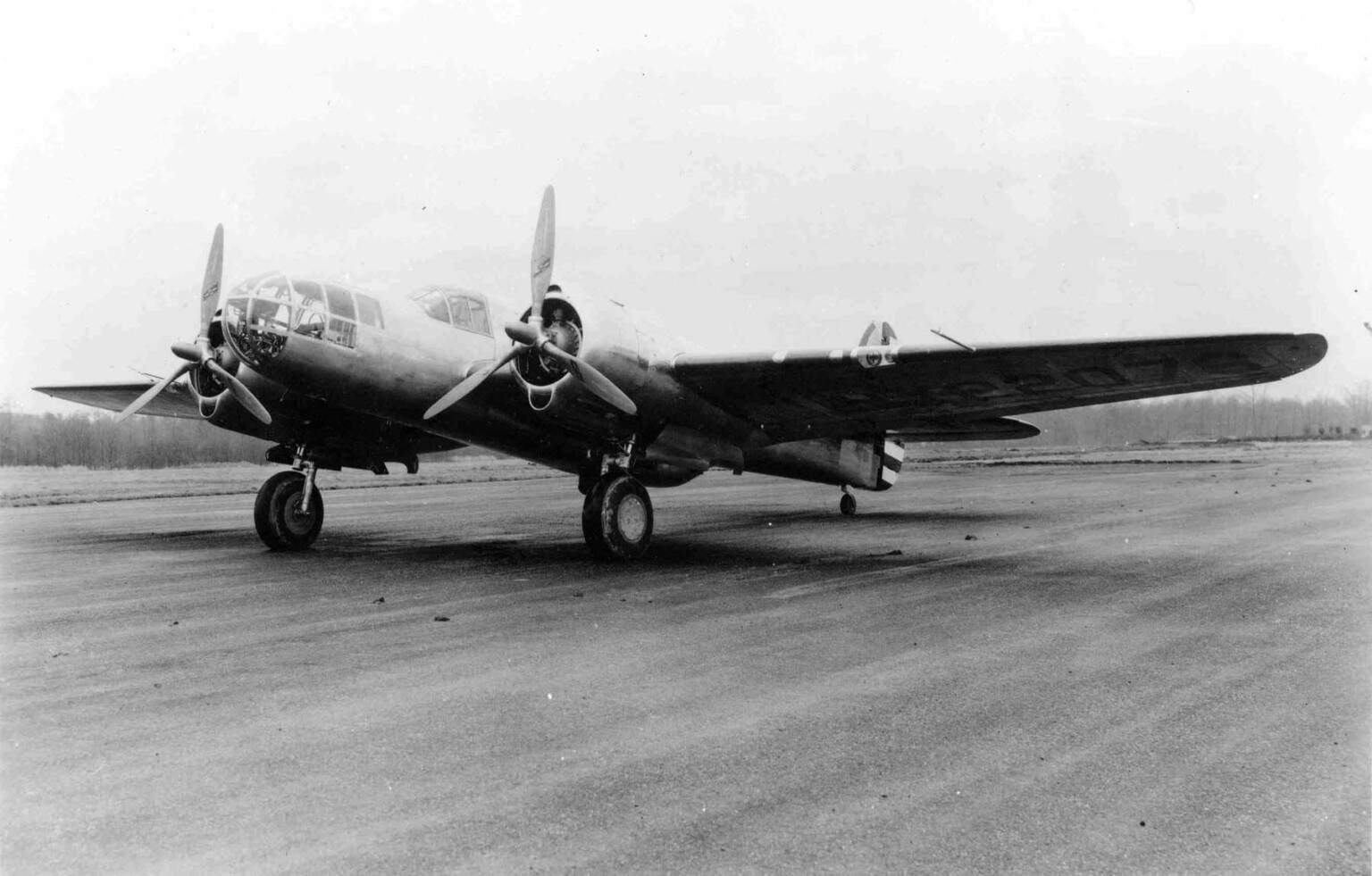
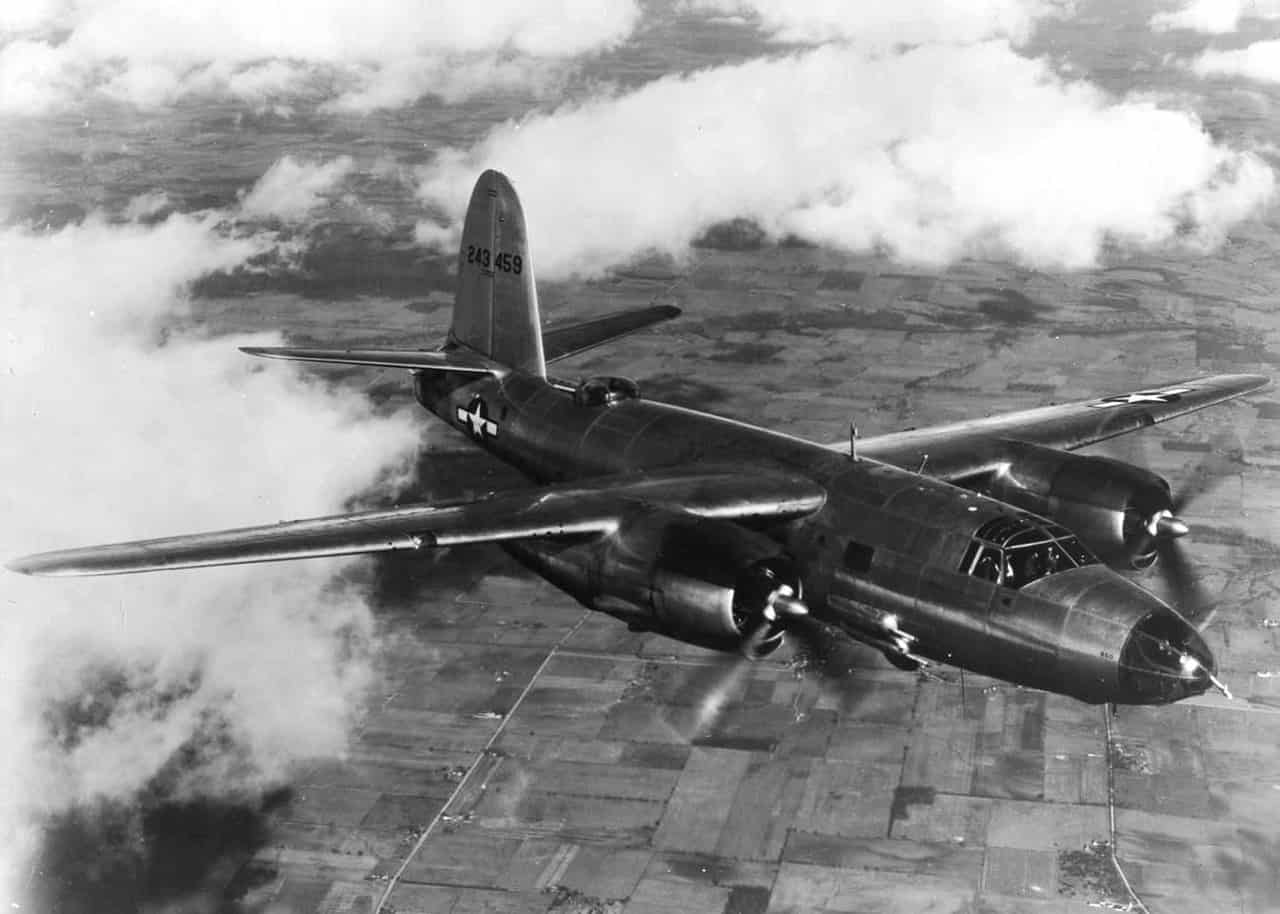
World War II marked Martin’s period of greatest influence. The company produced major military aircraft including the B-10 bomber, PBM Mariner flying boat, and B-26 Marauder, while also supporting large-scale research programs. Martin’s designs were central to U.S. Army Air Forces bombing strategy and naval patrol operations throughout the conflict.
Martin operated major facilities in Middle River, Maryland, and Omaha, Nebraska, supporting both wartime manufacturing and Cold War aerospace development. The Middle River plant became one of the largest bomber and flying boat production centers in the United States.
The company emphasized rugged metal construction, aerodynamic refinement, and strong engineering discipline. Martin aircraft were known for speed relative to contemporaries, modern manufacturing methods, and designs that reflected early transitions from biplanes to fully enclosed, high-performance bombers.
In 1961, the Glenn L. Martin Company merged with American-Marietta to form Martin Marietta, shifting focus toward missiles, electronics, and space systems. In 1995, Martin Marietta merged with Lockheed to form Lockheed Martin, one of the world’s largest aerospace and defense companies. Through these mergers, Martin’s legacy continued into the modern era of aviation and spaceflight.
The B-10 revolutionized military aviation as one of the first all-metal monoplane bombers with an enclosed cockpit and internal bomb bay. Its speed and performance outclassed contemporary fighters, setting a new standard for bomber design worldwide.
While initially viewed as difficult to fly, the B-26 became one of the safest and most effective medium bombers of World War II after improvements and pilot training adjustments. It served in multiple theaters and gained a strong reputation for precision bombing and durability.
The PBM Mariner played a critical naval role in anti-submarine warfare and maritime patrol. Its long range and tough construction made it a mainstay of U.S. Navy operations, especially in the Atlantic and Pacific war zones.
Martin shifted into cutting-edge missile and space technology with the Titan missile family, which became a major strategic deterrent system and a key launch vehicle for early crewed spaceflight. This transition marked Martin’s evolution from aviation to aerospace leadership.
The company’s 1961 merger with American-Marietta created Martin Marietta, which later merged with Lockheed to form Lockheed Martin. Through these transformations, Martin’s engineering legacy became embedded in one of the world’s foremost aerospace and defense conglomerates.
The Glenn L. Martin Company helped shape the evolution of modern bombers, maritime patrol aircraft, and Cold War aerospace systems. Its research work influenced missile development, early satellite launch efforts, and aircraft manufacturing practices. Through Lockheed Martin, the company’s influence remains deeply embedded in today’s aerospace and defense landscape.