Amphibious
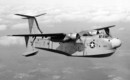
Martin P5M Marlin
ICAO: P5M
The Martin PBM Mariner was a twin-engine U.S. Navy patrol bomber flying boat of World War II, built to hunt submarines and credited with a share in sinking ten U-boats.
Updated: by Tim de Vries
The latest aviation news and stories sent to your inbox.
The Martin PBM Mariner was a gull-winged patrol bomber flying boat built by the Glenn L. Martin Company. It first flew on 18 February 1939 and entered Navy service in September 1940. Mariners hunted U-boats in the Atlantic, flew rescue and strike missions in the Pacific, and served the U.S. Coast Guard well into the 1950s. One of them also vanished during the search for Flight 19 in December 1945.
Live Fleet Activity (PBM)
Fetching live data…
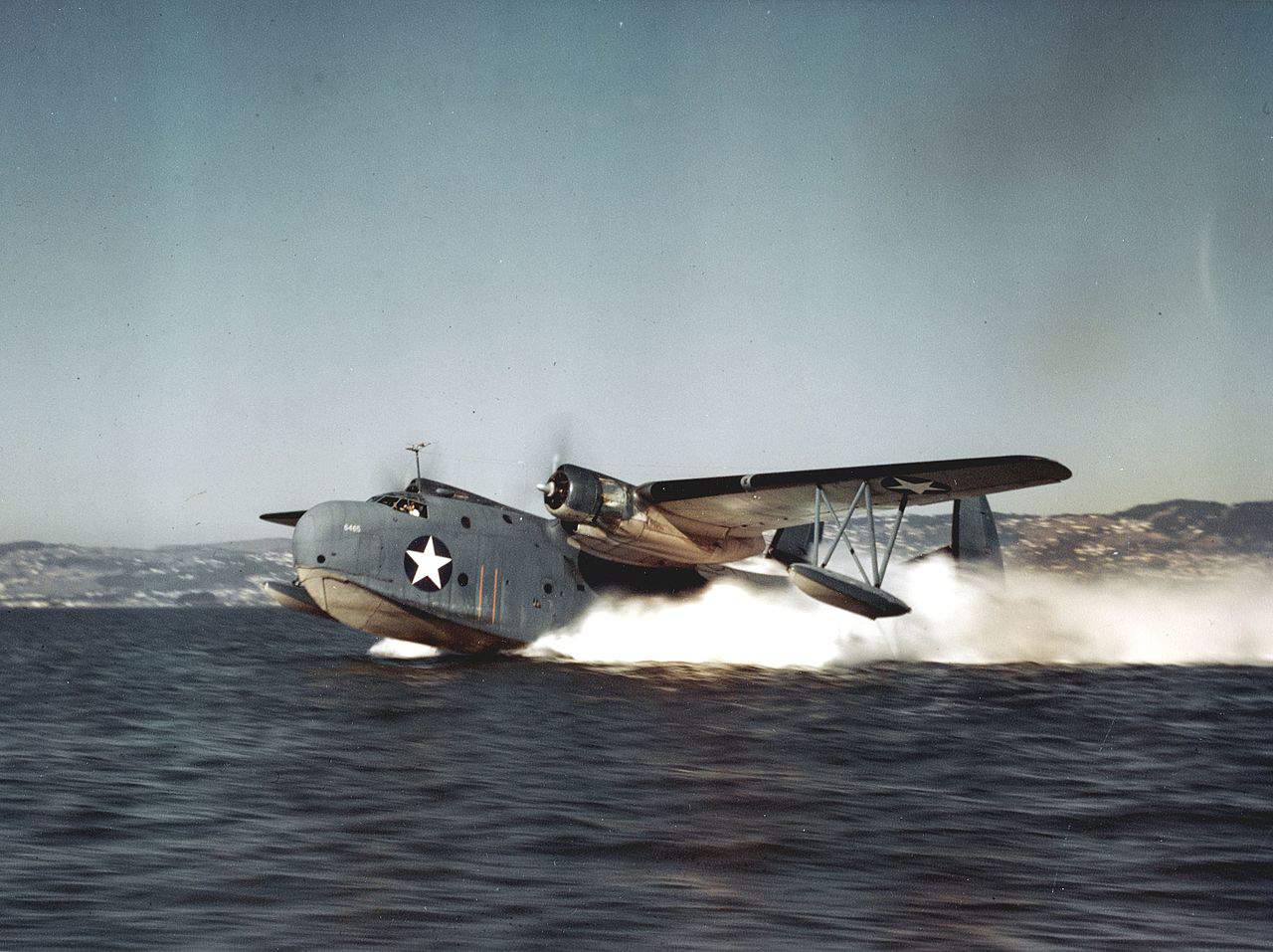


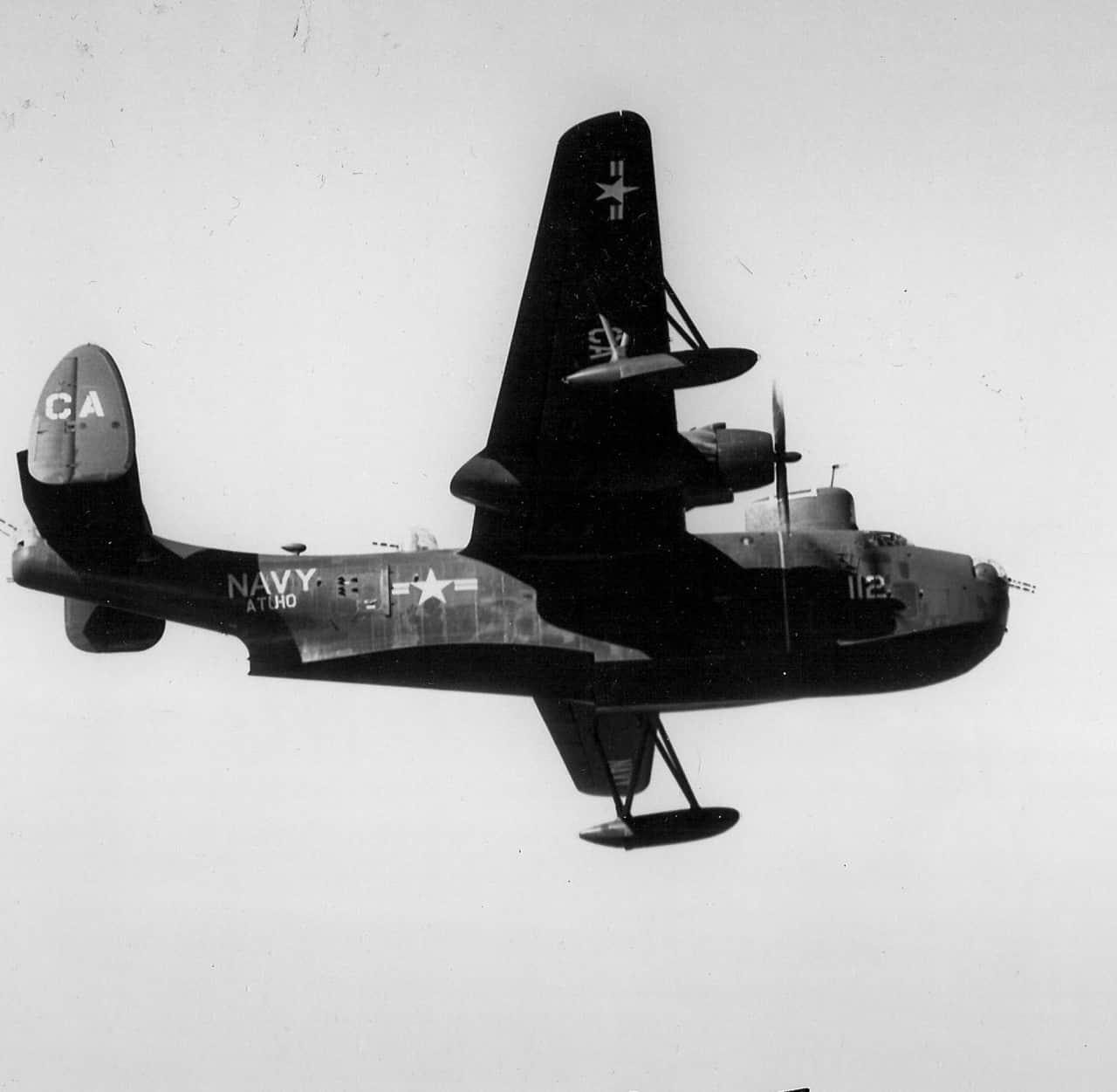
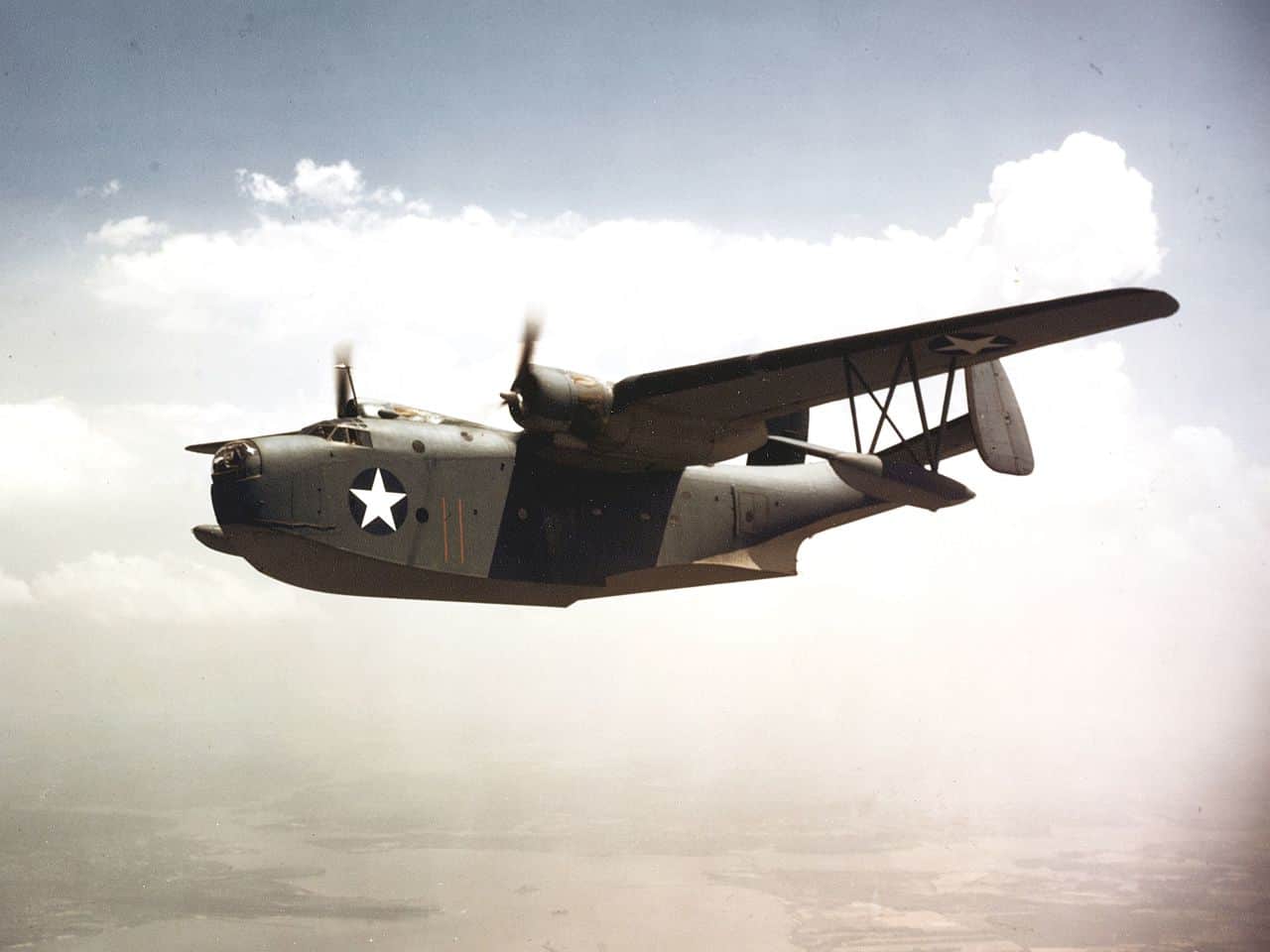
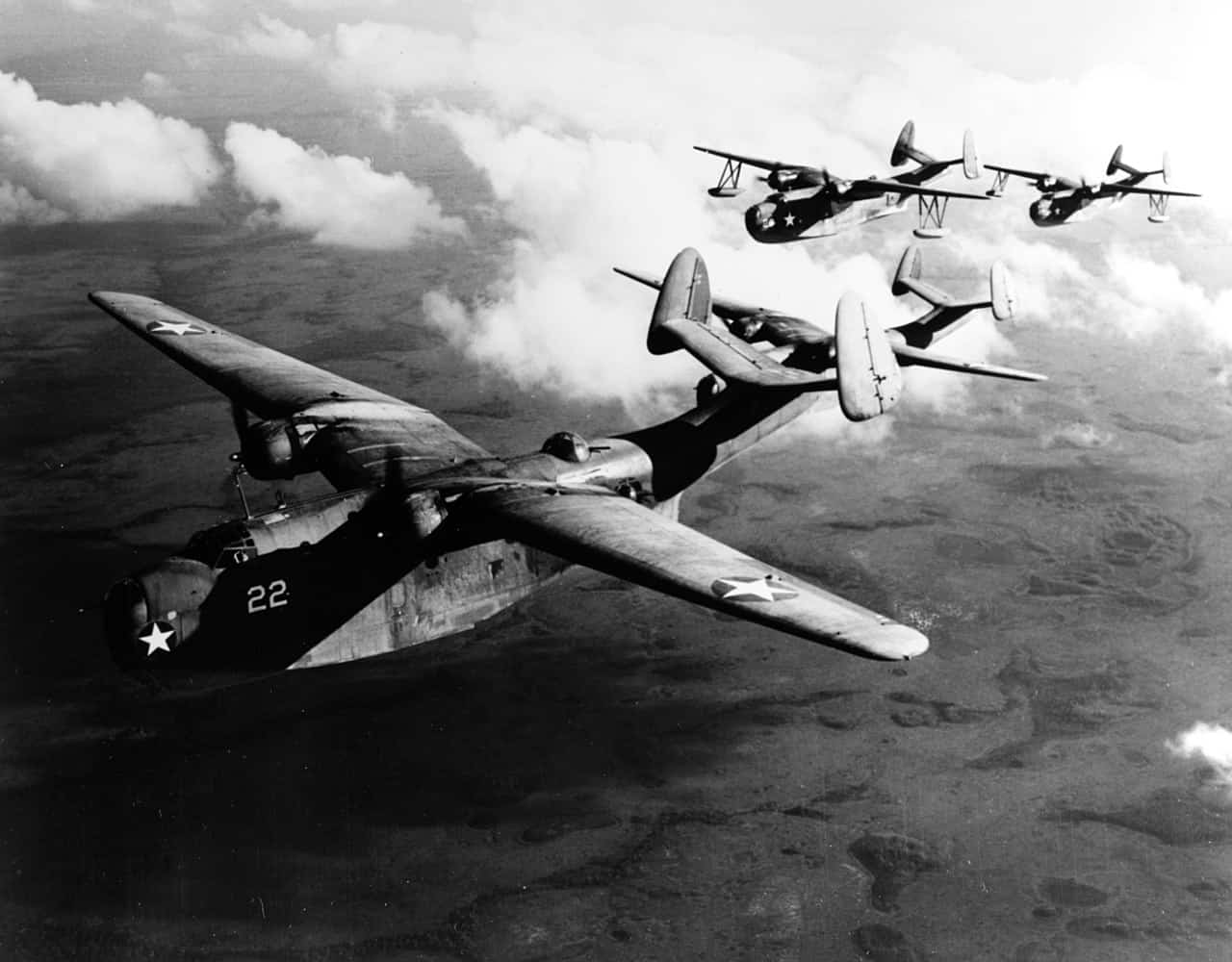

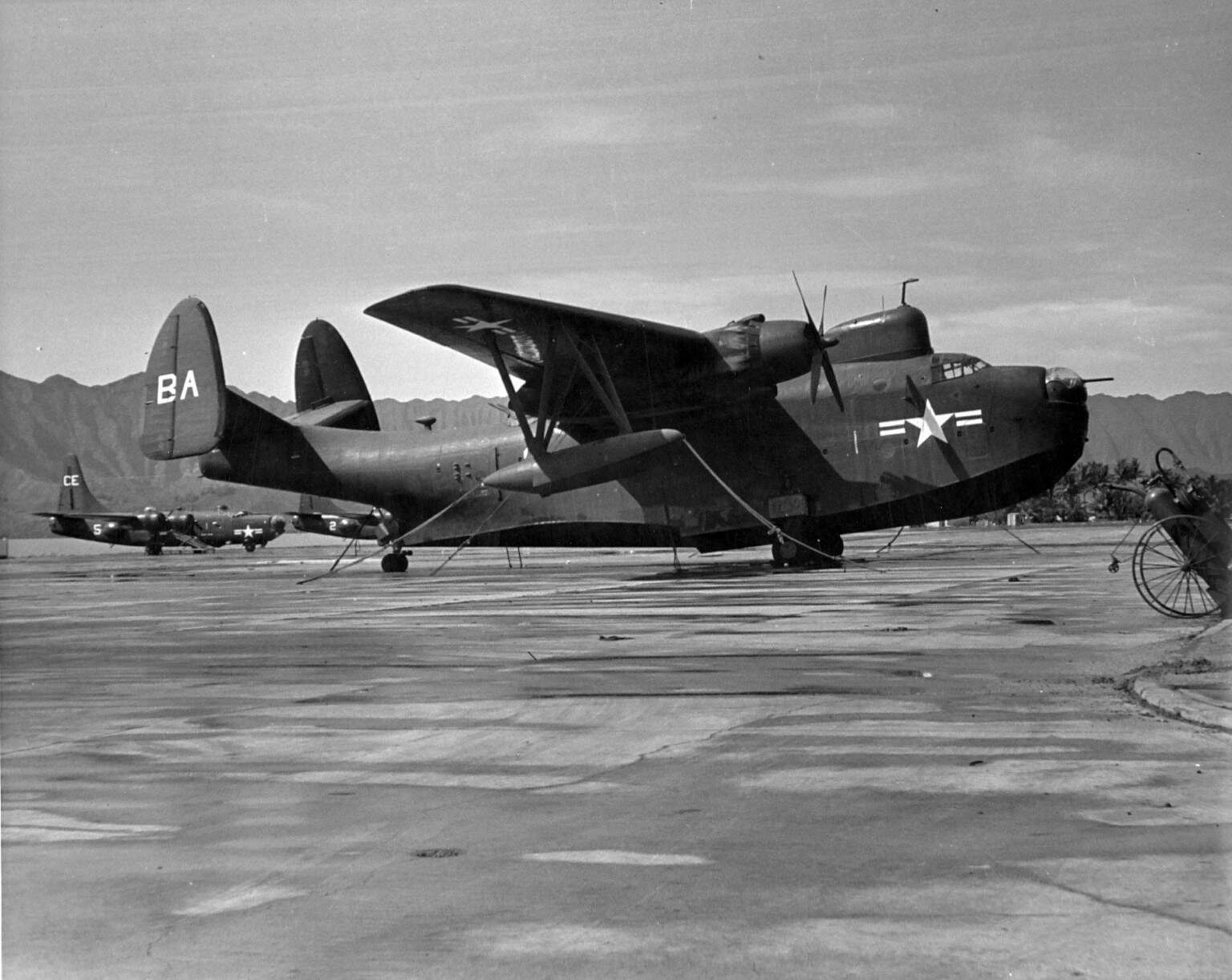
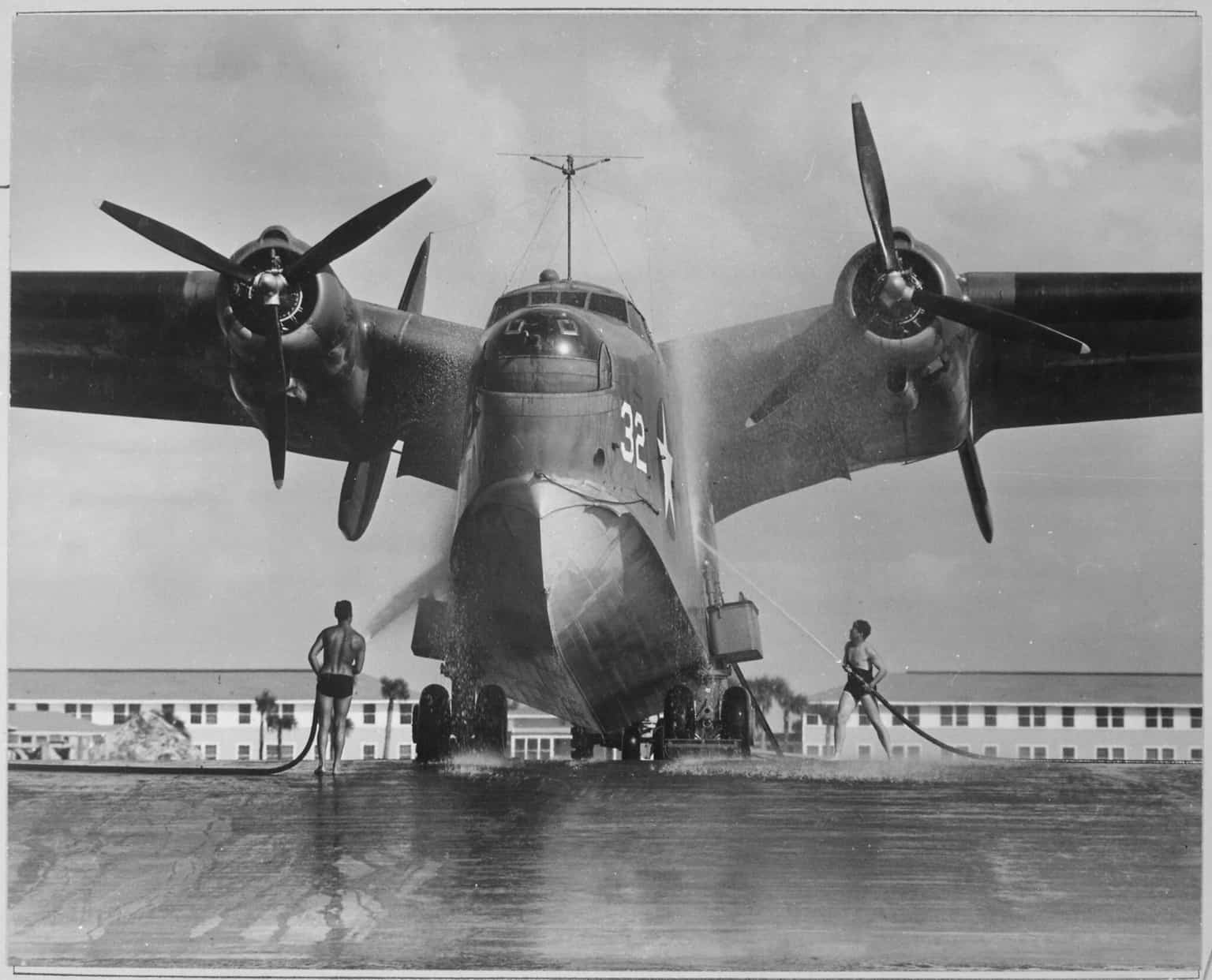
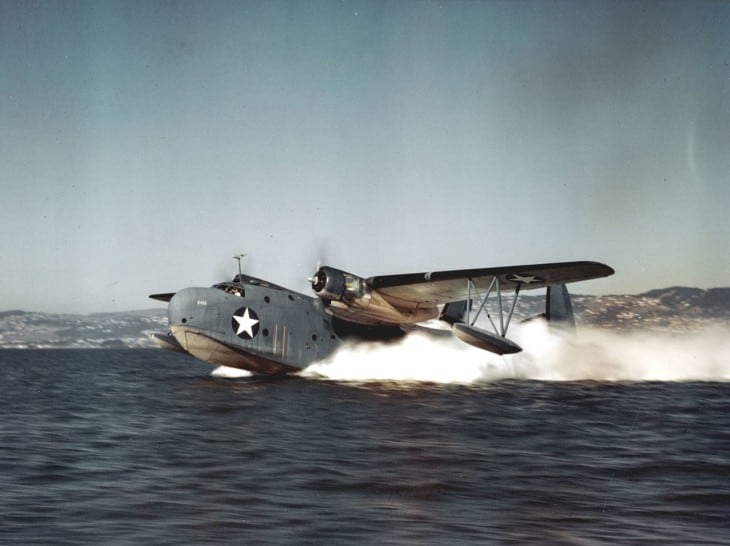
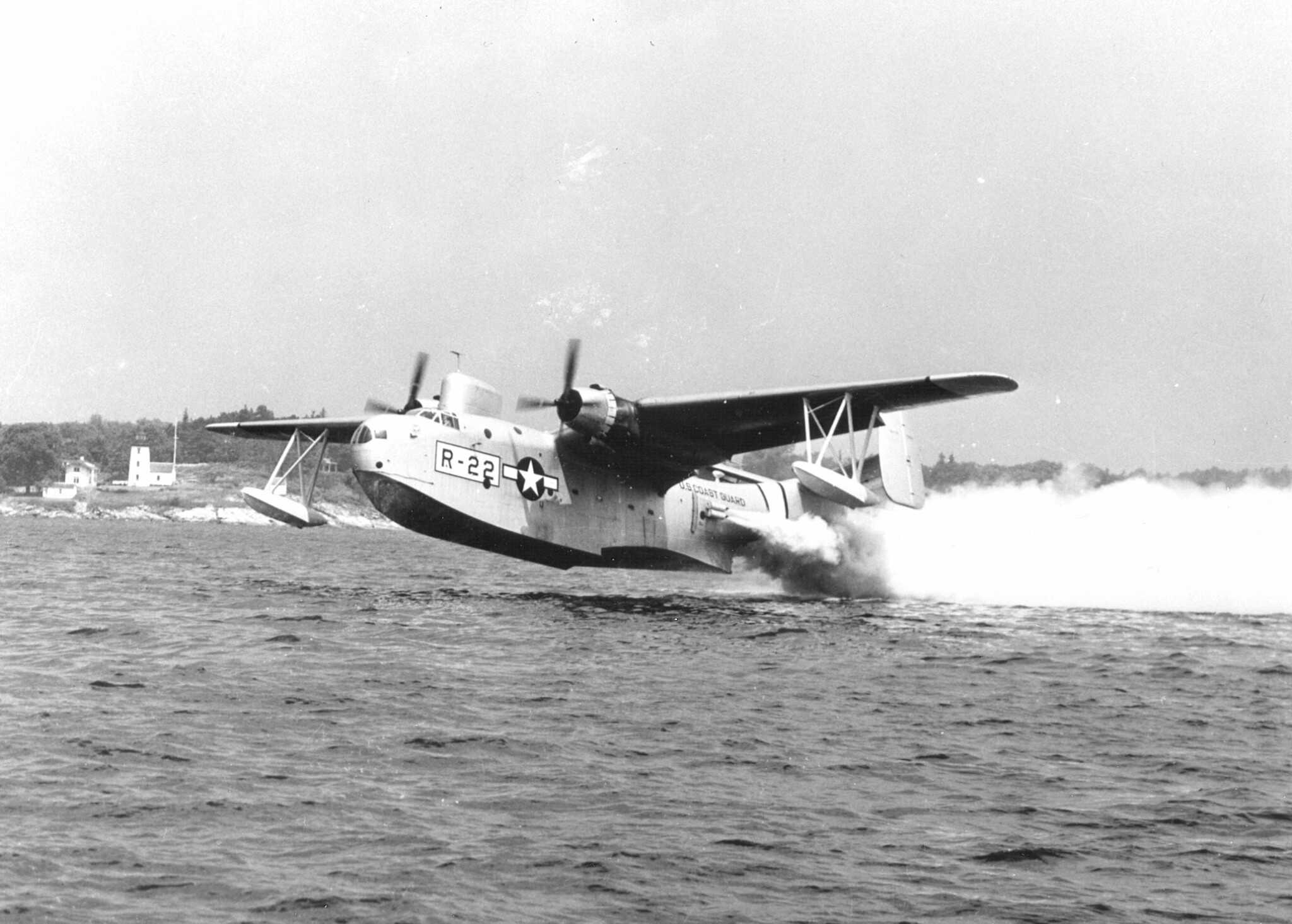
The Martin PBM Mariner was a twin-engine patrol bomber flying boat that the U.S. Navy used from 1940 into the mid-1950s. It was built to sit beside the Consolidated PBY Catalina and PB2Y Coronado, flying long patrols over open water.
The full specification table for the aircraft is on this page. This article covers why the Mariner looks the way it does, what it did, and what is left of it.
The Glenn L. Martin Company developed the Model 162 in the late 1930s. The Navy ordered a single XPBM-1 prototype on 30 June 1937, and the first production order followed on 28 December 1937.
The prototype first flew on 18 February 1939. The first production PBM-1 aircraft entered service with patrol squadron VP-55 on 1 September 1940.

The Mariner used a cantilever gull wing. Bending the wing up at the root lifted the radial engines clear of salt spray without the external bracing of a parasol wing.
Production aircraft also canted the horizontal stabilizer upward, which tilted the twin tail fins inward. The PBM-1 had floats that retracted inward beneath the wing, while the PBM-3 switched to fixed floats and a fuselage three feet longer.
Two Wright R-2600 Twin Cyclone radial engines powered the Mariner. The PBM-1 used the R-2600-6, and the panel lists its rated power.
Bombs and depth charges rode in bomb bays built into the engine nacelles, with room for up to 5,200 pounds. The Mariner could also carry two Mark 13 torpedoes, and it mounted eight .50 caliber M2 Browning machine guns in the nose, tail and waist positions.
The Mariner was a long-range patrol aircraft, so its range and ceiling matter more than its speed. The panel gives the range as 2,600 nm · 2,990 mi · 4,820 km.
The panel shows a single top speed, and it is also the figure stored for maximum cruise. Wikipedia lists no separate cruise speed for the PBM-1, so this page does not invent one.
Weights depend on the variant. The panel follows the PBM-1 figures, and later versions such as the PBM-3 and PBM-5 were heavier and differed in details such as engines and floats.
Mariners flew Neutrality Patrols before the United States entered the war. After Pearl Harbor they moved to anti-submarine patrols, and they sank their first U-boat, U-158, on 30 June 1942.
Wikipedia credits PBMs with sinking or helping to sink ten U-boats in all. In the Pacific they flew from Saipan, Okinawa and Iwo Jima, struck enemy convoys and rescued downed B-29 and carrier crews.

The U.S. Coast Guard took 27 PBM-3s in the first half of 1943 and 41 PBM-5s in late 1944. They became the backbone of its long-range search and rescue work in the early postwar years.

Navy Mariners flew long patrols during the Korean War. The last Navy squadron, VP-50, retired its PBMs in July 1956, as the Martin P5M Marlin and the HU-16 Albatross took over.
Other operators included the Royal Air Force, which ordered 33 Mariner Is and received 28, the Royal Australian Air Force, the Royal Netherlands Navy, Argentina, Panama and Uruguay. Wikipedia says Uruguay retired the last Mariner on 3 February 1964.
On 5 December 1945, PBM-5 BuNo 59225 took off from NAS Banana River to search for the five missing TBM Avengers of Flight 19. It vanished from radar about 20 minutes later.
A ship reported a fireball and an oil slick, and the aircraft is believed to have exploded in mid-air off Florida. No wreckage has been found, and it is often folded into Bermuda Triangle stories. Watch the The Remarkable American Icon, Martin PBM Mariner, from WWII video on YouTube.
Only one fully intact Mariner has been preserved, according to Wikipedia. It is PBM-5A BuNo 122071 at the Pima Air & Space Museum in Tucson, Arizona.
A PBM-5, BuNo 59172, lies upside down in Lake Washington, where it is used as a dive training site.

PBM is the Navy designation for the Martin Mariner. P stands for patrol, B for bomber and M for the Glenn L. Martin Company.
Very few. One intact PBM-5A is on display at the Pima Air & Space Museum, and a PBM-5 wreck sits in Lake Washington.
A few flying boats remain airworthy worldwide, but none of the sources used for this page report an airworthy Mariner. The surviving examples are a museum aircraft and a wreck.
The Glenn L. Martin Company built the Mariner and followed it with the P5M Marlin, a developed maritime patrol flying boat. The Marlin replaced the Mariner in Navy service.
Sources and references used for research and fact-checking.