Military Trainers
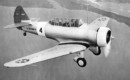
North American BT-14
ICAO: BT14
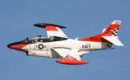
The naval jet trainer built for carrier-based pilot training.
The latest aviation news and stories sent to your inbox.
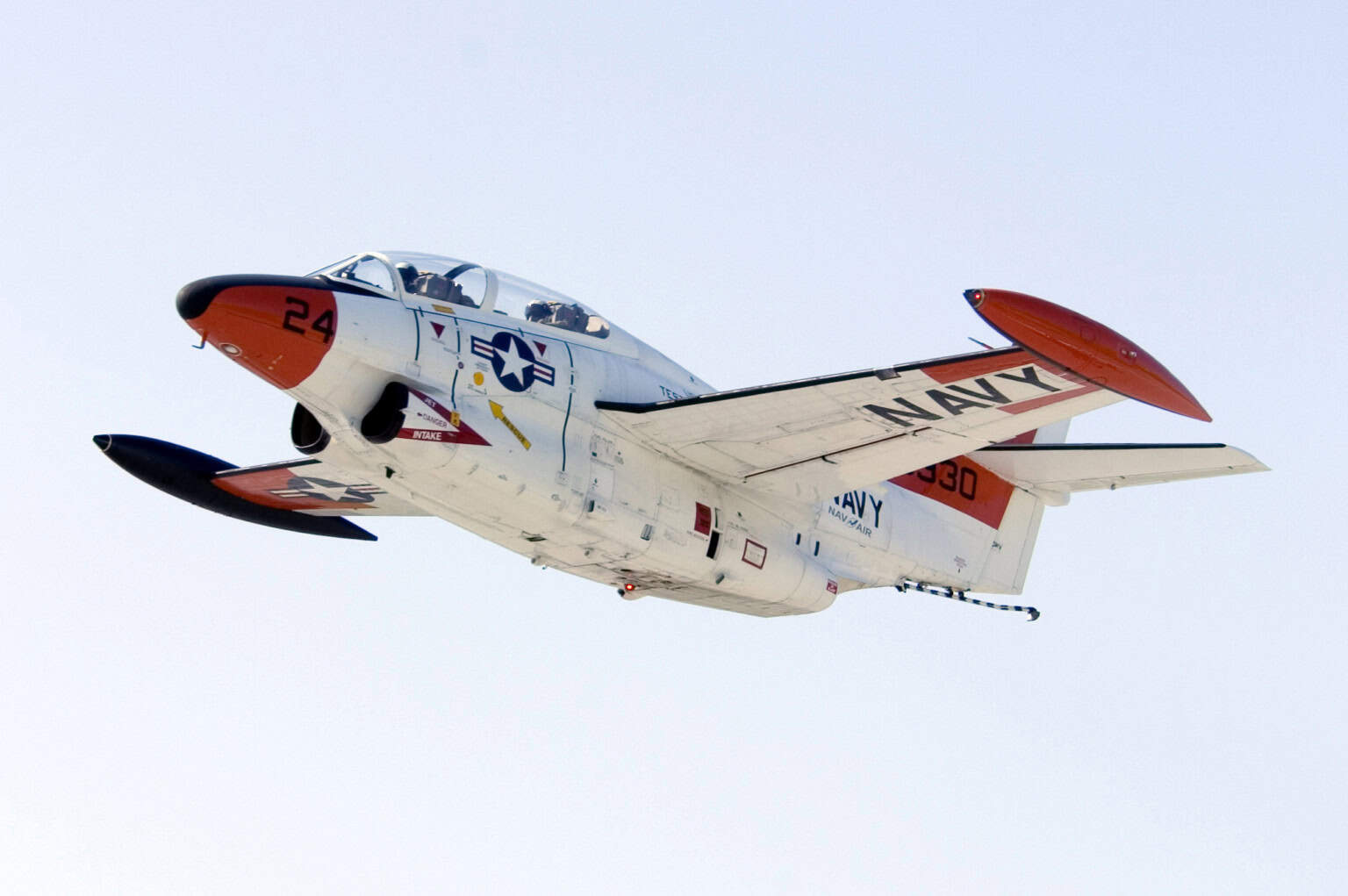
The North American T-2 Buckeye was a twin-engine jet trainer developed for the United States Navy. Designed to introduce student aviators to jet operations and carrier procedures, it served for several decades. The aircraft bridged the gap between basic trainers and fleet aircraft.
Live Fleet Activity (T2)
Fetching live data…
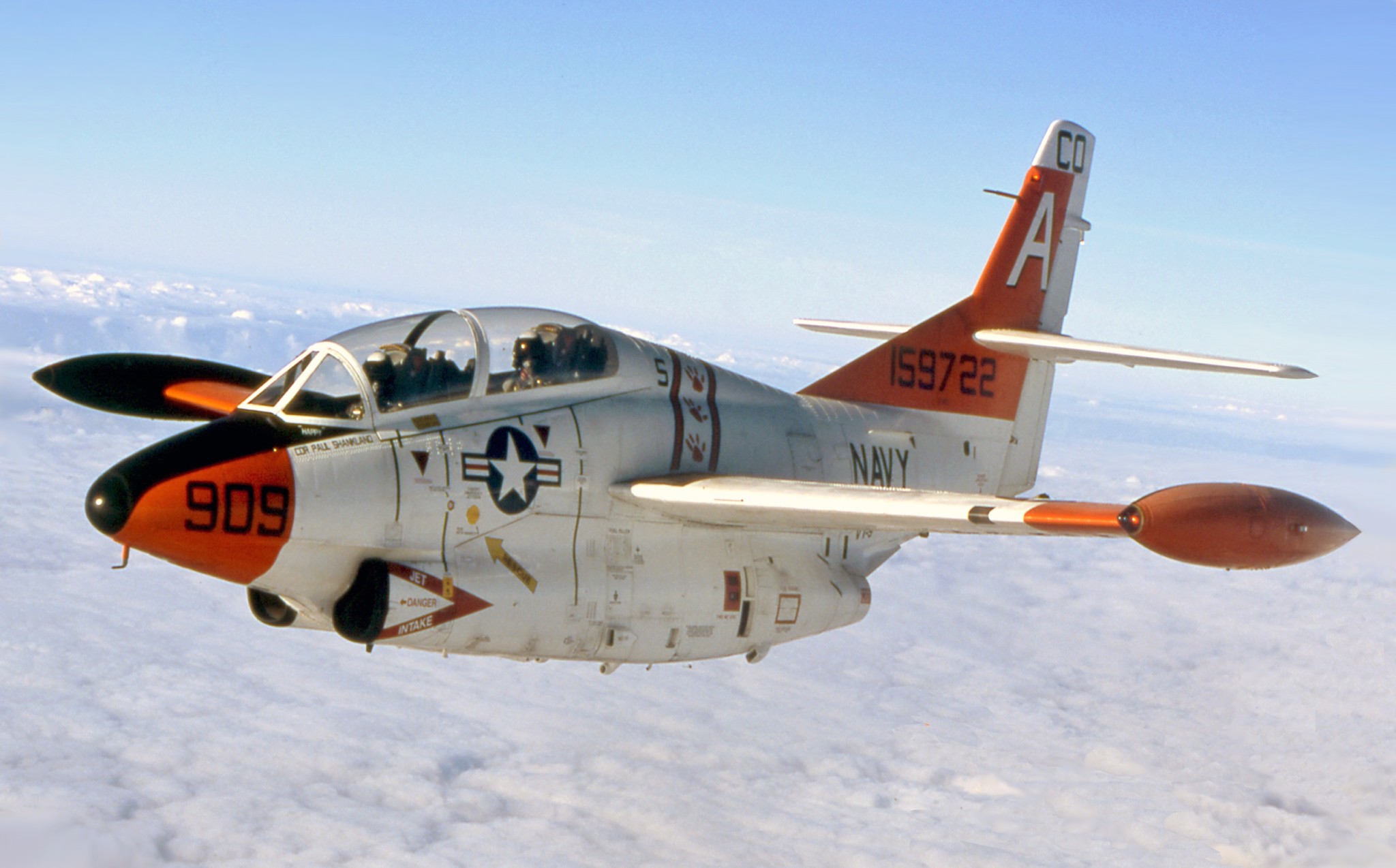


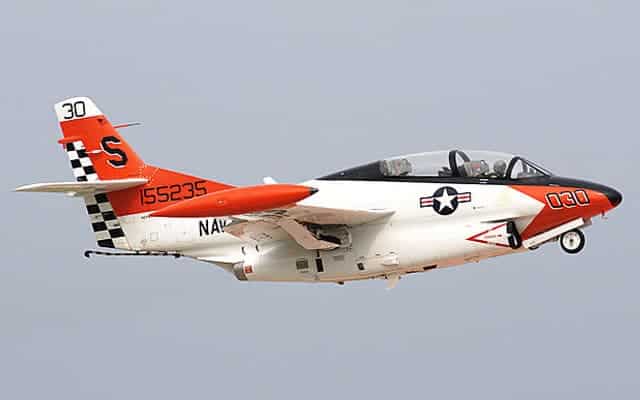
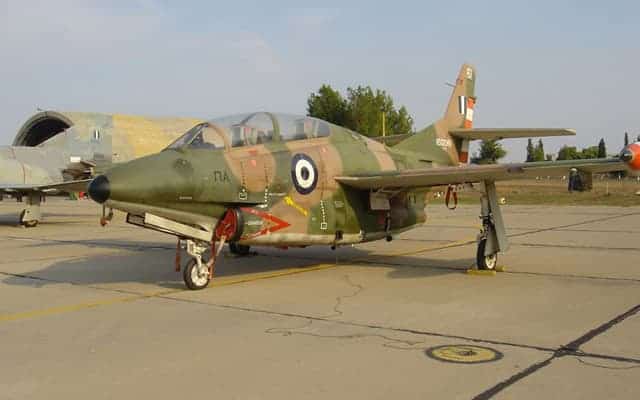
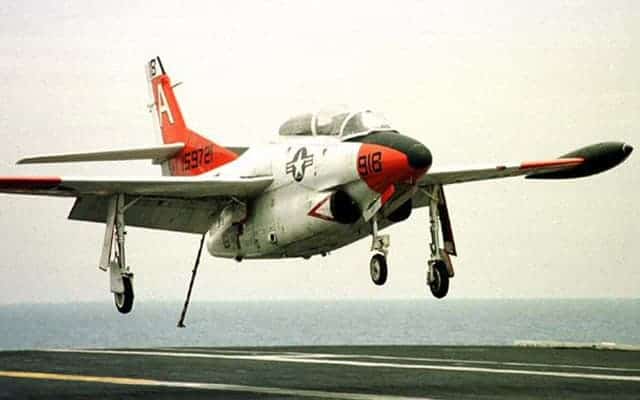
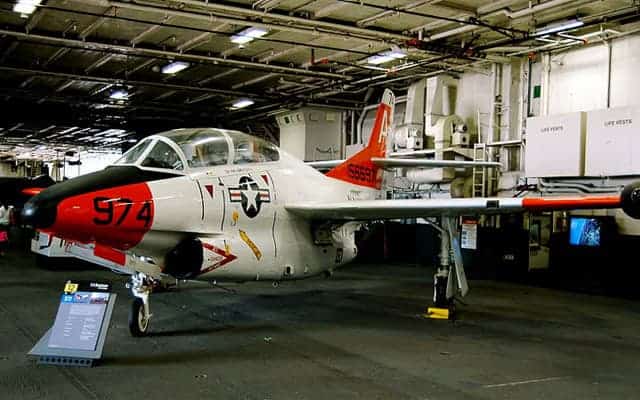
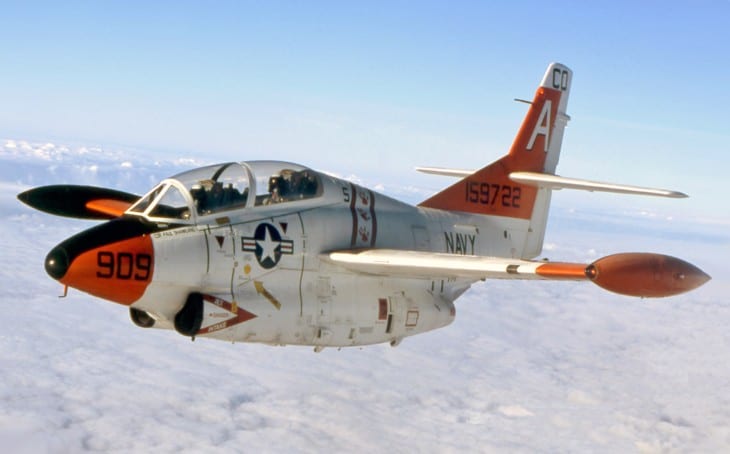
The T-2 first flew in 1958 and entered service in 1959. It was designed specifically for naval jet training and featured strengthened landing gear and an arresting hook for carrier operations. The aircraft introduced generations of pilots to jet performance.
Powered by two turbojet engines producing between 2,700 and 3,000 pounds of thrust (12 to 13 kN) each depending on variant, the T-2 cruised at approximately 450 knots (830 km/h). Maximum takeoff weight was about 15,000 pounds (6,800 kg). The tandem cockpit supported advanced instruction.
The Buckeye remained in U.S. Navy service until replaced by the T-45 Goshawk. Its straightforward design and carrier capability made it a reliable training platform. The aircraft holds an important place in naval aviation history.
Sources and references used for research and fact-checking.