Fighter Jets
Boeing F-15EX Eagle II
ICAO: F15
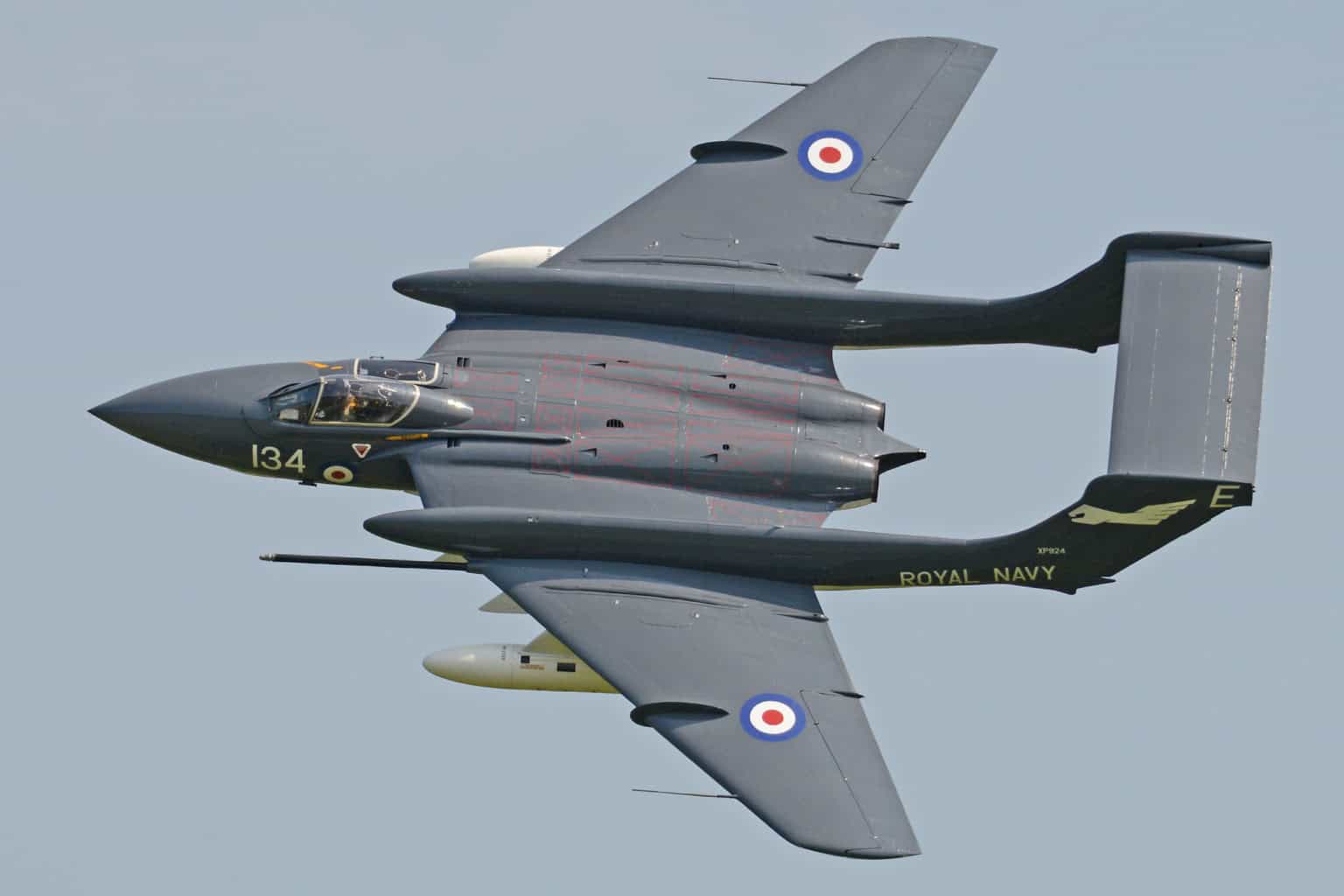
The twin-boom naval fighter built for fleet air defense.
The latest aviation news and stories sent to your inbox.
The de Havilland DH.110 Sea Vixen was a British carrier-based interceptor developed in the 1950s. Designed for all-weather fleet defense, it featured a distinctive twin-boom configuration. The aircraft served with the Royal Navy during the Cold War.
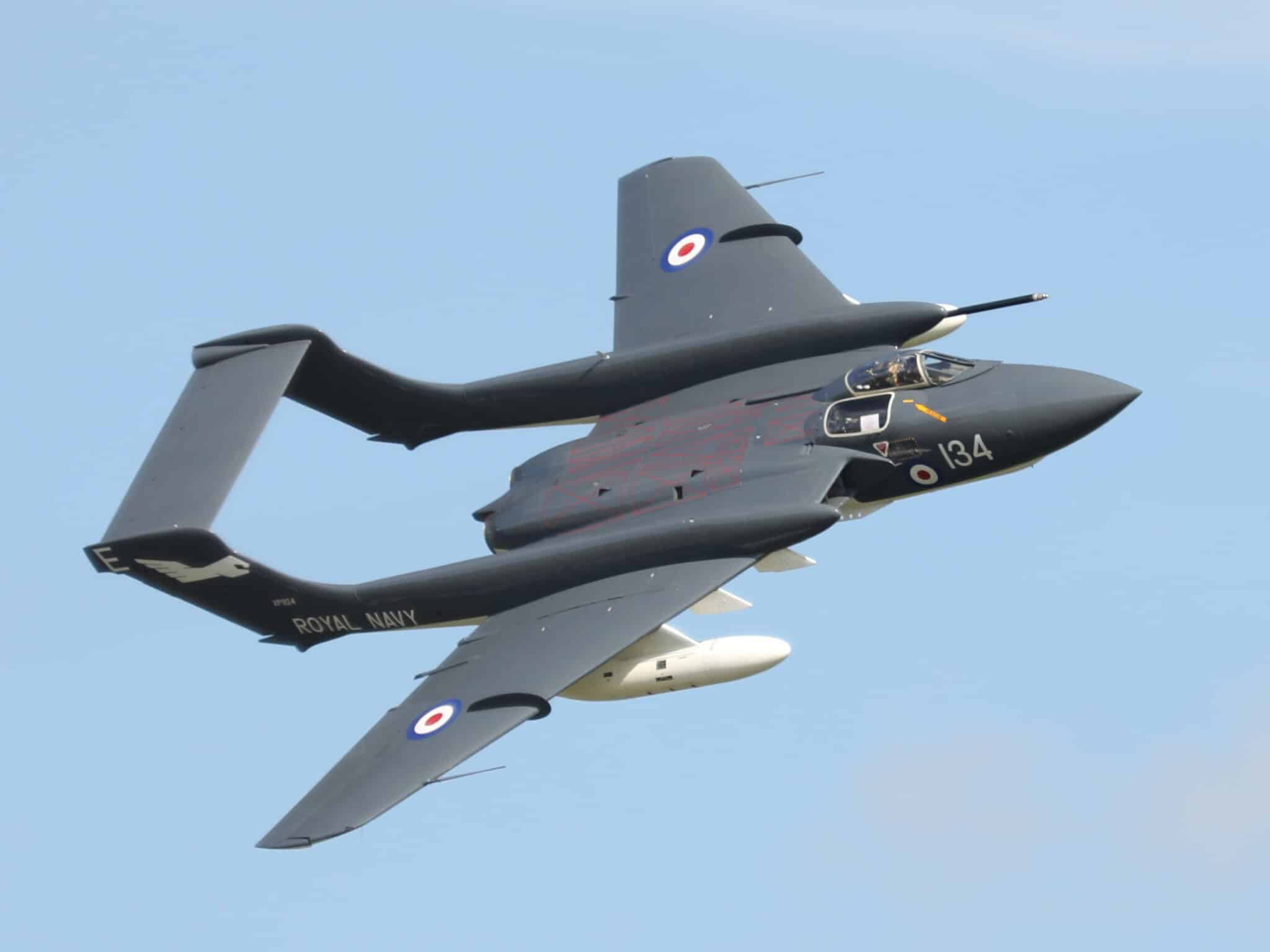


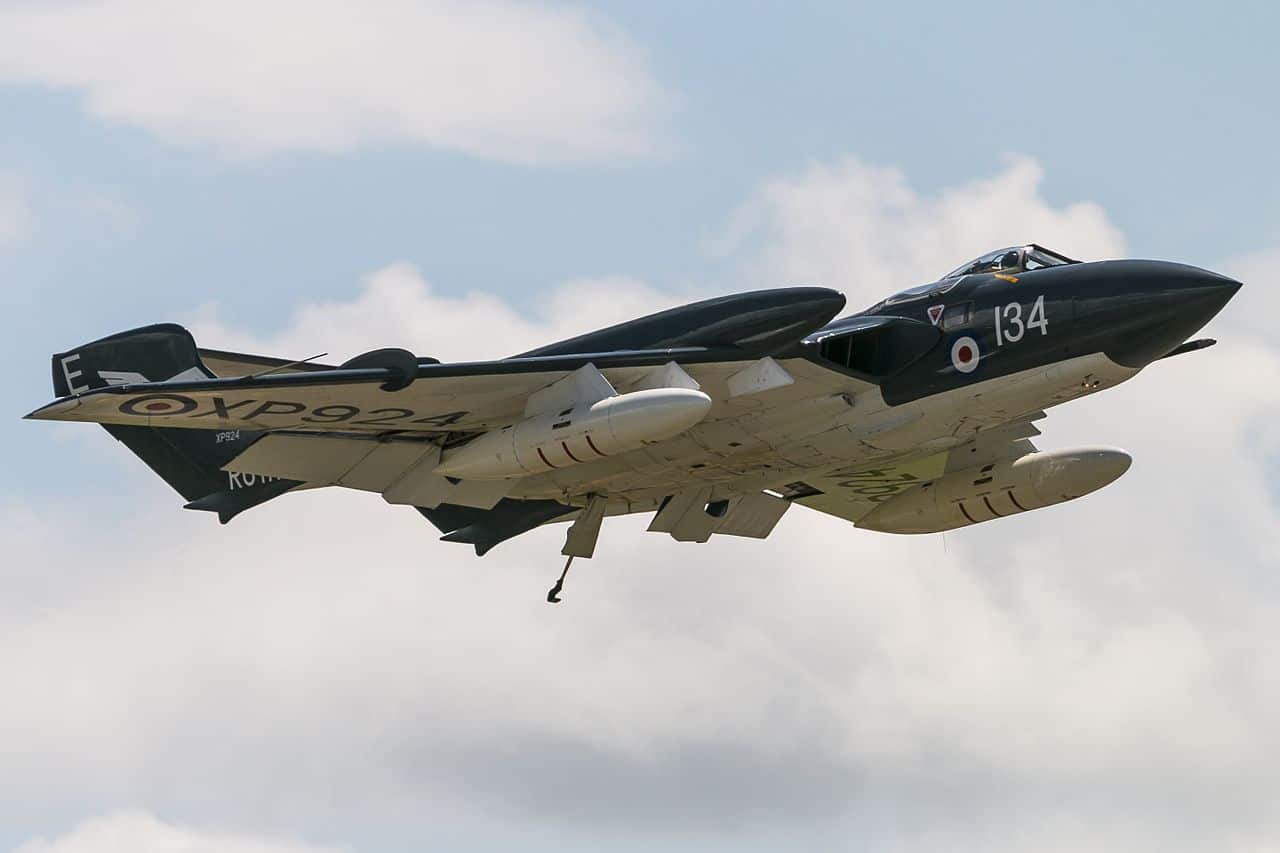
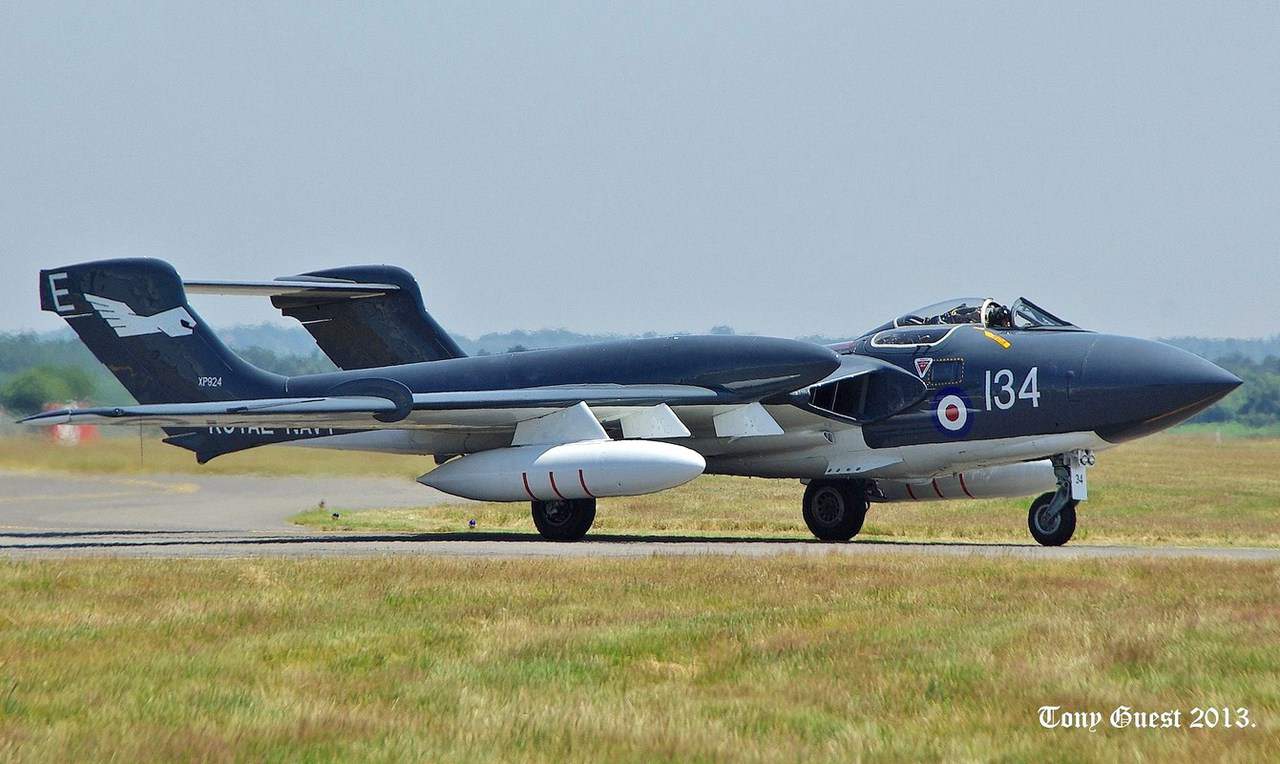

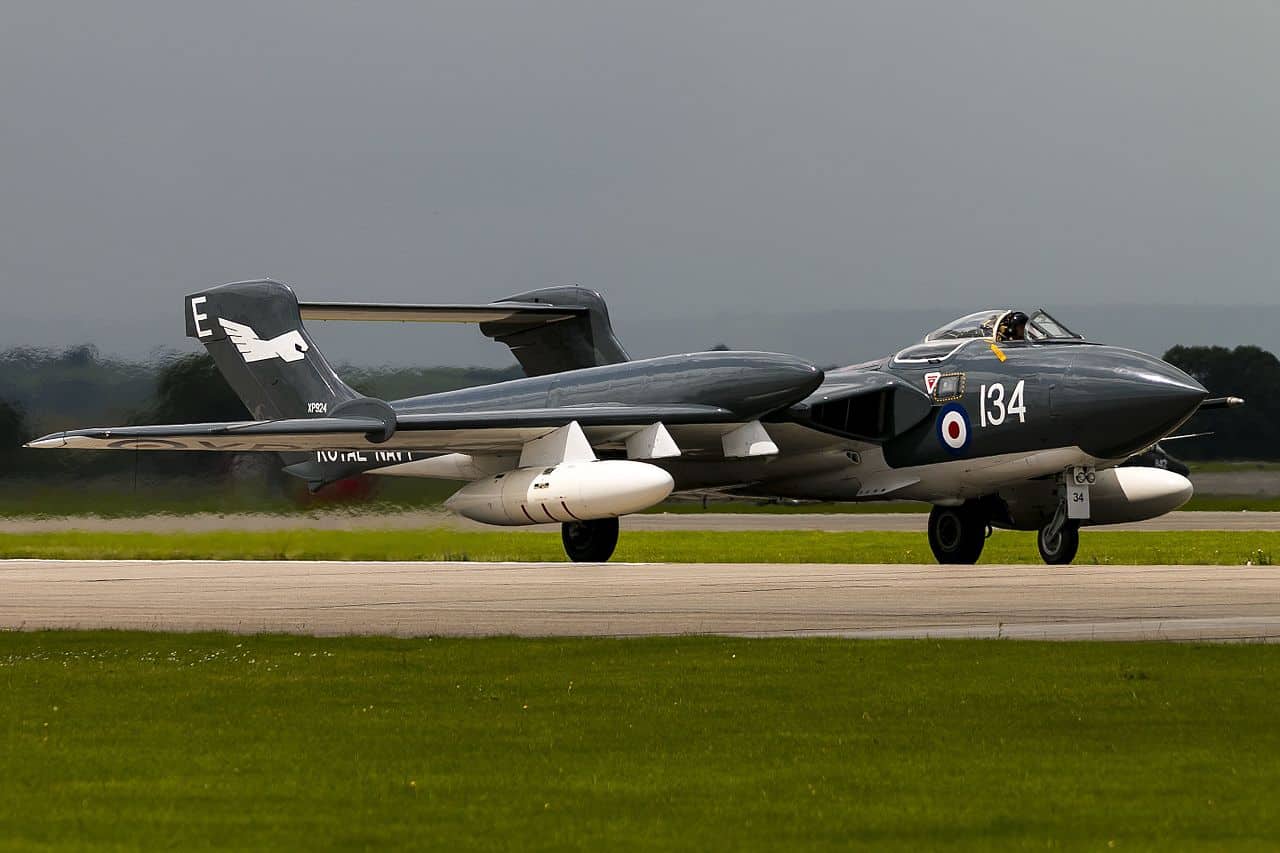


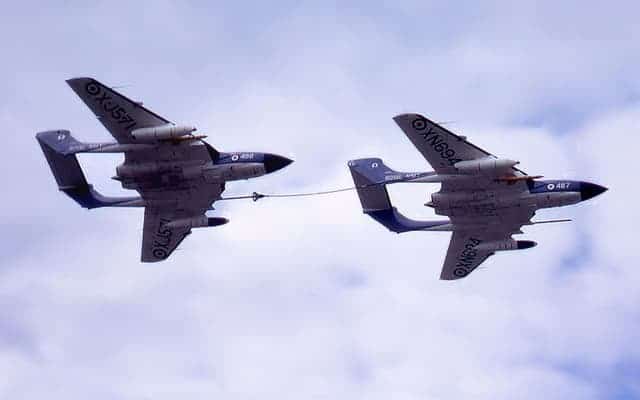
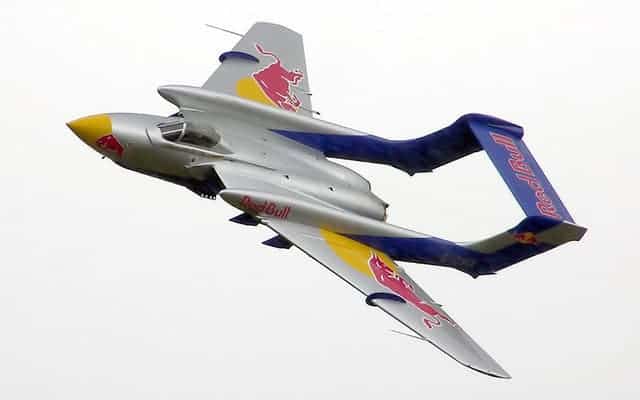

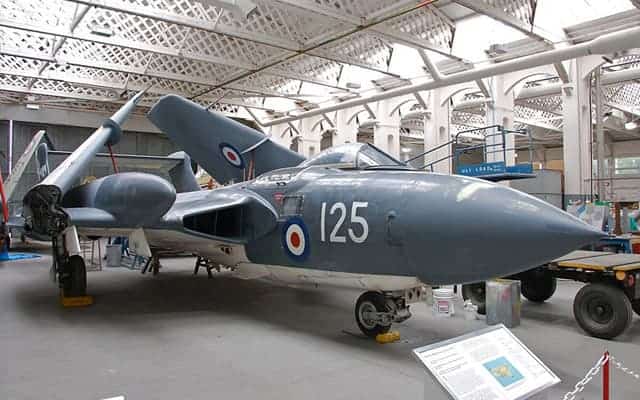
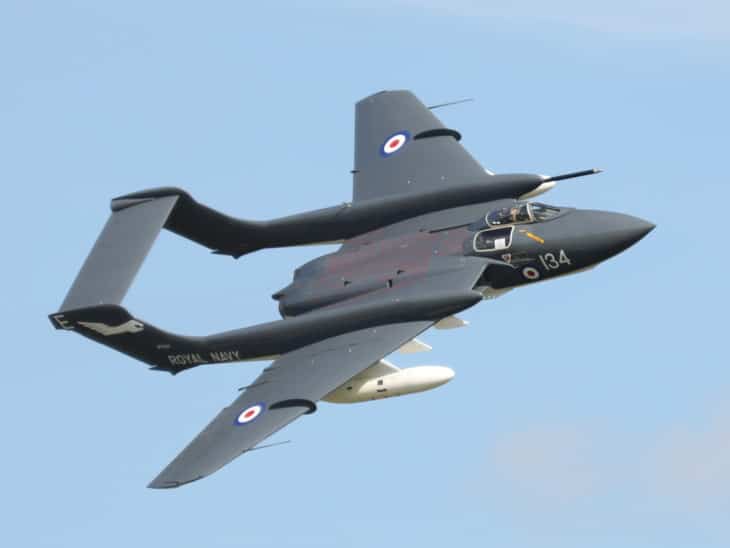
The Sea Vixen first flew in 1951 and entered Royal Navy service in 1959. It was designed as an all-weather interceptor capable of operating from aircraft carriers. The twin-boom layout and swept wings provided stability and performance for maritime operations.
Powered by two Rolls-Royce Avon turbojet engines producing approximately 11,000 pounds of thrust (49 kN) each, the Sea Vixen could exceed Mach 1. Maximum takeoff weight was around 36,000 pounds (16,330 kg). The aircraft carried radar-guided missiles for fleet air defense missions.
The Sea Vixen served throughout the 1960s in carrier-based roles. Its radar and missile systems enhanced the Royal Navy’s interception capability. The aircraft remains one of Britain’s most distinctive naval fighters of the jet age.
Sources and references used for research and fact-checking.