Fighter Jets
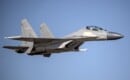
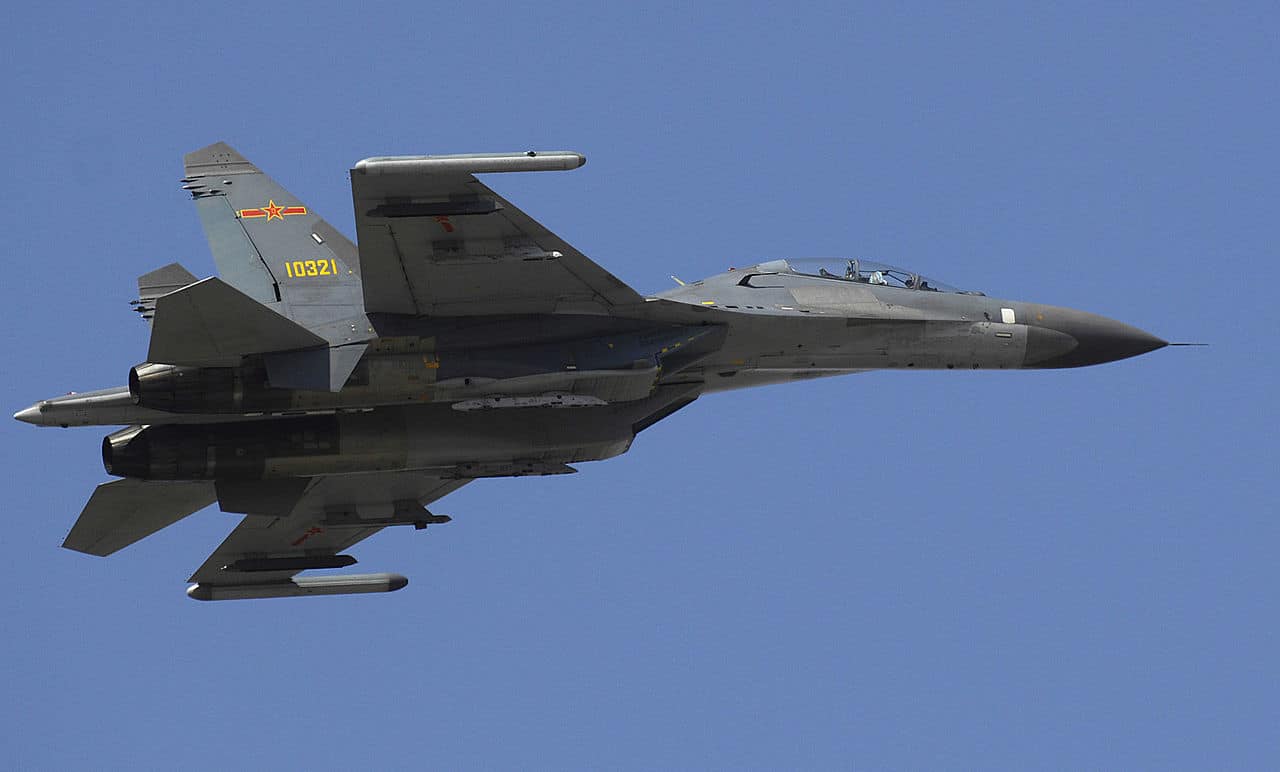
The Shenyang J-11 is China's licence-built version of the Russian Su-27 Flanker, the heavy twin-engine fighter that grew into the J-11B and the backbone of the PLA Air Force's air superiority fleet.
Updated: by Tim de Vries
The latest aviation news and stories sent to your inbox.
The Shenyang J-11 is a single-seat, twin-engine air superiority fighter built in China from the Russian Su-27 Flanker. Production began under a mid-1990s licence deal, and the first two aircraft were completed in December 1998. China later replaced Russian parts with its own radar, engines and weapons, which produced the J-11B and several naval and upgraded versions. Roughly 440 J-11 family aircraft have been built, and the type still flies with the PLA Air Force and Navy.
Live Fleet Activity (J-11)
Fetching live data…
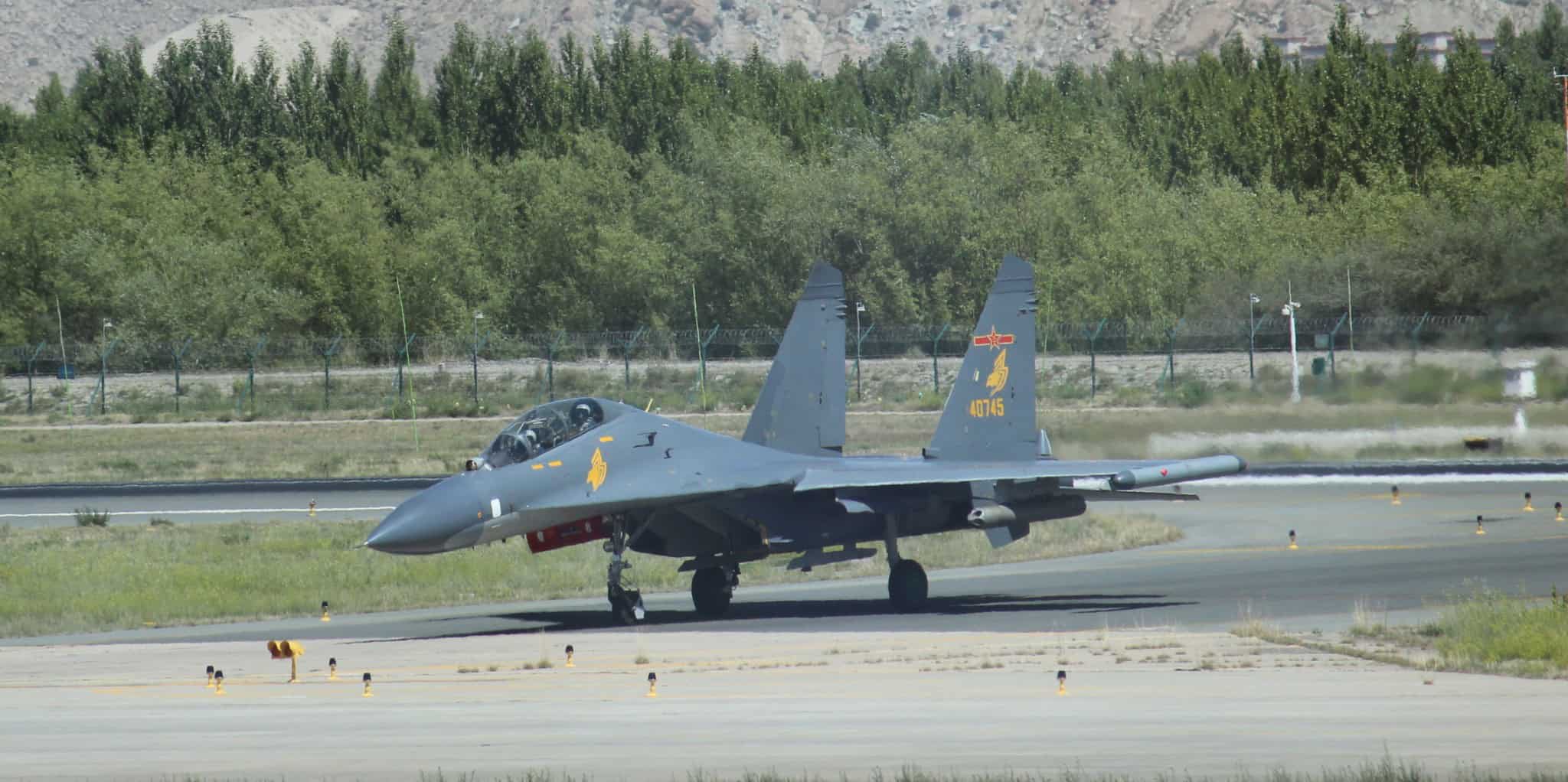

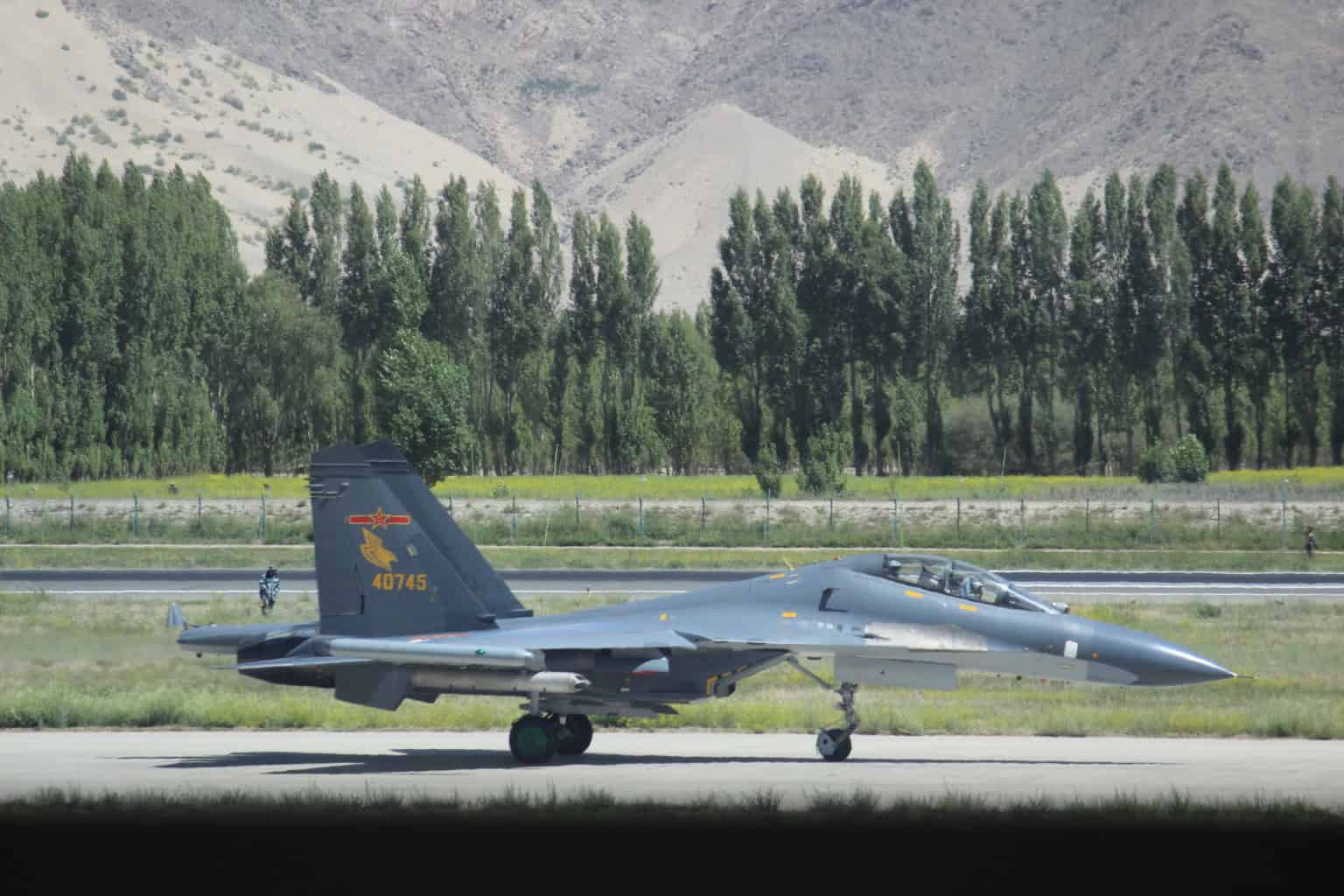
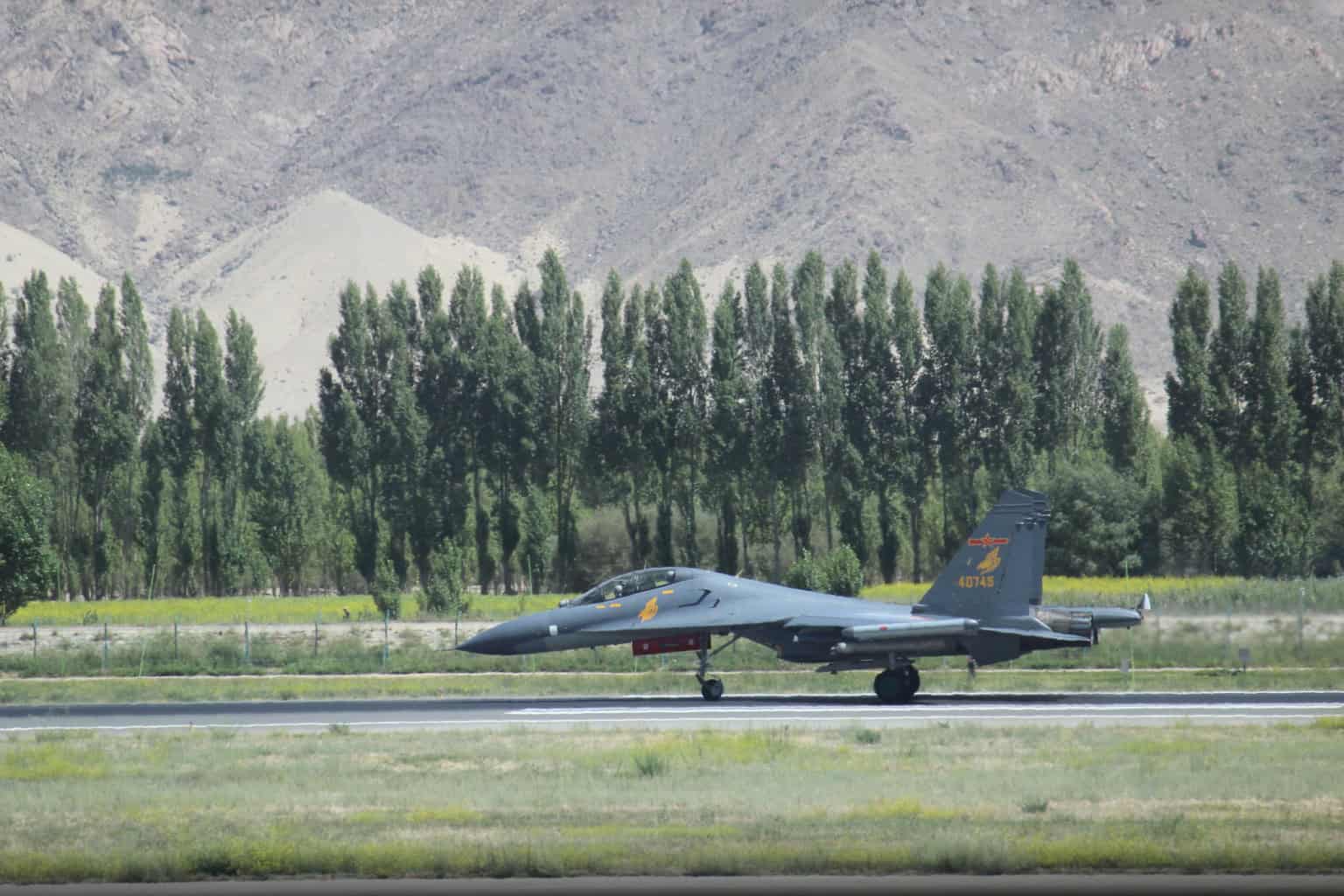
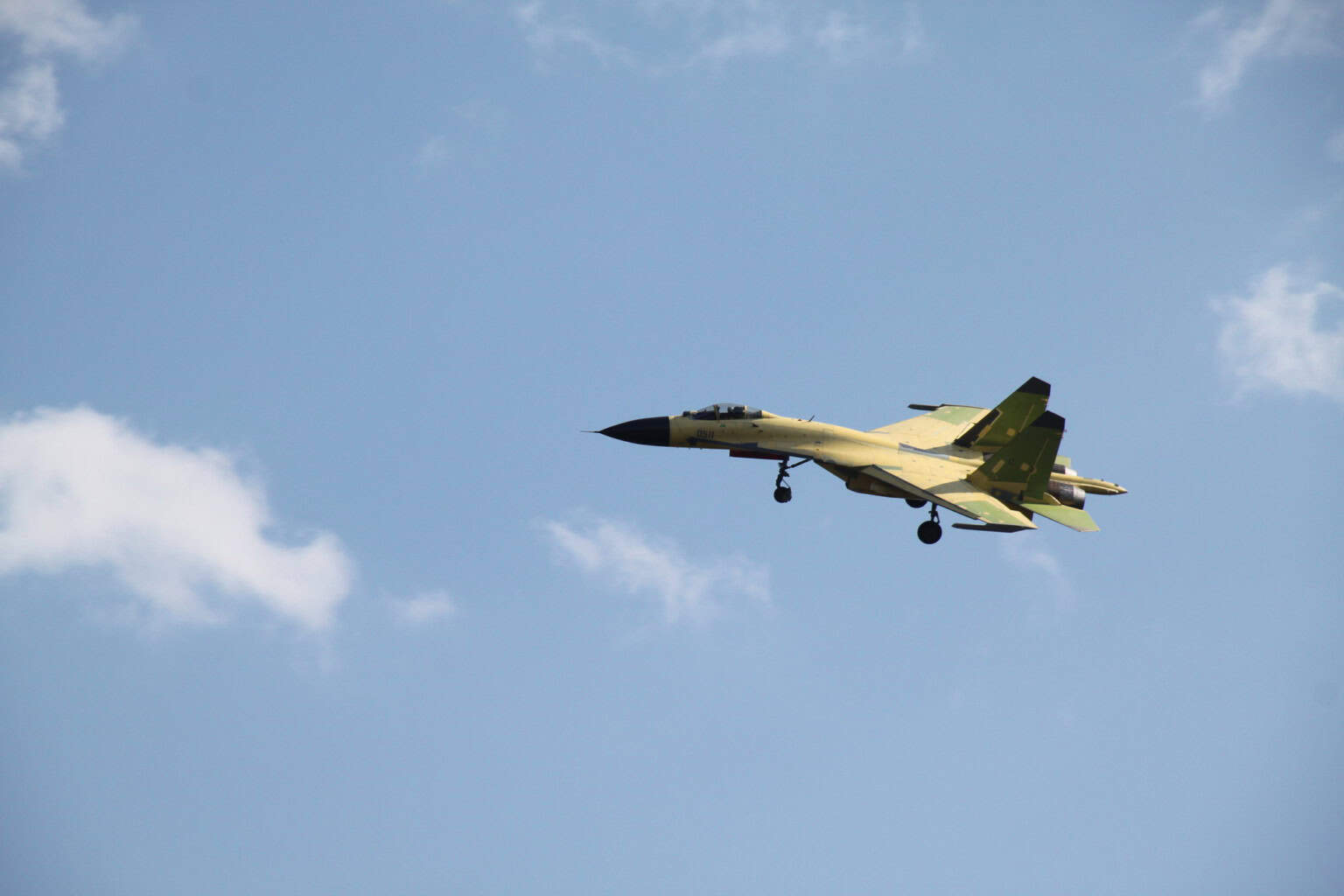


The Shenyang J-11 is a Chinese-built version of the Russian Sukhoi Su-27 Flanker, a large twin-engine, single-seat air superiority fighter. NATO calls it the Flanker L, and Chinese sources use the name Yinglong, or “Eagle Dragon.”
So yes, the J-11 started as an Su-27. China built the first examples from Russian kits, then spent two decades replacing Russian parts with its own.
The full specification table for the aircraft is on this page. The sections below explain the figures that need context.

China bought Su-27s after the 1989 Tiananmen Square protests, when Western governments imposed an arms embargo. Russia delivered 76 Su-27SK and Su-27UBK fighters in the early 1990s.
A licence deal followed in the mid-1990s. It was worth about US$1.2 billion and covered 200 aircraft assembled by Shenyang Aircraft Corporation from kits supplied by the Russian plant at Komsomolsk-on-Amur.
The first two J-11s were completed in December 1998. At least 105 had been built by 2006, and China is widely reported to have stopped buying kits well before the full 200.
The J-11 and J-11A are the Russian-kit and early domestic-assembly aircraft. They keep the Russian AL-31F engines and N001 radar.
The J-11B is the indigenised version. It uses a Chinese radar, Chinese weapons integration and, in later blocks, the Chinese WS-10A engine. Three prototypes were delivered in 2006, and a two-seat J-11BS followed about two years later.
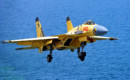
The Navy flies the J-11BH and two-seat J-11BSH, with J-11BH deliveries starting around 2010. The J-11BG is a later upgrade with a light-grey radome, possibly carrying an AESA radar.
The J-11D was meant to go further, with fly-by-wire controls, WS-10B engines and an AESA radar. Three prototypes flew between 2015 and mid-2016, and the programme was then dropped.
The panel’s top speed is the Su-27’s published Mach 2.35 at altitude. That is a clean-airframe figure. A J-11 carrying missiles and tanks cannot reach it, and nobody flies near it on a normal mission.
The range is a cruising-altitude figure with internal fuel. Range at sea level is far shorter, so a mission flown low uses much more of the fuel load than a high-altitude transit.
The J-11 can pull 9 g, and the ceiling in the panel assumes no external stores. Hang missiles under the wings and both figures shrink.
Thrust follows the same logic. The panel’s engine figure is the AL-31F’s afterburner rating, and each engine makes much less in dry power.
Early J-11s use the Russian Saturn AL-31F. Shenyang’s engine partner Liming used the AL-31 to help develop the WS-10, and the WS-10A powers the J-11B Block 02 with about 30,000 lbf per engine in afterburner.
The engine is the part of the aircraft that China long depended on Russia for, so a domestic engine changes how independently the J-11B can be built and supported.

A single 30 mm GSh-30-1 cannon carries 150 rounds. Ten hardpoints carry missiles such as the PL-8, PL-9, PL-10, PL-12 and PL-15, plus the Russian R-27, R-73 and R-77.
The J-11 and J-11A use the N001VE radar, and the J-11B uses the Chinese Type 1493. All carry the OEPS-27 electro-optical sight, and the helmet-mounted NSts-27 sight and Gardeniya jamming pods are also reported.
Rockets and free-fall cluster bombs give it a limited ground-attack role. The more capable strike variant of the Flanker family in China is the Shenyang J-16.
About 440 to 450 J-11 family aircraft have been built, according to the figure Wikipedia gives as of 2026. Published in-service counts are older and vary by source.
The most detailed breakdown is from 2018. It lists 100 J-11A, 180 J-11B and 90 J-11BS with the PLA Air Force, and 40 J-11BH and 32 J-11BSH with the PLA Navy. Treat it as a ceiling for a single year, not as a current order of battle.

J-11Bs took part in the joint Sino-Pakistani Shaheen 1 exercise in March 2011. In August 2014 a J-11B intercepted a US Navy P-8 over the South China Sea, which Washington called unsafe and raised in a diplomatic complaint.
The type has also had losses. A J-11B from the 111th Aviation Brigade crashed during training on 7 December 2017, killing the pilot, Captain Huang Peng.
It began as one. The first J-11s were assembled from Russian Su-27 kits, and the J-11B is an indigenised development of the same airframe with Chinese radar, weapons and later engines.
“J” is the prefix Chinese designations use for fighters, and 11 is the model number. Its Chinese name is Yinglong, “Eagle Dragon,” and NATO’s reporting name is Flanker L.
A J-11B mockup was shown in mid-2002 and the first prototypes were delivered in 2006. The J-11B is reported to have replaced kit production around 2004, and the two-seat J-11BS followed about two years after the prototypes.
About 440 to 450 J-11 family aircraft have been built. The last detailed public breakdown, from 2018, listed about 370 with the PLA Air Force and 72 with the Navy.
Wikipedia lists production as 1998 to present, and the J-11 family is still in service. Newer Flanker derivatives such as the J-16 now carry most of the new fighter-bomber work.
Sources and references used for research and fact-checking.