Fighter Jets
Saab J-35 Draken
ICAO: SB35
The early Swedish jet fighter built for postwar air defense.
The latest aviation news and stories sent to your inbox.
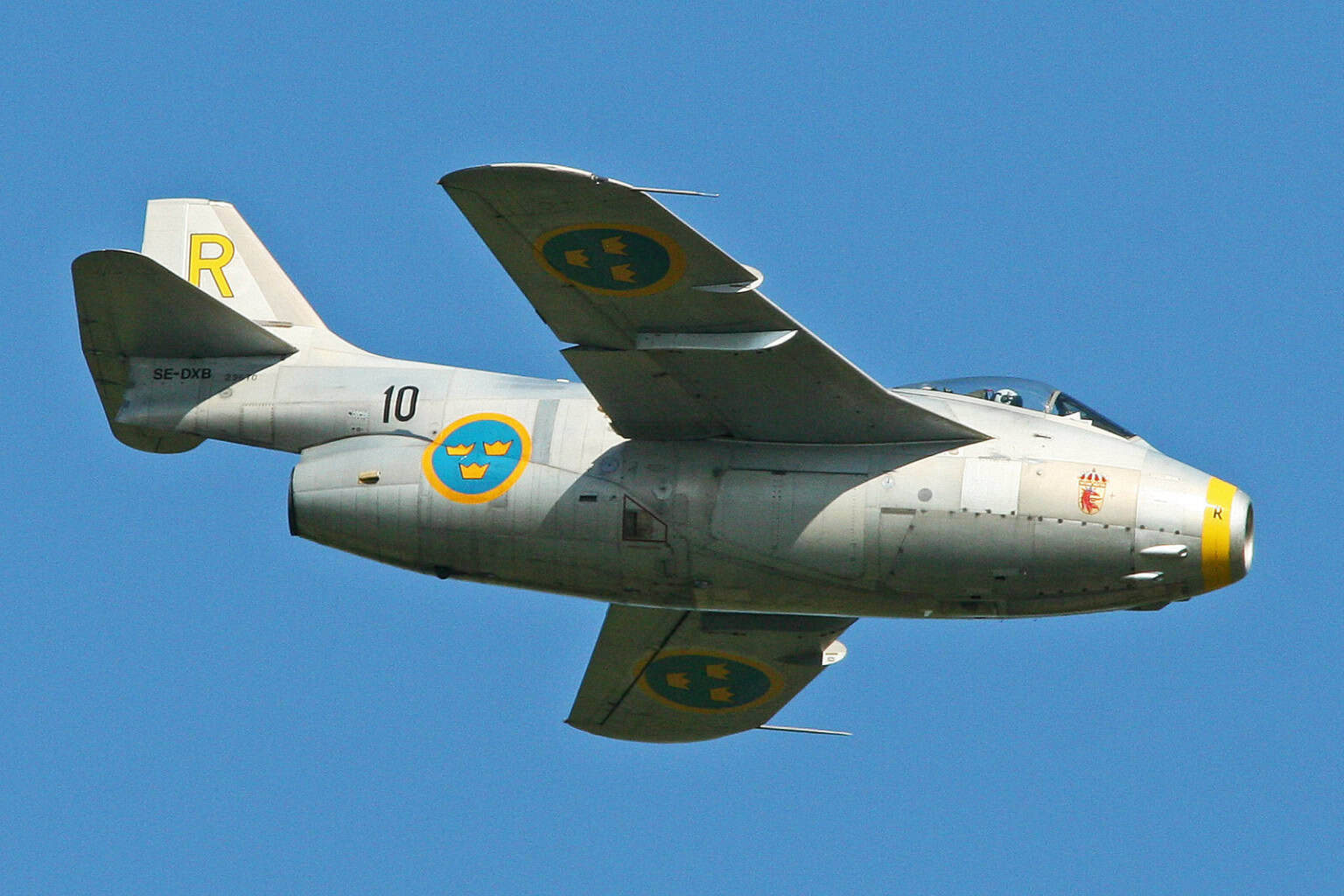
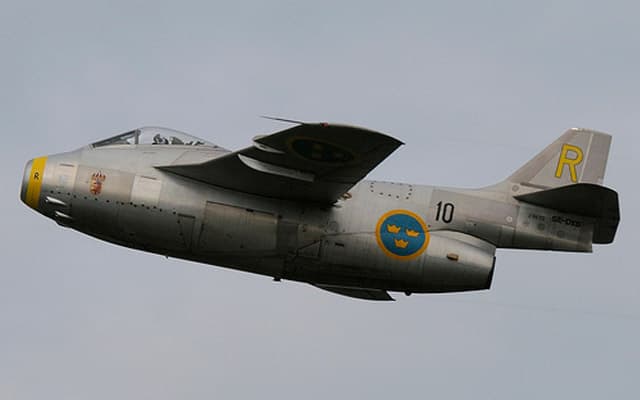
The Saab J-29 Tunnan was one of Sweden’s first operational jet fighters. Developed in the late 1940s, it featured a distinctive barrel-shaped fuselage and swept wings. The aircraft provided Sweden with modern air defense capability during the early Cold War.
Live Fleet Activity (SB29)
Fetching live data…
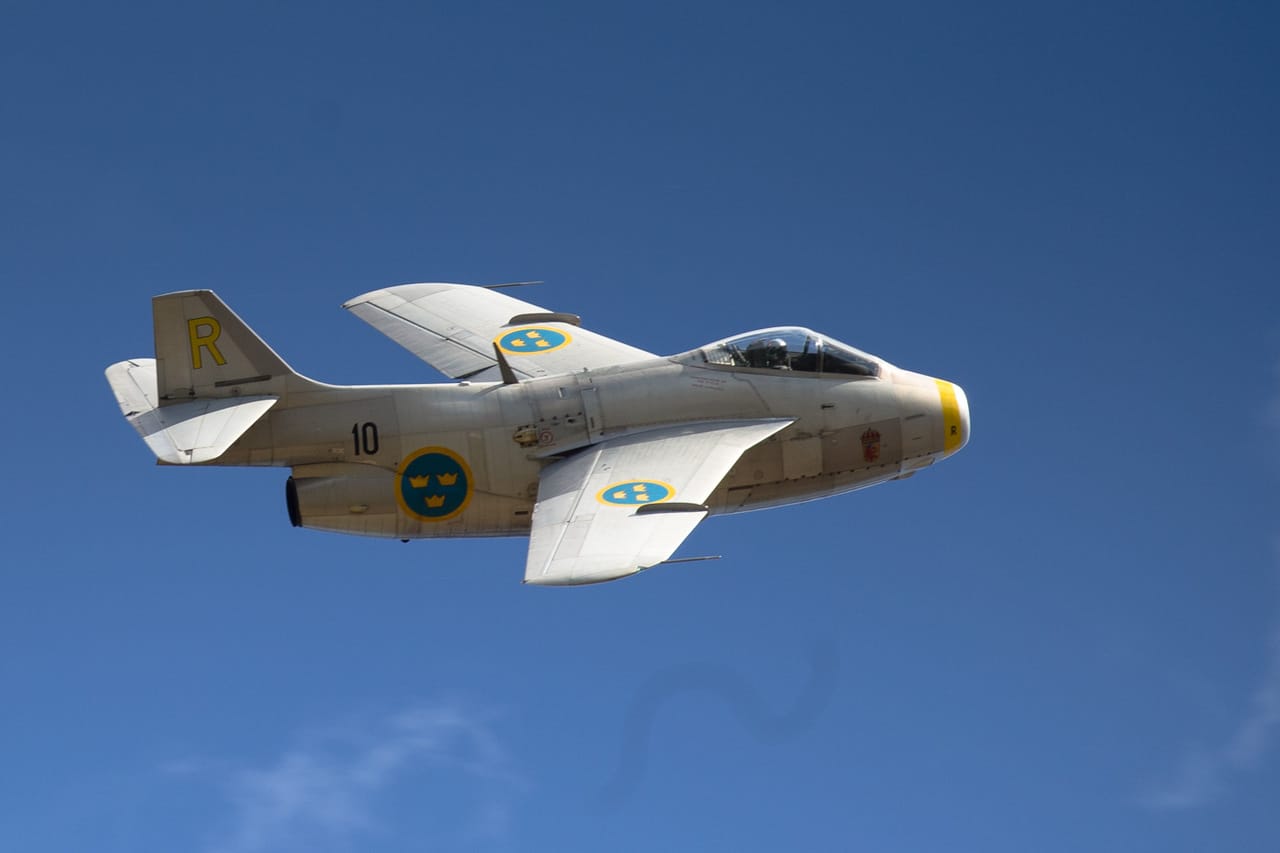


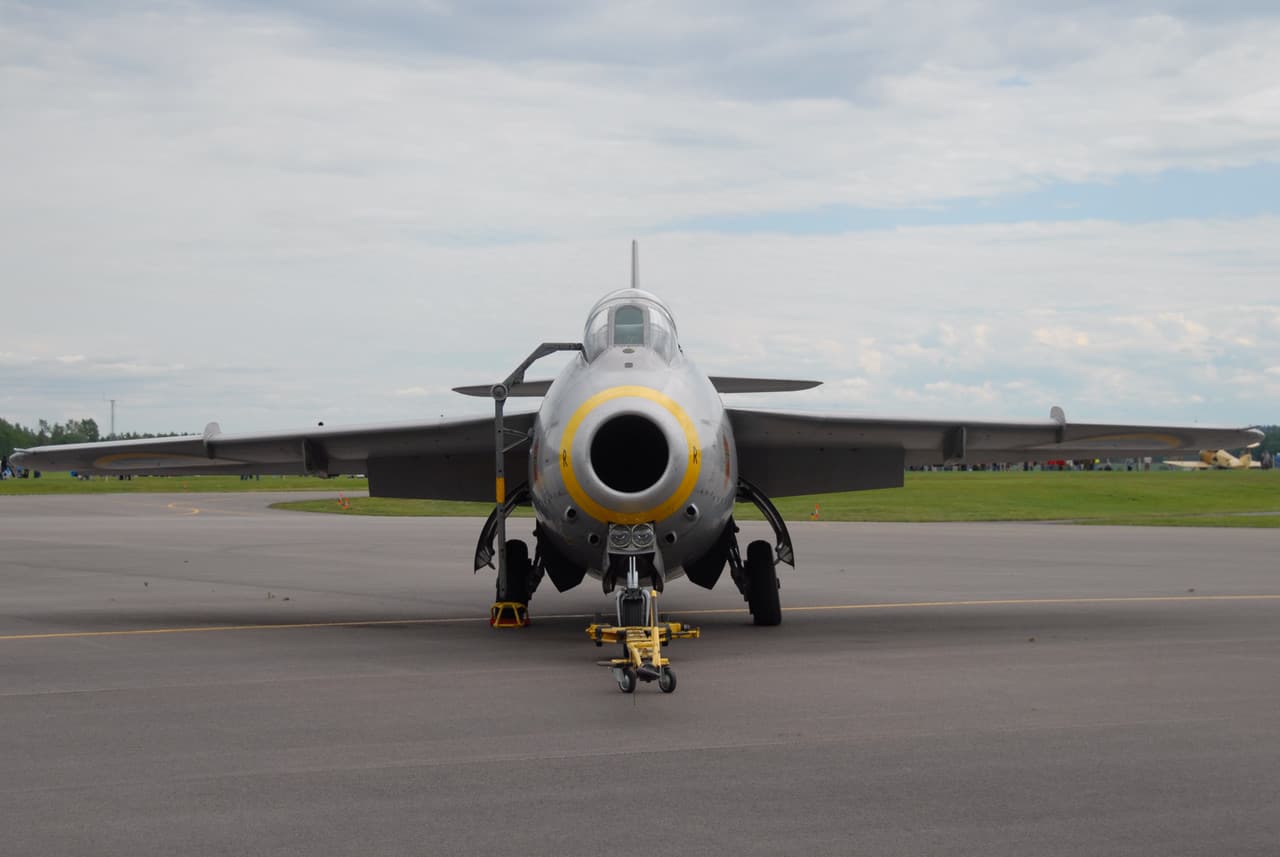

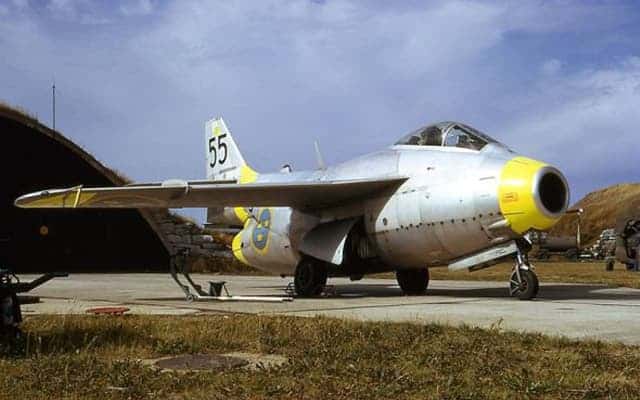
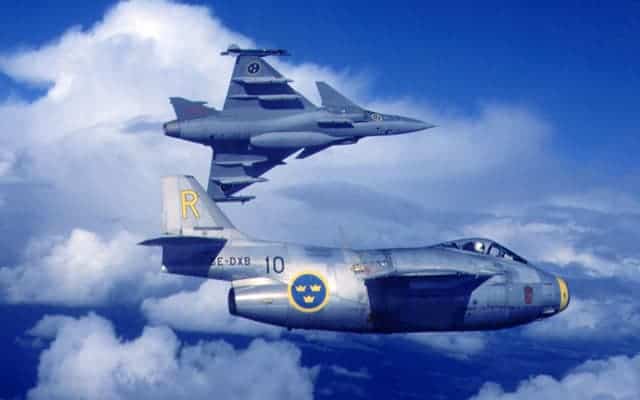

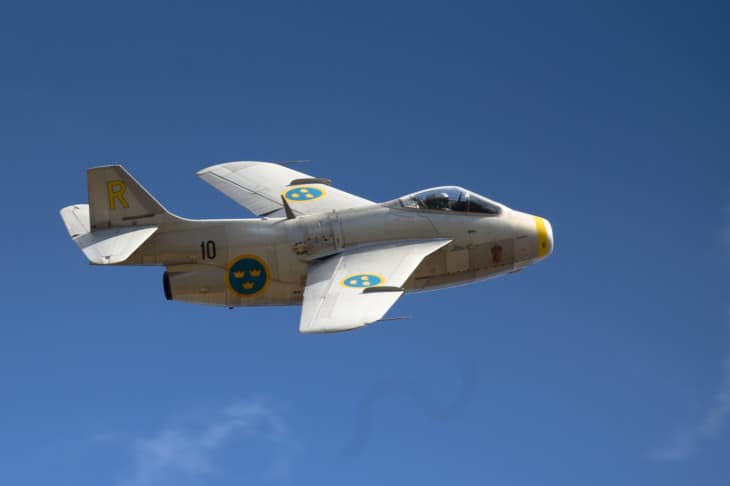
The J-29 first flew in 1948 and entered service in 1951. It incorporated swept-wing aerodynamics influenced by contemporary research into high-speed flight. The aircraft was designed to provide Sweden with a domestically produced jet fighter capable of intercept missions.
Powered by a de Havilland Ghost turbojet engine producing approximately 5,000 pounds of thrust (22 kN), the J-29 could exceed 650 knots (1,200 km/h). Maximum takeoff weight was around 18,000 pounds (8,165 kg). Armament typically included four 20 mm cannon.
The Tunnan served with the Swedish Air Force and saw limited international deployment in United Nations missions. Its performance marked a significant advancement for Swedish aerospace engineering. The aircraft remains a milestone in early European jet fighter development.
Sources and references used for research and fact-checking.