Twin Turboprops
Cessna 411
ICAO: C411
The Cessna 310 was introduced in the 1950s as one of the company’s first twin-engine designs. It quickly became popular among business operators and private owners. The aircraft helped establish Cessna’s reputation in the light twin market.
The latest aviation news and stories sent to your inbox.
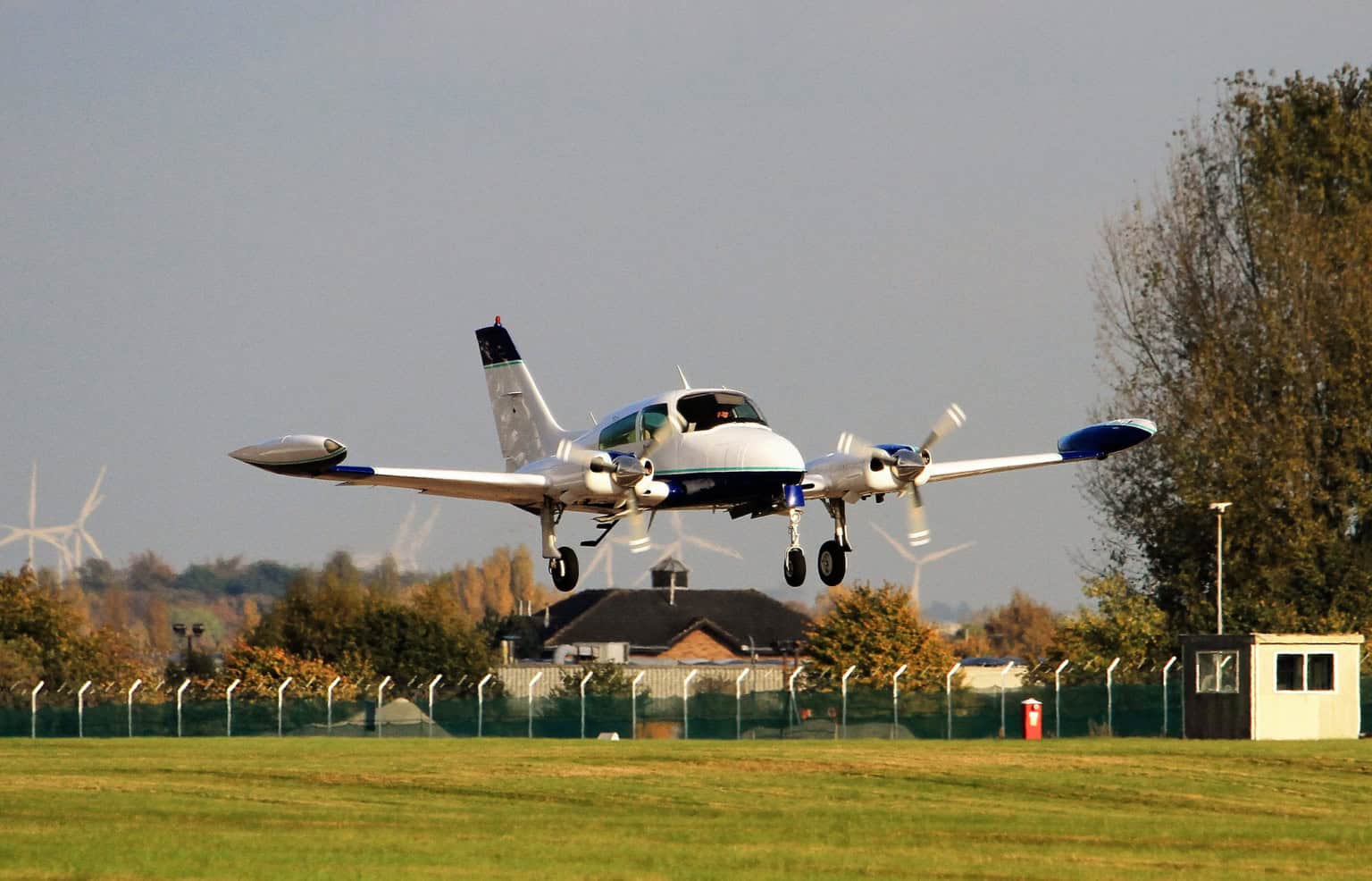
Cessna 310 — twin-engine piston aircraftThe 310 first flew in 1954 and entered service the following year. It featured distinctive tip tanks and retractable landing gear. The aircraft was designed for speed and cross-country capability.Powered by two Continental piston engines producing approximately 260 horsepower each in many variants, the 310 cruised at around 200 knots (370 km/h). Maximum takeoff weight exceeded 5,000 pounds (2,268 kg).The 310 remained in production for nearly three decades. Its performance and styling influenced later Cessna twins. Many examples continue to operate in private ownership.
Live Fleet Activity (C310)
Fetching live data…


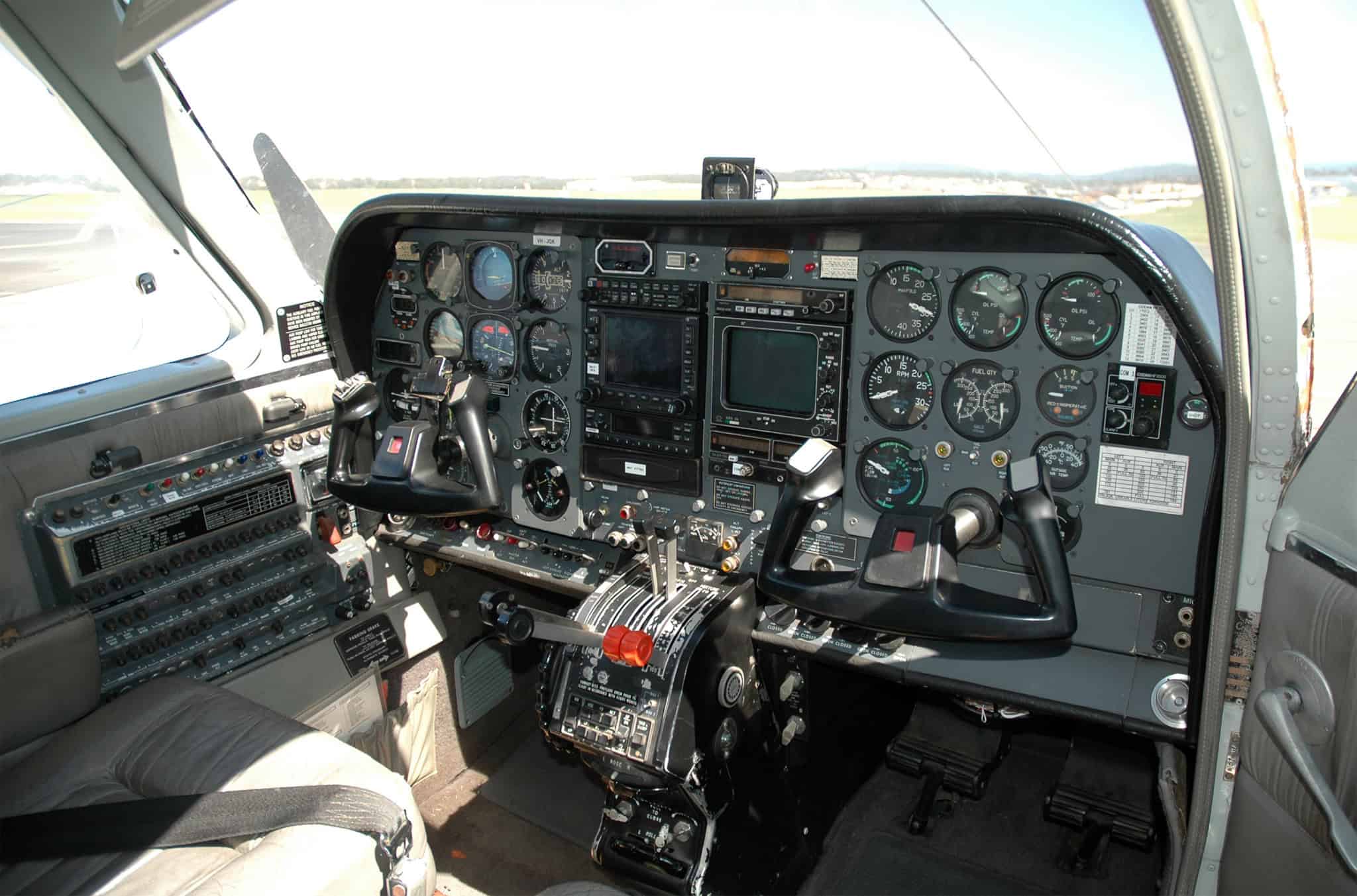

On January 3, 1953, the Cessna 310 conducted its maiden flight. In late 1954, deliveries of the aircraft started. Throughout the aircraft’s 28-year production span, it involved numerous improvements and innovations such as engine exhaust thrust augmenter tubes and the fuel storage in tip tanks in earlier versions. In 1964, it was found out that augmenter tubes cause too much noise, so it was opted to change the flow of the engine exhaust under the wing.
The Cessna 310 also developed from a pressure-carbureted engine to a high-power turbocharged engine. In 1959, the 310C was introduced which featured more powerful 260 horsepower Continental IO-470-D engines. In 1960, another version with swept-back vertical tail surfaces was introduced, designated as the 310D. In 1961, the 310F with an extra cabin window on each side was produced. A few more variants of the 310 were produced until 1980.
The Cessna 310 was used both in commercial and military operations. It was used as a charter aircraft for many air taxi businesses in general aviation after World War II. It boasted its speed, low operating cost, and aftermarket modifications like the Short Take-Off and Landing (STOL) kits that made the aircraft in demand throughout the globe for its bush flying capabilities. The aircraft could take-off and land on short runways, while simultaneously carrying a 2,000 pounds of useful load, at speeds that were above the capability of a typical twin-engine piston aircraft.
The 310 were also utilized by the United States Air Force (USAF) in 1957 as a light utility aircraft for transport and administrative support. The USAF acquired 160 L-27As, unmodified version of the 310A, that were changed afterward to U-3A in 1962. From 1960 to 1961, an additional 36 L-27B, military designation for the 310E/310M powered by 260 hp engines were delivered.
The 1956 model of the Cessna 310 has a cruise speed of 178 knots, a range of 870 nautical miles, a service ceiling of 20,000 feet, and a rate of climb of 1,700 feet per minute. It has a maximum take-off weight of 2,087 kg.
Sources and references used for research and fact-checking.