Twin Turboprops
Cessna 411
ICAO: C411
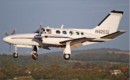
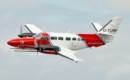
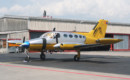
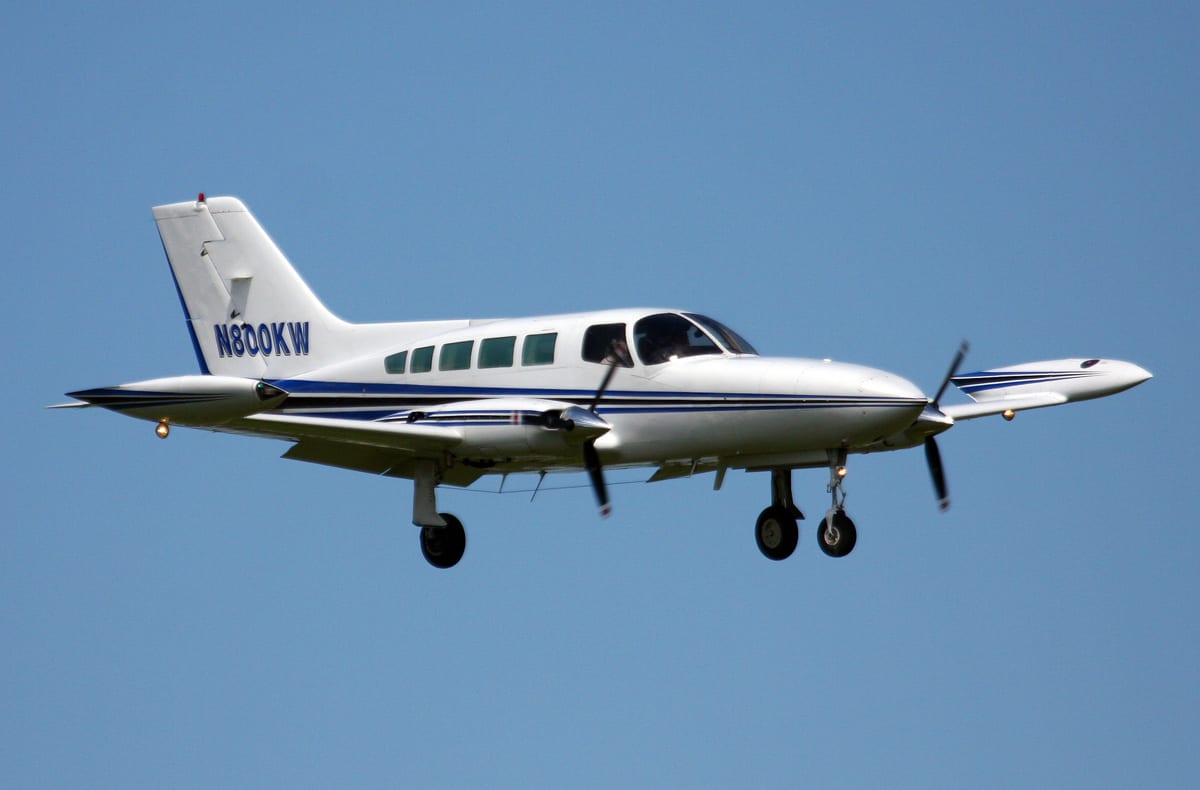
The Cessna 402 Businessliner was introduced in the late 1960s as a twin-engine piston transport. Designed for short-haul passenger service, it became common among commuter airlines. The aircraft also served in corporate roles.
The latest aviation news and stories sent to your inbox.
Cessna 402 Businessliner — twin-engine piston transportThe 402 first flew in 1966 and entered service in 1967. It featured a low-wing configuration with retractable landing gear. The aircraft was optimized for short regional routes and quick turnaround operations.Two Continental piston engines producing approximately 325 horsepower each powered the 402. Cruise speed was around 220 knots (407 km/h). Maximum takeoff weight exceeded 6,800 pounds (3,084 kg), supporting seating for up to 10 passengers in commuter configuration.The 402 became a mainstay of small regional airlines during the 1970s and 1980s. Production concluded in the 1980s, but many remain active in charter and utility service. The model reflects Cessna’s focus on practical transport solutions.
Live Fleet Activity (C402)
Fetching live data…


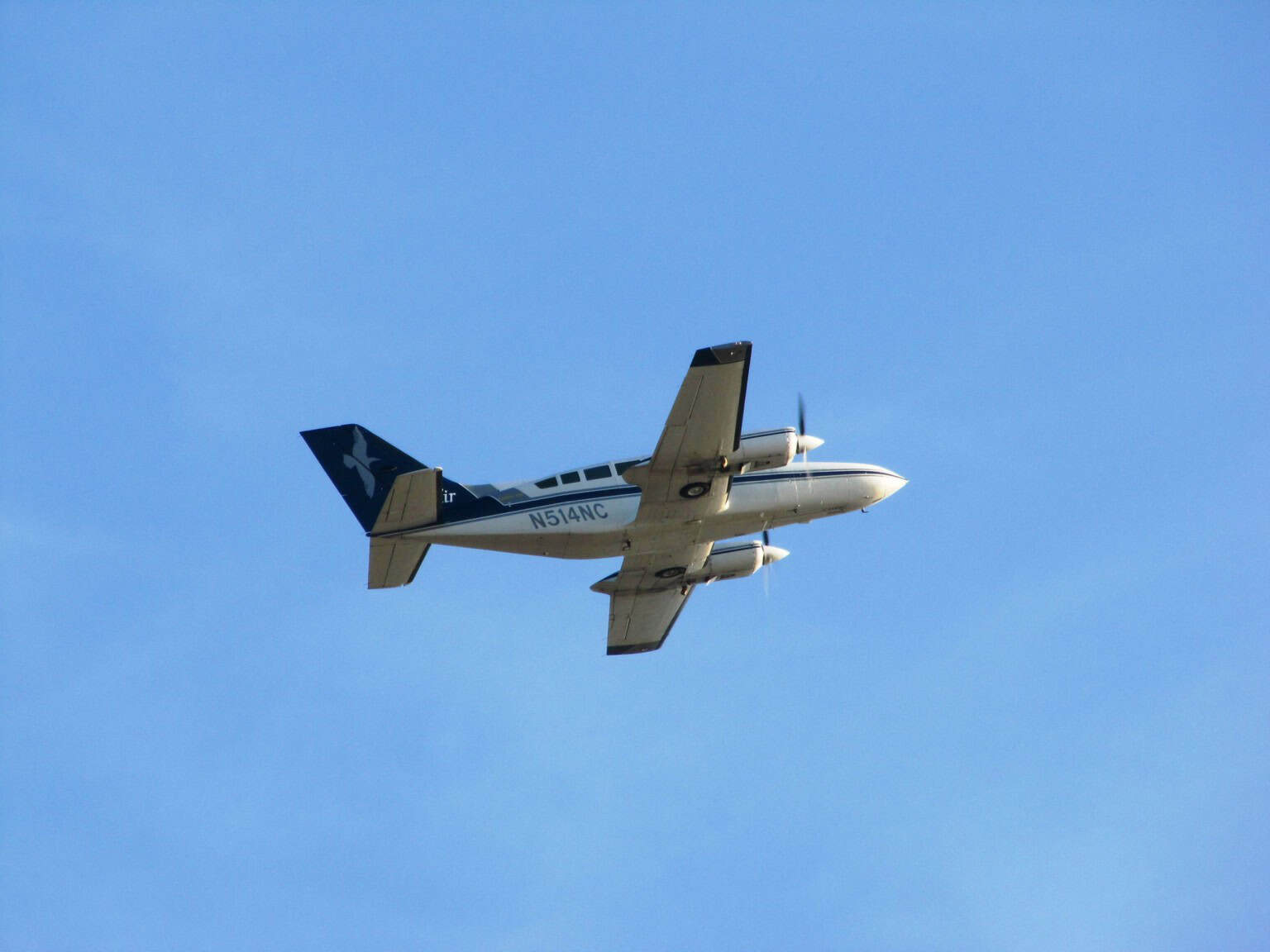


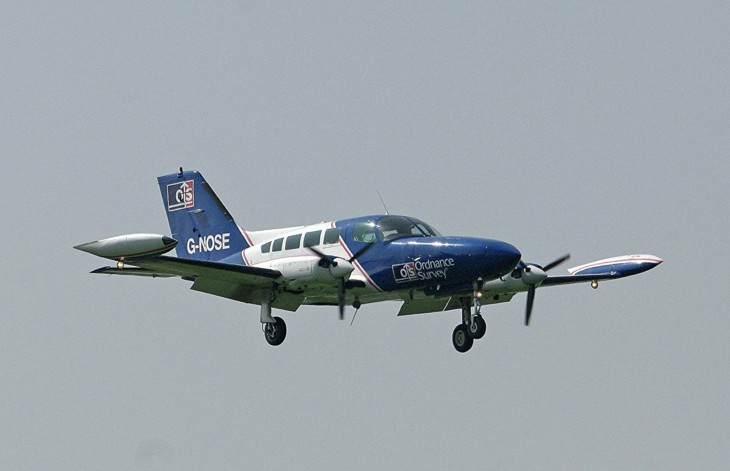
The Cessna 402 was developed to be a workhorse- of service to cargo and small commuter airlines. It was developed from the Cessna 411. It aimed to enhance the very bad single-engine handling of the Cessna 411 and to prevent using high-cost and prone to maintenance engines of the 411.
The aircraft is powered by two Continental engines with a rated thrust of 300 horsepower each, driven by a three-bladed, constant speed, fully feathering propeller. The later version has cruise power limited to 75% to lessen the noise in the cabin. Some versions offer a propeller synchrophaser to address the issue.
In 1967, the original Cessna 402 was launched to the public. In January 1969, the 402A was awarded the Federal Aviation Administration type certificate. It had baggage storage in a stretched nose and an optional entrance door for the crew. The 402B had some minor modifications including an increased cabin volume, five windows on each side, and optional larger fuel tanks.
It was certified on November 12, 1969. In 1979, the Cessna 402 was redesigned with a newly extended wing. The landing gear was changed, using the uncomplicated system from the Cessna 414 and the track was also increased by 1 meter. The aircraft’s engines were restrengthened and enhanced to 325 horsepower. Maximum gross weight was increased to 3,107 kg and fuel capacity was 206 US gal. The new version was designated as the 402C. It was certified on September 25, 1978.
The 402C has a maximum speed of 231 knots at 16,000 feet and a cruise speed of 142 knots at 10,000 feet. It can fly up to 26,900 feet, can climb up to 1,450 feet per minute, and has a travel range of 1,273 nautical miles.
It has a take-off distance of 669 meters and a landing distance of 757 meters. The aircraft has a maximum take-off and landing weight of 3,107 kg and 2,546 kg respectively.
The Cessna 402 has an exterior length of 11.1 meters, a height of 3.5 meters, and a fuselage diameter of 1.55 meters.
Sources and references used for research and fact-checking.