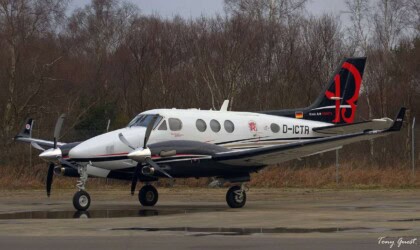
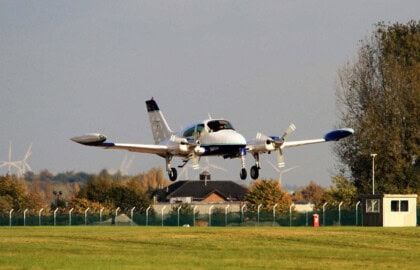
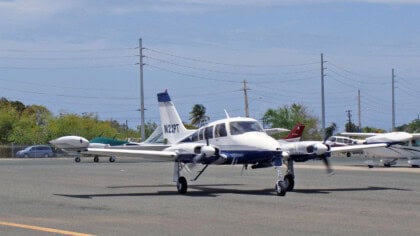
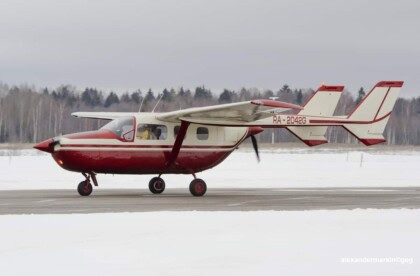
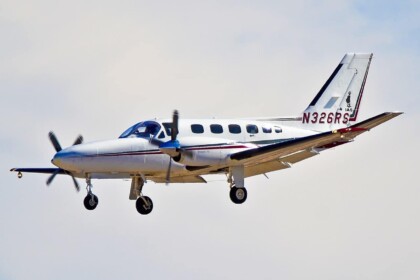
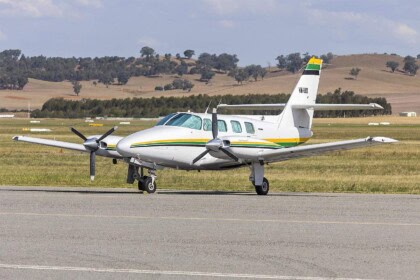
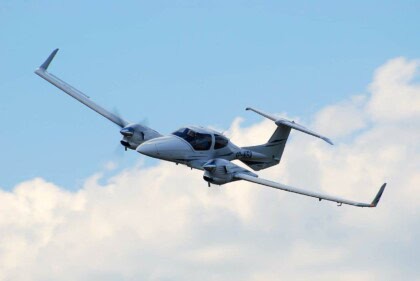
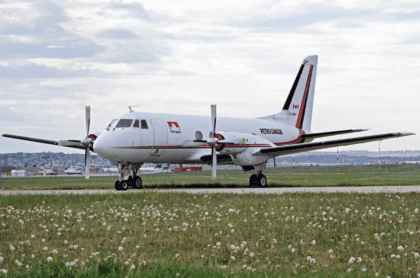
The Cessna 310 was introduced in the 1950s as one of the company’s first twin-engine designs. It quickly became popular among business operators and private owners. The aircraft helped establish Cessna’s reputation in the light twin market.
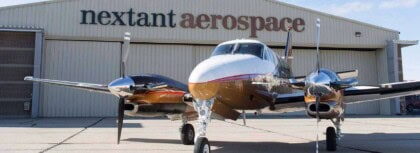
The Cessna 320 Skyknight was introduced in the early 1960s as a pressurized piston twin. Designed for business and personal travel, it offered cabin comfort and higher cruise altitudes. The aircraft became a refined evolution of the Cessna 310 series.
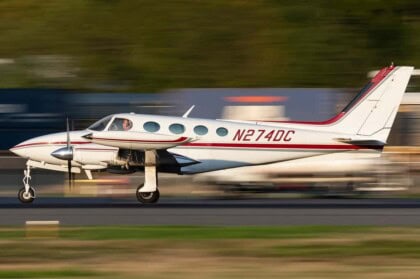
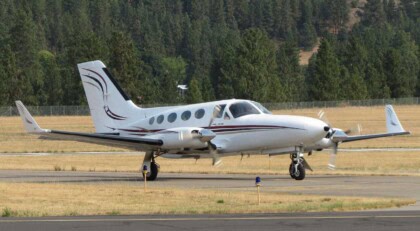
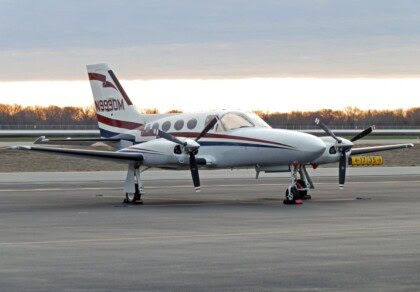
The Cessna 340 was introduced in the early 1970s as a pressurized twin-engine aircraft. Designed for business and personal transport, it offered higher cruising altitudes. The model was produced for over a decade.
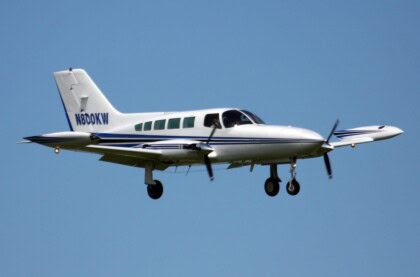
The Cessna 402 Businessliner was introduced in the late 1960s as a twin-engine piston transport. Designed for short-haul passenger service, it became common among commuter airlines. The aircraft also served in corporate roles.
The Cessna 421 Golden Eagle was introduced in the late 1960s as a pressurized twin-engine aircraft. Designed for business and personal transport, it offered cabin comfort at piston operating costs. The model became one of Cessna’s most capable twins.
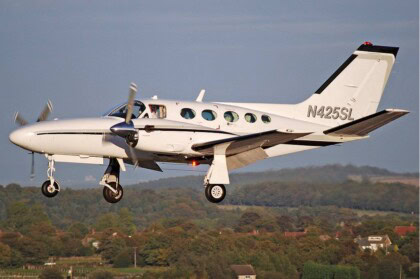
The Cessna 425 Conquest I was introduced in the 1980s as a light twin-engine turboprop. Designed to replace piston twins in business service, it offered improved reliability and performance. The aircraft became a popular entry-level turboprop.
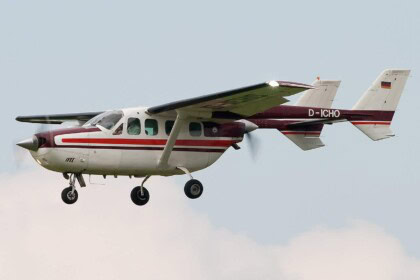
The Cessna T303 Crusader was introduced in the late 1970s as a cabin-class twin-engine aircraft. Designed to provide smooth performance and pressurized comfort alternatives, it emphasized efficiency. Production lasted only a few years.
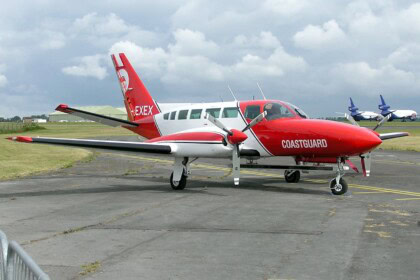
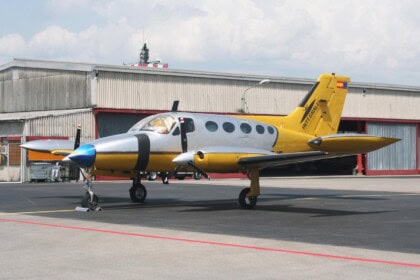
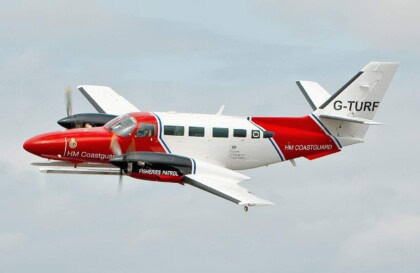
The Reims-Cessna F406 Caravan II is an unpressurized, fourteen-seat twin turboprop that first flew in 1983. History, uses, operators and why it was built.
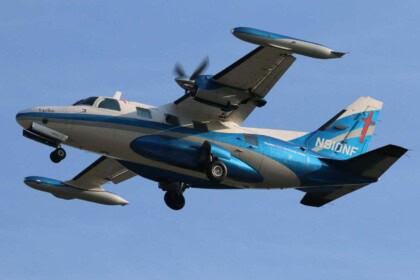
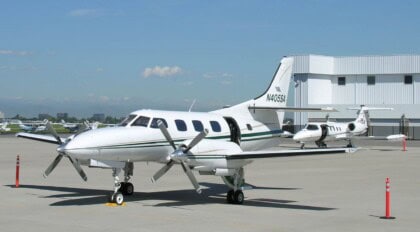
The Swearingen Merlin was introduced in the 1960s as a twin-engine turboprop. Designed for corporate and regional operations, it emphasized pressurization and cabin comfort. The aircraft evolved through multiple variants.